
For the Love of Cheese! Why Are Pregnant Women Told to Avoid Soft Cheese?

Cheese is as old as modern mankind, with clues about its existence reaching all the way back to 8,000 BC when the first sheep and goats were domesticated by our ancestors (www.historyofcheese.com). And since cheese has been around for so long, it is now one of the most popular and beloved foods throughout the world. So, it did not come as a surprise to me that many who are pregnant and breastfeeding ask MotherToBaby about eating cheese all the time! On our texting service alone (855-999-3525), we have received over 400 questions about cheese in the past few years!

Here are some of the recent questions we have received at MotherToBaby:

  • “Am I allowed to eat cream cheese on toast?”
  • “Is raw milk cheese from the USA OK?”
  • “Can I eat goat cheese while breastfeeding?”
  • “Is it OK to eat feta cheese during pregnancy?”
  • “Can I continue to eat queso cheese on a burrito or nachos while pregnant?”
  • “Is unpasteurized cheese OK to eat if it’s been cooked on a pizza?”

When you start researching cheese, you can fall into a rabbit hole on kinds of cheese: hard versus soft, pasteurized or not, Mexican verses Italian? The questions are endless. There are over 1800 different kinds of cheese, divided into 7 categories (www.Funtrivia.com):

  1. Fresh Cheeses: Banon, Ricotta, Feta, Cottage cheese, Cream cheese, etc.
  2. Natural Rind: Sancerre, Chabichou, Crottin de Chavignol, etc.
  3. Soft White Cheese: Camembert, Brie, Chevre Log, etc.
  4. Semi-Soft: Edam, Pont L’Eveque, St Nectaire, Tomme de Savoie, Langres, Carre de L’Est, Epoisses, etc.
  5. Hard Cheeses: Cheddar, Parmigiano Reggiano, Gruyere, Manchego, etc.
  6. Blue Cheeses: Stilton, Roquefort, Gorgonzola, Maytag Blue, Cashel Blue, etc.
  7. Flavored Cheeses: Cornish Yarg, Gouda with Cumin, Stilton with Apricots, Devon Garland, etc.

So, what is the bottom line for you if you are pregnant or breastfeeding?

First, check to see if the cheese has been pasteurized or not. Look at the label and you will find that most types of packaged cheese or cheese products sold in America have been pasteurized or heat treated. Pasteurization is defined as a process in which both packaged and non-packaged foods (such as cheese and milk) are treated with moderate heat, usually up to 212 °F, to eliminate pathogens and extend shelf life. If the cheese has gone through pasteurization, then any increased risk for bacteria or other pathogens is very small, and the product isn’t considered to increase risks if eaten during pregnancy and breastfeeding. Of course, keep an eye on the fresh or sell-by date, and keep the product properly refrigerated. Cheese that has not been pasteurized has an increased risk for bacteria such as Listeria. See our fact sheet at Listeria Infection (Listeriosis) – MotherToBaby for more information. If the cheese has not been pasteurized, but has been cooked or heated prior to eating, then there also is little increased risk. Plus, cheese that has been dried, such as parmesan cheese, has a longer shelf life and no known increased risk for bacteria.

One of the most common questions about cheese when pregnant and breastfeeding is about the difference between hard and soft cheese. Hard cheese has been ripened longer and is drier, having a lower water content. Whereas soft cheese is younger or fresher, with a higher moisture content. The higher moisture content in soft cheese can allow for more growth of bacteria. That is why it is a good idea to be sure that soft cheeses are either heated prior to eating or have been pasteurized at the time of production (again, pasteurization is a process to kill bacteria). Most soft cheeses in the U.S. have undergone this process by FDA pasteurization law — so look at the label to be sure and be aware of any possible increased risks if unpasteurized!

Cheese is rich in protein and minerals such as calcium and phosphorus. During pregnancy and while breastfeeding, cheese can be part of your good diet. Some cheese types, such as hard cheese, are higher in fat. So, do watch the fat content if cheese is part of your daily diet! Just follow a few simple rules about checking for pasteurization and being sure the cheese product is heated or has been cooked prior to eating if it was not pasteurized. And then, enjoy eating cheese without worry during pregnancy and breastfeeding! If you have any cheese related questions during pregnancy, or any other exposure questions, be sure to contact MotherToBaby! We will be happy to help you!

Originally Published 5/11/22. Updated 9/30/25.

For the Love of Cheese! Why Are Pregnant Women Told to Avoid Soft Cheese?

You may have heard recently that the Food and Drug Administration (FDA) has banned Federal Food, Drug, and Cosmetic Act (FD&C) Red No. 3. In this blog, we will review details about the ban, including why it was enacted, and the timeline for removing FD&C Red No. 3 from products. Our goal is to equip you with information to help make informed decisions. Be sure to check back, as we’ll continue updating this post with the latest developments.

All food dyes, called color additives, must be approved for use by the FDA before manufacturers can use them. Color additives can be synthetic (lab made) or naturally derived from plants, animals and minerals. Manufacturers submit information about safety and manufacturing to the FDA in order to receive approval.

What is Red No. 3?

FD&C Red No. 3., also found on food labels as Red 3 or Red No. 3, is a synthetic food dye that gives foods and drinks a bright, cherry-red color.  Red No. 3 can be found in some cake icing, candies, and other food items. Red No. 3 is also used in some oral medications and supplements.

Red No. 3 is a complicated formula for those of us not in the food manufacturing business. Specifically, the FDA reports that the color additive FD&C No. 3 is monohydrate of 9-6-hydroxy-2,4,5,7-tetraiodo-3H-xanthen-3-one, disodium salt, with smaller amounts of lower imdinated fluoresceins.

Why is Red No. 3 being banned?

Red No. 3 food dye is being banned because studies found that at high doses, the dye caused cancer in male laboratory rats. Studies in other animals or in humans did not show an increased chance for cancer.

The way that the food dye causes cancer in laboratory rats involves a mechanism not present in humans, so it is not known if this could also be a risk for humans.

Has Red No. 3 been associated with birth defects or problems with breastfeeding?

Studies have not been done to research this.

When is the ban taking effect?

On January. 15, 2025, the FDA announced that Red No. 3 will be banned from all products, including medications and foods. However, this ban allows manufacturers time to phase out the use of Red No. 3. Manufacturers who use Red No. 3 in food will have until January  15, 2027 to remove it from their products. Manufacturers of oral medications and supplements will have until January 18, 2028 to remove it.

Is FD&C Red No. 3 used in cosmetics or topical medications?

Red No. 3 has not been allowed in cosmetics, or topical medications, by the FDA since at least 1990.

How can I confirm if my food has Red No. 3?

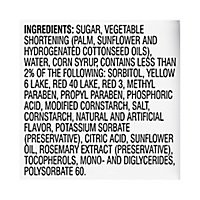
To learn if your food has Red No. 3, look at nutrition facts on the product’s label. The nutrition facts label lists calories and serving size, as well as other information. Below the nutrition facts, you will find an ingredients list. Ingredients are listed in order of those found in highest amounts to those found in smallest amounts in the product. For example, if the first ingredient is water, this means that most of the product is water, and each ingredient listed after that is found in the product in smaller amounts.

Here is a sample of a products’ ingredients. Red No.3 is listed as less than 2% of the product.

You can learn more from the FDA announcement here: FDA Consumer Announcement

FDA Red No 3

FDA Red No 3 composition

FDA Color Additives for Consumers


For the Love of Cheese! Why Are Pregnant Women Told to Avoid Soft Cheese?

In recent years, plant-based diets have become more and more popular. People choose to go vegetarian for a variety of reasons including health benefits, sustainability concerns, and ethical motivations. Whatever the reason, this type of diet can be healthy and nutritionally adequate, even during the reproductive years. However, during pregnancy, a bit of planning may be required to make sure the developing baby is getting all the nutrition necessary from a plant-based mom.

First, let’s talk about different plant-based diets. Some people choose to avoid meat on occasion such as those who participate in “Meatless Mondays.” Others commit fully to a vegetarian lifestyle, which means avoiding all forms of meat. Lacto-vegetarians also exclude eggs from their diet, while ovo-vegetarians also avoid dairy. Vegans have more restrictions, avoiding any products that come from animals such as eggs, dairy, gelatin, and honey. The good news is that there are still many food groups available to vegetarians and vegans. Fruit, vegetables, grains, nuts, legumes, meat substitutes, and dairy alternatives are all still on the table.

During pregnancy, nutritional requirements change to meet the needs of the developing baby. Most women can easily meet these new requirements by taking a prenatal vitamin with 100% of the daily value (DV) to get all the important vitamins and minerals. However, vegans and vegetarians may require a different approach to keep mom and baby as healthy as possible.

Let’s take a look at B12 first. Vitamin B12 is involved in the development and function of the central nervous system, formation of red blood cells, and DNA synthesis. During pregnancy the recommended dietary allowance (RDA) for B12 is 2.6 mcg for everyone. However, vegetarians and vegans are at risk of deficiency since this vitamin only occurs naturally in products that come from animals. To ensure that enough is consumed, plant-based moms-to-be should focus on eating foods fortified with B12. Blood work can also help to identify any deficiencies, and if a woman is found to have low B12 during pregnancy, a higher dose supplement may be recommended by the health care provider.

Iron is another vitamin that requires a second look for those with a veggie diet. During pregnancy, iron requirements increase due to a rise in plasma volume and red blood cell concentration. For women who eat meat, an RDA of 27 mg is advised. However, for vegetarians the RDA is 1.8 times higher, meaning 48.6 mg per day is needed. Iron can be obtained from plant-based foods but it is not as bioavailable as iron from meat, so supplementation is usually required.

Around 90-95% of pregnant women don’t consume enough choline, regardless of what diet they follow. An RDA for choline of 450 mg is suggested for every pregnant woman. Soybeans, wheat germ, kidney beans, and eggs are some of the best plant-based forms of choline, but this vitamin can also be obtained from a dietary supplement. Choline has been shown to improve liver health, memory, mood, and other brain and nervous system functions.

What about calcium? Vegetarians who still consume milk, cheese, and yogurt may not be too worried about this one. However, it’s known that certain plant foods contain large amounts of oxalates, a naturally occurring compound that can reduce the amount of calcium absorbed from food. For example, a cup of spinach contains about 30 mg of calcium, however because this food has a high oxalate content, the calcium is not well absorbed by the body. Another interesting point about calcium is that smaller doses are better absorbed. This means that spacing out a supplement and calcium rich foods throughout the day may be a better approach than taking it all at once. Lastly, it’s important to note that calcium should always be taken with vitamin D since the body needs vitamin D to absorb calcium. An RDA for calcium of 1,000 mg/day is advised for women over the age of 18 during pregnancy, regardless of diet type.

The term “Omega 3s” commonly refers to alpha-linolenic acid (ALA), eicosapentaenoic acid (EPA), and docosahexaenoic acid (DHA). It is suggested thaf pregnant women get 1.4 grams/day of ALA, however, there is no official dose for DHA or EPA that has been established for pregnancy. ALA is present in plant oils, such as flaxseed, soybean, and canola oils. Walnuts and chia seeds are also good sources of ALA. The problem is that ALA does not easily convert to DHA in the body, so even when a woman who is plant-based consumes a good amount of ALA they can still have low DHA levels. Although there is no official recommendation in place to take a DHA supplement during pregnancy, vegetarians and vegans can talk to a health care provider to determine if it makes sense to take an algae based one.

A blog about nutrition wouldn’t be complete without talking about folic acid, especially during January’s National Birth Defects Awareness Month. When folic acid is taken for at least one month prior to pregnancy, this important vitamin reduces the chance of neural tube defects (a type of birth defect affecting the baby’s brain and spinal cord) by as much as 50-70%! Like everyone else, vegetarians and vegans should get 400 mcg/day prior to pregnancy and 600-800 mcg/day during pregnancy from a supplement.

As a vegetarian myself, if I had a dollar for every time someone asked me about protein I’d be a millionaire by now! For some reason, well intentioned friends and family seem to be very concerned about this topic – especially during pregnancy! A general recommendation of 71 grams of protein/day is currently in place for everyone during pregnancy. Vegetarians can easily meet this requirement by consuming foods like yogurt, chia seeds, quinoa, beans, eggs, and certain vegetables. Vegans can focus on many of the above foods as well as tofu, lentils, soy milk, and nut butters. Although most women can meet the RDA with the right attention to diet, if you’re concerned about not getting enough protein during pregnancy, your health care provider can refer you to a nutritionist to help further.

Pregnancy as a vegetarian or vegan doesn’t have to be stressful, but some additional planning may be needed. When possible, focus on getting nutrients from your diet. However, to meet RDAs during pregnancy, or if a deficiency is noted by blood work, supplementation can be beneficial. If you ever have any questions about vitamins, minerals, omega 3s, or protein during pregnancy, contact a MotherToBaby specialist to receive individualized counseling. With the right approach, a plant-based mom and baby can get all the nutrients they need!

References:

Melina V, Craig W, Levin S. 2016. Position of the Academy of Nutrition and Dietetics: Vegetarian Diets. Journal of the Academy of Nutrition and Dietetics, 116(12), 1970–1980. https://doi.org/10.1016/j.jand.2016.09.025

National Institute of Arthritis and Musculoskeletal and Skin Diseases. May 2023. Bone Health and Osteoporosis. Available at: https://www.niams.nih.gov/health-topics/bone-health-and-osteoporosis

National Institutes of Health. June 2022. Choline Fact Sheet for Health Professionals. Available at: https://ods.od.nih.gov/factsheets/Choline-HealthProfessional/

National Institutes of Health. July 2024. Calcium Fact Sheet for Health Professionals. Available at: https://ods.od.nih.gov/factsheets/Calcium-HealthProfessional/

National Institutes of Health. October 2024. Iron Fact Sheet for Health Professionals. Available at: https://ods.od.nih.gov/factsheets/Iron-HealthProfessional/

National Institutes of Health. December 2024. Omega-3 Fatty Acids Fact Sheet for Health Professionals. Available at: https://ods.od.nih.gov/factsheets/Omega3FattyAcids-HealthProfessional/


For the Love of Cheese! Why Are Pregnant Women Told to Avoid Soft Cheese?

“I just found out I’m pregnant. Can I keep drinking my energy shake in the mornings?”
“My doctor gave me the go-ahead to work out. Okay to have a protein shake after the gym?”
“My immunity-boosting drink is a life-saver. Can I keep using it while I’m pregnant?”

These are common questions during pregnancy, and ones that we hear a lot at MotherToBaby. Perhaps you’ve wondered the same thing yourself. As teratogen information specialists, we provide facts about how a woman’s exposure in pregnancy might affect her developing baby. So, when we get questions about shakes, powders and other nutritional supplements in pregnancy, we look to the research. And that research, or lack of it, leads us to caution women against drinking that favorite nutritional shake while they’re pregnant. Here’s why:

Lack of FDA approval
Nutritional shakes and powders fall under the category of “supplements.” Supplements aren’t approved by the U.S. Food and Drug Administration (FDA) in the way that food and medicines are. The FDA does set out safety requirements for supplements, but the manufacturers are responsible for ensuring that their own products meet those requirements (kind of like a home builder inspecting their own house.) This means that shake makers and other manufacturers can put their products on the market without proving their safety, or even showing that the products actually do what they claim they will. Once a supplement is on the market, the FDA relies mostly on consumers’ reports to alert them of side effects or other problems that could lead to warnings or recalls.

This is not to say that all supplement makers are unscrupulous or careless. Many manufacturers go above and beyond the FDA requirements for safety, and stand behind the purity and efficacy of their products. But the lack of oversight has allowed supplements to wind up on shelves despite being contaminated with bacteria, pesticides or heavy metals (such as lead), or having mislabeled ingredients or amounts of those ingredients. These inconsistencies can be dangerous, especially for people who take medications that might interact with unknown ingredients, or for pregnant women who need to avoid potentially harmful additives that can affect the baby.

Lack of studies in pregnancy
Nutritional shakes often contain vitamins, herbs, plant derivatives and other goodies intended to boost energy, strengthen immunity or have other positive health effects. But these additives are often listed on the label as “herbal blends” or “proprietary blends,” meaning that the individual ingredients are not revealed. And even if they are listed individually, some of those ingredients may have been studied in pregnancy, while others have not. The lack of studies means we don’t know if they might have harmful effects on a developing baby or otherwise increase risks in pregnancy.

For example, some ingredients may be “generally recognized as safe (GRAS)” when eaten in the amounts usually found in food, but they could increase the risk of miscarriage when used at high concentrations in pregnancy. The concentration of a plant-derived ingredient can vary from batch to batch, depending on the growing and harvesting conditions of the plant. So in the end, you can’t be sure what you and your developing baby are getting with that shake.

Nutritional needs in pregnancy
A varied, healthy diet along with a daily prenatal vitamin recommended by your healthcare provider should give you all the vitamins, minerals and other nutrients that you and your growing baby need during pregnancy. Adding the extra vitamins found in that shake to your diet might result in exceeding the daily recommended amounts for pregnancy. On the flip side, if you are using a nutritional shake as a meal substitute, you might be missing essential nutrients that you and your baby should be getting from food. Always talk to your healthcare provider about the best way to meet your specific nutritional needs during pregnancy.

So, what to do about that container of protein powder sitting in your pantry or those bottles of energy shake taking up space in the fridge? Our advice? Find a new home for them until after you’ve delivered and are no longer breastfeeding. After all, you want to give your pregnancy a “fair shake,” right?

References:
• Natural Products Database, adapted from The Review of Natural Products. Facts & Comparisons (database online]. St. Louis, MO: Wolters Kluwer Health Inc.; 2012.
• U.S. Food and Drug Administration. FDA 101: Dietary Supplements. https://www.fda.gov/Food/DietarySupplements/UsingDietarySupplements
• U.S. Food and Administration. Daily Values for Infants, Children Less Than 4 Years of Age, and Pregnant and Lactating Women. https://www.fda.gov/food/dietary-supplements-guidance-documents-regulatory-information/dietary-supplement-labeling-guide-appendix-c-daily-values-infants-children-less-4-years-age-and


For the Love of Cheese! Why Are Pregnant Women Told to Avoid Soft Cheese?

Maya has been a healthy, happy vegan since she was a teenager. Now, at age 25 and pregnant for the first time, she is suddenly worried and uncertain about whether she can provide all the nutrients her developing baby needs if she continues to follow her vegan diet during pregnancy. She contacted us at MotherToBaby looking for answers. Maya’s question is not unusual, but since it’s a bit outside our area of expertise, I enlisted the help of an expert in maternal nutrition to help answer it.

Registered dietitian Kerry Jones, MPH, RDN, LDN is the owner of Milestones Pediatric & Maternal Nutrition in Cary, North Carolina. She works with women who are trying to conceive, pregnant, or breastfeeding, as well as children, which makes her a perfect resource for this topic. Kerry was happy to weigh in on Maya’s concerns and other common questions we get at MotherToBaby about vegetarian and vegan diets in pregnancy and breastfeeding.

First, what exactly does vegetarian mean? And how is vegan different from vegetarian? By definition, vegetarian means eating everything except meat, poultry, or seafood. Some vegetarians also choose to exclude eggs but consume dairy products (lacto-vegetarian), or exclude dairy but eat eggs (ovo-vegetarian). A vegan diet takes it a step further by avoiding all ingredients that come from animals, including eggs, dairy, gelatin, and honey. While these diets may seem limiting to someone who doesn’t follow them, vegetarians and vegans still enjoy an abundant variety of foods. Now, on to Maya’s question…

Q: Can I have a healthy pregnancy if I’m vegetarian or vegan?

Kerry Jones: Yes, you can definitely have a healthy pregnancy, even if you follow a vegetarian or vegan diet. However, that does not mean that eating during your pregnancy will be without its challenges, since there are many nutrients that are crucial to your child’s development that can be hard to obtain from a plant-based eating pattern, such as vitamin B12, choline, vitamin K2, DHA, iodine, iron, and zinc, to name a few. However, with proper planning, supplementation, and support, I believe that women who are vegetarian or vegan can have healthy pregnancies.

Q: Are there any vitamins I’ll need to take during pregnancy in addition to my regular prenatal vitamin?

Kerry: As I mentioned, there are several nutrients that are crucial to fetal development that are hard to obtain in a vegetarian or vegan diet. It will be important to make sure that your prenatal vitamin is high quality and contains not only enough of these nutrients, but also the best forms of these vitamins and minerals to ensure they will be well absorbed by your body (such as Methylcobalamin and/or adensylcobalamin when looking for vitamin B12). It is also important to ensure the prenatal vitamin you choose does not contain unwanted additives or nutrients (such as having both calcium and iron in the same supplement, since we know these minerals compete for absorption) and is third-party tested (since there is currently no governing organization that oversees the safety, content, purity, dosage, or effectiveness of supplements). In addition to a high-quality prenatal vitamin, it will likely be beneficial to take an algae-based DHA supplement. However, it is important to talk to your OB/GYN before starting any supplements.

Q: How can I be sure I’m getting enough protein during pregnancy if I don’t eat animal products?

Kerry: That’s a great question. We know that getting enough protein during pregnancy is important for both mothers and developing babies. Luckily, there are a variety of plant-based protein sources, such as: seitan, tempeh, beans, seeds, nuts, and lentils, to name a few. I recommend that all adults, including women who are pregnant, aim to have one-fourth of their plate or bowl be composed of protein sources at each meal and have a protein source at each snack. Following this meal pattern typically allows most pregnant women to meet their protein needs. However, if you are concerned about your specific protein needs during early and late pregnancy, contact a prenatal registered dietitian, such as myself, to get customized recommendations.

The biggest concern related to meeting protein needs for pregnant women following plant-based diets is ensuring they are getting the individual amino acids they need. Animal proteins are often referred to as complete proteins, which means the protein source contains all of the essential amino acids (or protein building blocks) that our body needs. However, not all plant protein sources are complete proteins. Therefore, it is important that pregnant women following plant-based diets not only get enough protein throughout the day, but also eat a variety of protein sources to make sure they are getting all of the needed amino acids.

Q: I love my OB, but she doesn’t have experience with vegetarian and vegan diets in pregnancy. Any advice?

Kerry: If you are getting push back or hesitation from your OB/GYN to support your dietary decision, it is important to remember that your OB/GYN is likely concerned that you and your baby are not going to get the nutrients that you both need during this critical period. Make sure to be an advocate for your health and beliefs to explain why you want to be a vegetarian and vegan while pregnant. Additionally, consider working with a prenatal registered dietitian to get evidenced-based, individualized recommendations on how to meet you and your baby’s nutrient needs. This will help give you the support you need to meet your unique needs and give your OB/GYN the reassurance they need to feel confident in your dietary decisions.

Q: My baby is almost due. Is there anything I need to know about being vegetarian/vegan while breastfeeding?

Kerry: Yes! Just like when you were pregnant, what you eat when breastfeeding matters. This is because when you are breastfeeding exclusively you are still the single source of nutrition for your little one just like you were during pregnancy. While the levels of some nutrients in breastmilk are not affected by maternal diet, the amount of many vitamins and minerals in breastmilk is dependent on how much you consume as a mom, such as vitamin B12, vitamin K2, choline, DHA, and iodine, to name a few. Therefore, it is important to continue your prenatal vitamin or switch to a postnatal vitamin and have a plan to get the nutrients that your baby needs while breastfeeding and you need for postpartum recovery.

After hearing Kerry’s feedback, Maya was relieved to know that by incorporating a few changes to her diet she could indeed have a healthy plant-powered pregnancy! If you have questions about your diet in pregnancy or breastfeeding, talk to your healthcare provider or a registered dietitian with expertise in maternal nutrition. And as always, MotherToBaby is here for you for any questions about exposures during pregnancy and breastfeeding.