Depression

Managing Depression When You Are Pregnant or Breastfeeding

Disclaimer: This page houses important information and resources pertaining to depression during pregnancy and while breastfeeding, including links to our evidence-based Fact Sheets. However, the resources here should not replace the care and advice of a medical professional.

Anyone can experience symptoms of depression at some point in their life, like when going through relationship problems, grieving the loss of a loved one, or facing job loss. But when the symptoms of depression are severe, persistent, and interfere with everyday activities, these may be signs of clinical depression (also called Major Depressive Disorder, or MDD). When major depression happens during pregnancy or after childbirth, it is called Peripartum Depression (PPD; formerly called postpartum depression). MDD and PPD are serious conditions that may make it difficult to complete daily tasks in order to care of yourself or your baby, and may interfere with bonding, which might have a negative effect on the baby’s development and behavior.

Depression is nothing to be ashamed of. If you think you may be clinically depressed, talk with your healthcare provider or a licensed mental health professional about your symptoms and concerns.

Not Feeling Like Yourself?

Are you a new parent – or about to be – and feeling sad, worried, or concerned that you aren’t good enough? The National Maternal Mental Health Hotline counselors provide 24/7, free, confidential emotional support and resources to help you feel better. Call or text 1-833-TLC-MAMA (1-833-852-6262). Are you currently in crisis? Call or text 988 Suicide Prevention Hotline.

Have a Question?

Need information about depression or a mental health medication during pregnancy or while breastfeeding? Contact a MotherToBaby information specialist.

Pregnant persons with depression – and their babies – typically do better if their depression is treated. Some studies (not all) have reported higher rates of miscarriage, preterm delivery, low birth weight, and pre-eclampsia when depression is left untreated in pregnancy. Treatment for depression can include medications, talk therapy, or a combination of the two. It’s important that you discuss treatment options with your healthcare providers when planning pregnancy, or as soon as you learn that you are pregnant. As always, check out our resources if you’re looking for information about specific medications. And remember: always talk with your healthcare providers before stopping any medication you are currently taking.
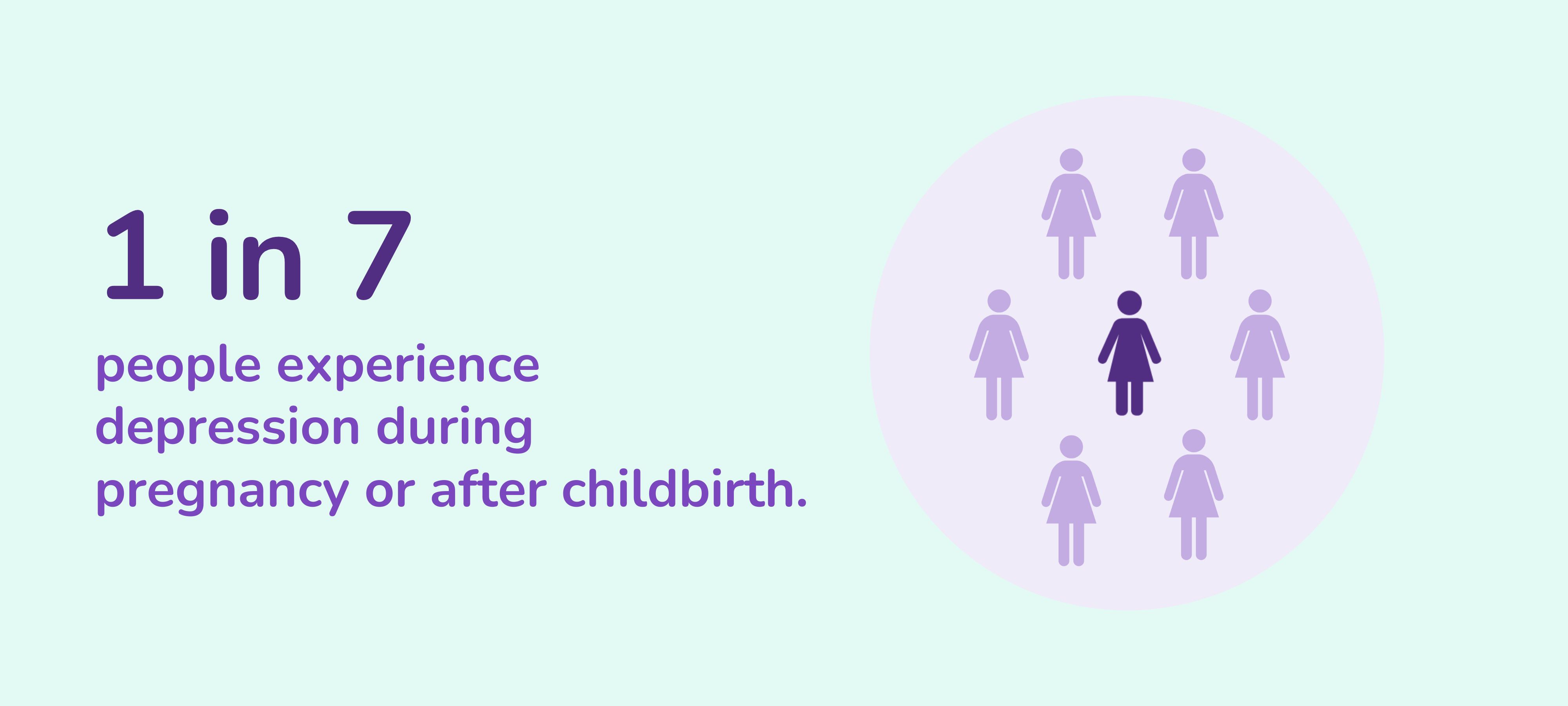
Reference: American Psychiatric Association, October 2020.

Please see our library of resources below on depression during pregnancy and breastfeeding.

External Resources

Partners


Depression

Managing Anxiety When You Are Pregnant or Breastfeeding

Disclaimer: This page houses important information and resources pertaining to anxiety during pregnancy and while breastfeeding, including links to our evidence-based Fact Sheets. However, the resources here should not replace the care and advice of a medical professional.

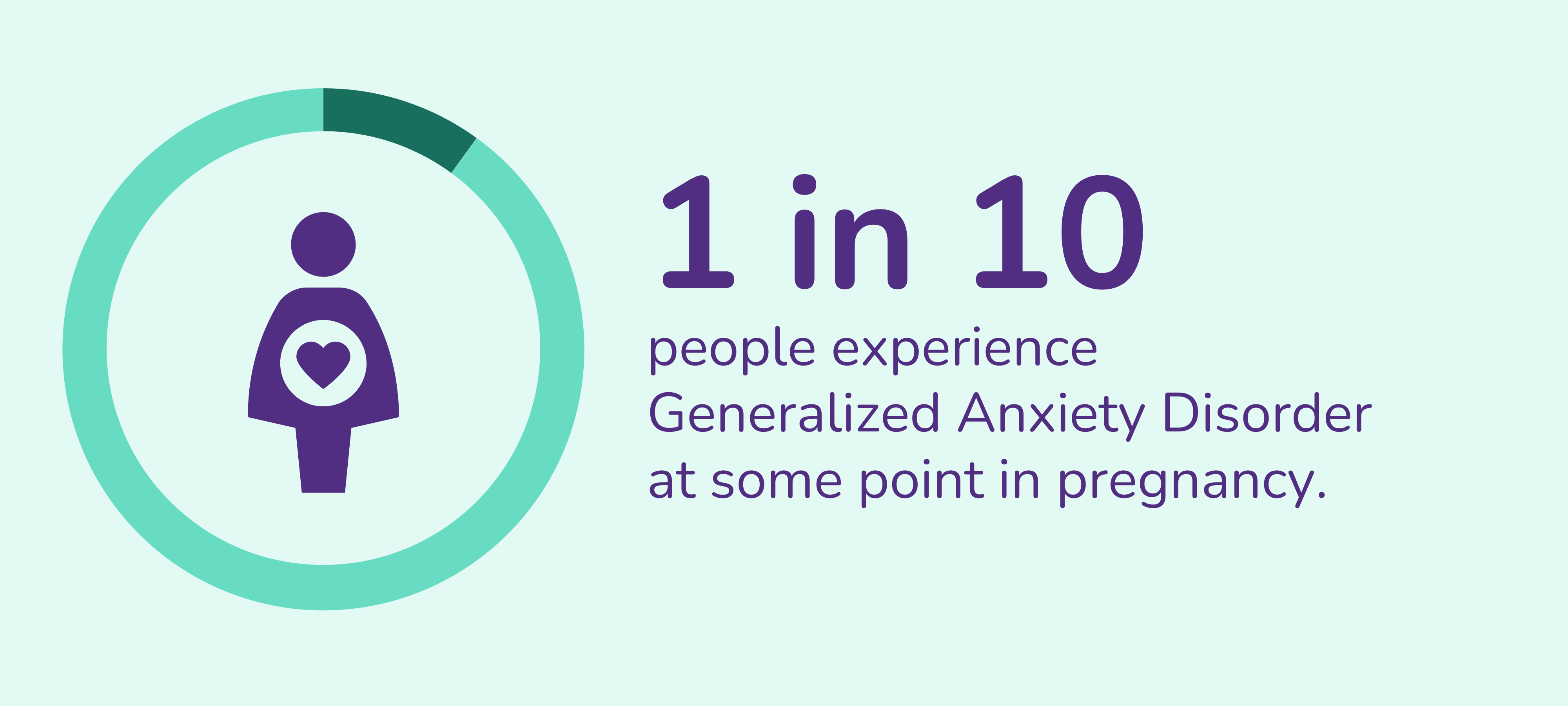
Like most people, you might experience anxiety at some point in your life, like when dealing with a problem at work or at home, when you or a loved one is facing a health complication – or when you find out you are pregnant! It can be hard to tell the difference between what is usual worry/fear vs. symptoms that might be more concerning. When anxiety does not go away, gets worse over time, and/or interferes with everyday activities, those may be signs of an anxiety disorder. Some people may have anxiety disorders before they get pregnant, while others may develop anxiety disorders during pregnancy or after delivery.

The multiple adverse perinatal outcomes associated with anxiety [in pregnancy] highlight the need to both identify and manage [people who are pregnant] with high levels of anxiety.

Grigoriadis et al. J Clin Psychiatry. 2018;79(5):17r12011.

Untreated anxiety disorders during pregnancy may increase the chance of adverse outcomes such as preterm delivery (before 37 weeks of pregnancy) and low birth weight; they may also make it more difficult to bond with the baby during and after pregnancy, and could increase the chance of having a mood disorder, such as depression, after delivery. If you are concerned about anxiety, talk to your healthcare provider about the best ways to manage it. These might include non-medication options—such as talk therapy, mindfulness, relaxation techniques, and exercise—as well as medications. As always, check out our resources if you’re looking for information about specific medications while you are pregnant, planning a pregnancy, or nursing.

Reference: Buist et al. J Affect Disord. 2011 Jun; 131(1-3): 277–283.

Not Feeling Like Yourself?

Are you a new parent – or about to be – and feeling sad, worried, or concerned that you aren’t good enough? The National Maternal Mental Health Hotline counselors provide 24/7, free, confidential emotional support and resources to help you feel better. Call or text 1-833-TLC-MAMA (1-833-852-6262). Are you currently in crisis? Call or text 988 Suicide Prevention Hotline.

Have a Question?

Need information about anxiety or a mental health medication during pregnancy or while breastfeeding? Contact a MotherToBaby information specialist.

Please see our library of resources below on anxiety during pregnancy and breastfeeding.

External Resources

Partners


Depression

The Aches & Pains of Psoriatic Arthritis during Pregnancy and Breastfeeding

Disclaimer: This page houses important information and resources pertaining to psoriatic arthritis during pregnancy and while breastfeeding, including links to our evidence-based Fact Sheets. However, the resources here should not replace the care and advice of a medical professional.

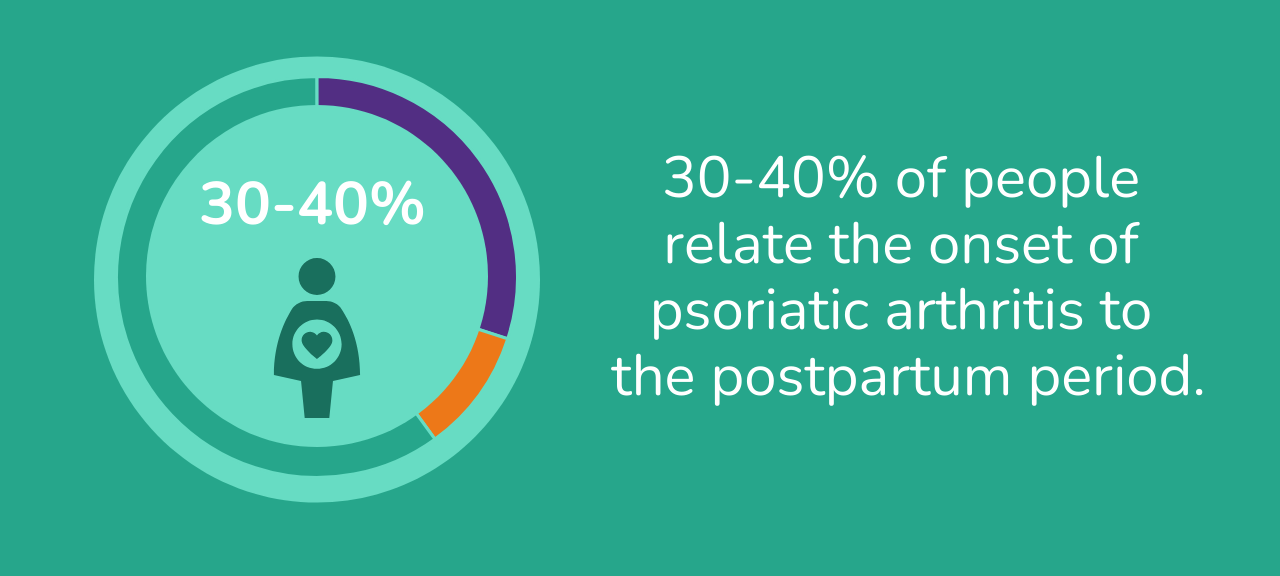
Up to one out of every three people who are living with psoriasis (approximately 33%) will develop psoriatic arthritis (PsA), a type of chronic, inflammatory arthritis that affects the joints and where tendons and ligaments connect to bone. It can also develop in people who do not have psoriasis. Symptoms of PsA can range from mild to severe, and include tenderness, pain, swelling, or stiffness in affected areas (like fingers, elbows, knees, or toes) and reduced range of motion. We don’t know if fertility is affected by psoriatic arthritis, but there is no established risk. 

Reference: Tauscher et al., 2002

There’s a lot we don’t know about PsA and pregnancy; there are no studies that have looked at the effects of PsA on pregnancy complications or the risk of having a baby with a birth defect. Some medications used to treat PsA might be concerning during pregnancy or breastfeeding, while others appear to be okay to take. Be sure to talk to your healthcare provider about all of your pregnancy and breastfeeding questions.

Though there is no cure, there is a growing range of treatments available to help stop the disease progression, lessen pain, protect joints and preserve range of motion. If you have or suspect you may have PsA, it is extremely important to work with a rheumatologist to find the right treatment plan.

National Psoriasis Foundation

Join Our Psoriatic Arthritis Study

If you’re pregnant and have PsA, please consider enrolling into our observational study to give people better answers about how PsA and its management can affect a pregnancy and a developing baby. You will not be asked to take or change any medications, and you can participate from the comfort of your home.

Please see our library of resources below on PsA during pregnancy and breastfeeding.

External Resources

Partners


Depression

Pregnancy and Breastfeeding with Multiple Sclerosis: Exposure Information You Can Trust

Disclaimer: This page houses important information and resources pertaining to multiple sclerosis during pregnancy and while breastfeeding, including links to our evidence-based Fact Sheets. However, the resources here should not replace the care and advice of a medical professional.

Multiple sclerosis (MS) is a condition in which the body’s own immune system incorrectly attacks the protective sheath (called myelin) that covers nerve fibers in the brain and spinal cord. This interferes with how the brain communicates with the rest of the body, and can eventually cause permanent damage to the nerves. Because the nerve damage can happen at any part of the brain or spinal cord, the symptoms of MS are unpredictable and can vary; they can also appear and then worsen over time, or they can appear and then disappear (remit). The most common symptoms of MS include but are not limited to fatigue, numbness or tingling, vision problems, weakness, balance issues, and problems with memory and concentration.

There are fewer MS relapses during pregnancy, especially in the second and third trimesters. Changes that take place in a [person’s] body during pregnancy are believed to contribute to less inflammation, less MS activity and fewer relapses.

National Multiple Sclerosis Society

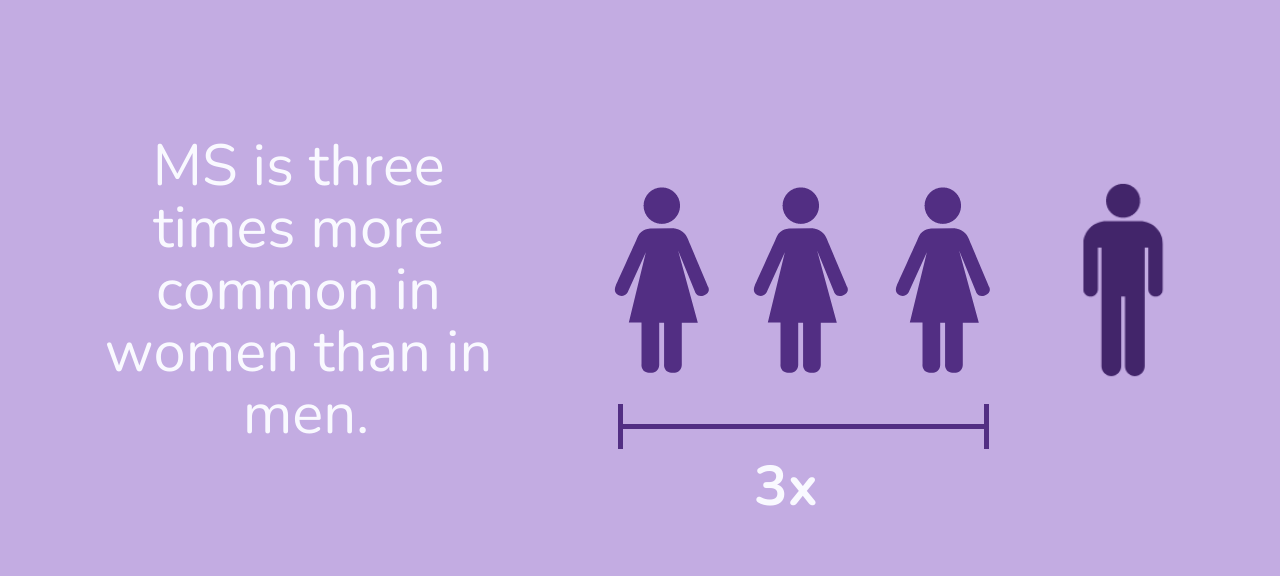
MS is most commonly diagnosed between the ages of 20-50, which for women is the peak of the reproductive years. It is important that you discuss treatment options with your healthcare providers when planning pregnancy, or as soon as you learn that you are pregnant. Always talk with your healthcare providers before stopping any medication.

Reference: National Multiple Sclerosis Society: Who Gets MS?

Join Our Multiple Sclerosis Study

If you’re pregnant and have MS, please consider enrolling into our observational study to give people better answers about how MS and its management can affect a pregnancy and a developing baby. You will not be asked to take or change any medications, and you can participate from the comfort of your home.

Please see our library of resources below on MS during pregnancy and breastfeeding.

External Resources

Partners


Depression

When Pesky Allergies from Pollens or Pet Dander Cause Problems

Disclaimer: This page houses important information and resources pertaining to allergies during pregnancy and while breastfeeding, including links to our evidence-based Fact Sheets. However, the resources here should not replace the care and advice of a medical professional.

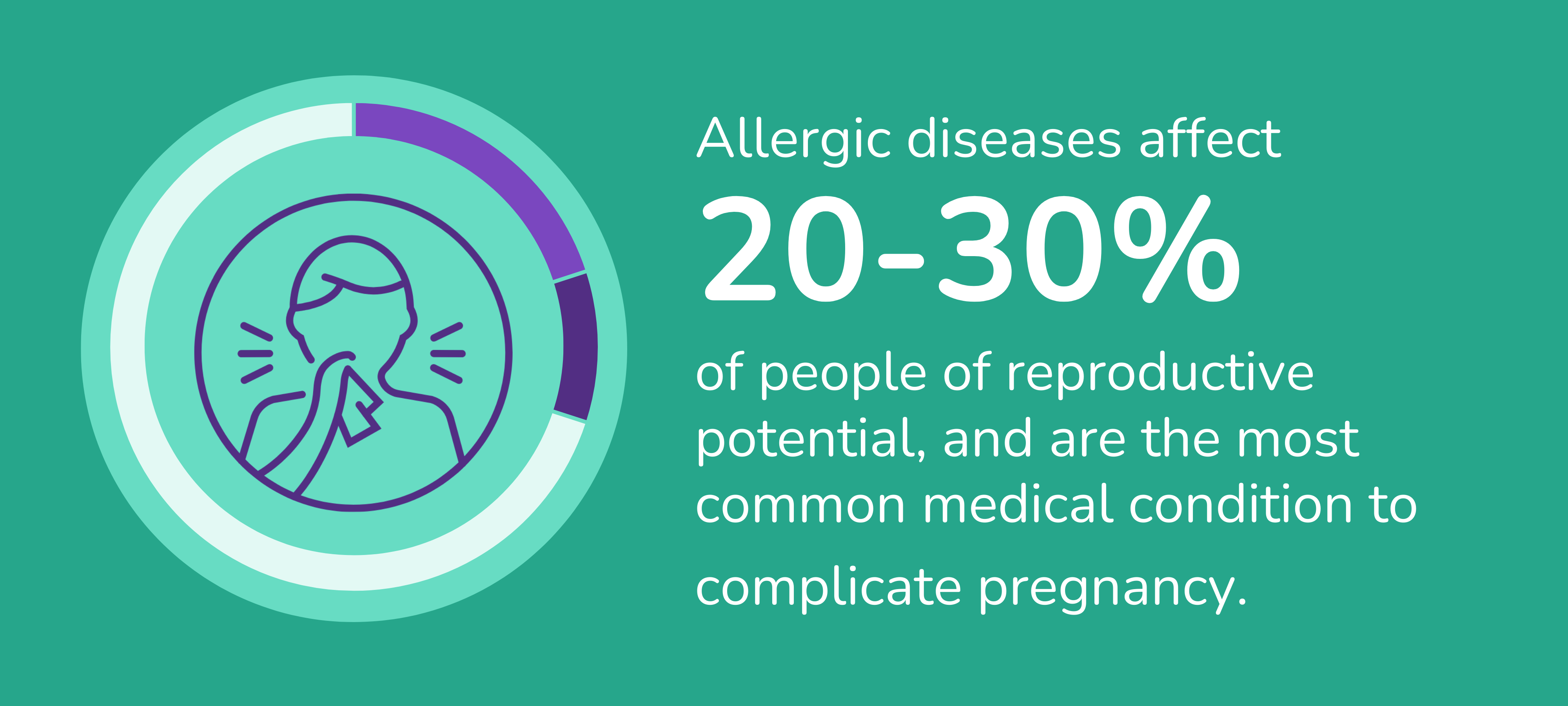
Ah, spring, summer, and fall – beautiful seasons to be enjoyed in much of the world, but they can also be miserable if you are an allergy sufferer! Unfortunately, pollens, mold spores, and even the dander from our family fur babies can bring on pesky symptoms like sneezing, runny nose, and red, itchy eyes. Luckily, there are a plethora of prescription and over-the-counter medication options to treat allergy symptoms. But what should you do if you are pregnant or breastfeeding?

An allergist/immunologist can tell you which asthma and allergy medications are the safest and most effective to take throughout pregnancy. Make an appointment with an allergist soon after you discover you are pregnant to develop or review your personal treatment plan and to give you peace of mind.

American Academy of Allergy, Asthma, and Immunology.

There are non-medication options that may alleviate allergy suffering, such as avoiding the outdoors during certain times of day, wearing a face mask to prevent inhaling allergens, using high quality air filters in your home, rinsing your sinuses with a saline nose spray, or washing Fido on a weekly basis to reduce allergy-causing dander. But when your symptoms don’t respond to these efforts, talk to your healthcare provider about the best treatment options and check out our resources if you’re looking for information about a specific active ingredient.

Last, people with asthma need to be particularly careful as the same allergens that cause allergy symptoms may also cause asthma symptoms – and uncontrolled asthma has been linked with poorer pregnancy outcomes, like preterm birth (delivery before you reach 37 weeks), pregnancy loss, and low birth weight. See our Asthma page for more information and resources.

Reference: Gilbert et al. Drug Saf. 2005;28(8):707-19.

Please see our library of resources below on allergies during pregnancy and breastfeeding.

External Resources

Partners