Antibiotics

Treating infections during pregnancy and breastfeeding

Disclaimer: This page houses important information and resources pertaining to the use of antibiotics during pregnancy and while breastfeeding, including links to our evidence-based Fact Sheets. However, the resources here should not replace the care and advice of a medical professional.

From strep throat to pneumonia, a urinary tract infection to a sinus infection, an infected cut to certain sexually transmitted infections, there are many reasons why you might need to take an antibiotic over the course of your life. But if it happens when you’re pregnant or breastfeeding, you might have questions about whether or how an antibiotic medication that you need to take could affect your baby.

Approximately one in four women will be prescribed an antibiotic during pregnancy, accounting for nearly 80% of prescription medications in pregnant women.

Bookstaver et al. Pharmacotherapy. 2015 Nov;35 (11): 1052-62

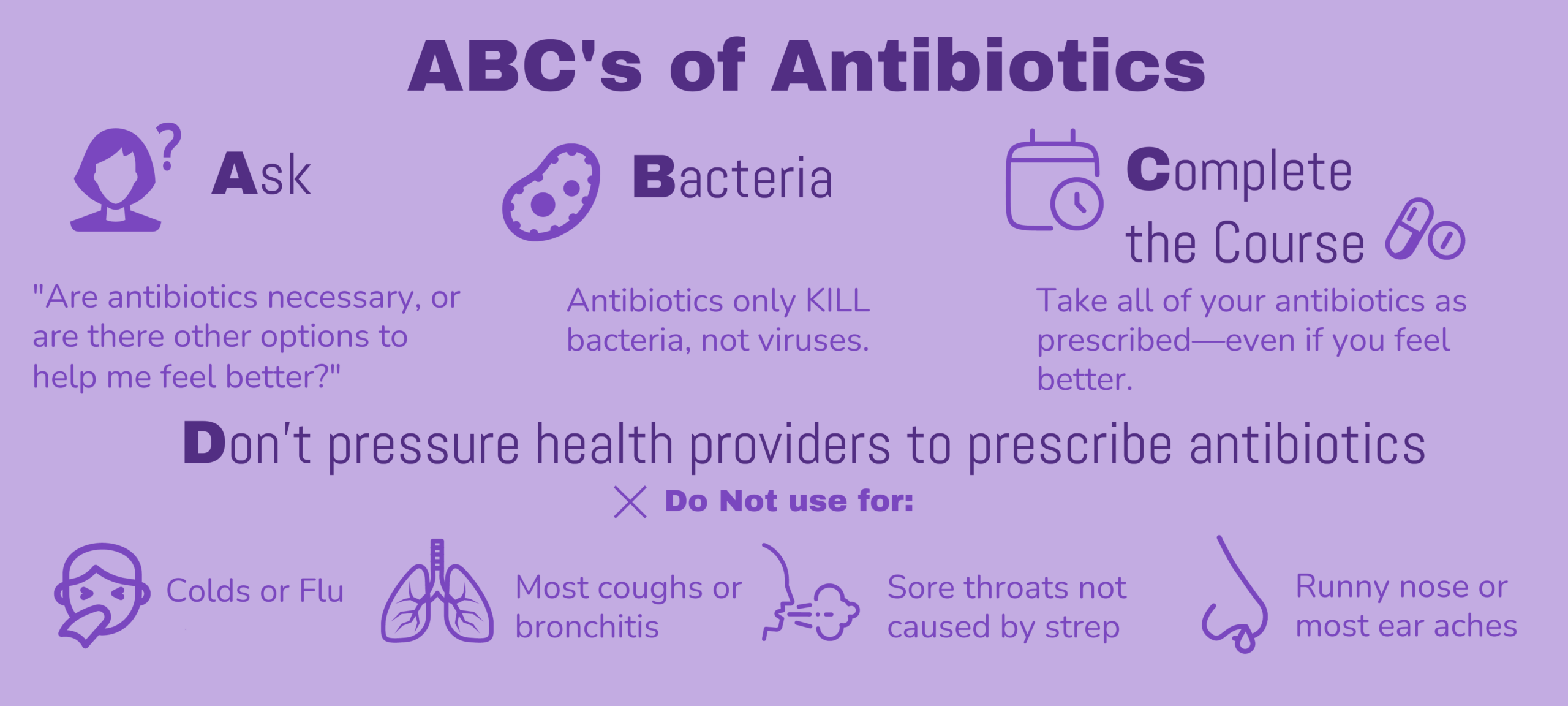
 Antibiotics are only used to treat bacterial infections, like those described above; they are not used to treat viral infections (like influenza or the common cold) or fungal infections (like a yeast infection). The antibiotic your healthcare provider prescribes will depend on the type of bacterial infection you have.

Most antibiotics have not been found to negatively affect pregnancy or a developing baby, though some are generally avoided during pregnancy. Importantly, if you are taking a course of antibiotics when you discover that you are pregnant, do NOT stop taking the antibiotic without first discussing it with your healthcare provider. Many untreated infections are associated with significant pregnancy complications, including preterm birth and miscarriage; thus, adequately treating your infection is important for both your health and the health of your baby. In addition, stopping a course of antibiotics mid-treatment increases the chance that the bacteria will develop resistance to antibiotic medications. Always talk to your healthcare provider before you stop taking any prescribed medications.
Reference: APIC: Infection Prevention and You

Many commonly prescribed antibiotics – though not all of them – are compatible with breastfeeding. Studies conducted with breastfeeding women who are taking antibiotics have found that small amounts of the medication can be found in breast milk. However, these amounts are much lower than the dose the mom is taking and are generally thought to not be harmful to the infant’s health. Breastfed infants of moms who are taking antibiotics should be monitored for symptoms such as diarrhea, thrush (a yeast infection in the mouth), and diaper rash. If you are a breastfeeding parent with an infection that requires antibiotic treatment, make sure your healthcare provider knows you are currently breastfeeding so they can choose a medication that will both treat your infection and maximize your baby’s well-being. 

Talk with your healthcare provider if you have any questions or concerns about taking antibiotics during pregnancy or while breastfeeding. Our experts are also available by phone, text, email, and chat to answer any questions you may have. You can also visit our library of resources below.

External Resources

Partners


Antibiotics

How AS and its Treatment May Affect Pregnancy and Breastfeeding

Disclaimer: This page houses important information and resources pertaining to Ankylosing Spondylitis during pregnancy and while breastfeeding, including links to our evidence-based Fact Sheets. However, the resources here should not replace the care and advice of a medical professional.

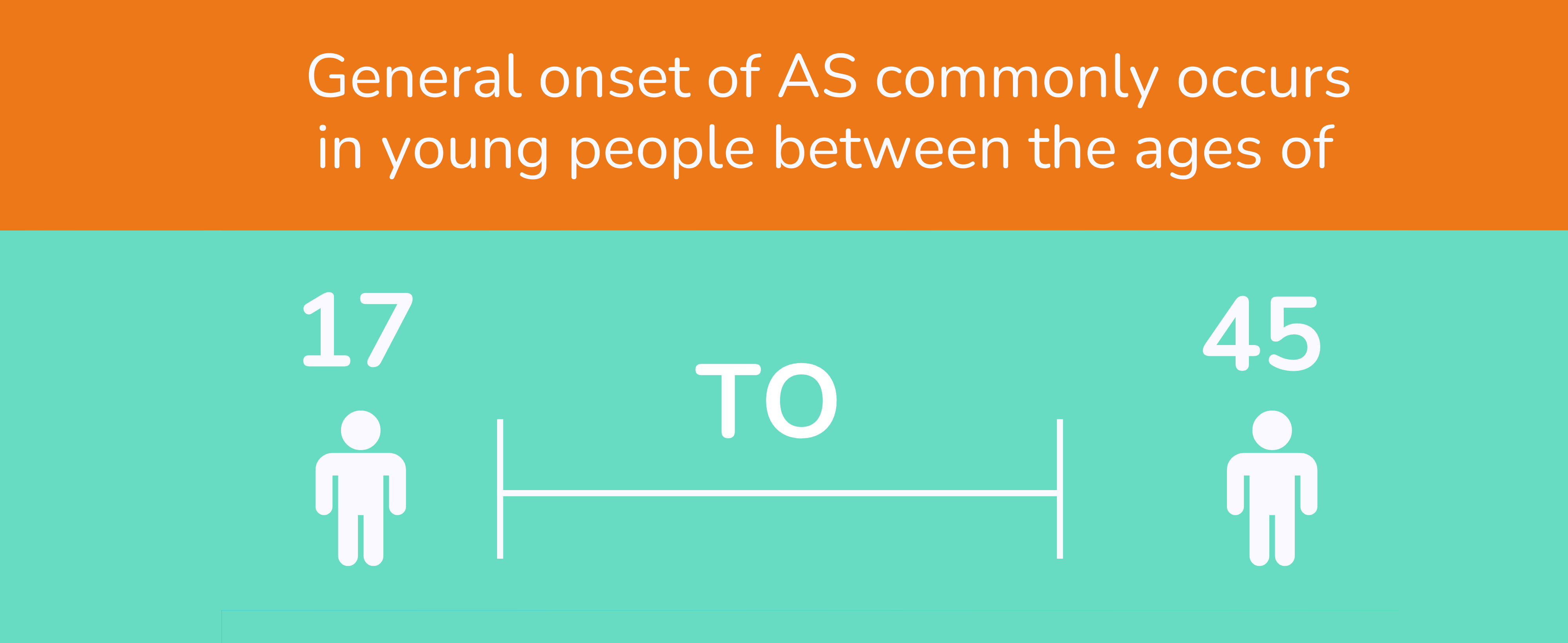
Ankylosing spondylitis (AS) is a kind of arthritis that mostly affects the spine. The spinal joints (or vertebrae) become inflamed, which can lead to severe, chronic pain. It severe cases, it can also lead to new bone formation in the spine that results in sections of the spine becoming fused or stuck in one position. Other joints can also become involved with AS, including the shoulders, hips, ribs, and small joints located in hands and feet. Symptoms of AS can include swelling, stiffness, and pain. Some medications used to treat AS are known to cause birth defects or problems with breastfeeding, but others have not been associated with concern.

Reference: Spondylitis Association of America

Patients with axial spondyloarthritis frequently have active disease at some stage of pregnancy. Hence, many people find it more helpful to plan ahead and talk to their doctor about these issues prior to getting pregnant. We recommend working closely with your physicians to determine the best course of treatment while pregnant.

Spondylitis Association of America

Join Our Pregnancy Study

If you’re pregnant and have ankylosing spondylitis or spondyloarthritis, please consider enrolling in our observational study to help provide better answers about how chronic inflammatory conditions and their management may affect pregnancy and a developing baby. You will not be asked to take or change any medications, and you can participate from the comfort of your home.

Please see our library of resources below on Ankylosing Spondylitis during pregnancy and breastfeeding.

External Resources

Partners


Antibiotics

Managing Rheumatoid Arthritis During Pregnancy and Breastfeeding

Disclaimer: This page houses important information and resources pertaining to rheumatoid arthritis during pregnancy and while breastfeeding, including links to our evidence-based Fact Sheets. However, the resources here should not replace the care and advice of a medical professional.

Rheumatoid arthritis (RA) is a kind of arthritis that causes joint pain, stiffness, swelling, and decreased range of motion. The small joints in the hands and feet are most frequently affected. It is an autoimmune condition, meaning the immune system doesn’t work the way it should and attacks the lining of the joints. Women are three times more likely than men to develop RA, and it most commonly begins between ages 30-60, so can impact a person’s childbearing years.

Reference: Jethwa et al., 2019

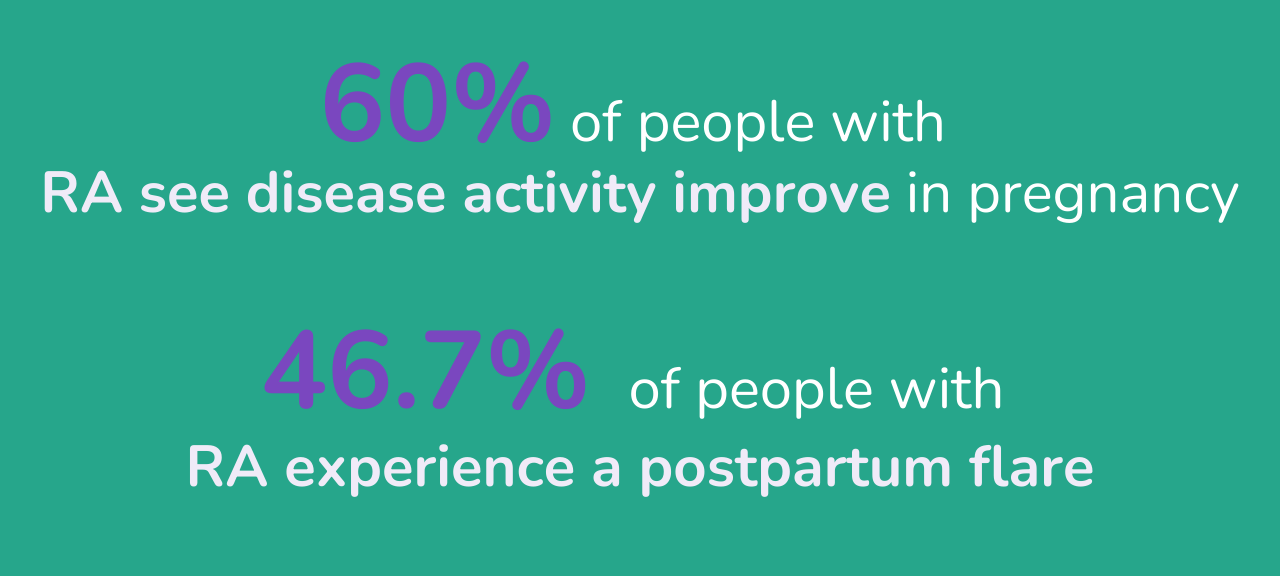
RA can cause complications in pregnancy, although if RA is well controlled for 3-6 months before becoming pregnant, the chance for complications tends to be lower than it is for people with more active RA. Untreated active RA increases the chance for complications such as preterm birth, preeclampsia (a pregnancy-related condition characterized by a dangerous rise in blood pressure and problems with kidney function), and low birth weight. Because pregnancies are more successful when RA is well controlled, staying on a medication that works for you is important for your health and the health of the pregnancy – but there are also some medications that should be avoided. Be sure to talk to your healthcare provider about all of your pregnancy and breastfeeding questions.

[People] who have uncontrolled rheumatoid arthritis may be at increased risk of complications such as preterm birth and babies that are small for their gestational age. This may increase the likelihood that the baby requires more medical care early in life.

Arthritis Foundation

Please see our library of resources below on RA during pregnancy and breastfeeding.

External Resources

Partners


Antibiotics

High Cholesterol in Pregnancy & Breastfeeding: What You Need to Know

Disclaimer: This page houses important information and resources pertaining to high cholesterol during pregnancy and while breastfeeding, including links to our evidence-based Fact Sheets. However, the resources here should not replace the care and advice of a medical professional.

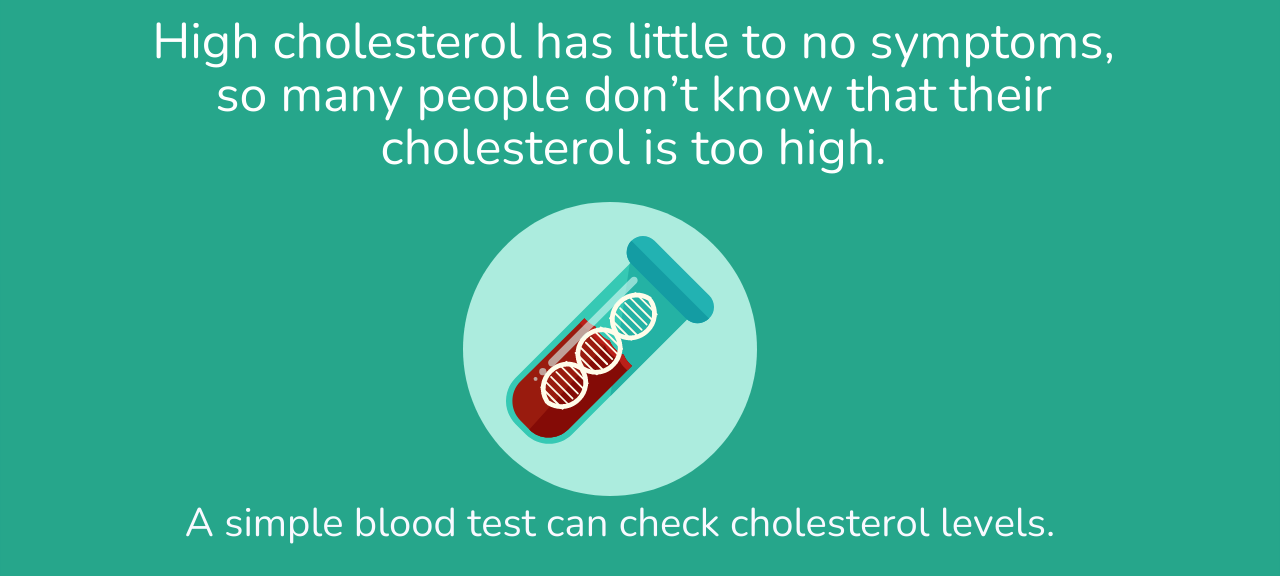
Cholesterol is a waxy substance found in our blood. Our bodies need it to build healthy cells, and when a person is pregnant extra cholesterol is needed for two reasons: (1) to fuel the rapid growth of the baby and the placenta; and (2) to make estrogen and progesterone, hormones that are vital for carrying a pregnancy to term. The changes in a person’s body that occur during pregnancy naturally cause an increase in total cholesterol. 

Reference: Centers for Disease Control and Prevention

However, too much “bad cholesterol” (called LDL, or low-density lipoproteins) can increase the risk of heart disease, which can lead to heart attacks or strokes. Whether high cholesterol levels are caused by lifestyle factors (such as a poor diet or smoking), medical conditions (such as diabetes or polycystic ovary syndrome), or by genetic factors inherited through families (like Familial Hypercholesterolemia, or FH), they need to be managed during pregnancy for the health of both the person who is pregnant and their baby. Lifestyle changes like exercise, not smoking, and eating a healthy diet are often the first line of defense against high cholesterol, but sometimes medications are needed when lifestyle alone won’t bring cholesterol levels down to healthy levels.

“Cholesterol increases significantly during pregnancy by about 25-50%. [People] with FH experience the same increase, but since they are starting out at a much higher baseline, they can get extremely high cholesterol during pregnancy.”

FH Foundation

Check out our library of resources below on high cholesterol during pregnancy and breastfeeding.

External Resources

Partners


Antibiotics

Follow Your Gut – We Have the Info You Need on IBD, Pregnancy, & Breastfeeding

Disclaimer: This page houses important information and resources pertaining to IBD during pregnancy and while breastfeeding, including links to our evidence-based Fact Sheets. However, the resources here should not replace the care and advice of a medical professional.

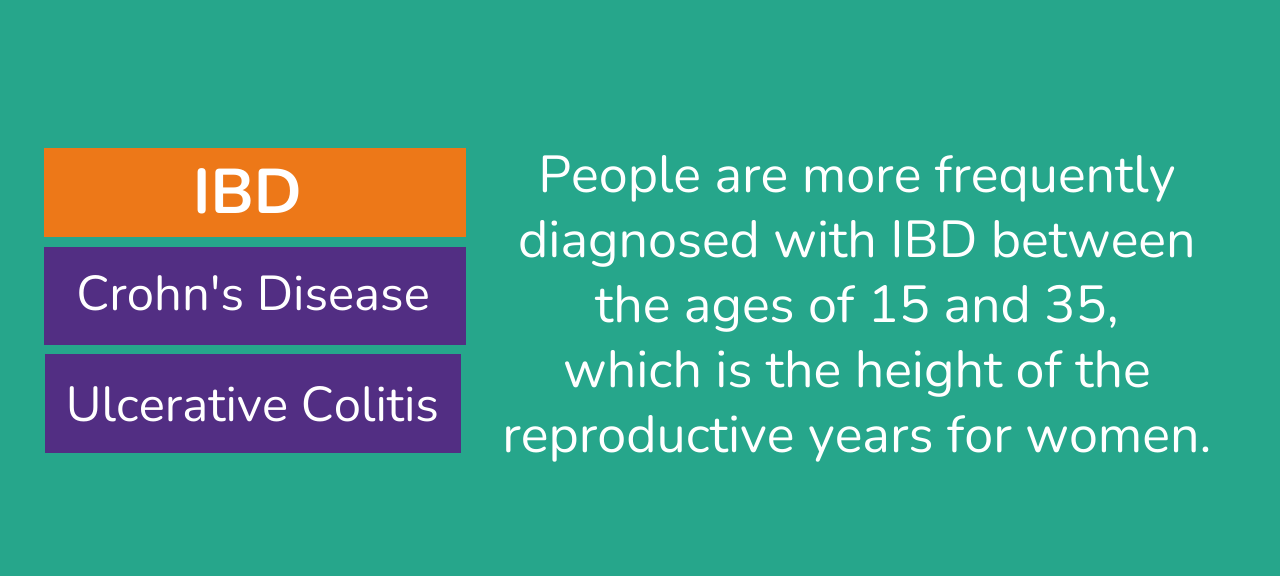
Inflammatory bowel disease (IBD) is an umbrella term for conditions that cause chronic inflammation in the gastrointestinal (GI) tract. The two most common forms of IBD are Crohn’s disease and ulcerative colitis. Symptoms can include abdominal pain, vomiting, diarrhea, and weight loss. Most studies find that the risk of birth defects does not seem to be increased in people with IBD. However, people with active disease may have a harder time getting pregnant and may have a greater risk of pregnancy-related complications, like premature birth or having a low birth weight baby.

Reference: Crohn’s & Colitis Foundation: The Facts about Inflammatory Bowel Diseases

There are many types of medications used to treat IBD. The risk of taking them during pregnancy has to be weighed against the benefits of keeping IBD inactive, which is important because a flare can be associated with risks during pregnancy. Be sure to discuss treatment options with your gastroenterologist when planning your pregnancy, or as soon as you learn that you are pregnant.

“If you are a [person] with IBD, it is important to understand how the events in a [person’s] life- menses, pregnancy, and menopause-can affect the course of your disease, and how your disease, in turn, can affect these milestones.”

Chrohn’s & Colitis Foundation

Please see our library of resources below on IBD during pregnancy and breastfeeding.

External Resources

Partners