Morning Sickness – Nausea & Vomiting in Pregnancy

The Queasy Side of Expecting a Baby

Disclaimer: This page houses important information and resources pertaining to nausea and vomiting during pregnancy and while breastfeeding, including links to our evidence-based Fact Sheets. However, the resources here should not replace the care and advice of a medical professional.

Pregnancy comes with a lot of changes to the body that can cause some welcome and unwelcome symptoms. Perhaps one of the most dreaded symptoms is the one that could have you feeling nauseous for weeks – if not months. Nausea and vomiting of pregnancy (NVP) is extremely common; in fact, up to 4 out of every 5 pregnant people will experience it. Although it is often called “morning sickness”, NVP can actually happen at any time of the day. . NVP can disrupt women’s lives, interfering with normal activities and work. Further, because it is so common, many people including doctors may dismiss complaints from pregnant people. Experts suggest that perhaps treating it early will prevent NVP from getting much worse and becoming a condition called hyperemesis gravidarum (HG), which happens to about 2% of pregnant people. With HG, excessive nausea and vomiting can lead to dehydration as well as electrolyte and nutritional imbalances that may require hospitalization. HG is much more difficult to treat so trying to get a handle on it early is the healthiest choice.

Nausea and vomiting of pregnancy usually doesn’t harm the fetus, but it can affect your life, including your ability to work or go about your normal everyday activities. There are safe treatment options that can make you feel better and keep your symptoms from getting worse

— American College of Obstetricians and Gynecologists 

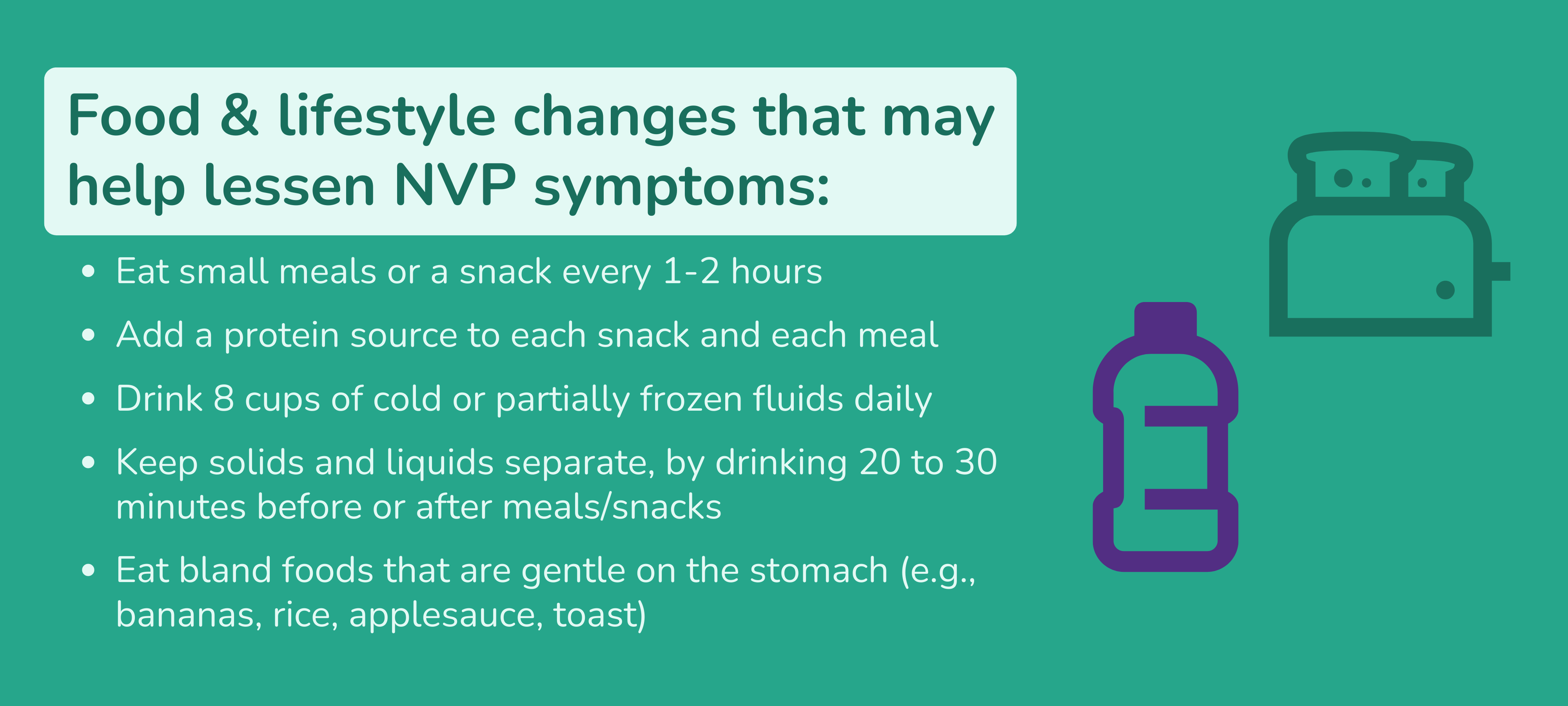
So what should a queasy parent-to-be do? Thankfully, there are food and lifestyle changes (see our Infographic) as well as medications that may help lessen the symptoms of NVP. Just keep in mind that no single therapy is going to help 100% of pregnant people with NVP, and some people might need a combination of lifestyle changes and medications to experience symptom relief. The important part is talking with your healthcare provider about your symptoms and how they are impacting you.
Please see our library of resources below on NVP during pregnancy and breastfeeding.

External Resources

Partners


Morning Sickness – Nausea & Vomiting in Pregnancy

Relieving the Strain During Pregnancy & Breastfeeding

Disclaimer: This page houses important information and resources pertaining to constipation during pregnancy and while breastfeeding, including links to our evidence-based Fact Sheets. However, the resources here should not replace the care and advice of a medical professional.

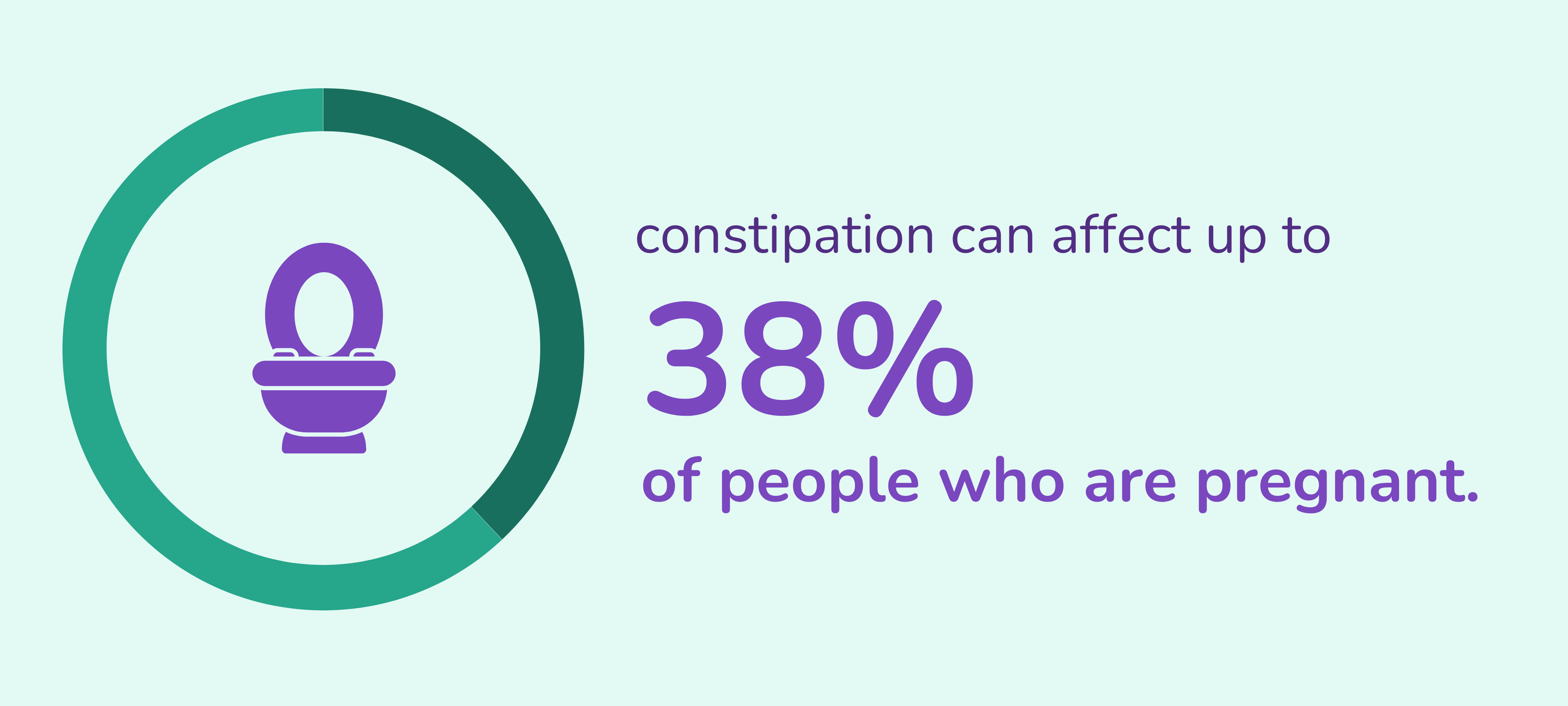
It’s common, but uncomfortable, to experience constipation when pregnant – in fact, it’s the 2nd most common gastrointestinal complaint about pregnancy! Constipation can start in the first trimester and worsen throughout pregnancy as progesterone levels rise. Other culprits include prenatal vitamins that contain iron, decreasing activity levels as pregnancy advances, low fiber intake, and inadequate water intake. While constipation often improves after delivery, it may continue to be an issue if you take certain medications for post-partum pain or prenatals while breastfeeding. Some women may have a pre-existing history of chronic constipation, in which they experience certain symptoms for more than 3 months at a time. For these women, constipation and its treatment needs to be navigated before, during, and after pregnancy. Understanding constipation and its treatment is essential for women and their developing babies, no matter if it is an occasional or chronic issue.

Constipation is a common symptom during pregnancy. The majority of cases are simple constipation that occurs due to a combination of hormonal and mechanical factors affecting normal GI function. However, a number of women suffer from constipation prior to conception and find their symptoms worsen during pregnancy.

Cullen & O’Donoghue. Best Pract Res Clin Gastroenterol. 2007;21(5):807-18.

For some women, dietary changes such as increasing fluids and eating high fiber foods can help prevent constipation, as can regular exercise. Although occasional constipation is common, talk with your health provider if it has been or becomes an ongoing issue. Our resources will help you and your provider navigate constipation treatments so you can make more informed decisions for a healthier – and more comfortable – pregnancy.

Reference: Trottier et al., 2012

Join Our Functional Constipation Study

If you’re pregnant and have either chronic idiopathic constipation (CIC) or irritable bowel syndrome with constipation (IBS-C), please consider enrolling into our observational study to give moms-to-be better answers about how functional constipation and its management can affect a pregnancy and a developing baby. You will not be asked to take or change any medications, and you can participate from the comfort of your home.

Please see our library of resources below on constipation during pregnancy and breastfeeding.

External Resources

Partners


Morning Sickness – Nausea & Vomiting in Pregnancy

About Opioid Use During Pregnancy & Breastfeeding

Disclaimer: This page houses important information and resources pertaining to opioid exposure during pregnancy and while breastfeeding, including links to our evidence-based Fact Sheets. However, the resources here should not replace the care and advice of a medical professional.

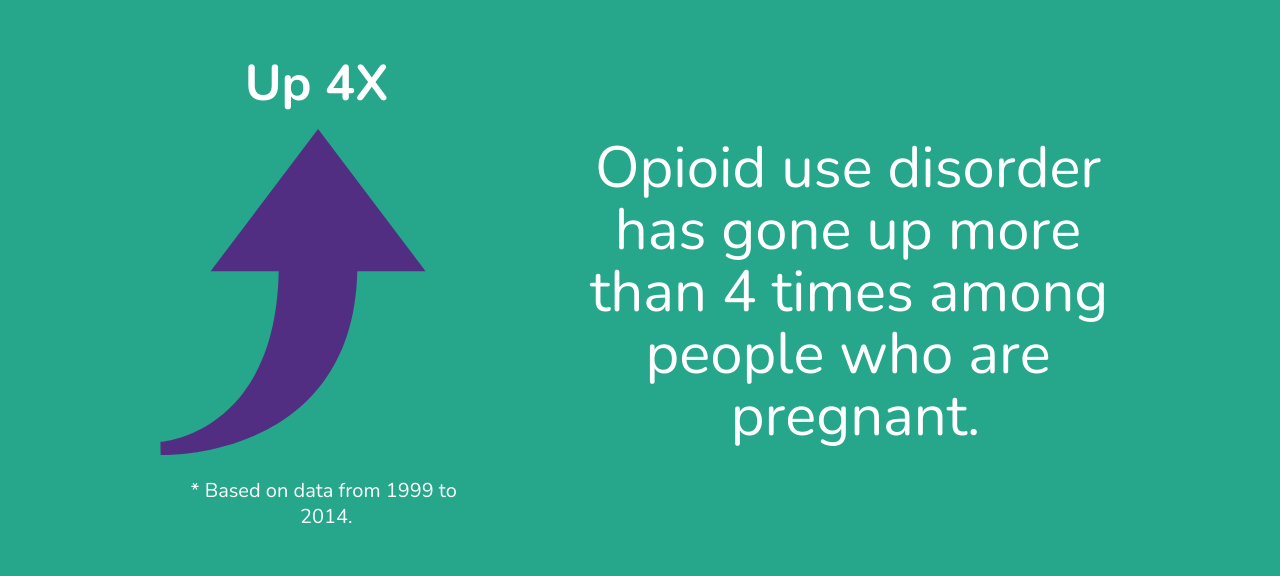
Opioids are drugs that relieve pain, sometimes called narcotics. Opioids include prescription pain relievers such as oxycodone (OxyContin®), hydrocodone (Vicodin®), codeine, and morphine (among others); synthetic opioids such as fentanyl; the illegal street drug heroin; and drugs that may be taken as part of medication-assisted treatment of an opioid use disorder such as methadone and buprenorphine.

The high rates of prescription and illicit opioid use are a significant public health concern, not only for [people who are pregnant and/or breastfeeding], but also for their infants. Opioids have the ability to cross placental and blood-brain barriers, thereby

Lind et al., 2017

Opioid exposure during pregnancy has been linked to some adverse health effects for both people who are pregnant and their babies, including increased risk of maternal death, poor fetal growth, preterm birth, stillbirth, certain birth defects, and neonatal abstinence syndrome (also called neonatal opioid withdrawal syndrome). Opioid use while nursing may also pose some risk to a breastfed infant, as many opioids pass into breast milk. Use of some opioids in breastfeeding can cause the baby to be very sleepy and have trouble latching on. They may also cause breathing problems for the infant, and in some cases have resulted in infant death.

“On an almost daily basis I take care of [people] struggling with opioid addiction or dependency in pregnancy and the post-partum period,” says Sarah Obican, MD, a MotherToBaby expert and a Maternal-Fetal Medicine Subspecialist at the University of South Florida. Dr. Obican knows she’s not alone as the opioid epidemic rages on in America; it’s a crisis she and our other birth defects experts are trying to curb.

Reference: Centers for Disease Control and Prevention (CDC), 2018

Please see our library of resources below on opioid exposures during pregnancy and breastfeeding.

External Resources

Partners


Morning Sickness – Nausea & Vomiting in Pregnancy

When the Itch Won’t Stop During Pregnancy or While Breastfeeding

Disclaimer: This page houses important information and resources pertaining to eczema during pregnancy and while breastfeeding, including links to our evidence-based Fact Sheets. However, the resources here should not replace the care and advice of a medical professional.

Reference: Hanifin et al., 2007

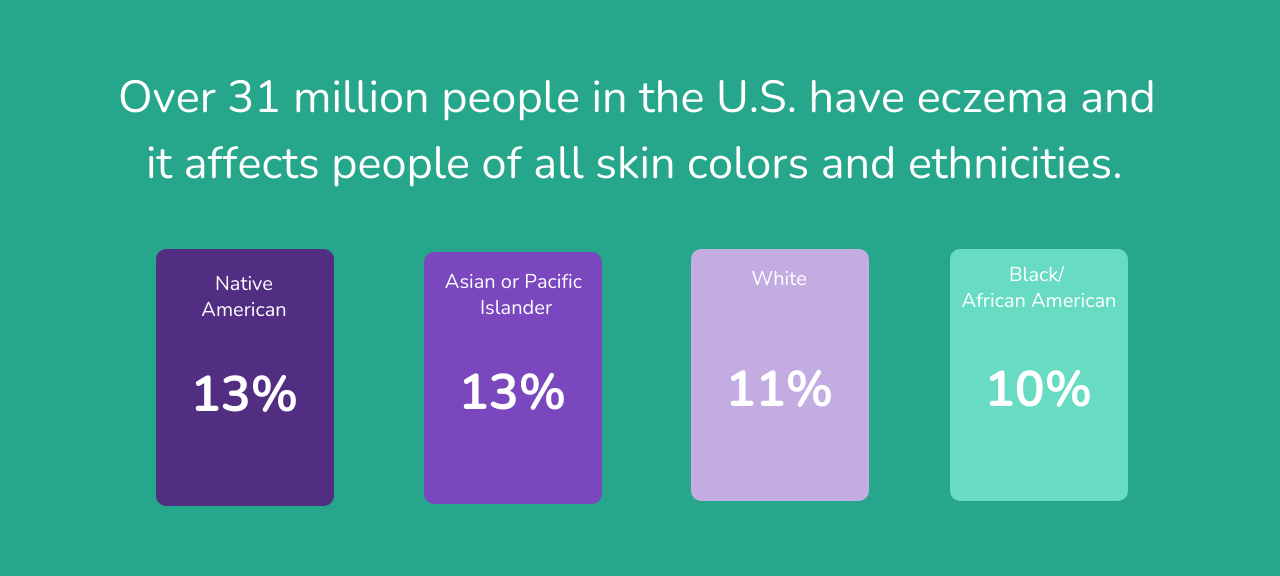
Eczema is a group of conditions that cause the skin to become itchy or inflamed and can cause red or darker colored patches during a flare-up. The most common form of eczema is atopic dermatitis, which is a more severe and long-lasting form of eczema. Common triggers for an eczema flare include dry skin, environmental irritants and allergens, stress, and hormones. This last one is particularly relevant for people who are pregnant and/or breastfeeding, as changing hormone levels (specifically estrogen) can cause a worsening of symptoms during pregnancy.

“Having a healthy pregnancy is within reach, even when eczema is on the warpath. During pregnancy and after childbirth, a [person] needs to be well-nourished, well-rested and as free from stress as possible. Excellent self-care is the greatest gift a [person] can give [themselves] and [their] newborn.”

National Eczema Association

Join Our Eczema Study

If you’re pregnant and have moderate-to-severe eczema (atopic dermatitis), please consider enrolling into our observational study to give people better answers about how eczema and its management can affect a pregnancy and a developing baby. You will not be asked to take or change any medications, and you can participate from the comfort of your home. 

Please see our library of resources below on eczema exposure during pregnancy and breastfeeding.

External Resources

Partners


Morning Sickness – Nausea & Vomiting in Pregnancy

Sniffling & Sneezing Your Way through Colds & Flu when Pregnant or Breastfeeding

Disclaimer: This page houses important information and resources pertaining to colds and the flu during pregnancy and while breastfeeding, including links to our evidence-based Fact Sheets. However, the resources here should not replace the care and advice of a medical professional.

The common cold may have you looking for medications you can use to treat symptoms such as cough, sore throat, congestion, sneezing, and fever. Over-the-counter products that you normally reach for without a second thought may now give you pause when you’re pregnant or breastfeeding. Although many cold medications are not expected to increase pregnancy or breastfeeding risks with short-term use, some medications may be preferred over others. Always talk to your healthcare provider before taking any medications, and check out our resources if you’re looking for information about a specific active ingredient.

Normal changes in the immune system that occur during pregnancy may increase your risk of flu complications. You also have a higher risk of pregnancy complications, such as preterm labor and preterm birth, if you get the flu. You are more likely to be hospitalized if you get the flu while you are pregnant than when you are not pregnant. Your risk of dying from the flu is increased as well.

American College of Obstetricians and Gynecologists

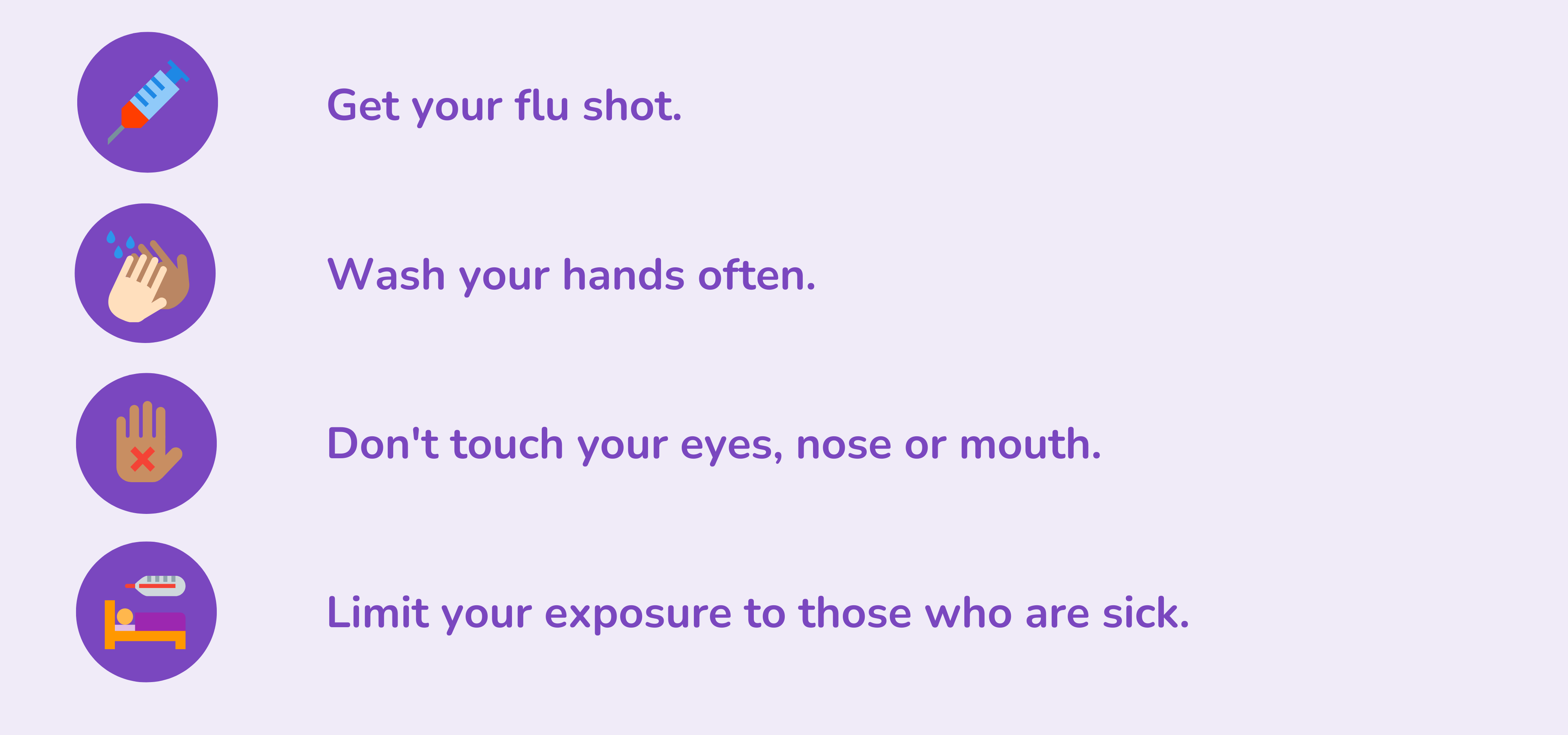
Getting sick with the flu in any trimester of pregnancy can be quite serious. Being pregnant increases the chance of having a more severe case of the flu, which could lead to pregnancy complications. If you think you have the flu, talk to your healthcare provider right away about the safest ways to treat your symptoms. Also keep in mind that when it comes to the flu, an ounce of prevention is definitely worth a pound of cure! The flu shot is recommended for pregnant and breastfeeding women to protect both mom and baby. Studies of thousands of pregnancies from all over the world have found no increased chance for birth defects or other pregnancy complications from the flu shot.

Reference: Food & Drug Administration

Please see our library of resources below on colds and flu exposure during pregnancy and breastfeeding.

External Resources

Partners