
Beyond the Virus: Your Questions during the Era of COVID-19

As the coronavirus that causes COVID-19 continues to spread, pregnant and breastfeeding women are understandably concerned. Many of your recent calls, chats, texts, and emails to MotherToBaby have been about the virus itself and how it might affect a developing baby or breastfed infant (more about that on our COVID-19 fact sheet). But we’re also hearing related concerns about how to stay safe and healthy while pregnant or breastfeeding during the pandemic. Here, we answer some of the most common questions we’re getting during this uncertain time:

FAQs

Can I use supplements to boost my immunity?

We’re receiving even more inquiries than usual about using supplements such as elderberry, zinc, and vitamin C to “boost immunity.” Unfortunately, there is no good data to suggest that these supplements have a protective effect against coronavirus. Additionally, the use of supplements in pregnancy and lactation comes with potential concerns.

The first concern is the lack of regulation. Dietary supplements do not require the same oversight by the Food and Drug Administration (FDA) as medications do, which means that supplement manufacturers do not have to prove the safety and effectiveness of their products before they hit the shelves. Supplements may be contaminated with other ingredients (such as prescription medications or lead), and differences may be found between the amount or ingredient listed on the label and what is actually in the product.

The second concern about supplements is that usually they are not well studied for use in pregnancy and lactation. Without good research, we just don’t know how something like elderberry might affect a developing baby or breastfed infant. Mega-doses of any vitamin (like the 1000 mg of vitamin C commonly found in some supplements) are of particular concern as they are much higher than what is recommended for pregnant or breastfeeding women in a single day. Generally speaking, if you are eating a healthy diet and taking a prenatal vitamin, you are probably covering all your vitamin and mineral needs. Taking additional supplements might present increased risks to your pregnancy or your breastfed baby, with no clear evidence that they would effectively boost your immunity. You can read more on our Herbal Products Fact Sheet.

Are cleaning products safe for me and my baby?

The Centers for Disease Control and Prevention (CDC) recommend cleaning and disinfecting high-touch surfaces as one way to help prevent exposure to the virus. This means wiping down doorknobs, light switches, desks, faucets, electronics, and more… but does all this exposure to cleaning products increase risks to a pregnancy or a breastfed baby?

Our previous Baby Blog on household cleaners explains that when you use cleaning products as directed, the actual exposure to your developing baby or breastfed infant is likely to be quite low. Even if you can smell the fumes, brief inhalation while cleaning generally won’t allow for much absorption of these kinds of compounds into your blood. Likewise, your skin is a surprisingly good barrier that prevents significant absorption of cleaning products through the skin. Any chemicals that might get into your blood through inhalation or skin contact typically won’t reach the developing baby or get into your breastmilk in any meaningful quantity. Working in a ventilated area and wearing gloves when using cleaning products can further reduce your exposure, and help prevent respiratory and skin irritation. And of course, wash your hands after cleaning.

Should I still go to my prenatal appointments?

You’ve read you should stay home as much as possible since this virus can spread easily from person to person. This is true, but your prenatal appointments are still important! These visits are vital opportunities for your provider to assess the health of your pregnancy and identify any issues that might affect you or your developing baby. Some healthcare providers are offering some appointments virtually (over the internet) or spreading out the time between appointments a bit longer than normal. But sometimes you will have be seen in person, especially for screenings, labs, and vaccines, such as the flu shot and Tdap vaccine that help protect both mom and baby against serious illness.

If you haven’t already, talk to your pregnancy care provider about any changes to your upcoming appointments. For virtual visits, ask what technology (phone, laptop, etc.) you will need to connect with your provider, and write down a list of questions so you don’t forget to ask anything. Just like a regular appointment, it can be helpful to have someone “come along” virtually to help make sure all your concerns are addressed. For in-person visits, your provider may ask that you come alone (no partner, no kids). While there, try to stay at least 6 feet away from other patients in the waiting room, wear a cloth face cover, and don’t forget to wash your hands! For more prevention tips, check out guidance from the CDC here.

Why have they delayed my fertility procedure?

Many kinds of medical procedures are being put on hold as a way to help prevent the spread of coronavirus and reserve essential medical supplies for critical medical care. For this reason, the American Society for Reproductive Medicine has made the difficult decision to suspend initiation of new treatment cycles (intrauterine insemination or IUI and in vitro fertilization or IVF) for the time being. We completely empathize with anyone who gets this news. When you’ve been trying to get pregnant and each passing month feels like another missed opportunity, a setback like this is the last thing you want. During this difficult but necessary delay, make sure to continue practicing healthy habits like staying active, avoiding alcohol, and taking a prenatal vitamin with at least 400 mcg of folic acid every day. That way, you’ll be ready to go once you get the green light that IUI and IVF treatments are back on.

I still have to go to work every day. What can I do to avoid getting COVID-19?

If you aren’t able to work from home, you might be worried that going in to work could increase your chance of contact with the virus. How true this is might depend on your job situation. If you have contact with the public at work and you are pregnant or breastfeeding, you could talk to your employer about being temporarily reassigned to another role that limits your contact with other people. However, not every workplace will be able to accommodate this request. CDC workplace recommendations for everyone include strategies such as not shaking hands, wiping down frequently-touched surfaces, limiting in-person meetings, maintaining at least 6 feet of distance between you and people with whom you need to interact, not sharing food, and of course, staying home if you are sick. In addition, CDC guidelines recommend wearing a cloth face covering when you may be near other people to help reduce the spread of the virus.

If you are a pregnant healthcare worker, be sure your employer knows you are pregnant before you provide any direct patient care to a person with confirmed or suspected COVID-19. When possible, and depending on staffing needs, management should consider limiting your exposure to these patients. This is especially true if you perform procedures with a higher chance of coming into contact with a patient’s respiratory droplets (such as intubation). If you do provide care to a patient with confirmed or suspected COVID-19, be sure to follow the Infection Control guidelines for all healthcare personnel. Our fact sheet on Reproductive Hazards of the Workplace can answer additional questions about staying safe at work during pregnancy and while breastfeeding.

I’m stressed! Can this affect my pregnancy?

With the constant news stream about the pandemic, it can be tough not to feel anxious or depressed during this time. Plus, social distancing means that many women are separated from their support network of friends and family members. Add in trying to work from home with a partner and/or kids, and it’s easy to see why many women are feeling stressed out! We discussed mental health and COVID-19 at length in our recent podcast episode, which you can listen to here.

One big takeaway from the podcast? Some studies suggest that ongoing stress and uncontrolled depression or anxiety during pregnancy can increase the chance of outcomes such as preterm birth and low birth weight. So, if you feel like your mental health is suffering because of this pandemic, we encourage you to reach out to your healthcare provider (maybe virtually!) to figure out the best approach for treatment. Some women can benefit from making simple changes in their daily habits (like watching less news and getting more fresh air), while others might need to use a medication to help manage their symptoms. If that’s the case, MotherToBaby can share with you what is known about your particular antidepressant or anti-anxiety medication in pregnancy and/or lactation.

Whatever your concerns about COVID-19 or other exposures might be, please know that MotherToBaby is here for you with evidence-based answers. Please reach out to us with your questions. We’re all in this together.
Beyond the Virus: Your Questions during the Era of COVID-19

By Patricia Olney, MS, CGC

“I think I’ll go out to the garage and work on the car for a while.” This was Daniel’s reaction after the birth of his second child with spina bifida. His wife, Rebecca, cried uncontrollably.
Sarah was born in 1989 after a healthy pregnancy, filled with the anticipation of first time parents. The nursery was decorated, the crib was set up, and an overnight bag packed. The only thing Rebecca didn’t anticipate was a preterm delivery, c-section, and a baby born with a severe birth defect.

My oldest son was also born in 1989. Rebecca and I shared the same excitement, dreams, and hopes for a healthy baby. We ate a balanced diet, took our prenatal vitamins, exercised regularly, and attended childbirth classes. We talked about whether we wanted an epidural or not, a home birth, or delivery by a midwife. Our husbands advocated for a hospital birth…just in case there was a problem during delivery.

Rebecca remembers the details as if it happened yesterday. On the eve of March 24th, Rebecca’s amniotic sac ruptured. Her first thought was “Oh no, I wet the bed!” She didn’t realize it was not her urine, but amniotic fluid. She woke Daniel and frantically called her OB. On the way to the hospital, Rebecca was sobbing. She was scared, and worried. What if all the amniotic fluid leaked out? Daniel tried to be reassuring—her OB was a very competent doctor. Sarah was born the next morning by c-section at 34 weeks and quickly whisked away to the NICU by the neonatologist. The preterm delivery was now the least of their worries. Their baby was born with spina bifida.

Rebecca and Daniel were shocked, then angry, and found themselves searching for answers. The book “What to Expect When You’re Expecting” didn’t cover having a baby with a birth defect. After a long discussion with the neonatologist, they learned Sarah had a type of neural tube defect called myelomeningocele. They heard the words…”she may have neurologic deficits below the level of the defect, and may develop hydrocephalus.” Sarah eventually developed hydrocephalus, wasn’t able to walk, and didn’t have bowel or bladder control.

Spina bifida is a type of neural tube defect (NTD) that affects the spine, or spinal cord. With this condition, the neural tube does not close completely. Myelomeningocele is the most serious type of spina bifida—a sac of fluid with part of the spinal cord comes through an opening in the baby’s spine damaging the nerves. Neural tube defects happen in the first month of pregnancy, often before a woman even knows that she is pregnant.

At first, Rebecca and Daniel couldn’t imagine having another child since Sarah required so much care, but two years after Sarah’s birth, Rebecca and Daniel decided they wanted Sarah to have a sibling. They consulted their OB and decided to have a blood test that screens for neural tube defects called maternal serum AFP. They didn’t want to have an amniocentesis, a more sensitive test for NTDs, because of the small chance of miscarriage. Plus, they never thought it could happen twice.

Emma was born in June of 1991 with a less severe type of spina bifida, lower on her spine than Sarah’s. At that time, the maternal AFP blood test detected about 80-85% of NTDs. Prenatal ultrasound may not detect one that is small, and covered with skin. In general, when the opening is lower along the spine, fewer nerves are damaged, resulting in less serious disability.

A worldwide effort to prevent recurrence and occurrence of neural tube defects began in the early 1990’s. Women who had a pregnancy that resulted in a baby with an NTD have an increased risk of 2-3% to have another affected pregnancy. In August 1991, U.S. Public Health Service provided guidelines for women who already had a pregnancy affected with a NTD. The guidelines called for consumption of 4 milligrams (4000 micrograms) of folic acid daily beginning one month before trying to get pregnant and continuing through the first three months of pregnancy (CDC: MMWR; Aug. 2, 1991).

Folic acid is a water-soluble B vitamin. Foods that are naturally high in folic acid include leafy vegetables, fruits (such as bananas, melons, and lemons) beans, yeast, mushrooms, meat (such as beef), orange juice, and tomato juice. Most women would not consume enough folic acid by diet alone.

In order to reduce the frequency of NTDs and their resulting disability, in September, 1992, the U.S. Public Health Service recommended:

“All women of childbearing age in the United States who are capable of becoming pregnant should consume 0.4 mg (400 micrograms) of folic acid per day for the purpose of reducing their risk of having a pregnancy affected with spina bifida or other NTDs. Because the effects of higher intakes are not well known but include complicating the diagnosis of vitamin B12 deficiency, care should be taken to keep total folate consumption at less than 1 mg per day, except under the supervision of a physician. Women who have had a prior NTD-affected pregnancy are at high risk of having a subsequent affected pregnancy. When these women are planning to become pregnant, they should consult their physicians for advice (CDC MMWR: September 11, 1992).”

In 1998, the Institute of Medicine’s Food and Nutrition Board added this to the recommendation:

“To reduce their risk for an NTD-affected pregnancy, women capable of becoming pregnant should take 400 micrograms of synthetic folic acid daily, from fortified foods or supplements or a combination of the two, in addition to consuming food with folate from a varied diet.”

Since 1998, folic acid has been added to cold cereals, flour, breads, pasta, bakery items, cookies, and crackers, as required by federal law. CDC reports that fortification is now mandatory practice in 57 countries and voluntary in many others. Three key results are:

• World-wide, at least 22,000 fatal or disabling birth defects such as spina bifida are prevented annually. That’s 60 babies a day.
• Countries around the world report 30% to 70% declines in NTDs after fortification begins.
• Countries save millions of dollars in healthcare cost when spina bifida is prevented.

Since one-half of U.S. pregnancies are unplanned and because these birth defects occur very early in pregnancy (3-4 weeks after conception), CDC recommends all women of childbearing age consume folic acid daily. CDC estimates that most of these birth defects could be prevented if this recommendation were followed before and during early pregnancy. Rebecca and Daniel could never change what happened to their babies, but sharing their story may help spread the word about the benefits of folic acid.

Questions? For your FREE personalized risk assessment, call MotherToBaby toll-FREE (866) 626-6847 or email an expert here. MotherToBaby is a service of the international non-profit Organization of Teratology Information Specialists (OTIS), a society that supports and contributes to worldwide initiatives for teratology education and research. MotherToBaby affiliates and OTIS are suggested resources by many agencies, including the Centers for Disease Control and Prevention (CDC), and are dedicated to providing evidence-based information to mothers, health care professionals, and the general public about medications and other exposures during pregnancy and while breastfeeding. Learn more at MotherToBaby.org.

Pat Olney

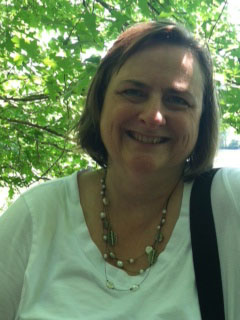
Patricia Olney, MS, is a certified genetic counselor and pregnancy risk specialist at MotherToBaby Georgia, Emory University. She received her masters degree at the University of California, Berkeley and has practiced genetic counseling for more than 25 years. MotherToBaby GA is funded by the Georgia Department of Behavioral Health and Developmental Disabilities.


Beyond the Virus: Your Questions during the Era of COVID-19

We Can Help You as You Support Lactating Patients

MotherToBaby supports lactation consultants as they help patients achieve their breastfeeding goals. People who are planning to breastfeed and newly postpartum parents often have a litany of questions about how best to meet their nursing baby’s needs – and some of those questions may center on how a breastfeeding person’s exposures could impact their baby. Examples of such exposures could include but are not limited to medications that a person may need to take, foods or beverages they consume, infections a person may contract, or vaccines they may need to receive.

Exposures are different for every person, and the bottom line is we all want what is healthy for baby and healthy for the person who is pregnant. Our resources are no-cost and patient-friendly, and will help you understand when an exposure should be avoided or if a person can confidently breastfeed their baby. No matter if your client has a preexisting illness, a medical problem that requires diagnostics or medication treatment, or has questions about substance use, we are here to provide you with evidence-based information on exposures during lactation as well as pregnancy.

In the face of any possible contraindication to breastfeeding, the tremendous benefits of being breastfed should be compared with the theoretic risk for the hazard involved and a decision made on an individual basis.

Lawrence & Lawrence, 2001

Explore how we can help you and your pregnant and breastfeeding patients by providing no-cost exposure risk assessments, patient education materials, observational studies to monitor pregnancy outcomes, and more.


Beyond the Virus: Your Questions during the Era of COVID-19

By LauraAnne Hirschler, BS, OMS4 with help from Casey Rosen-Carole, MD, MPH, MSEd, FABM and Rogelio Perez-D’Gregorio, MD, MS

As an infant, I received the gift of life in the form of a liver transplant. Growing up, I remember taking a multitude of medications that just became part of my daily life. As the years went on, my immune system became stronger, the transplant check-ups became farther and farther in between. As the years went by, I found myself taking an extremely low dose of one immunosuppressant called tacrolimus. Inspired by my personal journey as a transplant patient, I went to medical school with a passion to care for patients as my healthcare providers had cared for me. During my training as a physician, I began to become interested in how the medicines that a person needs to take can impact pregnancy and breastfeeding.

With this interest in women’s health, I pursued a rotation in Breastfeeding and Lactation Medicine. I worked alongside an amazing team of lactation specialists to help patients achieve their breastfeeding goals. I reviewed the medications that new moms were prescribed to make sure that they would address the medical needs of the mom and also have the lowest risk of impacting their developing baby. With a desire for a family of my own, I wanted to learn more about taking tacrolimus while breastfeeding. I saw firsthand how beneficial breastfeeding was and wondered if taking this medication multiple times per day would pose any risk for my developing baby. Would I ever be able to breastfeed?

Tacrolimus (Prograf®, Envarsus®,  Astagraf®) is a medicine used by people who have had a transplant, like liver, kidney, or heart transplants. It helps prevent the body from rejecting the new organ. It’s usually taken as a pill, but it can also be taken as an IV, as a liquid, or applied to the skin for conditions like eczema.

I found that research studies have shown promising evidence that breastfeeding while taking tacrolimus is most likely not of concern for breastfed children. One study looked at a mom who took tacrolimus twice a day. After one dose, scientists checked her breast milk and found a very small amount of tacrolimus in the milk. The amount was much lower than what is given directly to babies who need the medication.

One study involved a breastfeeding heart transplant patient who took tacrolimus throughout her pregnancy and after birth. When her baby turned one month old, tacrolimus blood levels were measured in both mom and baby. This baby’s tacrolimus levels were extremely low.

Another study examined three exclusively breastfed infants and one partially breastfed infant whose mothers took oral tacrolimus. Researchers measured tacrolimus amounts in these infants between age of 15-27 days of life. None of the babies had detectable tacrolimus levels in their blood. 

One of the largest studies was performed by the National Transplantation Pregnancy Registry. It looked at 68 mothers who had liver or kidney transplants. The study followed 83 babies, some for as long as 16 years. None of the babies had medical problems related to their mother’s use of tacrolimus.

Tacrolimus is also used in cream form for conditions like eczema. The good news is that the risk of this cream affecting a breastfeeding baby is very low because only a small amount of the cream enters the mom’s body. However, if the cream is applied to the nipple, it should be cleaned off before the baby nurses. If a topical nipple treatment is needed, some experts recommend pimecrolimus cream over tacrolimus because it does not contain paraffin. Other treatments such as hydrocortisone ointments are better studied and are usually used first.

Breastfeeding while taking tacrolimus has been shown to be a low risk for breastfed babies. Since breast milk has many health benefits for babies, healthcare providers recommend moms who are taking tacrolimus breastfeed their babies. As with any health condition, a discussion with your healthcare provider is needed to weigh risks and benefits to determine the right choice for your family.

After learning more about the safety of breastfeeding while taking tacrolimus, I feel empowered and encouraged to breastfeed my future children, especially since breastmilk is so healthy and nourishing for babies.

References/Resources


Beyond the Virus: Your Questions during the Era of COVID-19

By Men-Jean Lee, MD, a maternal-fetal medicine physician and member of MotherToBaby’s sister society, the Society for Maternal-Fetal Medicine

From gender reveal parties to pregnancy photoshoots and prenatal massage, pregnancies are being celebrated in new and sometimes extravagant ways. The travel trend of “babymoons” continues to grow in popularity and most go off without a hitch. Unfortunately, as a maternal-fetal medicine physician in Hawaii, I’ve seen my fair share of trips that do not go according to plan. If pregnant, consult your doctor or midwife, especially when flying or traveling far from home. Also keep these tips in mind if you are a considering a babymoon.

Women with high-risk pregnancy issues should consult their local maternal-fetal medicine physician to discuss any medical and obstetrical issues before putting a deposit down for babymoon. And what do you do if you end up being grounded? Save the money for a really fabulous push present!

Men-Jean Lee, MD, is a maternal-fetal medicine physician and associate professor at the John A. Burns School of Medicine at the University of Hawaii at Manoa practicing at the Kapiolani Medical Center for Women and Children. She is a member of MotherToBaby’s sister society, the Society for Maternal-Fetal Medicine, the only national, professional organization specifically devoted to reducing high-risk pregnancy complications. Dr. Lee’s research interests include maternal stress during pregnancy, diabetes, immigrant healthcare, and placental biology.

  1. Bring Your Medications…And Use Them
    Do you need medications that you can only get in the U.S.? Certain life-saving medications cannot be obtained in other parts of the world. Or maybe you are supposed to be checking your blood sugars if you are pregnant and have diabetes? Just because you are on holiday, doesn’t mean you can let yourself go! Stick to your carb-controlled diet and your insulin, so that you don’t end up in a hospital where there is not a medical intensive care unit.
  2. Is Your Pregnancy “High Risk”?
    Are you pregnant with twins or triplets? Did you deliver any of your older children earlier than 37 weeks? If so, you are at increased risk of preterm birth. Be aware that if you go into preterm labor on the beaches of Hawaii, you might get stranded and hospitalized in paradise until the babies are born! And if they are born “premie” or prior to 36 weeks, you might need to book a hotel to stay there until the babies are big enough to fly home.
  3. Don’t Fly After 36 weeks…and for Some women, Don’t Fly at All
    Are you at the end of your pregnancy? Experts recommend that most pregnant women stop flying once they’ve reached 36 weeks gestation. Air travel is not recommended at any time during pregnancy for women who have medical or obstetric conditions that may be exacerbated by a flight or that could require emergency care (e.g. a history of DVT [blood clot in a vein] or a pulmonary embolus [blood clot in the lung], stroke, heart attack, uterine cramping, leakage of fluid from the vagina, shortened cervix, or vaginal bleeding). If you have one of these conditions or if your doctor told you it’s not safe, stay close to your OB care provider and the hospital where you plan to deliver.
  4. Be Mindful of Zika “Hot Spots”
    The Zika virus poses serious threats to your developing baby (for more info, see MotherToBaby’s Zika Virus Fact Sheet). If your idea of the perfect babymoon is a tropical getaway, check to see if your destination has Zika-bearing mosquitoes. Parts of Mexico, South America, and most Caribbean islands are still on the Zika watch list. Unless you and your partner are committed to trading in your sunscreen for insect repellant or staying indoors with the windows closed, you might want to book a trip to picturesque Prince Edward Island!
  5. Skip the Glass of Wine
    While in vacation mode, you may be tempted to indulge in a glass of wine, a beer, or a margarita, but don’t do it. There is no known safe level of alcohol consumption during pregnancy. Prenatal exposure to alcohol is the leading preventable cause of birth defects and developmental disabilities. Check out MotherToBaby’s Alcohol Fact Sheet for more info.

Women with high-risk pregnancy issues should consult their local maternal-fetal medicine physician to discuss any medical and obstetrical issues before putting a deposit down for babymoon. And what do you do if you end up being grounded? Save the money for a really fabulous push present!

Men-Jean Lee, MD, is a maternal-fetal medicine physician and associate professor at the John A. Burns School of Medicine at the University of Hawaii at Manoa practicing at the Kapiolani Medical Center for Women and Children. She is a member of MotherToBaby’s sister society, the Society for Maternal-Fetal Medicine, the only national, professional organization specifically devoted to reducing high-risk pregnancy complications. Dr. Lee’s research interests include maternal stress during pregnancy, diabetes, immigrant healthcare, and placental biology.