Multiple Sclerosis

Pregnancy and Breastfeeding with Multiple Sclerosis: Exposure Information You Can Trust

Disclaimer: This page houses important information and resources pertaining to multiple sclerosis during pregnancy and while breastfeeding, including links to our evidence-based Fact Sheets. However, the resources here should not replace the care and advice of a medical professional.

Multiple sclerosis (MS) is a condition in which the body’s own immune system incorrectly attacks the protective sheath (called myelin) that covers nerve fibers in the brain and spinal cord. This interferes with how the brain communicates with the rest of the body, and can eventually cause permanent damage to the nerves. Because the nerve damage can happen at any part of the brain or spinal cord, the symptoms of MS are unpredictable and can vary; they can also appear and then worsen over time, or they can appear and then disappear (remit). The most common symptoms of MS include but are not limited to fatigue, numbness or tingling, vision problems, weakness, balance issues, and problems with memory and concentration.

There are fewer MS relapses during pregnancy, especially in the second and third trimesters. Changes that take place in a [person’s] body during pregnancy are believed to contribute to less inflammation, less MS activity and fewer relapses.

National Multiple Sclerosis Society

MS is most commonly diagnosed between the ages of 20-50, which for women is the peak of the reproductive years. It is important that you discuss treatment options with your healthcare providers when planning pregnancy, or as soon as you learn that you are pregnant. Always talk with your healthcare providers before stopping any medication.
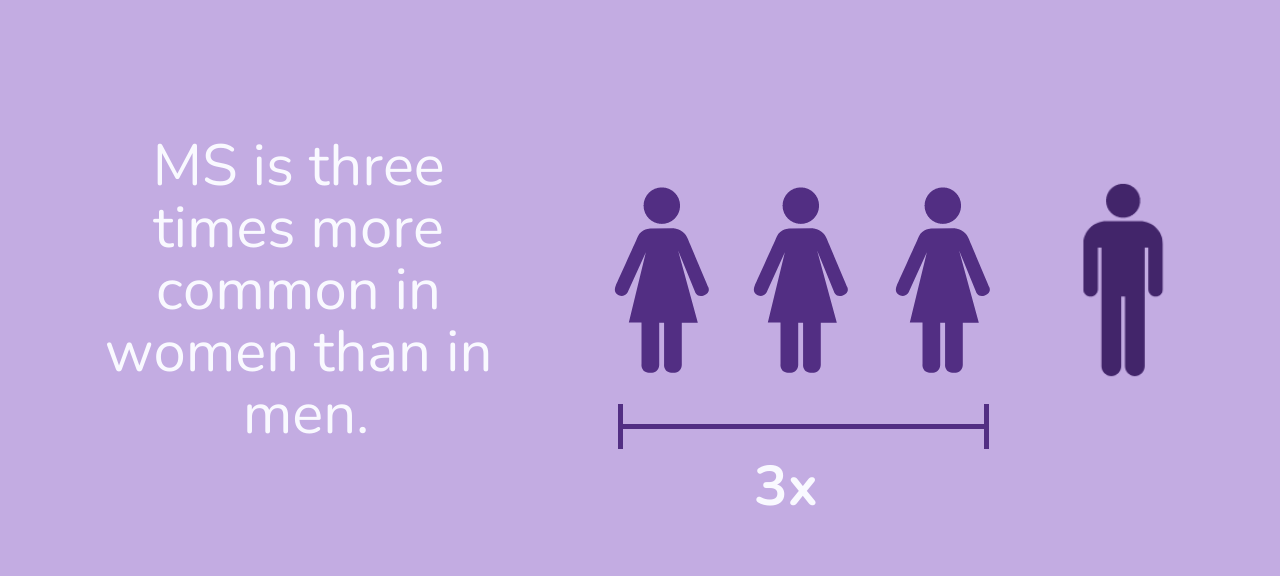
Reference: National Multiple Sclerosis Society: Who Gets MS?

Join Our Multiple Sclerosis Study

If you’re pregnant and have MS, please consider enrolling into our observational study to give people better answers about how MS and its management can affect a pregnancy and a developing baby. You will not be asked to take or change any medications, and you can participate from the comfort of your home.

Please see our library of resources below on MS during pregnancy and breastfeeding.

External Resources

Partners


Multiple Sclerosis

When Pesky Allergies from Pollens or Pet Dander Cause Problems

Disclaimer: This page houses important information and resources pertaining to allergies during pregnancy and while breastfeeding, including links to our evidence-based Fact Sheets. However, the resources here should not replace the care and advice of a medical professional.

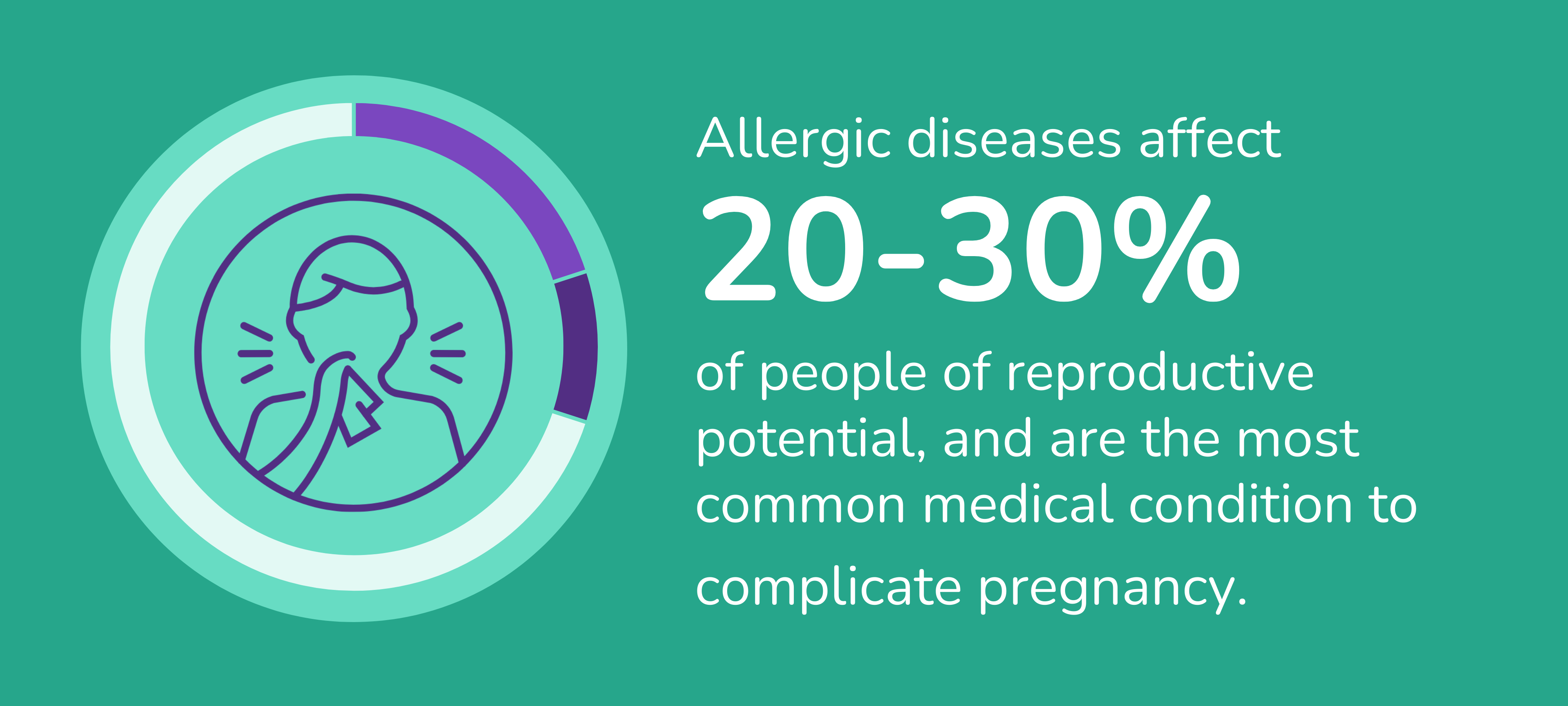
Ah, spring, summer, and fall – beautiful seasons to be enjoyed in much of the world, but they can also be miserable if you are an allergy sufferer! Unfortunately, pollens, mold spores, and even the dander from our family fur babies can bring on pesky symptoms like sneezing, runny nose, and red, itchy eyes. Luckily, there are a plethora of prescription and over-the-counter medication options to treat allergy symptoms. But what should you do if you are pregnant or breastfeeding?

An allergist/immunologist can tell you which asthma and allergy medications are the safest and most effective to take throughout pregnancy. Make an appointment with an allergist soon after you discover you are pregnant to develop or review your personal treatment plan and to give you peace of mind.

American Academy of Allergy, Asthma, and Immunology.

There are non-medication options that may alleviate allergy suffering, such as avoiding the outdoors during certain times of day, wearing a face mask to prevent inhaling allergens, using high quality air filters in your home, rinsing your sinuses with a saline nose spray, or washing Fido on a weekly basis to reduce allergy-causing dander. But when your symptoms don’t respond to these efforts, talk to your healthcare provider about the best treatment options and check out our resources if you’re looking for information about a specific active ingredient.

Last, people with asthma need to be particularly careful as the same allergens that cause allergy symptoms may also cause asthma symptoms – and uncontrolled asthma has been linked with poorer pregnancy outcomes, like preterm birth (delivery before you reach 37 weeks), pregnancy loss, and low birth weight. See our Asthma page for more information and resources.

Reference: Gilbert et al. Drug Saf. 2005;28(8):707-19.

Please see our library of resources below on allergies during pregnancy and breastfeeding.

External Resources

Partners


Multiple Sclerosis

A Known Cause of Lifelong Birth Defects

Disclaimer: This page houses important information and resources pertaining to alcohol during pregnancy and while breastfeeding, including links to our evidence-based Fact Sheets. However, the resources here should not replace the care and advice of a medical professional.

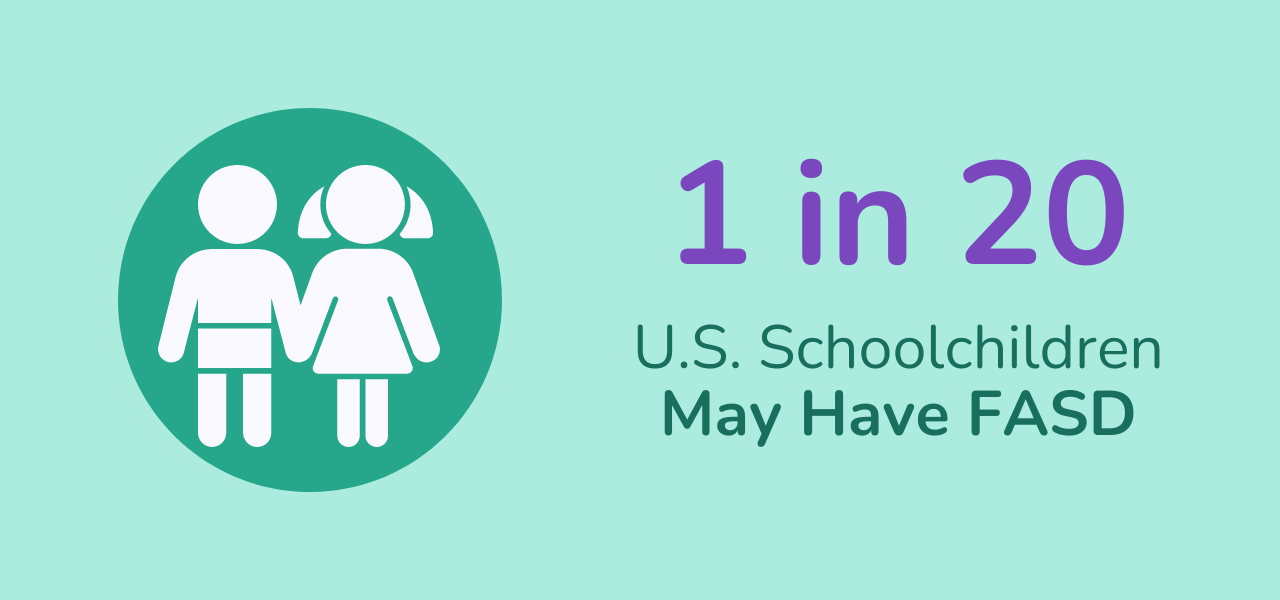
Alcohol is known to cause birth defects when it is consumed during pregnancy. It especially targets a baby’s brain, which is developing throughout all 40 weeks of pregnancy. There is no known safe level of alcohol use during pregnancy, and there is no type of alcohol that is safe to use. Alcohol crosses the placenta easily and reaches the developing baby. Exposure to alcohol during pregnancy can cause a range of life-long physical defects and intellectual, learning and behavioral difficulties that are known as Fetal Alcohol Spectrum Disorders (FASD). Affected individuals have mild-to-severe challenges meeting developmental milestones at home, in school, at work, and in society.

Alcohol consumed by a person who is breastfeeding can also be found in their breastmilk. The amount of alcohol found in breastmilk is about the same level of alcohol that is found in a person’s bloodstream. Things like pumping and discarding milk, drinking water, taking caffeine, or exercising do not help your body get rid of the alcohol faster; only time can reduce the amount of alcohol in breastmilk.

Of all the substances of abuse—including cocaine, methamphetamine, heroin and marijuana—alcohol produces by far the most serious neurobehavioral effects in a developing baby.” 

— Institute of Medicine

Please see our library of resources below on alcohol exposure during pregnancy and breastfeeding.

External Resources

Partners


Multiple Sclerosis

The Pretty and the Not-so-pretty of Cosmetics and Cosmetic treatments

Disclaimer: This page houses important information and resources pertaining to cosmetics exposures during pregnancy and while breastfeeding, including links to our evidence-based Fact Sheets. However, the resources here should not replace the care and advice of a medical professional.

Cosmetics is a word commonly used by the public to refer to personal care products however, the FDA has a specific category for products it regulates as cosmetics. Cosmetics are a pretty broad category; they can include (but are by no means limited to) the following:

  • Make-up, face and body lotions and cleansers, and perfumes
  • Hair treatments like hair dye, chemical straighteners, or Brazilian blowouts keratin hair smoothing treatment
  • Cosmetic dental treatments like teeth whiteners
  • Nail treatments like nail polishes and removers, acrylic and gel nails, and manicures and pedicures
  • Body hair removal procedures, like waxing and hair removal creams
  • Tattoos and permanent makeup

Some “personal care products” are both cosmetics and drugs because of their ingredients. Types of personal care products that include both cosmetics and drugs include:

  • Sunscreens, deodorants, and antiperspirants
  • Stretch mark creams and ointments to treat irritated and cracking nipples
  • Acne treatment and hair products to treat dandruff

Considering how many products are listed as cosmetics, how many cosmetic products can be found in our homes and, how many people visit the salon for cosmetic treatments, it’s fair to say that likely all pregnant people have exposure to at least one cosmetic.

In the U.S., cosmetic products do not have to be approved by the Food and Drug Administration before they are sold on the market. This means that when you’re pregnant or breastfeeding and you are looking for safety information on the cosmetic products that you like to use, you may want to consult with trusted experts like your healthcare provider or our MotherToBaby information specialists. If you are using a personal care product with an ingredient listed as a drug by the FDA, more information may exist and we can help you though this information, too.

People use cosmetics to keep clean and enhance their beauty. These products range from lipstick and nail polish to deodorant, perfume, hairspray, shampoo, shower gel, tattoos, hair adhesives, hair removal products, hair dyes, most soaps, some tooth whiteners, and some cleansing wipes. It’s important to use cosmetics products safely.

— U.S. Food and Drug Administration

Under the authority of the Fair Packaging and Labeling Act (FPLA), the FDA requires ingredients be listed on cosmetic products sold at the retail level to consumers. Consumers can learn about what ingredients are in the personal care products by reading the ingredients listed on the labels, and use this list to manage exposures. Parabens, sulfates, and phthalates have gained recent attention for being found in everyday items including cosmetics. At the present time, no adverse health hazards have been identified for pregnant people from exposure to these chemicals however, if a consumer wants to limit exposure to these or other chemicals they can do so by consulting the ingredients list.

Talk with your healthcare provider about your cosmetic concerns, any products you are using, or any treatments/procedures you’re thinking about having. You can also visit our library of resources below.

External Resources

Partners


Multiple Sclerosis

How Zika Virus Infection Impacts Pregnancy & Breastfeeding

Disclaimer: This page houses important information and resources pertaining to Zika virus infection during pregnancy and while breastfeeding, including links to our evidence-based Fact Sheets. However, the resources here should not replace the care and advice of a medical professional.

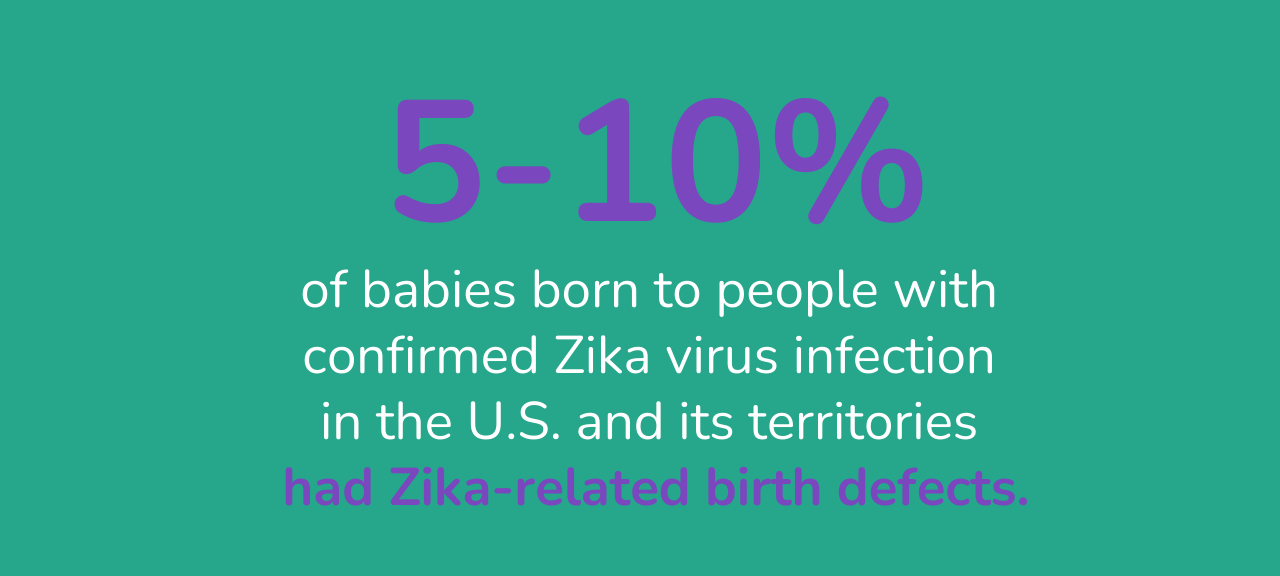
Zika is a virus that is usually spread by infected mosquitoes, but can also be spread through sexual contact with an infected partner or blood transfusions with infected blood. In addition, if a person gets Zika during pregnancy, the virus can pass to the developing baby. Four out of 5 people who are infected with Zika do not have any symptoms – but they can still pass the virus to others through sexual contact or to a developing baby in pregnancy.

Reference: Reynolds et al., 2017 and Shapiro-Mendoza et al., 2017

Babies who are exposed to Zika during pregnancy have an increased chance of certain birth defects and developmental problems known as “congenital Zika syndrome” (CZS). Babies who have CZS can have a very small head and brain, severe brain defects, eye defects, hearing loss, seizures, and/or problems with joint and limb movement. Zika infection in pregnancy can also increase the chance of miscarriage or stillbirth.

Zika virus has been found in breast milk, but there are no reports of infants getting Zika from breastfeeding. Based on current information, experts believe that the benefits of breastfeeding outweigh any potential risks of Zika infection through breastfeeding.

The only way to completely prevent Zika infection during pregnancy is to not travel to areas with risk of Zika and to use precautions or avoid sex with someone who has recently traveled to a risk area.”

Centers for Disease Control and Prevention (CDC)

Please see our library of resources below on Zika during pregnancy and breastfeeding. You can also download or order our bilingual Zika Information Rack Card by visiting our Materials Request Form.

External Resources

Partners