MotherToBaby Secures Vital Funding to Empower Expectant Parents and Address Birth Defects

MotherToBaby is the Leading National Resource on Exposures during Pregnancy and Breastfeeding

BRENTWOOD, TN – The non-profit Organization of Teratology Information Specialists (OTIS), which provides the MotherToBaby free service, receives new funding aimed at enhancing partnerships to address birth defects, infant disorders and related conditions, and the health of pregnant and postpartum people. The grant is supported by the Centers for Disease Control and Prevention (CDC).

The funding is a five-year award beginning October 1, 2023. “This remarkable funding is a testament to our tireless dedication to staying ahead of the curve when it comes to diseases, infections, and empowering the public with the latest information,” said Alfred Romeo, RN, PhD, President of MotherToBaby. “We are thrilled to collaborate with numerous organizations to amplify the impact of our vital work,” he added.

Great strides will be made under this grant, including collecting and disseminating data, developing and distributing data-driven resources, forging valuable partnerships, and fostering community engagement to raise awareness of the invaluable services provided by MotherToBaby.

“This support is a game-changer, enabling us to further equip pregnant and breastfeeding individuals with crucial information, especially during health crises like the recent COVID-19 pandemic,” Romeo emphasized. “The partnerships we build will help us navigate the next emerging issue affecting people who are pregnant and breastfeeding.”

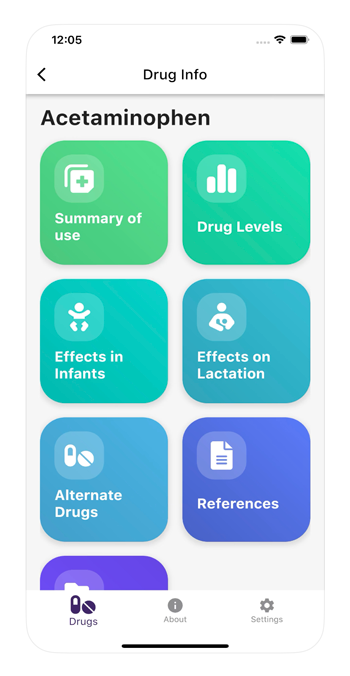
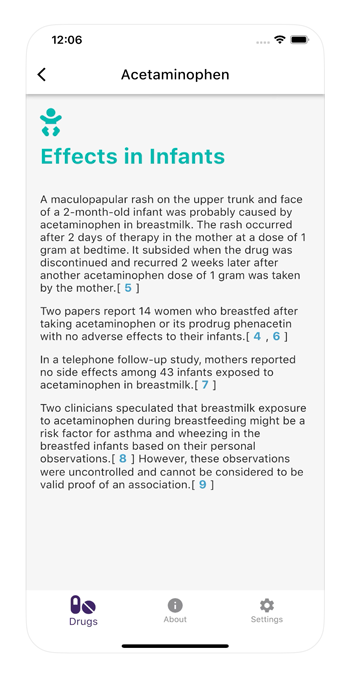
MotherToBaby provides information on exposures, like medications, vaccines, diseases, herbal supplements, occupational exposures and more before and during a pregnancy as well as while breastfeeding. The service is provided through its no-cost helpline 866-626-6847, texting service 855-999-3525 and website www.MotherToBaby.org, where the public can live chat, e-mail an expert or browse a library of fact sheets in English and Spanish. Additionally, MotherToBaby hosts LactRx, a free app providing current information on the use of medications, vaccines, diagnostic agents, and drugs of misuse during breastfeeding. LactRx is available for iPhone and Android.

More about OTIS and MotherToBaby

The Organization of Teratology Information Specialists (OTIS) is a professional scientific society made up of individuals engaged in assessing and evaluating risks to pregnancy and breastfeeding from environmental exposures. Members include, but are not limited to, specialists in the fields of obstetrics and gynecology, pediatrics, genetics, dysmorphology, perinatal epidemiology, teratology, behavioral teratology, pharmacy, genetic counseling, nursing, midwifery, maternal and child health, public health, and includes experts that provide MotherToBaby services and researchers that conduct MotherToBaby Pregnancy Studies. To learn more about MotherToBaby and OTIS, please visit www.MotherToBaby.org

Media Contact: Nicole Chavez, 619-368-3259, nchavez@mothertobaby.org


MotherToBaby Secures Vital Funding to Empower Expectant Parents and Address Birth Defects

Katie recently reached out to us; she told us that she has lupus and has been taking hydroxychloroquine for years to successfully manage her lupus symptoms. Her concern? “I just found out I am pregnant and my rheumatologist was not sure if I can continue taking hydroxychloroquine during pregnancy. I am worried for my baby but I am also worried about stopping my lupus medication since it helps my symptoms so much. I haven’t had a flare in over a year! I can suffer through the flares if I have to, but I don’t want to harm my baby. I don’t know what to do.’

Katie’s concerns about how to balance the management of her chronic health condition against her baby’s health during pregnancy are not uncommon. Generally, the healthier a woman is during pregnancy, the better it is for both them and their baby. When taking medication during pregnancy, the risks and benefits of taking or not taking the medication should be carefully considered. More specifically, could the untreated condition cause more problems than taking the medication?

What is lupus and how could it affect a pregnancy?

Lupus, also known as systemic lupus erythematosus (SLE), is an autoimmune disease that affects many different parts of the body. The symptoms are variable; however, the kidneys, joints, and skin are commonly affected.  It is very important for both the health of the pregnancy as well as the health of the woman who is pregnant to achieve optimal control of lupus and maintain that control without flares (relapses in symptoms) throughout the pregnancy. For those who are planning a pregnancy, it is generally advised that at least 6 months without flares reduces the chances of pregnancy-related problems.

Lupus, especially if not well controlled, can cause serious health complications for both the woman who is pregnant as well as the baby. These complications include nephritis (inflammation of the kidneys that causes difficulty filtering waste from the body) and blood conditions such as anemia (a condition in which you don’t have enough healthy red blood cells to carry adequate amounts of oxygen to your body’s tissues) and thrombocytopenia (a condition in which the blood does not clot as fast as it should, which can cause excess blood loss). Inflammation in the lungs, heart, or brain can also occur and cause serious health problems.

People who have lupus also have a higher chance to develop high blood pressure during pregnancy and preeclampsia (a pregnancy-related condition that has several symptoms including a dangerous rise in blood pressure). People with lupus, most often the ones who develop high blood pressure or other health problems, may also have a higher chance of having a baby with poor growth which can lead to late miscarriage and preterm delivery (delivery before week 37).

Rare complications for the baby may include being born with symptoms of lupus (called neonatal lupus erythematosus (NLE)). These may be temporary and often disappear by six months of age. NLE is mostly seen in children when the pregnant woman has anti-SSA and anti-SSB antibodies. The most serious complication of neonatal lupus is a heart rhythm problem called congenital heart block which can often be detected on ultrasound and may lead to health complications and death. If these antibodies are present, additional ultrasounds for the heart may be recommended.

Katie was surprised. ‘I thought if I stopped my medications my flares would be painful and uncomfortable, but I never thought it could seriously affect my health or the health of my baby. Can you tell me more what is known about taking my lupus medication during pregnancy?’

So what do we know about lupus medications and pregnancy?

Many medications used to treat lupus are not thought to increase risks to a pregnancy over background chances that all pregnant individuals have. Medications work differently for different people. It is very important to talk with your healthcare providers before making any changes to how you take your medication. It is important to consider (with help of a rheumatologist) which medication works best to treat you. Regarding Katie’s question, the Society of Maternal Fetal Medicine (SMFM) recommends continuing the use of hydroxychloroquine during pregnancy. This recommendation is based on studies which did NOT show an increased risk for pregnancy related problems when hydroxychloroquine is used. Additionally, the studies showed a lower chance of lupus related problems during pregnancy when hydroxychloroquine is used.

There are many other medications such as steroids and biologics that lower the body’s immune system (immunosuppressants) that can also be considered for use during pregnancy.  However, certain medications for lupus are not recommended for use during pregnancy because they can increase the chance for birth defects and other pregnancy-related problems. SMFM recommends that methotrexate should be stopped 1-3 months before pregnancy and mycophenolate mofetil/mycophenolic acid should be stopped at least 6 weeks before attempting pregnancy. NSAIDs (non-steroidal anti-inflammatory drugs), such as ibuprofen, high dose aspirin, etc. are not recommended for use during pregnancy.

For information on specific medications make sure you talk with your healthcare provider or contact MotherToBaby and see our medication fact sheets at https://mothertobaby.org/fact-sheets/ . It is very important to talk with your healthcare providers before making any changes to how you take your medication. 

Katie summarized the information she was given very well, ‘It seems like making sure my lupus is well controlled will set both me and my baby up for the highest chance of being healthy. I feel much more comfortable continuing my medication knowing that with my own health, I am helping my baby to be healthy as well. I will talk with my healthcare providers to plan for monitoring both me and the pregnancy. Is there anything else I should know?’

Other info to know about lupus and pregnancy

It’s not uncommon for new medications to be developed for the treatment of lupus. If there is one thing that these new medications have in common, it’s that they very rarely have adequate, real-world data that describes whether the medication is safe to take during pregnancy. Pregnancy registries are the types of studies that give us this information, which is what allows us to provide risk assessments to people like Katie. That’s why we suggest to any pregnant woman with lupus that they consider joining the pregnancy registry for the medication(s) they are taking if one exists. The U.S. Food and Drug Administration (FDA) maintains a list of ongoing pregnancy registry studies on their website. If you’re planning a pregnancy or are already pregnant, now is a great time to find out more about the benefits of joining a lupus pregnancy study.

Women who are pregnant and have lupus will require some additional monitoring during pregnancy. They should be followed by their rheumatologist to make sure their symptoms are well controlled. Additional monitoring during pregnancy such as blood pressure checks, additional lab tests and additional ultrasounds may be recommended. Make sure you talk with your healthcare provider to discuss the management plan for your pregnancy.

Katie returned to MotherToBaby a few weeks later and told us she has been working together with her rheumatologist as well as her obstetric team including a high-risk pregnancy provider (also called Maternal Fetal Medicine (MFM) specialist) to make sure both her and her baby are as healthy as they possibly can be. ‘I felt empowered by being informed, having all my healthcare providers in my corner and knowing that by taking care of myself, I am taking care of my baby too. Thank you, MotherToBaby!’.

For more information about lupus and pregnancy, including links to lupus-related MotherToBaby Fact Sheets, visit our lupus resources page at https://mothertobaby.org/pregnancy-breastfeeding-exposures/lupus/. You can also contact one of our information specialists for a no-cost risk assessment by visiting https://mothertobaby.org/contact/.

If you are pregnant and taking belimumab (Benlysta®) to treat SLE or lupus nephritis, please consider enrolling into our observational study. This study will give women with lupus better answers about how lupus and its management can affect a pregnancy and a developing baby. You will not be asked to take or change any medications, and you can participate from the comfort of your home.

MotherToBaby Secures Vital Funding to Empower Expectant Parents and Address Birth Defects

Bringing Breastfeeding Professionals Access to LactMed for Exposure Information On-the-Go

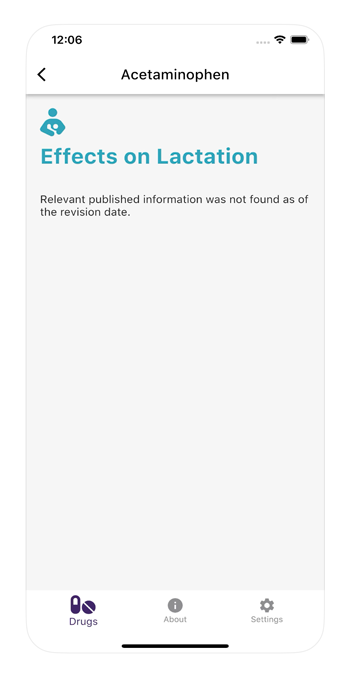
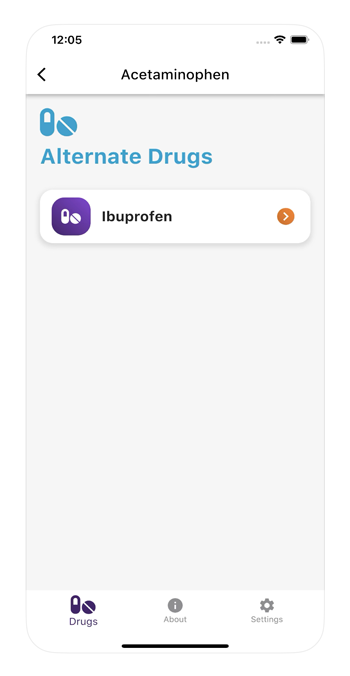
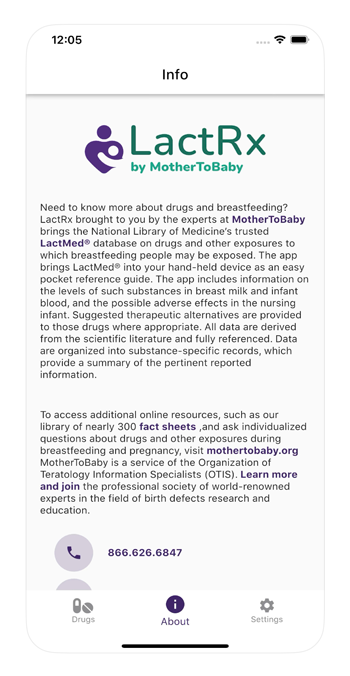
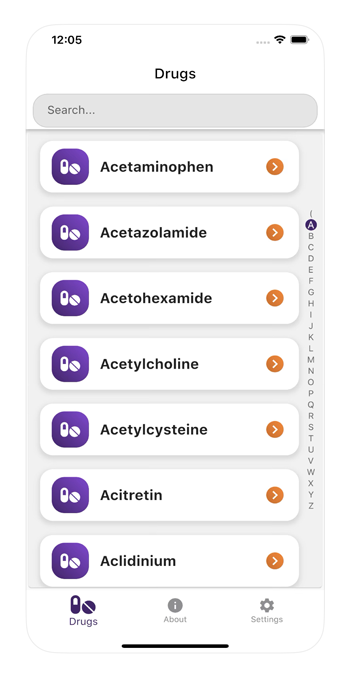
LactRx by MotherToBaby is a free app providing current information on the use of medications, vaccines, diagnostic agents & drugs of misuse during breastfeeding. The LactRx app provides easy access to the LactMed database, a resource from the National Library of Medicine (NLM). The LactRx app provides access to the LactMed database, which has information on the use of medications, vaccines, diagnostic agents & drugs of abuse during breastfeeding that is updated monthly.

Download the LactRx App

iPhone

Android

History of LactRx App Development

In 2019 the NLM announced that the LactMed app was being discontinued. The announcement prompted a discussion between Phil Anderson, PharmD, FASHP, UC San Diego clinical professor and author of LactMed and Christina Chambers, PhD, MPH, MotherToBaby Past President and Mommy’s Milk: Human Milk Biorepository Program Director, about MotherToBaby sponsoring a new app for LactMed. “This was a hugely popular resource with millions of hits,” said Chambers.  Because of this, she saw it as an opportunity for MotherToBaby to help build and host a new app with all of the LactMed information.

In October of 2021, the idea was brought to the leadership of the Organization of Teratology Information Specialists (OTIS), the professional non-profit that provides the MotherToBaby no-cost service. Development commenced and LactRx was born.

“The NLM made the decision to continue supporting web access to LactMed, and to discontinue support for its app. However, in Dr. Anderson’s experience, the app was a very popular and a user-friendly mode of access to the data,” explained Chambers. “In collaboration with NLM, MotherToBaby was given permission to create the LactRx app and, thus, to expand ease of access to this critical information for providers and the public worldwide.”

LactRx by MotherToBaby was launched in 2022 to bring lactation professionals on-the-go access to exposure information that they can count on. This resource is an extension of MotherToBaby’s free services which includes access to information specialists on breastfeeding and pregnancy exposures by phone, text, email, and live chat.

Additional Information

Information presented in the LactRx app is not intended to be a substitute for professional judgment. Users should consult personal healthcare providers for breastfeeding advice related to their particular situation.

MotherToBaby also works closely with the NLM to contribute bilingual (English/Spanish) evidence-based fact sheets regarding medications, vaccines, diseases, herbal supplements, occupational exposures and more during pregnancy and breastfeeding.

MotherToBaby traditionally provides information on exposures before and during a pregnancy as well as breastfeeding through its no-cost helpline 866-626-6847, texting service 855-999-3525 and website MotherToBaby.org, where the public can live chat or e-mail an expert.


MotherToBaby Secures Vital Funding to Empower Expectant Parents and Address Birth Defects

LactRx is sponsored by MotherToBaby, the Leading Resource on Exposures during Pregnancy and Breastfeeding

BRENTWOOD, TN – The non-profit Organization of Teratology Information Specialists (OTIS), through its public-facing service known as MotherToBaby, launches LactRx, a free app providing current information on the use of medications, vaccines, diagnostic agents & drugs of misuse during breastfeeding. The LactRx app provides easy access to the LactMed database, a resource from the National Library of Medicine (NLM).

In 2019 the NLM announced that the LactMed app was being discontinued. The announcement prompted a discussion between Phil Anderson, PharmD, FASHP, UC San Diego clinical professor and author of LactMed and Christina Chambers, PhD, MPH, MotherToBaby Past President and Mommy’s Milk: Human Milk Biorepository Program Director, about MotherToBaby sponsoring a new app for LactMed. “This was a hugely popular resource with millions of hits,” said Chambers.  Because of this, she saw it as an opportunity for MotherToBaby to help build and host a new app with all of the LactMed information.

In October of 2021, the idea was brought to the leadership of the Organization of Teratology Information Specialists (OTIS), the professional non-profit that provides the MotherToBaby no-cost service. Development commenced and LactRx was born.

“The NLM made the decision to continue supporting web access to LactMed, and to discontinue support for its app. However, in Dr. Anderson’s experience, the app was a very popular and a user-friendly mode of access to the data,” explained Chambers. “In collaboration with NLM, MotherToBaby was given permission to create the LactRx app and, thus, to expand ease of access to this critical information for providers and the public worldwide.”

To download LactRx, please click:

iPhone

Android

Information presented in the LactRx app is not intended to be a substitute for professional judgment. Users should consult personal healthcare providers for breastfeeding advice related to their particular situation.

MotherToBaby also works closely with the NLM to contribute bilingual (English/Spanish) evidence-based fact sheets regarding medications, vaccines, diseases, herbal supplements, occupational exposures and more during pregnancy and breastfeeding.

MotherToBaby traditionally provides information on exposures before and during a pregnancy as well as breastfeeding through its no-cost helpline 866-626-6847, texting service 855-999-3525 and website www.MotherToBaby.org, where the public can live chat or e-mail an expert.

More about OTIS and MotherToBaby

The Organization of Teratology Information Specialists (OTIS) is a professional scientific society made up of individuals engaged in assessing and evaluating risks to pregnancy and breastfeeding from environmental exposures. Members include, but are not limited to, specialists in the fields of obstetrics and gynecology, pediatrics, genetics, dysmorphology, perinatal epidemiology, teratology, behavioral teratology, pharmacy, genetic counseling, nursing, midwifery, maternal and child health, public health, and includes experts that provide MotherToBaby services and researchers that conduct MotherToBaby Pregnancy Studies. MotherToBaby is a suggested resource by many federal agencies including the Centers for Disease Control and Prevention (CDC). MotherToBaby is supported by the Health Resources and Services Administration (HRSA) of the U.S. Department of Health and Human Services (HHS) as part of an award totaling $6,000,000 with zero percentage financed with non-governmental sources. The contents of this release are those of the author(s) and do not necessarily represent the official views of, nor an endorsement, by HRSA, HHS or the U.S. Government. To learn more about MotherToBaby and OTIS, please visit www.MotherToBaby.org.  

Media Contact: Nicole Chavez, 619-368-3259, nchavez@mothertobaby.org


MotherToBaby Secures Vital Funding to Empower Expectant Parents and Address Birth Defects

Non-Profit’s Expertise Recognized as Leading Resource on Exposures during Pregnancy and Breastfeeding

September 21, 2022

BRENTWOOD, TN – The non-profit Organization of Teratology Information Specialists (OTIS) through its public-facing service, MotherToBaby, are now contributors to the prestigious National Library of Medicine (NLM) where more than 250 of its bilingual (English/Spanish) evidence-based fact sheets can be found on medications, vaccines, diseases, herbal supplements, occupational exposures and more during pregnancy and breastfeeding.

MotherToBaby provides information on exposures before and during a pregnancy as well as breastfeeding traditionally through its no-cost helpline 866-626-6847, texting service 855-999-3525 and website www.MotherToBaby.org, where the public can live chat or e-mail an expert. “This is just one more way we can ensure pregnant people and healthcare providers can have access to reliable, up-to-date, research-based information so they can make better informed decisions during the child-bearing journey or in cases of adoption,” said Christina Chambers, PhD, MPH, MotherToBaby Past President and UC San Diego professor of pediatrics. “Being a part of the NLM is a testament to the reliability of our resources. We are honored to be contributors.”

For more than 200 years, “the National Library of Medicine has been a partner for biological discovery, clinical care decision-making and healthcare choices in everyday living,” according to its website. The NLM includes health information tools and biomedical literature, such as PubMed. The MotherToBaby Fact Sheets through the NLM can be accessed through public and hospital libraries as well as in schools and clinics. It’s also available at the following link: https://www.ncbi.nlm.nih.gov/books/NBK582980/  

More about OTIS and MotherToBaby

The Organization of Teratology Information Specialists (OTIS) is a professional scientific society made up of individuals engaged in assessing and evaluating risks to pregnancy and breastfeeding from environmental exposures. Members include, but are not limited to, specialists in the fields of obstetrics and gynecology, pediatrics, genetics, dysmorphology, perinatal epidemiology, teratology, behavioral teratology, pharmacy, genetic counseling, nursing, midwifery, maternal and child health, public health, and includes experts that provide MotherToBaby services and researchers that conduct MotherToBaby Pregnancy Studies. MotherToBaby is a suggested resource by many federal agencies including the Centers for Disease Control and Prevention (CDC). MotherToBaby is supported by the Health Resources and Services Administration (HRSA) of the U.S. Department of Health and Human Services (HHS) as part of an award totaling $6,000,000 with zero percentage financed with non-governmental sources. The contents of this release are those of the author(s) and do not necessarily represent the official views of, nor an endorsement, by HRSA, HHS or the U.S. Government. To learn more about MotherToBaby and OTIS, please visit www.MotherToBaby.org.  

Media Contact: Nicole Chavez, nchavez@mothertobaby.org, 619-368-3259