MotherToBaby Secures Vital Funding to Empower Expectant Parents and Address Birth Defects

MotherToBaby is the Leading National Resource on Exposures during Pregnancy and Breastfeeding

BRENTWOOD, TN – The non-profit Organization of Teratology Information Specialists (OTIS), which provides the MotherToBaby free service, receives new funding aimed at enhancing partnerships to address birth defects, infant disorders and related conditions, and the health of pregnant and postpartum people. The grant is supported by the Centers for Disease Control and Prevention (CDC).

The funding is a five-year award beginning October 1, 2023. “This remarkable funding is a testament to our tireless dedication to staying ahead of the curve when it comes to diseases, infections, and empowering the public with the latest information,” said Alfred Romeo, RN, PhD, President of MotherToBaby. “We are thrilled to collaborate with numerous organizations to amplify the impact of our vital work,” he added.

Great strides will be made under this grant, including collecting and disseminating data, developing and distributing data-driven resources, forging valuable partnerships, and fostering community engagement to raise awareness of the invaluable services provided by MotherToBaby.

“This support is a game-changer, enabling us to further equip pregnant and breastfeeding individuals with crucial information, especially during health crises like the recent COVID-19 pandemic,” Romeo emphasized. “The partnerships we build will help us navigate the next emerging issue affecting people who are pregnant and breastfeeding.”

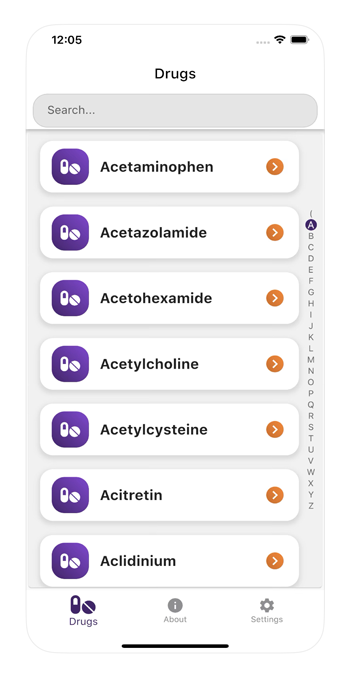
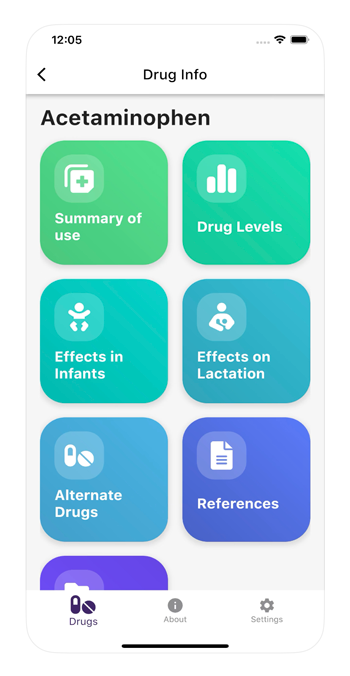
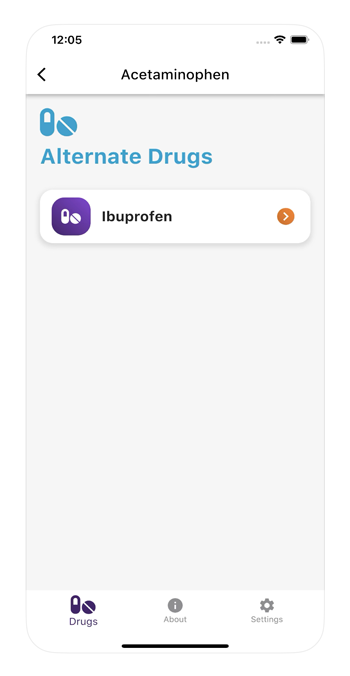
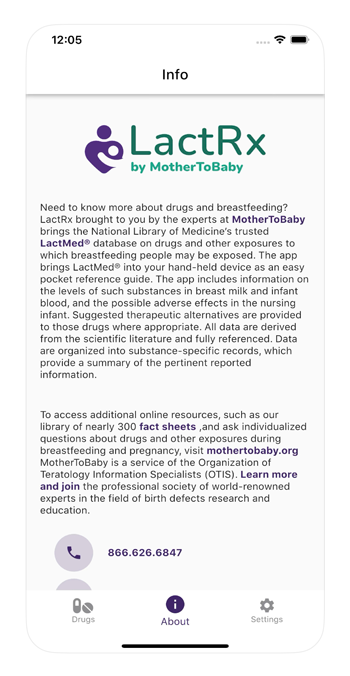
MotherToBaby provides information on exposures, like medications, vaccines, diseases, herbal supplements, occupational exposures and more before and during a pregnancy as well as while breastfeeding. The service is provided through its no-cost helpline 866-626-6847, texting service 855-999-3525 and website www.MotherToBaby.org, where the public can live chat, e-mail an expert or browse a library of fact sheets in English and Spanish. Additionally, MotherToBaby hosts LactRx, a free app providing current information on the use of medications, vaccines, diagnostic agents, and drugs of misuse during breastfeeding. LactRx is available for iPhone and Android.

More about OTIS and MotherToBaby

The Organization of Teratology Information Specialists (OTIS) is a professional scientific society made up of individuals engaged in assessing and evaluating risks to pregnancy and breastfeeding from environmental exposures. Members include, but are not limited to, specialists in the fields of obstetrics and gynecology, pediatrics, genetics, dysmorphology, perinatal epidemiology, teratology, behavioral teratology, pharmacy, genetic counseling, nursing, midwifery, maternal and child health, public health, and includes experts that provide MotherToBaby services and researchers that conduct MotherToBaby Pregnancy Studies. To learn more about MotherToBaby and OTIS, please visit www.MotherToBaby.org

Media Contact: Nicole Chavez, 619-368-3259, nchavez@mothertobaby.org


MotherToBaby Secures Vital Funding to Empower Expectant Parents and Address Birth Defects

Bringing Breastfeeding Professionals Access to LactMed for Exposure Information On-the-Go

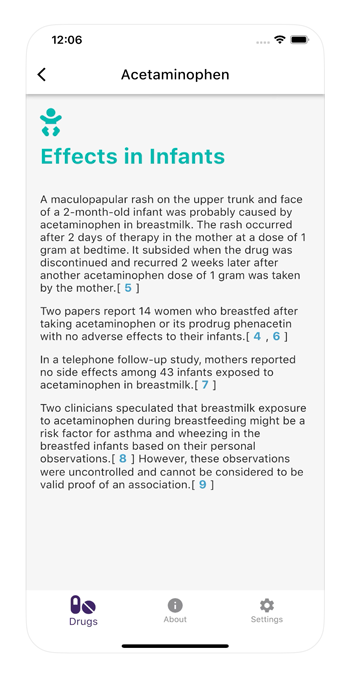
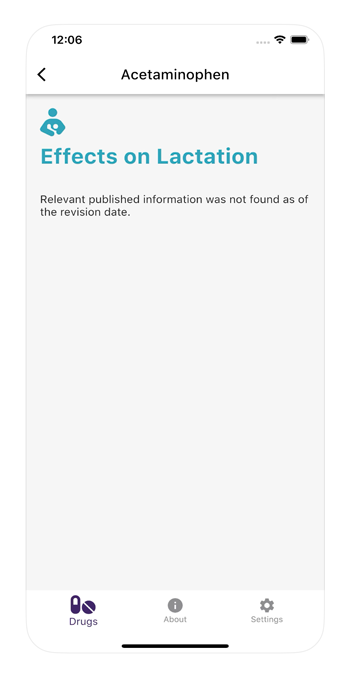
LactRx by MotherToBaby is a free app providing current information on the use of medications, vaccines, diagnostic agents & drugs of misuse during breastfeeding. The LactRx app provides easy access to the LactMed database, a resource from the National Library of Medicine (NLM). The LactRx app provides access to the LactMed database, which has information on the use of medications, vaccines, diagnostic agents & drugs of abuse during breastfeeding that is updated monthly.

Download the LactRx App

iPhone

Android

History of LactRx App Development

In 2019 the NLM announced that the LactMed app was being discontinued. The announcement prompted a discussion between Phil Anderson, PharmD, FASHP, UC San Diego clinical professor and author of LactMed and Christina Chambers, PhD, MPH, MotherToBaby Past President and Mommy’s Milk: Human Milk Biorepository Program Director, about MotherToBaby sponsoring a new app for LactMed. “This was a hugely popular resource with millions of hits,” said Chambers.  Because of this, she saw it as an opportunity for MotherToBaby to help build and host a new app with all of the LactMed information.

In October of 2021, the idea was brought to the leadership of the Organization of Teratology Information Specialists (OTIS), the professional non-profit that provides the MotherToBaby no-cost service. Development commenced and LactRx was born.

“The NLM made the decision to continue supporting web access to LactMed, and to discontinue support for its app. However, in Dr. Anderson’s experience, the app was a very popular and a user-friendly mode of access to the data,” explained Chambers. “In collaboration with NLM, MotherToBaby was given permission to create the LactRx app and, thus, to expand ease of access to this critical information for providers and the public worldwide.”

LactRx by MotherToBaby was launched in 2022 to bring lactation professionals on-the-go access to exposure information that they can count on. This resource is an extension of MotherToBaby’s free services which includes access to information specialists on breastfeeding and pregnancy exposures by phone, text, email, and live chat.

Additional Information

Information presented in the LactRx app is not intended to be a substitute for professional judgment. Users should consult personal healthcare providers for breastfeeding advice related to their particular situation.

MotherToBaby also works closely with the NLM to contribute bilingual (English/Spanish) evidence-based fact sheets regarding medications, vaccines, diseases, herbal supplements, occupational exposures and more during pregnancy and breastfeeding.

MotherToBaby traditionally provides information on exposures before and during a pregnancy as well as breastfeeding through its no-cost helpline 866-626-6847, texting service 855-999-3525 and website MotherToBaby.org, where the public can live chat or e-mail an expert.


MotherToBaby Secures Vital Funding to Empower Expectant Parents and Address Birth Defects

LactRx is sponsored by MotherToBaby, the Leading Resource on Exposures during Pregnancy and Breastfeeding

BRENTWOOD, TN – The non-profit Organization of Teratology Information Specialists (OTIS), through its public-facing service known as MotherToBaby, launches LactRx, a free app providing current information on the use of medications, vaccines, diagnostic agents & drugs of misuse during breastfeeding. The LactRx app provides easy access to the LactMed database, a resource from the National Library of Medicine (NLM).

In 2019 the NLM announced that the LactMed app was being discontinued. The announcement prompted a discussion between Phil Anderson, PharmD, FASHP, UC San Diego clinical professor and author of LactMed and Christina Chambers, PhD, MPH, MotherToBaby Past President and Mommy’s Milk: Human Milk Biorepository Program Director, about MotherToBaby sponsoring a new app for LactMed. “This was a hugely popular resource with millions of hits,” said Chambers.  Because of this, she saw it as an opportunity for MotherToBaby to help build and host a new app with all of the LactMed information.

In October of 2021, the idea was brought to the leadership of the Organization of Teratology Information Specialists (OTIS), the professional non-profit that provides the MotherToBaby no-cost service. Development commenced and LactRx was born.

“The NLM made the decision to continue supporting web access to LactMed, and to discontinue support for its app. However, in Dr. Anderson’s experience, the app was a very popular and a user-friendly mode of access to the data,” explained Chambers. “In collaboration with NLM, MotherToBaby was given permission to create the LactRx app and, thus, to expand ease of access to this critical information for providers and the public worldwide.”

To download LactRx, please click:

iPhone

Android

Information presented in the LactRx app is not intended to be a substitute for professional judgment. Users should consult personal healthcare providers for breastfeeding advice related to their particular situation.

MotherToBaby also works closely with the NLM to contribute bilingual (English/Spanish) evidence-based fact sheets regarding medications, vaccines, diseases, herbal supplements, occupational exposures and more during pregnancy and breastfeeding.

MotherToBaby traditionally provides information on exposures before and during a pregnancy as well as breastfeeding through its no-cost helpline 866-626-6847, texting service 855-999-3525 and website www.MotherToBaby.org, where the public can live chat or e-mail an expert.

More about OTIS and MotherToBaby

The Organization of Teratology Information Specialists (OTIS) is a professional scientific society made up of individuals engaged in assessing and evaluating risks to pregnancy and breastfeeding from environmental exposures. Members include, but are not limited to, specialists in the fields of obstetrics and gynecology, pediatrics, genetics, dysmorphology, perinatal epidemiology, teratology, behavioral teratology, pharmacy, genetic counseling, nursing, midwifery, maternal and child health, public health, and includes experts that provide MotherToBaby services and researchers that conduct MotherToBaby Pregnancy Studies. MotherToBaby is a suggested resource by many federal agencies including the Centers for Disease Control and Prevention (CDC). MotherToBaby is supported by the Health Resources and Services Administration (HRSA) of the U.S. Department of Health and Human Services (HHS) as part of an award totaling $6,000,000 with zero percentage financed with non-governmental sources. The contents of this release are those of the author(s) and do not necessarily represent the official views of, nor an endorsement, by HRSA, HHS or the U.S. Government. To learn more about MotherToBaby and OTIS, please visit www.MotherToBaby.org.  

Media Contact: Nicole Chavez, 619-368-3259, nchavez@mothertobaby.org

MotherToBaby Secures Vital Funding to Empower Expectant Parents and Address Birth Defects

Non-Profit’s Expertise Recognized as Leading Resource on Exposures during Pregnancy and Breastfeeding

September 21, 2022

BRENTWOOD, TN – The non-profit Organization of Teratology Information Specialists (OTIS) through its public-facing service, MotherToBaby, are now contributors to the prestigious National Library of Medicine (NLM) where more than 250 of its bilingual (English/Spanish) evidence-based fact sheets can be found on medications, vaccines, diseases, herbal supplements, occupational exposures and more during pregnancy and breastfeeding.

MotherToBaby provides information on exposures before and during a pregnancy as well as breastfeeding traditionally through its no-cost helpline 866-626-6847, texting service 855-999-3525 and website www.MotherToBaby.org, where the public can live chat or e-mail an expert. “This is just one more way we can ensure pregnant people and healthcare providers can have access to reliable, up-to-date, research-based information so they can make better informed decisions during the child-bearing journey or in cases of adoption,” said Christina Chambers, PhD, MPH, MotherToBaby Past President and UC San Diego professor of pediatrics. “Being a part of the NLM is a testament to the reliability of our resources. We are honored to be contributors.”

For more than 200 years, “the National Library of Medicine has been a partner for biological discovery, clinical care decision-making and healthcare choices in everyday living,” according to its website. The NLM includes health information tools and biomedical literature, such as PubMed. The MotherToBaby Fact Sheets through the NLM can be accessed through public and hospital libraries as well as in schools and clinics. It’s also available at the following link: https://www.ncbi.nlm.nih.gov/books/NBK582980/  

More about OTIS and MotherToBaby

The Organization of Teratology Information Specialists (OTIS) is a professional scientific society made up of individuals engaged in assessing and evaluating risks to pregnancy and breastfeeding from environmental exposures. Members include, but are not limited to, specialists in the fields of obstetrics and gynecology, pediatrics, genetics, dysmorphology, perinatal epidemiology, teratology, behavioral teratology, pharmacy, genetic counseling, nursing, midwifery, maternal and child health, public health, and includes experts that provide MotherToBaby services and researchers that conduct MotherToBaby Pregnancy Studies. MotherToBaby is a suggested resource by many federal agencies including the Centers for Disease Control and Prevention (CDC). MotherToBaby is supported by the Health Resources and Services Administration (HRSA) of the U.S. Department of Health and Human Services (HHS) as part of an award totaling $6,000,000 with zero percentage financed with non-governmental sources. The contents of this release are those of the author(s) and do not necessarily represent the official views of, nor an endorsement, by HRSA, HHS or the U.S. Government. To learn more about MotherToBaby and OTIS, please visit www.MotherToBaby.org.  

Media Contact: Nicole Chavez, nchavez@mothertobaby.org, 619-368-3259


MotherToBaby Secures Vital Funding to Empower Expectant Parents and Address Birth Defects

Cheese is as old as modern mankind, with clues about its existence reaching all the way back to 8,000 BC when the first sheep and goats were domesticated by our ancestors (www.historyofcheese.com). And since cheese has been around for so long, it is now one of the most popular and beloved foods throughout the world. So, it did not come as a surprise to me that many who are pregnant and breastfeeding ask MotherToBaby about eating cheese all the time! On our texting service alone (855-999-3525), we have received over 400 questions about cheese in the past few years!

Here are some of the recent questions we have received at MotherToBaby:

  • “Am I allowed to eat cream cheese on toast?”
  • “Is raw milk cheese from the USA OK?”
  • “Can I eat goat cheese while breastfeeding?”
  • “Is it OK to eat feta cheese during pregnancy?”
  • “Can I continue to eat queso cheese on a burrito or nachos while pregnant?”
  • “Is unpasteurized cheese OK to eat if it’s been cooked on a pizza?”

When you start researching cheese, you can fall into a rabbit hole on kinds of cheese: hard versus soft, pasteurized or not, Mexican verses Italian? The questions are endless. There are over 1800 different kinds of cheese, divided into 7 categories (www.Funtrivia.com):

  1. Fresh Cheeses: Banon, Ricotta, Feta, Cottage cheese, Cream cheese, etc.
  2. Natural Rind: Sancerre, Chabichou, Crottin de Chavignol, etc.
  3. Soft White Cheese: Camembert, Brie, Chevre Log, etc.
  4. Semi-Soft: Edam, Pont L’Eveque, St Nectaire, Tomme de Savoie, Langres, Carre de L’Est, Epoisses, etc.
  5. Hard Cheeses: Cheddar, Parmigiano Reggiano, Gruyere, Manchego, etc.
  6. Blue Cheeses: Stilton, Roquefort, Gorgonzola, Maytag Blue, Cashel Blue, etc.
  7. Flavored Cheeses: Cornish Yarg, Gouda with Cumin, Stilton with Apricots, Devon Garland, etc.

So, what is the bottom line for you if you are pregnant or breastfeeding?

First, check to see if the cheese has been pasteurized or not. Look at the label and you will find that most types of packaged cheese or cheese products sold in America have been pasteurized or heat treated. Pasteurization is defined as a process in which both packaged and non-packaged foods (such as cheese and milk) are treated with moderate heat, usually up to 212 °F, to eliminate pathogens and extend shelf life. If the cheese has gone through pasteurization, then any increased risk for bacteria or other pathogens is very small, and the product isn’t considered to increase risks if eaten during pregnancy and breastfeeding. Of course, keep an eye on the fresh or sell-by date, and keep the product properly refrigerated. Cheese that has not been pasteurized has an increased risk for bacteria such as Listeria. See our fact sheet at Listeria Infection (Listeriosis) – MotherToBaby for more information. If the cheese has not been pasteurized, but has been cooked or heated prior to eating, then there also is little increased risk. Plus, cheese that has been dried, such as parmesan cheese, has a longer shelf life and no known increased risk for bacteria.

One of the most common questions about cheese when pregnant and breastfeeding is about the difference between hard and soft cheese. Hard cheese has been ripened longer and is drier, having a lower water content. Whereas soft cheese is younger or fresher, with a higher moisture content. The higher moisture content in soft cheese can allow for more growth of bacteria. That is why it is a good idea to be sure that soft cheeses are either heated prior to eating or have been pasteurized at the time of production (again, pasteurization is a process to kill bacteria). Most soft cheeses in the U.S. have undergone this process by FDA pasteurization law — so look at the label to be sure and be aware of any possible increased risks if unpasteurized!

Cheese is rich in protein and minerals such as calcium and phosphorus. During pregnancy and while breastfeeding, cheese can be part of your good diet. Some cheese types, such as hard cheese, are higher in fat. So, do watch the fat content if cheese is part of your daily diet! Just follow a few simple rules about checking for pasteurization and being sure the cheese product is heated or has been cooked prior to eating if it was not pasteurized. And then, enjoy eating cheese without worry during pregnancy and breastfeeding! If you have any cheese related questions during pregnancy, or any other exposure questions, be sure to contact MotherToBaby! We will be happy to help you!

Originally Published 5/11/22. Updated 9/30/25.