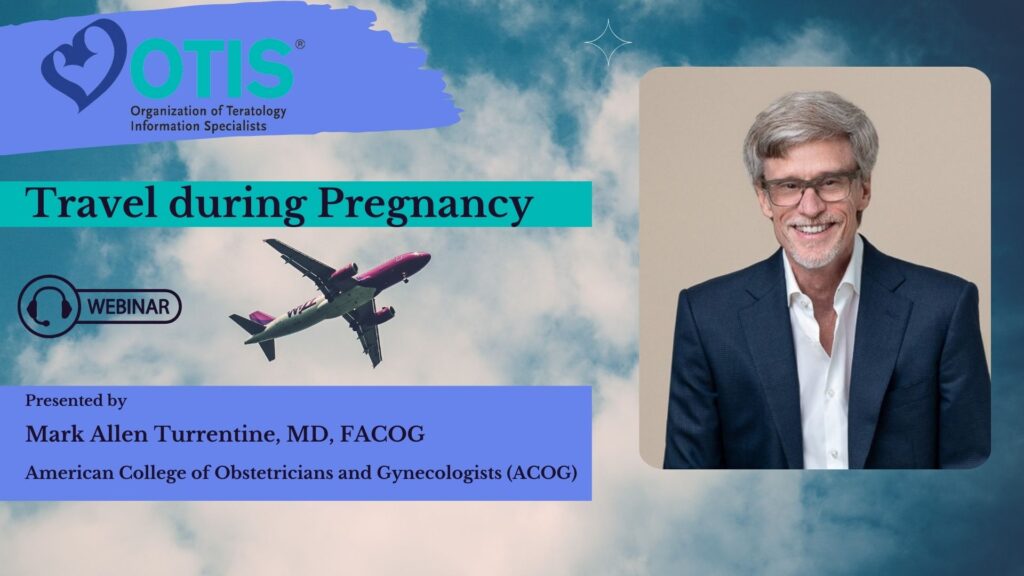
Travel During Pregnancy: Clinical Guidance for Providers
This free webinar features Mark Allen Turrentine, MD, FACOG, a nationally recognized OB-GYN from Texas Children’s Hospital and the Baylor College of Medicine, who also serves as Chair of the American College of Obstetricians and Gynecologists (ACOG) Committee on Practice Bulletins. Dr. Turrentine has authored numerous clinical guidelines, including COVID-19 Vaccination Considerations for Obstetric-Gynecologic Care, and is widely respected for his leadership in advancing evidence-based care for pregnant individuals.
In this provider-focused session, Dr. Turrentine offers clear, practical guidance on how to counsel patients about travel during pregnancy. He reviews current evidence on maternal and fetal health considerations, risks associated with air and long-distance travel, and key factors clinicians should weigh when advising patients. The discussion also highlights special concerns, such as travel during later stages of pregnancy, access to medical care while away from home, and how underlying health conditions may influence recommendations.
Designed specifically for obstetric and gynecologic providers, this webinar equips participants with research-based insights and real-world strategies to support informed decision-making. Attendees will gain confidence in guiding patients through complex travel-related questions, ensuring advice is consistent, up-to-date, and tailored to each individual’s circumstances.