Assisted Reproduction and Birth Defects Risk

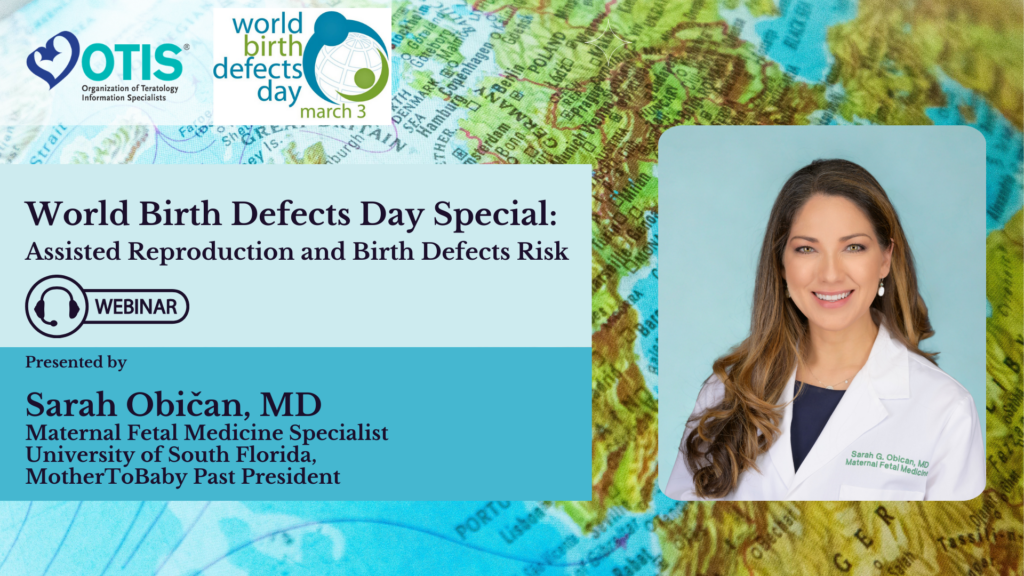
In recognition of World Birth Defects Day, MotherToBaby hosted a special educational webinar, “Assisted Reproduction and Birth Defects Risk.” The session features Dr. Sarah Običan, Division Director of Maternal-Fetal Medicine at University of South Florida Health and Medical Director of MotherToBaby Florida. Dr. Običan is a board-certified obstetrician-gynecologist specializing in maternal-fetal medicine, with particular expertise in teratology, fetal echocardiography, and fetal therapy. She completed her medical degree at the University of Miami School of Medicine, her residency in Obstetrics and Gynecology at George Washington University, and her maternal-fetal medicine fellowship at Columbia University Medical Center. She also completed fellowship training in reproductive teratology and toxicology. In addition to her clinical and academic leadership as an Associate Professor at USF, Dr. Običan is a past president of MotherToBaby, a service of the Organization of Teratology Information Specialists.

During this webinar, Dr. Običan reviews current evidence on assisted reproductive technologies and birth defects risk, with practical insights for healthcare professionals involved in patient counseling and clinical care.

Assisted Reproduction and Birth Defects Risk

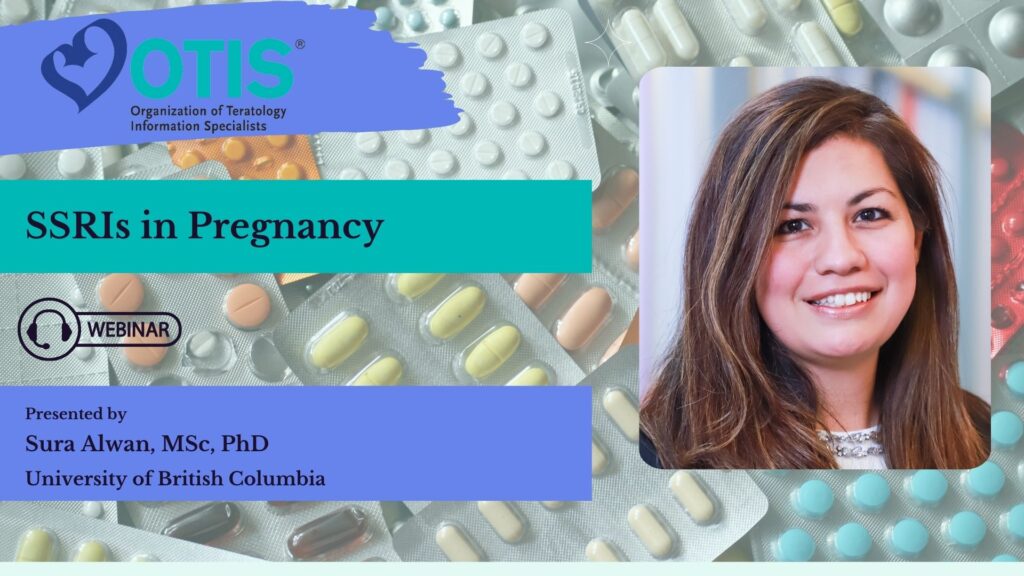
This free webinar features Sura Alwan, MSc, PhD, from the University of British Columbia and Executive Director of the PEAR-Net Society, a non-profit organization dedicated to promoting healthy fetal development through evidence-based information, research, and advocacy. Dr. Alwan is a leading expert in the field of perinatal pharmacology and maternal health, with extensive experience studying the effects of medications on pregnancy outcomes.

In this session, Dr. Alwan provides the most up-to-date information on the use of selective serotonin reuptake inhibitors (SSRIs) during pregnancy. SSRIs are among the most commonly prescribed medications for depression and anxiety, yet their use during pregnancy can raise important questions for both healthcare providers and expectant parents. Drawing from the latest research, Dr. Alwan discusses what is known about SSRIs and fetal development, the potential risks and benefits of treatment, and how this information can guide decision-making in clinical care and family planning.

This webinar is designed to support healthcare professionals, researchers, and families alike in navigating the complex considerations surrounding mental health treatment during pregnancy. Participants will come away with a deeper understanding of the evidence and practical strategies to support maternal and child health.


Assisted Reproduction and Birth Defects Risk

This free webinar features Mark Allen Turrentine, MD, FACOG, a nationally recognized OB-GYN from Texas Children’s Hospital and the Baylor College of Medicine, who also serves as Chair of the American College of Obstetricians and Gynecologists (ACOG) Committee on Practice Bulletins. Dr. Turrentine has authored numerous clinical guidelines, including COVID-19 Vaccination Considerations for Obstetric-Gynecologic Care, and is widely respected for his leadership in advancing evidence-based care for pregnant individuals.

In this provider-focused session, Dr. Turrentine offers clear, practical guidance on how to counsel patients about travel during pregnancy. He reviews current evidence on maternal and fetal health considerations, risks associated with air and long-distance travel, and key factors clinicians should weigh when advising patients. The discussion also highlights special concerns, such as travel during later stages of pregnancy, access to medical care while away from home, and how underlying health conditions may influence recommendations.

Designed specifically for obstetric and gynecologic providers, this webinar equips participants with research-based insights and real-world strategies to support informed decision-making. Attendees will gain confidence in guiding patients through complex travel-related questions, ensuring advice is consistent, up-to-date, and tailored to each individual’s circumstances.


Assisted Reproduction and Birth Defects Risk

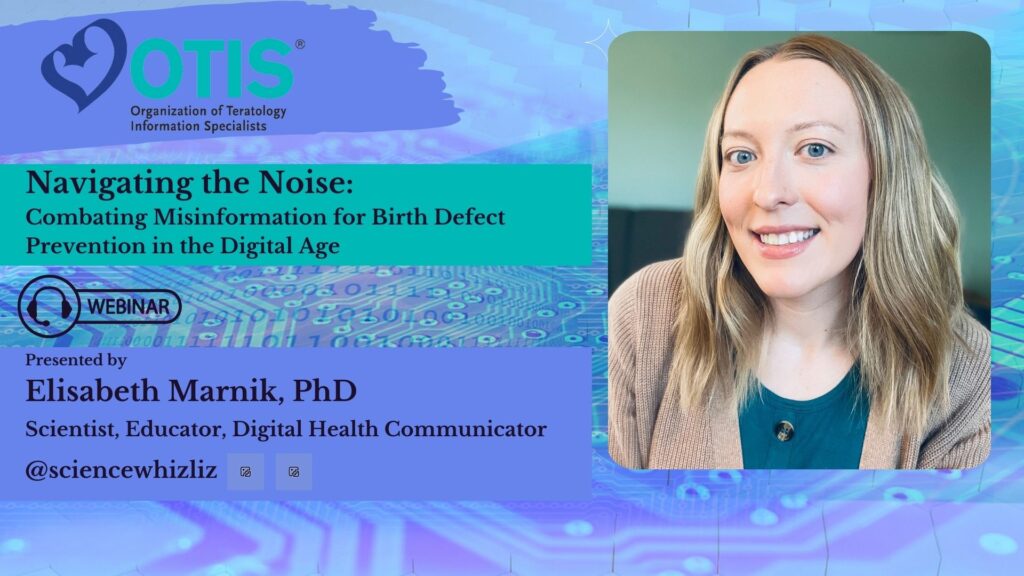
In today’s fast-paced digital environment, misinformation can spread quickly and influence critical health decisions. This free webinar features Dr. Elisabeth Marnik (@sciencewhizliz), a respected scientist and popular science communicator, who has built a strong online presence translating complex medical research into accessible, trustworthy information. Drawing on her expertise as both a researcher and social media influencer, Dr. Marnik provides healthcare professionals with tools to address misinformation and support evidence-based conversations with patients and the public.

During this session, Dr. Marnik explores the unique challenges of communicating about birth defects prevention in an age where social media platforms and online communities often amplify inaccurate or misleading claims. She shares strategies for identifying common myths, framing responses in a way that resonates with patients, and using digital platforms to effectively promote accurate, research-backed guidance.

Designed specifically for healthcare providers, this webinar highlights both the science of communication and the practical steps clinicians can take to strengthen trust with patients. Attendees will come away with actionable approaches to help families navigate online information, foster informed decision-making, and contribute to the broader effort of preventing birth defects through education and advocacy.


Assisted Reproduction and Birth Defects Risk

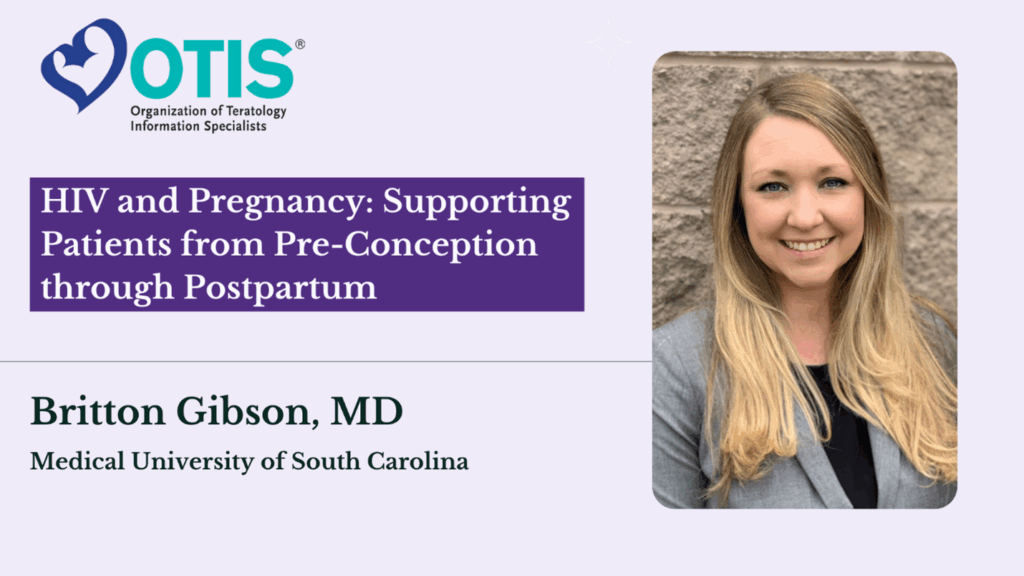
Caring for individuals with HIV during pregnancy requires a comprehensive, informed, and compassionate approach. In this webinar, Britton Gibson, MD, from the Medical University of South Carolina, presents the latest research-based information on managing HIV across the reproductive journey—from pre-conception planning to pregnancy, delivery, and breastfeeding.

Dr. Gibson discusses clinical best practices and strategies to support patients at every stage, including optimizing maternal health, reducing the risk of perinatal transmission, and navigating complex decisions around infant feeding. Attendees will gain practical insights into patient-centered care, current treatment guidelines, and the importance of multidisciplinary support systems.

This presentation is ideal for healthcare providers, counselors, and advocates who care for women living with HIV and are committed to improving health outcomes for both parent and baby.