
IBD, Pregnancy, and The Burning Question: ‘Will My Baby Be O.K.?’

By Beth Kiernan, MPH, Interviewer & Teratogen Information Specialist, MotherToBaby

“I just found out I’m pregnant, and while I am glad, I’m also pretty overwhelmed,” lamented Marian, a never-pregnant, newly-married woman who had struggled with Crohn’s disease since her teenage years but was finally in semi-remission. “I’m not sure I’m comfortable taking my medications now, even though my doctors say they are fine. I can’t even sleep! I am worried I’m harming my baby. I wonder if there will be long-term effects. I don’t even know if it’s OK to breastfeed and still take my medications, but I’ve had a terrible time in the past when my insurance changed and I didn’t have access to these drugs.”

“Your concerns are the concerns of every pregnant woman who takes medication for a chronic health condition,” I told her gently. “This is the hallmark of motherhood, when a mother puts her baby’s concerns above her own. However, in your case, you’ll need to carefully consider the risks vs. the benefits of taking or not taking your medication. The goal is to keep your Crohn’s disease from flaring so as to ensure as healthy a pregnancy as possible. Let me share some information with you. Once you have that knowledge, you will feel empowered, and you’ll be able to sleep soundly knowing that you are making the best choices for both yourself and your baby.”

How did Marian find me? I am a counselor at MotherToBaby Pregnancy Studies, conducted by the Organization of Teratology Information Specialists. Here at MotherToBaby, we help pregnant women, their partners, and their doctors by providing up-to-date information about exposures in pregnancy. What do we mean by “exposures”? Exposures could include prescription medications, over the counter medications, herbal supplements, caffeine, alcohol, fever, hair dye…you name it, and the question has probably been asked and answered to the best of our ability by someone in our global network of counseling services.

Half of all pregnant women in the U.S. take at least one prescription medication in pregnancy.¹ For many of these women, taking their medication isn’t a choice; it’s vital to their health and well-being. I’m talking about women who take medications to control seizures, to treat psychiatric illness, to treat pain, to treat asthma, or to delay the progression of diseases such as Multiple Sclerosis or Rheumatoid Arthritis. Depending on the severity of your Inflammatory Bowel Disease (IBD), you may fall into this category too. It may be that NOT treating your Crohn’s or Colitis will worsen your symptoms, and could lead to a situation where both you and your baby would be threatened. Lengthy hospitalization, severe pain, blood loss, surgery – all may outweigh the risk of taking the very medication that could prevent these grim developments.

And while many women plan ahead to get pregnant, consult with their doctors, consider their medication use in advance, and start or stop medications in anticipation of conception, over 50% of pregnancies in the U.S. are unplanned.² However pregnancy happens for you, it’s important to learn about your medications and what others who take them have experienced with regard to pregnancy. Some medications were approved long ago by the Food and Drug Administration and we have years of good data on their use in pregnancy. Others, particularly newer biologics used to treat autoimmune diseases like IBD, may only have been on the market for a few years at the time you inquire, so there may not be a lot of information available about the use of the drug in pregnancy – which means you will need to weigh the risks of taking or not taking the medication to both you and your baby. Your doctor can help you assess those risks, and so can information specialists like me at MotherToBaby.

It will also be important to ask whether or not there could be any impact of your IBD medications to a breastfeeding baby. Undoubtedly, breastfeeding is far more beneficial to a baby than using commercial formula, but inquiring about actual infant experience with a mother’s medication use will be valuable information for you and your baby. The American Academy of Pediatrics, and your pediatrician, can tell you if there are concerns for your newborn.

If you’ve given yourself the luxury of time by planning your pregnancy, speak with your gastroenterologist and your obstetrician or family doctor about your medications and your plans for a future pregnancy. Gather a team of experienced physicians who will support you in your choices, and avail yourself of their advice to ensure you will be healthy when the time comes to begin trying to get pregnant. Studies show that conceiving when your disease is in remission decreases your risk of having pregnancy complications and ongoing IBD flares.³ Also, now is a good time to begin taking a multivitamin or prenatal vitamin with folic acid to ensure the best start for your baby.

What if you aren’t planning pregnancy this year? Then use this article as a starting point for considering the future. If you are of reproductive age, every sexual encounter presents the chance of becoming pregnant. It’s important to know what you might face in terms of medication risks were you to unexpectedly become pregnant. Ask your prescribing doctor or the pharmacist about the research on your medication in pregnancy, or call MotherToBaby at our toll-free number 877-311-8972 and ask to speak with a counselor.
bethk6

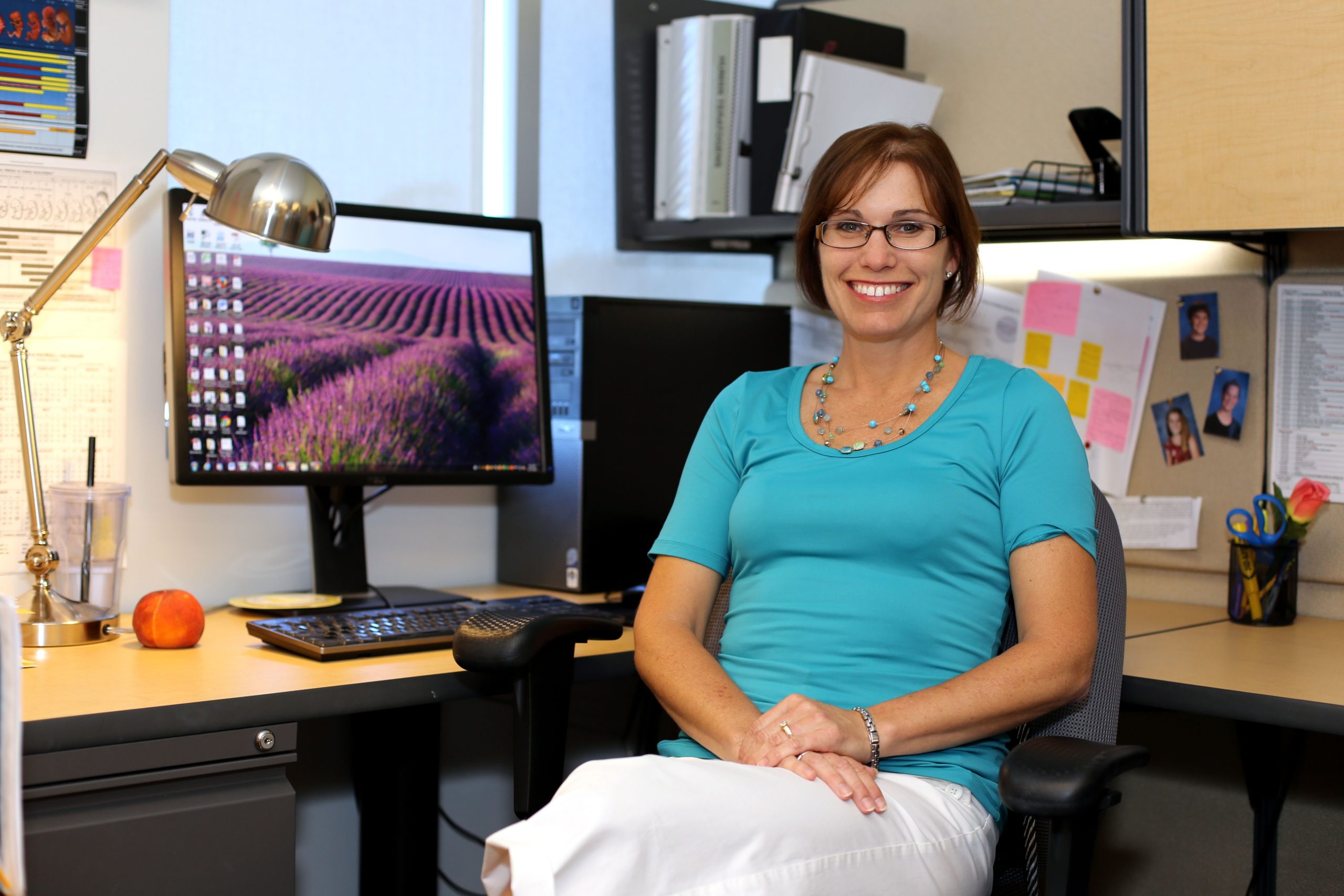
Beth Kiernan is a Teratogen Information Specialist with MotherToBaby Pregnancy Studies, a non-profit that conducts observational research about exposures in pregnancy and provides information to healthcare providers and the general public on medications and more during pregnancy and breastfeeding. She is based at the University of California, San Diego, and is the married mother of four children ages 12 to 23 years.

MotherToBaby is a service of the international Organization of Teratology Information Specialists (OTIS), a suggested resource by many agencies including the Centers for Disease Control and Prevention (CDC). If you have questions about medications, vaccines, diseases, or other exposures, call MotherToBaby toll-FREE at 866-626-6847 or call the Pregnancy Studies team directly at 877-311-8972. You can also visit MotherToBaby.org to browse a library of fact sheets, including one on IBD in Pregnancy, and find your nearest affiliate.

References:
1. Mitchell, AA et. al. (2011). Medication use during pregnancy, with particular focus on prescription drugs: 1976-2008. Am J Ob GYN; 205(1): 51.e1–51.e8.

2. Finer LB and Zolna MR. (2011). Unintended pregnancy in the United States: incidence and disparities, 2006. Contraception; 84(5):478–485.

3. Abhyankar et. al. (2013). Meta-analysis: the impact of disease activity at conception on disease activity during pregnancy in patients with inflammatory bowel disease.
Aliment Pharmacol Ther. 38(5):460-6.


IBD, Pregnancy, and The Burning Question: ‘Will My Baby Be O.K.?’

By Pat Olney, MS, CGC, Pregnancy Risk Specialist, MotherToBaby Georgia

One day in early June I received a frantic call from a woman who had first called Georgia’s Poison Control Center worried about the agent used to treat her varicose veins. She thought that she did the right thing by postponing her treatment until after she gave birth, but now was concerned about breastfeeding her newborn. The medical director at poison control, who is one of our advisory board members, gave her the correct information: “Call Pat Olney at MotherToBaby!”

The caller’s vascular surgeon advised her to pump her breast milk over the next 24-48 hours, and discard it; otherwise known as pump and dump. The first thing she did before calling poison control was surf the Internet for answers. She began feeling guilty about having had the procedure. She lamented, “Why didn’t I wait until after my baby was done nursing!”

First, I needed to learn a little bit about varicose veins. Varicose veins are more common in women than men, and women may first develop varicose veins during pregnancy. Pregnancy puts an added burden on the veins as the amount of blood flowing through the veins increases. Veins in the legs are already working against gravity, and pressure from the increased blood volume can cause veins to swell and bulge near the surface of the skin. They tend to get worse with each subsequent pregnancy, as women get older, or if a woman is overweight. Varicose veins can be very painful. Typically, the problem tends to improve after delivery. For our caller, the pain and discomfort continued and she decided to seek treatment.

The agent used for her varicose vein treatment was sodium tetradecyl sulfate (STS). I consulted my brand new 2014 edition of Dr. Thomas Hale’s manual of lactational pharmacology, “Medications & Mother’s Milk.” Dr. Hale’s book is used all over the world, and he is recognized as an expert in this highly specialized field. STS, a sclerosing agent, is injected into the affected vein. Dr. Hale describes this agent: “…an anionic surfactant which causes local inflammation, and thrombus formation, thereby occluding and eventually obliterating the affected vein.” He goes on to say “severe reactions such as anaphylactic shock, pulmonary embolism have been reported, although rare.”

Sounds terrible, doesn’t it? I said to myself…no wonder this woman called poison control!

Dr. Hale developed the following lactation risk categories:
L1 Compatible: drug has been taken by a large number of breastfeeding women without any observed increase in adverse effects in the infant; controlled studies fail to demonstrate a risk to the infant, or the product is not orally bioavailable in an infant

L2 Probably compatible: drug has been studied in a limited number of breastfeeding women without an increase in adverse effects in the infant, and/or the evidence of a demonstrated risk is remote

L3 Probably compatible: there are no controlled studies in breastfeeding women; however, the risk of untoward effects to breastfed infant is possible, or controlled studies show only minimal non-threatening adverse effects; drugs should be given only if potential benefit justifies potential risk to infant; new medications that have no published data are automatically categorized in this category, regardless of how safe they may be

L4 Possibly hazardous: positive evidence of risk to breastfed infant or to breast milk production; benefits of use may be acceptable despite the risk to infant; e.g. if the drug is needed in a life-threatening situation or a serious disease for which safer drugs cannot be used or are ineffective

L5 Hazardous: studies in breastfeeding mothers have demonstrated significant and documented risk to the infant based on human experience, or is a medication that has a high risk of causing significant damage to infant; drug is contraindicated in women breastfeeding an infant

Did the vascular surgeon give our caller the correct information?

Sodium tetradecyl sulfate falls into lactation category L3. There are no studies done in nursing women, and there is no data on its transfer into human milk. Dr. Hale goes on and states, “This product could be hazardous if introduced in the infant through breast milk. Therefore, extreme caution is recommended with its use in a lactating mother.”

Since there are no published studies, and no data, our caller was given the correct advice: pump and dump. Fortunately, her baby was already taking an occasional bottle, so she thought the baby would easily switch back to breastfeeding.

Sometimes the advice given to lactating mothers is not so straightforward. As summarized in a clinical report published by the American Academy of Pediatrics (AAP), “Many breastfeeding women are wrongly advised to stop taking necessary medications or to discontinue nursing because of potential harmful effects on their infants. Not all drugs are present in clinically significant amounts in human milk or pose a risk to the infant. Certain classes of drugs can be problematic, either because of accumulation in breast milk or due to their effects on the nursing infant or mother.”

When counseling a woman who has chosen to give her baby the best start in life, it’s important to get the facts, even if evidence-based information is lacking.

Questions? For your FREE personalized risk assessment, call MotherToBaby toll-FREE (866) 626-6847. MotherToBaby is a service of the international non-profit Organization of Teratology Information Specialists (OTIS), a society that supports and contributes to worldwide initiatives for teratology education and research. MotherToBaby affiliates and OTIS are suggested resources by many agencies, including the Centers for Disease Control and Prevention (CDC), and are dedicated to providing evidence-based information to mothers, health care professionals, and the general public about medications and other exposures during pregnancy and while breastfeeding. Learn more at MotherToBaby.org.

Pat Olney


Patricia Olney, MS, is a certified genetic counselor and pregnancy risk specialist at MotherToBaby Georgia, Emory University. She received her masters degree at the University of California, Berkeley and has practiced genetic counseling for more than 25 years. MotherToBaby GA is funded by the Georgia Department of Behavioral Health and Developmental Disabilities.

Reference:
The American Academy of Pediatrics (AAP) August 2013 “The Transfer of Drugs and Therapeutics Into Human Breast Milk: An Update on Selected Topics.”


IBD, Pregnancy, and The Burning Question: ‘Will My Baby Be O.K.?’

By Neda Ebrahimi , Teratogen Information Specialist, Motherisk

As a counselor with Motherisk, the Canadian partner of MotherToBaby and a service of the Organization of Teratology Information Specialists (OTIS), I hear many stories from women about pregnancy. Some of those stories strike cords with me. Their urgency and desire to make the healthiest decisions possible for their future children is both understandable and admirable. In honor of National Multiple Sclerosis Awareness Month, I give you Nina’s story.

Nina’s Story

“I’m 31 years old, and I was diagnosed with Relapsing Remitting Multiple Sclerosis (RRMS), when I was only 22. My first relapse was scary. I was writing my finals, and 2 days before my last final, I lost sight completely in one eye, and my legs felt so week and wobbly that I couldn’t stand even for a second. After going to the hospital and receiving several courses of steroids over 10 days, I started to improve but it took 2 months for my symptoms to fully resolve. And then, everything went back to normal, as if nothing had ever happened. I received my diagnosis several months after, and it felt like a death sentence. I had 2 more relapses before my doctor put me on disease modifying drug (DMD), and I started with Infterferon-B1a. Over the last 8 years, I only experienced 5 more relapses. The last relapse I had was only a few months ago; I lost sight in my left eye, and numbness that ran from my face to my toes on just the right side of my body. I have always been able to work full-time except when I’m experiencing a relapse, for which I’ve had to take a month off. I am a dentist, so not surprisingly I can’t carry out my job when I’m experiencing numbness in my hand. I met John 5 years ago at the MS clinic I used to visit. He was a nurse there. We fell in love, and despite of my illness he proposed to me last year, and we talked about having a family, with two children, hopefully one boy and one girl, and living happily ever after. It didn’t initially worry me that one day I may want children. John is crazy about kids, and I feel my maternal instincts kick in every time I hold a baby. Since we got married, my anxiety has been increasing proportionally to my yearning for having a child. I know my MS can’t be cured, at least not now, I know it can get worst over time, and eventually I may need support to carry out even simple tasks. Or Maybe I won’t, and I would be one of the few who never enter the progressive state. I don’t know if I’ll be able to care for a baby and meet his or her demands. What will happen after my pregnancy? I really don’t want to experience another relapse after I deliver. How am I going to manage my illness, and what will happen if I need to came off my DMD when I’m pregnant or breastfeeding? There are so many questions, and I don’t know who to turn to.”

Nina is not alone in her thirst for answers. MS is an autoimmune neurological disease with very different presentation. No two MS patients are exactly the same and symptoms can vary from just the occasional mild tingling in the finger tips to more severe symptoms that render the patient unable to walk or stand for several weeks. With Relapsing Remitting MS accounting for 85% of all MS cases, most patients will undergo a remissive state after an attack, and will resume their daily life with little or no hindrance. Some patients will continue to have modest symptoms during the remissive state which they learn to adapt to and manage by different medications and or lifestyle changes. As there are no current cures for MS, many MS patients live for decades with this disease, and must find the means to maintain a high quality of life as the disease progresses, which can be challenging in the later stages of the disease.

MS impacts many more women than men with a 3:1 ratio in North America. As the disease onset occurs during the reproductive ages, many women with MS face the dilemma of pregnancy at some point during their lives. Young women, like Nina, with MS planning pregnancies, have many questions. Because the disease presentation and progression varies from person to person, there is no exact answer and treatment and management must be tailored to the specific person’s need. However, I’d like to address some of the most common questions to help all of the “Ninas” out there:

1. “Would the disease adversely impact the pregnancy and my developing baby”?
Up until the late 1950s, women with MS were advised to terminate their pregnancies. With our advancement in the field, we know that this is almost never necessary. Many women with MS continue to have healthy babies, and research shows that there is no increased risk for having a baby with a structural malformation or developmental delay and many deliver healthy babies with no major complications. Although there is a trend toward lighter weight babies, the birth weight percentile remains in the normal range for most. Another observation has been the higher rate of miscarriage in the MS population with mixed results from different studies. The reason for this is not well understood, but the majority of miscarriages are in early pregnancy. While miscarriage rates in the general population are around 10-15%, in women with MS the rates are closer to 20%-30%. With successful conception, the chance of delivering a healthy baby at term is high, and women with MS should be assured that their disease is unlikely to cause harm to the developing baby.

2. “Would my baby also have MS”?
There is a complex interplay between genetics and environment leading to MS. While the risk of getting MS in the general population is 0.3%, having a parent with MS will increase this risk by almost 15 times. So children of women with MS may have a 3% to 6% chance of developing MS later in life, but the environmental and lifestyle factors may play the ultimate role in disease manifestation. Hence despite the genetic contribution, the risk for your baby developing MS remains small and can potentially be modified.

3. “If I stop my DMD when planning, what are the risks of having a relapse while I try to conceive?”
Depending on how long it takes to conceive, the drug free period prior to pregnancy may be a risky period for experiencing a relapse. While some women conceive after just one cycle, many will conceive after several months of actively trying to become pregnant. It will take 1 to 3 months (depending on the drug) to fully clear the system, and during this time, some may experience disease activity. If prior to starting the DMD you had very active disease, there is a risk that you’ll experience a relapse when you stop the medication, especially if it takes more than 3 months for you to conceive. The decision to continue DMDs is highly individualized and is determined on a case-by-case basis. You and your neurologist will determine the best mode of action.

4. Would having a pregnancy make my MS progress faster?
Pregnancy has not been shown to speed the disease process. In fact, pregnancy is a state of remission for many women with MS, and a time for optimal wellbeing. It is well established that relapse rates reduce by 70% by the third trimester of pregnancy compared to the year prior to pregnancy. However after delivery the relapse rate increases, with 60% of women experiencing a relapse in the first 3 to 6 months postpartum. While the risk is increased in the postpartum period, the course of MS tends to return to its baseline, and no worse than what it was in the year prior to pregnancy. Some studies have found a protective effect with pregnancy, with a delay in the long-term disease progression; however, more studies are needed to confirm this finding.

5. Would I be able to continue my DMD through the pregnancy?
Although many women with MS go through remission in the pregnancy, some will continue to experience disease activity especially in the first two trimesters. The decision to continue DMDs is dependent on several factors, including the type of medication, disease activity in the year prior to pregnancy, and the type of control achieved with the given DMD. The use of glatiramer, Interferon Beta 1a/1b, in pregnancy have not been associated with an increased risk for malformations and if you achieved great control with these drugs, and are at a high risk of relapsing, your physician may consider continuing your therapy through the pregnancy. The newer drugs, especially the oral DMDs, have not been well studied, therefore it is recommended that you discuss with your neurologist the best plan for the course of your pregnancy. There are ongoing research studies looking at the outcome of pregnancies following exposure to these medications. MotherToBaby and its affiliates are engaged in such studies. For study information or for the most up-to-date information about newer medications used to treat MS during pregnancy, call from anywhere in North America toll-FREE 866-626-6847.

6. What if I have a relapse during pregnancy?
While relapses during pregnancy are uncommon, they may happen, and can be quite severe for some women. Steroids are usually used to treat those relapses, although some success has been shown with IVIg therapy as well. A women that experiences a severe debilitating relapse during her pregnancy, may require the standard steroid therapy, while a women that experiences a mild flare-up may choose, in collaboration with her physician, to abstain from treatment. Systemic steroid use in the first trimester has been associated with a very small risk for cleft lip and palate, and use in the second half of pregnancy may increase the risk for having a smaller baby and for delivering prematurely (before 37 weeks gestation). However, it is recommended that you speak with your health care provider before you stop or change any medication. The benefits of taking a steroid and treating your condition should be weighed against these small possible risks. For more information, check out this fact sheet online: https://mothertobaby.org/fact-sheets/prednisoneprednisolone-pregnancy/ or call anywhere in North America toll-FREE 866-626-6847.

7. Should I breastfeed or start my DMD right after delivery?
The postpartum period is a period with a high risk of experiencing relapses. Data on whether breastfeeding has protective effect has conflicting results. Some studies suggest a protective effect, possibly due to the delay of menses returning, while others show no impact. Information on safety of DMDs in the breastfeeding period are scarce, however given the large molecule size of glatiramer acetate, and Interferons, it is unlikely any will transfer into milk. If they do, they are likely not to be absorbed from the baby’s gastrointestinal tract. There is no information regarding other DMD usages during lactation. The benefits of breastfeeding baby are numerous, but, ultimately, your functionality and ability to care for your child take priority. The decision to breastfeed or not may depend on your ability to breastfeed, especially since the demands of a newborn and the hormonal changes in the postpartum period can be very taxing on your energy levels and if you experience chronic fatigue due to your condition. Thus, if a woman (while consulting her physician) decides to breastfeed she may do so. However, if she needs to restart her DMD, currently she may be advised to stop breastfeeding.

Bottomline: While having MS poses physical and emotional challenges, it does not jeopardize a woman’s capacity to motherhood. With careful planning and close collaboration with your doctors and healthcare providers, and especially with some support from family and friends, you will be able to have successful pregnancies, healthy children, and out of control teenagers, just like any other woman. So if becoming a mother is something you have always wanted and looked forward to, having MS is more of a bump in the road rather than a life sentence, and with some maneuvering you can achieve your dreams. Happy parenthood!

Neda Ebrahimi is a research associate and counselor at the Canadian Motherisk program, a non-profit MotherToBaby/OTIS affiliate that aims to educate the public about medications and more during pregnancy and breastfeeding. The Motherisk program is also a center for teaching and clinical research in the area of exposures in pregnancy and breastfeeding. Neda is pursuing her PhD in the field of Multiple Sclerosis in Pregnancy. To learn more about her work and about her study, email her at neda.ebrahimi@sickkids.ca or call 416-813-7654 ext. 204928. You can also call the Motherisk Helpline at 1-877-439-2744 and ask to be referred to the MS study.

MotherToBaby and its affiliates are services of the international Organization of Teratology Information Specialists (OTIS), a suggested resource by many agencies including the Centers for Disease Control and Prevention (CDC). If you have questions about MS, medications or other exposures during pregnancy or breastfeeding, call toll-FREE 866-626-6847 or visit MotherToBaby.org.


IBD, Pregnancy, and The Burning Question: ‘Will My Baby Be O.K.?’

By Sonia Alvarado, Senior Teratogen Information Specialist, MotherToBaby CA

Unless you don’t own a television and never listen to the radio, you know that marijuana has been in the news a lot lately and for marijuana users who have had to smoke in illegally, it appears societal attitudes about pot smoking may be changing. Twenty states have laws legalizing some form of marijuana use. Two states, Colorado and Washington, have legalized its recreational use. In an interview, the NFL Commissioner seemed to leave open the possibility that medicinal use could be considered for NFL players if there was scientific evidence that it was helpful to treat injuries and pain. Even President Obama has said that he doesn’t believe marijuana is any more dangerous than alcohol. Marijuana is currently listed as a Schedule I drug. Other Schedule I drugs include heroin, lysergic acid diethylamide (LSD), 3,4-methylenedioxymethamphetamine (ecstasy).

What The Research Shows Us

According to studies, pregnant women who use illicit substances are more likely to use marijuana compared to other drugs. This is often due to the belief that marijuana is less harmful to the developing embryo and fetus, compared to other drugs such as cocaine or heroin.

Marijuana is Cannabis. The delta-9-tetrahydrocannabinol (THC) in the Cannabis plant produces the psychoactive effect or “high.” Marijuana can be smoked in a joint, inhaled through a bong or vaporizer, eaten in food and teas/beverages, used in tinctures, and topical balms. Smoking and ingestion exposes the user to THC, producing the high. When smoked in a joint, the user is exposed to carbon monoxide from the burning of the leaf as well as tar, which can stay behind in the lungs.

Marijuana use during pregnancy has been studied since the 1960’s. Like all studies, there are weaknesses that have been pointed out. For example, asking women about past drug use may not be the most accurate way to make a connection between the dose of the drug and the adverse effects because the women may have forgotten. Also asking women to volunteer information about drug use, which they may fear disclosing even in a confidential setting, may make it difficult to know how frequently pregnant women use drugs overall. Still, a number of experts have reviewed hundreds of reports in humans and animals. At least to this point, the studies do not support an association between marijuana smoking and birth defects. One large study of 12,825 interviews done after delivery, did not find a statistical association between marijuana use and birth defects.

However, the studies also show that marijuana is not risk free. Studies have reported associations between marijuana smoking and growth restriction and lower birth weight, particularly in women who keep smoking through delivery or late in pregnancy. An Australian study of almost 420,000 live births reported a higher risk for neonatal intensive care admission for newborns exposed prenatally to pot. Also, there are reports of abnormal responses or behaviors in the newborn period and this suggests a toxicity or withdrawal. The symptoms include exaggerated and prolonged startle reflexes (sleep cycle disturbances with high-pitched crying.) In a Brazilian study, exposed newborns were “more irritable and less responsive to calming, cried more during the examination, and exhibited more jitteriness and startles than the non-exposed neonates.” Pregnant women who smoke daily and/or through delivery, have a higher risk for complications in their pregnancy compared to women who quit in the first trimester.

Researchers have attempted to assess the long-term effects of prenatal marijuana exposure. Studies of 3, 10 and 14-year old prenatally exposed children suggest that the prenatal exposure to high doses of marijuana may make it harder for children to learn and may affect their emotions (increased aggression) and increase depression symptoms. Studies are needed to assess which prenatally exposed children are most at risk. Its important to note that the children in these studies often have had prenatal exposure to other drugs as well, struggles with poverty and other life challenges, making it difficult to know that the findings are due to a single drug exposure.

So Where Does Marijuana Rank Compared To Other Drugs?

Alcohol: Specific to use during pregnancy, marijuana is not alcohol. Alcohol is still the drug with the highest risk and the widest range of birth defects, including physical, mental and behavioral. Alcohol is a drug with the highest use throughout the world, easy legal access, and social acceptance.

Cocaine: Cocaine, by comparison, is associated with a small risk for birth defects, and a higher risk for admission to newborn intensive care for withdrawal and toxicity. Additionally, cocaine is associated with prenatal growth retardation, lower birth weight, shorter length, and smaller head circumference. Studies suggest the effects on height extend into childhood.

Heroin: Heroin has not been associated with an increased risk for birth defects, however, is associated with a higher risk for withdrawal and admission to newborn intensive care and sudden infant death syndrome.

Bottomline: Snuff Out Smoking It

Clearly, marijuana use in pregnancy is not preferable, nor less risky, compared to most other drugs when a side-by-side comparison is made. Changing societal attitudes doesn’t change the fact that the developing embryo (and fetus) is dependent on the mother for oxygen, nutrients and a balance of hormones, chemicals and other substances to grow normally. Disrupting the normal fetal environment, through the introduction of marijuana or other recreational drugs, puts the pregnancy at risk in the short-term and possibly the long term as well.

Sonia

Sonia Alvarado is a bilingual (Spanish/English) Senior Teratogen Information Specialist with MotherToBaby California, a non-profit that aims to educate women about medications and more during pregnancy and breastfeeding. Along with answering women’s and health professionals’ questions regarding exposures during pregnancy/breastfeeding via MotherToBaby’s toll-free hotline, email and private chat counseling service, she’s provided educational talks regarding pregnancy health in community clinics and high schools over the past decade.

MotherToBaby is a service of the international Organization of Teratology Information Specialists (OTIS), a suggested resource by many agencies including the Centers for Disease Control and Prevention (CDC). If you have questions about beauty products, medications or other exposures, call MotherToBaby toll-FREE at 866-626-6847 or visit MotherToBaby.org to browse a library of fact sheets and find your nearest affiliate.


IBD, Pregnancy, and The Burning Question: ‘Will My Baby Be O.K.?’

By Patricia Olney, MS, CGC

“I think I’ll go out to the garage and work on the car for a while.” This was Daniel’s reaction after the birth of his second child with spina bifida. His wife, Rebecca, cried uncontrollably.
Sarah was born in 1989 after a healthy pregnancy, filled with the anticipation of first time parents. The nursery was decorated, the crib was set up, and an overnight bag packed. The only thing Rebecca didn’t anticipate was a preterm delivery, c-section, and a baby born with a severe birth defect.

My oldest son was also born in 1989. Rebecca and I shared the same excitement, dreams, and hopes for a healthy baby. We ate a balanced diet, took our prenatal vitamins, exercised regularly, and attended childbirth classes. We talked about whether we wanted an epidural or not, a home birth, or delivery by a midwife. Our husbands advocated for a hospital birth…just in case there was a problem during delivery.

Rebecca remembers the details as if it happened yesterday. On the eve of March 24th, Rebecca’s amniotic sac ruptured. Her first thought was “Oh no, I wet the bed!” She didn’t realize it was not her urine, but amniotic fluid. She woke Daniel and frantically called her OB. On the way to the hospital, Rebecca was sobbing. She was scared, and worried. What if all the amniotic fluid leaked out? Daniel tried to be reassuring—her OB was a very competent doctor. Sarah was born the next morning by c-section at 34 weeks and quickly whisked away to the NICU by the neonatologist. The preterm delivery was now the least of their worries. Their baby was born with spina bifida.

Rebecca and Daniel were shocked, then angry, and found themselves searching for answers. The book “What to Expect When You’re Expecting” didn’t cover having a baby with a birth defect. After a long discussion with the neonatologist, they learned Sarah had a type of neural tube defect called myelomeningocele. They heard the words…”she may have neurologic deficits below the level of the defect, and may develop hydrocephalus.” Sarah eventually developed hydrocephalus, wasn’t able to walk, and didn’t have bowel or bladder control.

Spina bifida is a type of neural tube defect (NTD) that affects the spine, or spinal cord. With this condition, the neural tube does not close completely. Myelomeningocele is the most serious type of spina bifida—a sac of fluid with part of the spinal cord comes through an opening in the baby’s spine damaging the nerves. Neural tube defects happen in the first month of pregnancy, often before a woman even knows that she is pregnant.

At first, Rebecca and Daniel couldn’t imagine having another child since Sarah required so much care, but two years after Sarah’s birth, Rebecca and Daniel decided they wanted Sarah to have a sibling. They consulted their OB and decided to have a blood test that screens for neural tube defects called maternal serum AFP. They didn’t want to have an amniocentesis, a more sensitive test for NTDs, because of the small chance of miscarriage. Plus, they never thought it could happen twice.

Emma was born in June of 1991 with a less severe type of spina bifida, lower on her spine than Sarah’s. At that time, the maternal AFP blood test detected about 80-85% of NTDs. Prenatal ultrasound may not detect one that is small, and covered with skin. In general, when the opening is lower along the spine, fewer nerves are damaged, resulting in less serious disability.

A worldwide effort to prevent recurrence and occurrence of neural tube defects began in the early 1990’s. Women who had a pregnancy that resulted in a baby with an NTD have an increased risk of 2-3% to have another affected pregnancy. In August 1991, U.S. Public Health Service provided guidelines for women who already had a pregnancy affected with a NTD. The guidelines called for consumption of 4 milligrams (4000 micrograms) of folic acid daily beginning one month before trying to get pregnant and continuing through the first three months of pregnancy (CDC: MMWR; Aug. 2, 1991).

Folic acid is a water-soluble B vitamin. Foods that are naturally high in folic acid include leafy vegetables, fruits (such as bananas, melons, and lemons) beans, yeast, mushrooms, meat (such as beef), orange juice, and tomato juice. Most women would not consume enough folic acid by diet alone.

In order to reduce the frequency of NTDs and their resulting disability, in September, 1992, the U.S. Public Health Service recommended:

“All women of childbearing age in the United States who are capable of becoming pregnant should consume 0.4 mg (400 micrograms) of folic acid per day for the purpose of reducing their risk of having a pregnancy affected with spina bifida or other NTDs. Because the effects of higher intakes are not well known but include complicating the diagnosis of vitamin B12 deficiency, care should be taken to keep total folate consumption at less than 1 mg per day, except under the supervision of a physician. Women who have had a prior NTD-affected pregnancy are at high risk of having a subsequent affected pregnancy. When these women are planning to become pregnant, they should consult their physicians for advice (CDC MMWR: September 11, 1992).”

In 1998, the Institute of Medicine’s Food and Nutrition Board added this to the recommendation:

“To reduce their risk for an NTD-affected pregnancy, women capable of becoming pregnant should take 400 micrograms of synthetic folic acid daily, from fortified foods or supplements or a combination of the two, in addition to consuming food with folate from a varied diet.”

Since 1998, folic acid has been added to cold cereals, flour, breads, pasta, bakery items, cookies, and crackers, as required by federal law. CDC reports that fortification is now mandatory practice in 57 countries and voluntary in many others. Three key results are:

• World-wide, at least 22,000 fatal or disabling birth defects such as spina bifida are prevented annually. That’s 60 babies a day.
• Countries around the world report 30% to 70% declines in NTDs after fortification begins.
• Countries save millions of dollars in healthcare cost when spina bifida is prevented.

Since one-half of U.S. pregnancies are unplanned and because these birth defects occur very early in pregnancy (3-4 weeks after conception), CDC recommends all women of childbearing age consume folic acid daily. CDC estimates that most of these birth defects could be prevented if this recommendation were followed before and during early pregnancy. Rebecca and Daniel could never change what happened to their babies, but sharing their story may help spread the word about the benefits of folic acid.

Questions? For your FREE personalized risk assessment, call MotherToBaby toll-FREE (866) 626-6847 or email an expert here. MotherToBaby is a service of the international non-profit Organization of Teratology Information Specialists (OTIS), a society that supports and contributes to worldwide initiatives for teratology education and research. MotherToBaby affiliates and OTIS are suggested resources by many agencies, including the Centers for Disease Control and Prevention (CDC), and are dedicated to providing evidence-based information to mothers, health care professionals, and the general public about medications and other exposures during pregnancy and while breastfeeding. Learn more at MotherToBaby.org.

Pat Olney

Patricia Olney, MS, is a certified genetic counselor and pregnancy risk specialist at MotherToBaby Georgia, Emory University. She received her masters degree at the University of California, Berkeley and has practiced genetic counseling for more than 25 years. MotherToBaby GA is funded by the Georgia Department of Behavioral Health and Developmental Disabilities.