
Guest Blog: CMV. The Most Common Viral Infection Affecting Newborns That You’ve Never Heard About

By Kristen Hutchinson Spytek, National CMV Foundation President

C-M-V. Three letters that keep me up at night and shake me to the core. Three letters that have managed to routinely shatter my expectations, body slam my optimism, expose my vulnerability, alter my perspective and even now, force me to recalibrate daily. My daughter, Evelyn Grace, was born on March 12, 2013 at 36 weeks with congenital cytomegalovirus. Or CMV.

Evelyn was my first pregnancy; I was thirty-one years old. My husband and I had been married for five years, and together since college, and we were ready. Emotionally, fiscally and socially ready.

The beginning of my pregnancy was largely uneventful. My husband and I talked with anticipation about the future, shared names we liked, vetoed ones we didn’t, and spent many evenings dreaming about who he or she would become. We agreed that most importantly, we wanted to raise a kind, compassionate human being that positively contributed to society. Easy right? I met with my OB at all required appointments, avoided all of the “things” like sushi, soft cheese, alcohol, etc., and at the mid-point anatomy scan, my husband and I were ready to learn whether we were expecting a boy or a girl. We wanted the tech to write it down in an envelope so we could open it together, privately, when we were ready.

After 45 minutes, the Maternal-Fetal Medicine specialist came into the room and started explaining something about an echogenic bowel. What? My heart rate accelerated and I held my breath. His lips were moving but I literally could not decipher the words. What did this mean? Should we be concerned? Is this a genetic issue? Will my baby be ok? The truth was, it could be something, or it could be nothing.

My pregnancy progressed and after several tests and consultations with specialists in pediatric cardiology, pediatric neurology, genetic counseling, and social work, we still did not have a realistic view of what we were dealing with. We were terrified. We remained hopeful for a healthy baby but the remainder of our pregnancy was clouded with fear of the unknown.

My daughter was breech and after five weeks of extensive monitoring of both me and the baby, my maternal fetal medicine physician made the call to move up my C-section due to low amniotic fluid. My husband and I practically skipped to the hospital that Tuesday afternoon. We couldn’t wait to hold our baby girl in our arms.

The surgery was fast and cold and clinical. I snuck a peak at Evelyn, all three beautiful pounds and 14 ounces, before they whisked her off to the NICU. But even then I did not have a real sense for the gravity of the situation. It was not until the neonatologist uttered the letters “CMV” did I truly realize the weight. Even though I understood very little about CMV, I knew that Evelyn was going to have special considerations. We were devastated for our daughter. The hopes and dreams we had shared for her, and the things we once believed to be big issues or milestones, now seemed trivial and small in comparison. We were in mourning for our “atypical” daughter and for what we wished we had known that may have potentially improved her prognosis. What should we have done differently? What questions should we have asked?

I experienced a primary (first-time) infection, likely during my first or second trimester. Evelyn (pictured right) was severely affected by CMV, receiving weekly early intervention services and private sessions in occupational, physical and speech therapies, in addition to countless specialist appointments. She couldn’t do much independently but she had a smile that lit up the room, a laugh that was beyond infectious, and a determination that continues to motivate every cell in my being. She gave my husband and I twenty-one months of unconditional, unequivocal love. Tragically, we lost Evelyn in December 2014 due to complications from a surgery, three weeks before our son, Jack, was born. It was an impossible time. I don’t remember much from the weeks that followed but at some point, my adrenaline kicked in while my heart exploded in my chest, and through my tears, I knew my daughter’s journey was going to help change the outcome for future babies. Her legacy will positively contribute to society.

There is an overwhelming amount of scary information bombarding pregnant women every single day. Information overload is real, yet simple dialogue between a patient and her caregiver (e.g. midwife, doula, OB, maternal fetal medicine specialist, primary care physician, etc.) is extremely important and sometimes, it’s the patient who has to lead the conversation. I only wish I had known more or had time to effectively plan before Evelyn arrived. I felt overwhelmed and ill-prepared.

Only 9% of women have heard about CMV according to a 2016 HealthStyles™ Survey, yet it’s more common than Down Syndrome, Fetal Alcohol Syndrome, Fifth Disease, Spina Bifida, Sudden Infant Death Syndrome (SIDS), and Toxoplasmosis. Absorb that for a minute. It is an often symptomless virus, or may present as a cold or flu, and only causes harm when a pregnant woman passes it through the placenta to the baby in utero (or in a person with a weakened immune system). More than half of the adult population has been infected with CMV before the age of 40, and once it’s in a person’s body, it stays there for life.

How do we successfully educate pregnant women about the risks associated with this virus, if hardly anyone has heard about it?

My best advice is to take control of your health! Have you ever been infected with CMV? If you’re thinking about becoming pregnant, ask your doctor for an IgG vs. IgM antibody test to understand if you’ve had CMV in the past, and whether or not you currently have an active infection. Already pregnant? No worries, ask for it anyway. It’s a simple blood test and is covered by most insurances. Professionals’ advice and recommendations will vary depending on the results and where you are in your pregnancy.

June is CMV Awareness Month. Our mission is to educate women of childbearing age about congenital CMV, with the goal of eliminating congenital CMV for the next generation. Whether you’re pregnant with your first or you’ve been down this road a few times, know this:

  • CMV is common. Congenital CMV is the most common viral infection that infants are born with in the United States — totaling 30,000+ babies each year, with 5,000+ suffering from permanent disabilities.
  • CMV is serious. Congenital CMV is the leading cause of non-genetic childhood hearing loss. Complications from congenital CMV results in up to 400 deaths yearly.
  • CMV is preventable. Pregnant women who have toddlers, or work with young children, are at the highest risk of acquiring CMV. The virus is typically spread through urine, blood, mucus, tears, semen or saliva, and there are simple behavior modifications that will help reduce this risk:
    • Do not share food, utensils, drinks or straws
    • Avoid contact with saliva when kissing a child
    • Do not put a child’s pacifier or toothbrush in your mouth
    • Wash your hands thoroughly, especially after changing a diaper

Please take a deep breath, practice the above prevention methods, and report any sign of illness to your midwife or doctor. If you are screened for CMV while pregnant, and the result is a positive active infection, your medical professional can do an amniocentesis to see if congenital CMV has spread through the placenta to the unborn baby. And if it has, interventions and therapies may be recommended.

CMV. Know Your Risk. Protect Your Family.
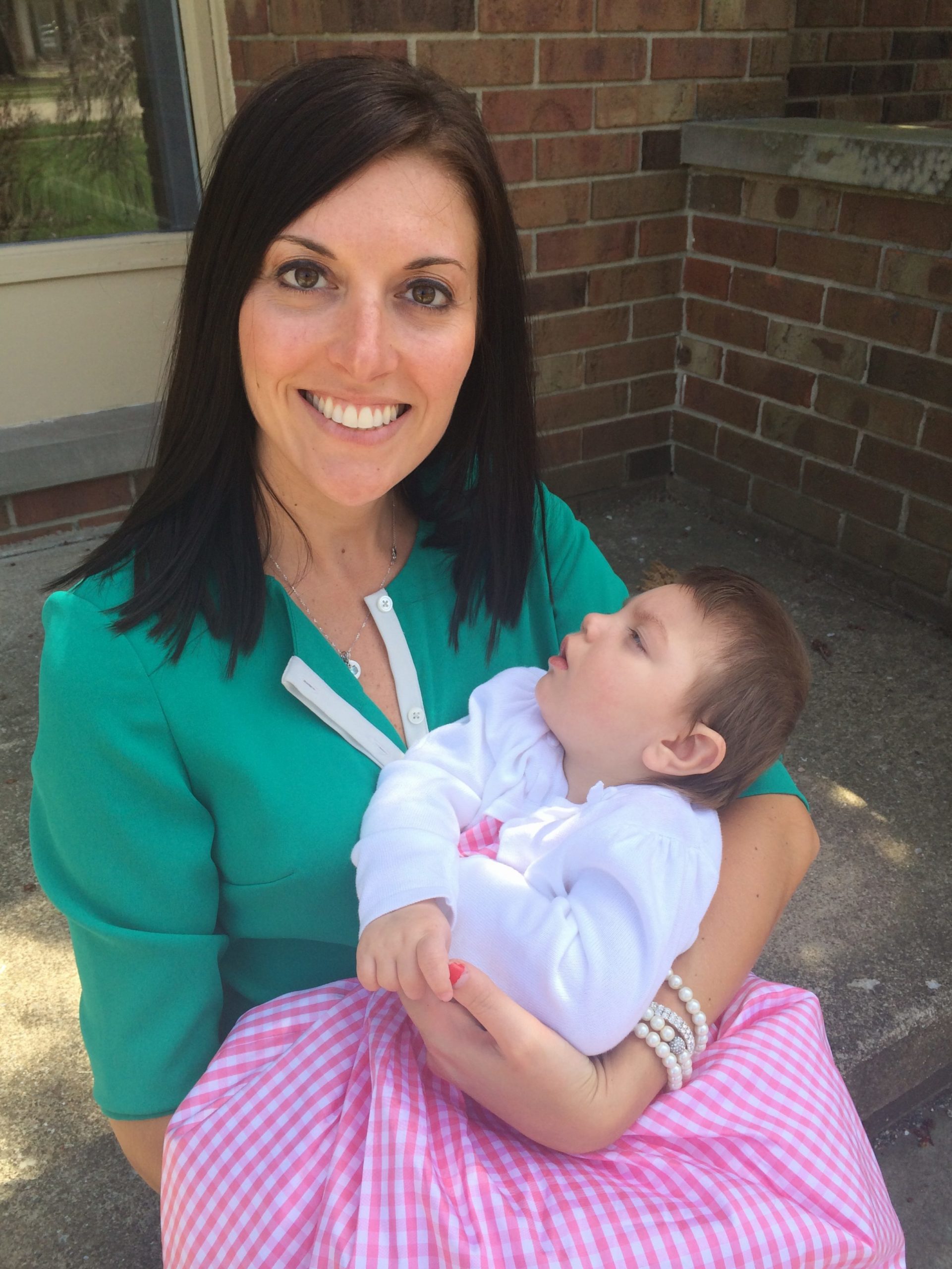
Kristen Hutchinson Spytek is the President of the National CMV Foundation. She has an M.A. in Global Marketing Communications & Advertising from Emerson College and a B.A. in Communication Studies from the University of Michigan. Kristen resides in Tampa, FL with her husband John, and sons Jack (2) and Thomas (4 mo).”

The National CMV Foundation is a non-profit organization dedicated to promoting awareness, providing access to resources and sharing prevention information to eliminate congenital CMV. Learn more at www.nationalcmv.org.


Guest Blog: CMV. The Most Common Viral Infection Affecting Newborns That You’ve Never Heard About

By Sonia Alvarado, MotherToBaby California Teratogen Information Specialist

I wrote a blog about marijuana and pregnancy three years ago and it’s become the most visited blog on the MotherToBaby website. No surprise, considering that marijuana is an even hotter topic today than it was previously! Three years ago, two states had laws allowing recreational use. Now, 29 states allow medicinal use, recreational use or both (with limits on amounts varying from state to state). I was recently asked to revisit this topic and to provide an update on what we know about marijuana use during pregnancy and breastfeeding.

In this blog article, I use the terms marijuana, cannabis or pot interchangeably, as do most people.

At this time, there is no FDA approved indication for cannabis use as a medical treatment. The FDA gives approval to drugs only when the manufacturers of those drugs have gone through all of the required testing, have met the standards for safety, and have shown that it works when treating specifically named conditions. Marijuana has not met these standards. However, there are two FDA-approved drugs that contain man-made (synthetic) forms of marijuana. These medications, dronabinol and nabilone, are used to treat nausea caused by cancer medications. Neither one has been studied in human pregnancy, so we do not know how safe they are if taken during pregnancy.

The use of marijuana by pregnant women, either unintentionally before they know that they are pregnant or intentional use after pregnancy recognition, continues to increase. One survey suggests that marijuana is the leading recreational drug that pregnant women report using. The National Survey of Drug Use and Health reported that 3.85% of pregnant women reported using marijuana in the past month in 2014, compared with 2.37% in 2002. Other self-report studies indicate the number may be 5-8%. Our information service also receives many questions from pregnant and breastfeeding women who want to continue to use marijuana. Because of increasing legalization, the reported increased use and the need for answers from the public and health care providers, MotherToBaby has set aside sections of its June 2017 professional meeting in Denver, Colorado to bring experts together to discuss the latest research.

What do pregnant women, doctors and teratogen specialists, like myself, want to know about cannabis use during pregnancy?

  • We know that the developing baby is exposed to drugs, medications, infections and chemicals in the mother’s blood. Pregnant women, their health care providers and researchers want to know the differences in the amounts of the drug that reach the blood when cannabis products are used topically, when they are ingested and when they are smoked.
  • We also want to know the risks associated with each type of exposure and the doses that are associated with the risk. For example, what is the difference in risk if a pregnant woman smokes pot once a day (a hit or two or more) vs. smoking pot once a week (one hit or two)? What about if she ingests the drug? What is the difference in risk to her developing baby?

It used to be that teratogen specialists like me were mostly concerned about the risk for birth defects, such as cleft lip and palate, or heart defects. However, now we know that for some drugs, the risks are not specific just to the baby’s structure, such as development of limbs. Instead, some drugs, like alcohol, affect development of the baby’s brain and therefore the effects on the child’s learning and behavior might not be noticed until much later. We need studies that follow children exposed prenatally to marijuana, in all its forms and at a range of doses, so that we can better inform pregnant women if their babies have risks for learning or mental health problems.

What the Available Studies Do Show
The few studies that have focused on birth defects like heart defects or cleft lip and palate have not found a specific pattern of birth defects linked with marijuana when it is smoked. This does not mean that we know for sure that the drug does not ever cause birth defects. What it could mean is that the risk may be small or there is an increased risk only at higher doses or more frequent use. Larger and better studies are needed to determine if there is or is not an increased risk. We do not know for sure yet, and studies are continuing.

Many of the studies have continued to report a higher risk for low birth weight babies, preterm delivery, babies that are small for gestational age and higher rates of admission to intensive care nurseries for babies born to women who smoke marijuana during pregnancy. All of these complications are important and associated with serious health risks for the newborn baby. They could require a longer hospital stay, medical treatment and in some cases, could result in life-long disability. Prematurity, regardless of the cause, is associated with a higher risk for apnea, bleeding in the brain, lung problems (breathing problems), intestinal problems, a higher risk for infections and other problems. Studies continue to look at the issue of complications from smoking pot during pregnancy.

THC and Baby’s Brain
Another issue that is very important is the risk of learning and mental health problems from prenatal exposure to cannabis. As many people know, the primary psychoactive component of cannabis is Δ9-tetrahydrocannabinol or THC. This part of the plant produces the “high” when it binds to cannabinoid receptors in the brain. In the field of psychiatry, for some time it has been reported that smoking pot is linked to psychosis or schizophrenia. This type of research has generated questions about the risk to the unborn baby’s brain from exposure to the drug. Because the brain of the baby continues to grow after birth, there is also concern about what can happen if the baby is exposed to THC through breastmilk. This is part of the important research that will be presented at the MotherToBaby/OTIS conference in Denver this month. We look forward to hearing what the researchers have been learning about cannabis in pregnancy and lactation. Let’s just say I have a strong feeling that after this meeting and as we get more and more up-to-date, evidence-based information for our readers, marijuana blog #3 will be right around the corner!

Sonia Alvarado is a bilingual (Spanish/English) Senior Teratogen Information Specialist at MotherToBaby’s California affiliate. MotherToBaby aims to educate women about medications and more during pregnancy and breastfeeding. Along with answering women’s and health professionals’ questions regarding exposures during pregnancy/breastfeeding via MotherToBaby’s toll-free helpline, email and private chat counseling service, Alvarado has provided educational talks regarding pregnancy health in community clinics and high schools over the past decade.

MotherToBaby is a service of the Organization of Teratology Information Specialists (OTIS), suggested resources by many agencies including the Centers for Disease Control and Prevention (CDC). If you have questions about exposures during pregnancy and breastfeeding, please call MotherToBaby toll-FREE at 866-626-6847 or try out MotherToBaby’s new text information service by texting questions to (855) 999-3525. You can also visit MotherToBaby.org to browse a library of fact sheets about dozens of viruses, medications, vaccines, alcohol, diseases, or other exposures during pregnancy and breastfeeding or connect with all of our resources by downloading the new MotherToBaby free app, available on Android and iOS markets.


Guest Blog: CMV. The Most Common Viral Infection Affecting Newborns That You’ve Never Heard About

By Jennifer Namazy, MD,
Allergist & Immunologist, MotherToBaby Pregnancy Studies Asthma Study Consultant

My first patient of the day was an urgent visit for a woman with shortness of breath. Her name was Heather and she had found out she was pregnant about two months ago. She was thrilled since she had been trying to have a baby for about two years. Once she found out she was pregnant she did three things: she shared the wonderful news with family, she began plans on her new nursery and she stopped all of her asthma medications. She is in her 30s and prior to her pregnancy had been on no medications other than those needed to control the asthma she has had since she was a toddler. These medications include an inhaled corticosteroid, a long acting bronchodilator and rescue medicine in the form of a short acting bronchodilator. She felt that since she was lucky to have become pregnant, she did not want to harm the tiny baby now growing inside her – thus her decision to stop taking her asthma medications. So while she started plans on bringing this baby into the world, the inflammation in her lungs began to go unchecked. At first, she noticed that when she would go to the gym it was harder for her to catch her breath. Then she noticed she was waking up at night feeling like an elephant was sitting on her chest. She attributed the symptoms to being “out of shape” and “anxiety” about the new baby. Finally, while she was having lunch with some friends, someone told a funny story, and her laugh quickly became a wheezy cough. That’s when she ended up in my office.

Asthma is one of the most common serious medical problems to complicate pregnancy. We know that asthma can get better, get worse or stay the same during pregnancy. Uncontrolled asthma may cause problems for both mom and baby. Having flares of asthma during pregnancy can lead to low oxygen levels in mom which translates to low oxygen levels for baby. This may lead to problems with baby’s growth.

As we embark on May’s National Asthma and Allergy Awareness Month, I thought it’d be a perfect time to go over some critical reminders if you have asthma and find out you’re pregnant. Here are some things you should do to keep you and your baby healthy:

Don’t stop your asthma medications – Managing asthma during pregnancy is not different than before you were pregnant. The majority of commonly used medications such as those used by Heather that are described above, which include inhaled corticosteroids, are generally safe. If you have questions about the safety of the medications you are taking, call your doctor or contact MotherToBaby.

Keep those appointments – Since asthma can change during pregnancy, it is important to visit with your doctor on a monthly basis to assess your asthma. Waiting until you have symptoms can often be too late. Lung function testing can detect small changes in airway blockage that can then be treated right away.

Join an Asthma and Pregnancy study – Fewer than 10% of all medications have enough information to determine their safety for use in pregnancy. You can help change that by joining a pregnancy study! These studies provide more safety information on commonly used medications during pregnancy, and they do not require you to change your medications. To learn more, visit MotherToBaby’s Asthma and Pregnancy Study page.

Don’t forget your allergies – While having bad allergies during pregnancy has not been shown to have an effect on the baby, it can affect your sleep and general quality of life. Avoiding those triggers, such as: dust, pet dander, pollens, etc. and using allergy medications when needed, can make for a less stuffy, and more pleasant, pregnancy.

Dr. Jennifer Namazy is an allergist and immunologist, specializing in treating asthma and other respiratory conditions in children, adults and pregnant women. She practices at Scripps Clinic Medical Group in La Jolla, CA. She currently serves as an expert consultant for MotherToBaby’s asthma in pregnancy studies.

MotherToBaby is a service of the Organization of Teratology Information Specialists (OTIS), suggested resources by many agencies including the Centers for Disease Control and Prevention (CDC). If you have questions about exposures during pregnancy and breastfeeding, please call MotherToBaby toll-FREE at 866-626-6847 or try out MotherToBaby’s new text information service by texting questions to (855) 999-3525. You can also visit MotherToBaby.org to browse a library of fact sheets about dozens of viruses, medications, vaccines, alcohol, diseases, or other exposures during pregnancy and breastfeeding or connect with all of our resources by downloading the new MotherToBaby free app, available on Android and iOS markets.


Guest Blog: CMV. The Most Common Viral Infection Affecting Newborns That You’ve Never Heard About

By Bethany Kotlar, MPH, Teratogen Information Specialist, MotherToBaby Georgia

Being a new mom is overwhelming. Trying to figure out this brand new role can seem like climbing Mount Everest! Many new moms have questions about breastfeeding, and of those questions, how to increase or maintain supply is one of the most common. Luckily for all those new moms out there, MotherToBaby has teamed up with a lactation consultant to answer all of your burning supply questions.

First, a quick introduction to the experts: Katherine Gama is an International Board Certified Lactation Consultant (IBCLC) who has worked with WIC (Women, Infants, and Children) for 10 years in Atlanta, Georgia. She loves to facilitate breastfeeding discussions. She thrives on supporting breastfeeding mothers in their journey to success. Katherine enjoys traveling with her two boys.

Bethany Kotlar is a Teratogen Information Specialist for MotherToBaby Georgia. She loves answering questions about exposures during pregnancy and breastfeeding and has a wonderful husband of five years and two fur babies.

I’ve been breastfeeding for a couple of weeks and I feel like my baby always wants to nurse. Is this normal?

Katherine: Yes, in the first weeks you are establishing your milk supply. Your body is figuring out how much your baby needs. It does this through supply and demand. The amount of milk the baby takes out or demands and the amount of times your baby nurses will determine your milk supply. Avoiding pacifiers and formula will help your body capture more accurately how much milk it needs to make. Putting your baby to breast every time your baby shows early feeding cues (rooting, sucking hands) will build your milk supply and meet your baby’s needs.

If you worry about baby getting enough you should always take into consideration how much your baby feeds in 24 hours; is baby latching easily; is baby swallowing frequently; does baby have an adequate number of voids and stools; is baby calm and satisfied during the feeding and after feeding. Any time you are concerned about your baby’s wellbeing, the best thing is to inform your pediatrician. In addition, you can contact a lactation consultant and ask her to assess your infant’s feeding.

My new baby nurses frequently, but I’m not sure how much milk she’s getting. My friend’s formula-fed baby seems to eat so much more! Am I starving my baby?

Katherine: Your newborn’s stomach is small and your baby only needs small amounts of breast milk at each feeding. Remember breast milk is digested naturally and faster so you will feed your baby frequently, at least 8 to 10 times in 24 hours. Your baby and its belly grow quickly while your supply is establishing.

In the first six days of life and beyond if your baby has approximately 6 wet diapers in 24 hours and 3 or more stools you are providing the nutrition that your baby needs.

I want to boost my supply and my friend recommended fenugreek, milk thistle, and red raspberry leaf. Are these safe to take while breastfeeding?
Bethany:
These herbs are often marketed to moms to increase milk supply. Unfortunately, research suggests they are unlikely to make much of a difference in supply. In addition, they also haven’t been proven safe to use regularly during nursing. If you’re thinking about taking any herb or supplement, speak with your doctor first.

Fenugreek has caused allergic reactions in people sensitive to chickpeas and peanuts, and can cause hypoglycemia in diabetic women and potentially babies. Milk thistle and red raspberry leaf supplements haven’t been studied well enough for us to say whether they are safe to use regularly. Complicating the picture even more, the Food and Drug Administration doesn’t regulate the supplement industry, so there have been reports of supplements being contaminated with dangerous substances like lead and arsenic.

I heard someone say that drinking beer can increase supply, but I don’t want my baby to be exposed to alcohol. Help!

Bethany: There’s no conclusive evidence that suggests beer increases milk supply, but that doesn’t mean you can’t enjoy a drink containing alcohol now and then with while breastfeeding. The rule of thumb is to avoid breastfeeding while alcohol is in your system. For the average woman it takes between 2 to 2.5 hours per drink for alcohol to work its way out of the body. If you feel uncomfortable while you are waiting, you can definitely “pump and dump,” but contrary to popular belief this doesn’t remove alcohol faster from your milk. Drinking heavily (more than one or two drinks in a sitting where a drink is 12 ounces of beer, 5 ounces of wine, or 1.5 ounces of hard liquor) can decrease your milk supply, so consume in moderation!

If there aren’t any herbs or foods that are proven to increase my supply, what can I do to produce more milk?

Katherine: The first thing is to address whether your baby is getting enough food or if he needs to be supplemented; to answer this question, talk to your child’s pediatrician. If baby does in fact need more milk, then we need to find out why mom’s milk supply is low in order to correct the problem. Is mom supplementing with formula or previously expressed breastmilk on a regular basis? Are there any medical reasons causing low milk production (breast surgery, PCOS or polycystic ovarian syndrome, thyroid issues, diabetes, premature infant, poorly breastfeeding, etc.) If you suspect you might be having any problems related to these conditions, talk to your healthcare provider and a lactation consultant. The best way to improve milk production is to frequently breastfeed, hand-express breastmilk and pump with preferably a hospital grade pump.

Why is breast milk better?

Katherine: Your breast milk is uniquely designed for your baby. It contains the antibodies to build your baby’s immune system, the hormones to regulate normal body function and the nutrients for brain development. You are equipped with everything your baby needs!

What do I do if I am having supply issues?

Katherine: Work with a lactation consultant in your area. You can find a lactation consultant here or contact your state’s local WIC office.

Bethany:
Remember, before you take anything (herb, medication, etc.) while breastfeeding, talk to your doctor, your child’s pediatrician, and contact MotherToBaby for up to date information on whether the product could affect your baby’s health. It’s always better to be safe than sorry!

Helpful Tips to Remember:

• Place baby skin to skin immediately following birth for at least 1 hour
• Breastfeed your baby within an hour of birth
• Keeping the baby in your room helps you learn when your baby is ready to feed
• Learn your baby- watch for early feeding cues and initiate breast feeding on demand
• Give NO artificial pacifiers
• Give newborns NO food or drink other than breast milk unless medically indicated
• Use hand expression to maximize milk removal when nursing
• Surround yourself with support to help you reach you goals
• If you are having trouble breastfeeding, contact a lactation consultant

MotherToBaby is a service of OTIS, a suggested resource by many agencies including the Centers for Disease Control and Prevention (CDC). If you have questions about exposures during pregnancy and breastfeeding, please call MotherToBaby toll-FREE at 866-626-6847 or try out MotherToBaby’s new text information service by texting questions to (855) 999-3525. You can also visit MotherToBaby.org to browse a library of fact sheets about dozens of viruses, medications, vaccines, alcohol, diseases, or other exposures during pregnancy and breastfeeding or connect with all of our resources by downloading the new MotherToBaby free app, available on Android and iOS markets.


Guest Blog: CMV. The Most Common Viral Infection Affecting Newborns That You’ve Never Heard About

By Robert Felix, MotherToBaby Past President

I’ll never forget the panic in her voice. “The web said, ‘stay away from cats when you’re pregnant because your baby can be mentally retarded!” It was the first thing this soon-to-be mom could get out the second I picked up the phone. “It is true? I got rid of my cat immediately because I was so worried and I feel terrible about it,” she breathlessly explained. As a teratogen information specialist (someone trained to answer questions about exposures during pregnancy and breastfeeding), I knew her concern was shared by many. She was worried about something called “toxoplasmosis,” and after calling her doctor’s office, a nurse she spoke with didn’t say much or educate her about the infection. The nurse just reaffirmed that by getting rid of her cat, she had done “the right thing.” She was beyond frustrated. Not to mention, she missed her family’s feline!

After hearing her frustration, I asked her some basic questions relative to the cat.
• How long has she had the cat?
• Was the cat only indoor, outdoor, or both?
• Did she feed the cat any raw meat?
• Who changed the cat litter?
• Did she do any gardening?

Based on what she described, there was nothing to indicate that she was at an increased risk. “But I’m sure I’ve harmed my baby,” she said anxiously. So, I broke down the basics about toxoplasmosis. January is Birth Defects Prevention Month, what better time to revisit facts about infection?

Toxoplasmosis infections can occur by eating undercooked, infected meat, or handling soil or cat feces that contain the parasite. Toxoplasmosis is an infection caused by the parasite Toxoplasma gondii. Although most adults have no symptoms, swelling of the lymph nodes, fever, headache or muscle pain may be seen. In most cases, once a person gets toxoplasmosis, he/she cannot get it again. About 85% of pregnant women in the United States are at risk for toxoplasmosis infection.

Women who have recently gotten a cat or have outdoor cats, eat undercooked meat, garden, or who have had a recent mononucleosis-type illness are at increased risk. In Europe where far more undercooked meat is eaten, there is a higher prevalence of toxoplasmosis. Toxoplasma gondii can be found in raw or undercooked meat, raw eggs and unpasteurized milk. Cats that eat raw meat or rodents can become infected, and the parasite lives in the cat’s feces for two weeks. Toxoplasma gondii eggs can live in cat feces buried in soil up to 18 months.

To avoid infection:
• Cook meat until it is no longer pink and the juices run clear.
• Wear gloves while gardening.
• Wash all fruits and vegetables.
• Wash hands carefully after handling raw meat fruit, vegetables, and soil.
• As for furry friends… Pregnancy’s not the time to be on litter box duty, but is a good time to get your partner to do it for you!
• Also, don’t feed cats raw meat.

Taking simple precautions to avoid infection during pregnancy will keep you healthy and keep kitty from landing in a homeless shelter. In addition, it’s very important for women to get prenatal care, talk to their healthcare providers, eat healthy and take their prenatal vitamins (including folic acid) during pregnancy. Remember, #Prevent 2Protect.

Robert Felix is a teratogen information specialist at MotherToBaby California, a non-profit affiliate of the international Organization of Teratology Information Specialists (OTIS). Robert is the past president of MotherToBaby and is based at UC San Diego’s Center for Better Beginnings.

MotherToBaby is a service of OTIS, a suggested resource by many agencies including the Centers for Disease Control and Prevention (CDC). If you have questions about toxoplasmosis, please visit our toxoplasmosis fact sheet, call MotherToBaby toll-FREE at 866-626-6847 or try out MotherToBaby’s new text information service by texting questions to (855) 999-3525. You can also visit MotherToBaby.org to browse a library of fact sheets about dozens of viruses, medications, vaccines, alcohol, diseases, or other exposures during pregnancy and breastfeeding.