When You Don’t Feel Sick: How Lead Poisoning Can Sneak Up on Moms and Kids

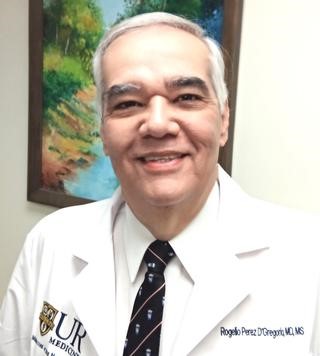
By Rogelio Perez D’Gregorio, MD, MS, MotherToBaby UR Medicine

Not many people know this, New York is the only state that requires that every pregnant woman have her risk of lead exposure assessed at the first prenatal visit. As a doctor seeing pregnant patients regularly, this is unbelievable to me! Highlighting this topic is particularly appropriate during October as this month we’ll celebrate National Lead Poisoning Prevention Week. This awareness week was created because lead exposure can have such serious consequences, for pregnant women and particularly for developing children.

What is lead?
Lead is a heavy metal found in many different places, like dust, air, soil, water, food and inside our homes. For generations, lead has been used in many products, like paint. People didn’t even realize it was there and that is could be harmful. It was also used in gasoline, and continue to be used in batteries, electronics, pipes, solder, ceramics, glass, toys and jewelry among many other things. In 1978, lead was removed from the manufacture of household paints. But even today the remodeling of homes with old lead paint that had been applied years before continues to be a common source of lead exposure, especially when the paint is peeling or chipping off of the walls.

What is lead poisoning?
Lead poisoning may result in one symptom or many vague symptoms that sometimes are overlooked by health care providers. They can sneak up on an exposed person and he/she may not even realize he/she’s sick. Symptoms of lead poisoning can include abdominal pain, constipation, diarrhea, aggressiveness, anxiousness, hyperactivity, shortened attention span, muscle pain, weakness, weight loss, learning disabilities, convulsions, and (with significant lead exposure) even death. Someone with lead poisoning might also develop anemia (low blood iron).

It can be devastating for developing babies and kids.
In pregnancy, lead can cross the placenta and reach the baby; so if a pregnant woman is lead-exposed, so is her baby. In addition, young children tend to put everything in their mouths, so their risk for possible exposure is high. Low doses of lead can do lasting damage to infants and young children, as well as babies developing in mom’s womb. Potential effects include:

  1. Lower IQ
  2. Distractibility and hyperactivity
  3. Hearing loss
  4. Anemia
  5. Growth and behavioral problems
  6. Kidney and brain damage
  7. Bone weakness/osteoporosis

So what can you do to reduce your and your child’s exposure to lead?

  • All pregnant women should consider being tested for lead exposure. It is a simple and inexpensive test that can be included with the blood tests being done at your first prenatal visit. If your obstetric health-care provider does not suggest testing, ask your provider to order a blood lead test.
  • Have your child tested for lead starting before age 1, with regular testing occurring until age 6. Children under 6 are especially at risk, and the long-term effects of lead in a child can be severe!
  • Keep your house clean. Dust contaminated with lead that is accessible to young children can cause an increased blood lead level. Help young children wash their hands with soap and water frequently and discourage them from putting their fingers in their mouths. Use a wet mop to dust, clean windowsills regularly and wash toys frequently.
  • Lead in soil does not break down with time; it remains there forever. Don’t allow children to play in areas of bare soil.
  • Don’t burn painted wood, as it may contain lead.
  • If you work with lead, shower and change your clothes before going home.
  • Don’t remove lead paint yourself; it’s a job best left to the professionals.
  • Run the cold water in your kitchen faucet at a high rate for at least 30 seconds before drinking it, using it for mixing infant formula or for cooking, especially if it hasn’t been used in several hours.
  • Don’t store food or drink in lead crystal glassware or old pottery.
  • Beware of herbal products that are not certified because a range of heavy metals have been found in uncertified herbal products.
  • Make sure children have adequate amounts of calcium, iron and Vitamin C in their diets. If their diets are low in these minerals or vitamins, they can potentially absorb more lead if they ingest it.

As much as I am discouraged to see the lack of testing required nationwide for lead exposure, I am still filled with hope. My hope is that awareness, like this blog, will prevent one more child from being exposed to lead. Spread the word, share this info and remember, lead poisoning is entirely preventable! #kNOwLEAD this month and every month!

Rogelio Perez D’Gregorio, MD, MS is an Assistant Director of MotherToBaby UR Medicine and Assistant Professor of Obstetrics and Gynecology at the University of Rochester.

Other blog contributions were made by:

Stanley Schaffer, MD, Director of the Western New York Lead Resource Center in Rochester and an Associate Professor of Pediatrics, at U of R.

Richard K. Miller, PhD, Director of MotherToBaby UR Medicine and Co-Director of the Finger Lakes Children’s Environmental Health Center. He also Professor of Obstetrics/Gynecology, of Environmental Medicine and of Pathology and Clinical Laboratory Medicine at U of R.

About MotherToBaby
MotherToBaby is a service of the Organization of Teratology Information Specialists (OTIS), suggested resources by many agencies including the Centers for Disease Control and Prevention (CDC). If you have questions about exposures during pregnancy and breastfeeding, please call MotherToBaby toll-FREE at 866-626-6847 or try out MotherToBaby’s new text information service by texting questions to (855) 999-3525. You can also visit MotherToBaby.org to browse a library of fact sheets about dozens of viruses, medications, vaccines, alcohol, diseases, or other exposures during pregnancy and breastfeeding or connect with all of our resources by downloading the new MotherToBaby free app, available on Android and iOS markets.

References


When You Don’t Feel Sick: How Lead Poisoning Can Sneak Up on Moms and Kids

By Dr. Sarah Običan, OBGYN, MotherToBaby Florida

I feel really lucky. I have had the pleasure and privilege to live and work in some great cities and universities as an OBGYN. I spent my formidable residency years in Washington, DC and loved the diversity of my patients. Being that I was located in the heart of our nation’s capital, in one room I would deliver a princess of some far off nation, in the next, it’d be a dignitary from “the Hill.” But it wasn’t always rosy. Working in such a busy labor and delivery unit meant I would also take care of a 36-week pregnant mother who almost overdosed on cocaine and heroin. The experience was humbling and arguably taught me more about medicine and life than any other. My fellowship years at Columbia University I spent living in Harlem. I brought into the world my first son and delivered him into that beautiful and diverse community. It is a community that’s strong and steeped in history where every stroll on the city sidewalk is a moment from a great photo essay. It is also a community of struggles, hard lives, and injustice. It’s unfortunately a “perfect” setting for the drug market to make its mark.

Still nothing could have prepared me for my first job out of fellowship. I relocated to a great university center in Florida. With my training behind me, I was ready to tackle the hardest maternal and fetal diseases. If I’m being honest, though, my first week on the job was an eye-opener. Even with all my training, I was not ready for the sheer volume of patients suffering from opioid use and addiction.

I was seeing pregnant women with chronic opioid use almost every day. To say I was disheartened and scared for my patients would not give the feelings justice. I realized I needed to learn more. I studied the opioid crisis, read more on the subject than ever before, found physicians who were willing to treat pregnant women with opioid addiction and put them on my speed dial. I connected with a local treatment center and found the scarce resources in my new community. My new job was challenging but I wanted to somehow help the new community I serve and love.

So why should you care about all this?
Just like in the general population, opioid use during pregnancy is on a steep rise. Alarmingly, death rates from overdoses are up too. Babies are also suffering; neonatal abstinence syndrome (NAS – drug withdrawal in the baby after birth) happens in more than a third of the newborns born to mothers with chronic opioid use. These babies can experience poor feeding, sleeping, and irritability. Drug abuse during pregnancy also increases the risk of preterm birth (early delivery), decreased fetal growth, and fetal death. In just under 15 years, the rate of NAS-affected live births quadrupled, significantly increasing the emotional, medical and economic burden on society.

Moms with opioid addiction need our help.
Opioid abuse is lonely. Sooner or later, many of my patients feel isolated. They are scared and feel shunned from their community. They can be addicted with very little resources extended to them for their care. You don’t need to be a doctor to know that good prenatal care leads to healthier pregnancies. However, women who abuse opioids are much less likely to get appropriate prenatal care. These moms often suffer from anxiety and depression and may use substances along with opioids that have an impact on their pregnancy, such as alcohol and tobacco.

Hope.
For sure we are in an epidemic. We have heart wrenching clinical scenarios of mothers and their children, but we have some great stories too. Mothers who receive the support they need, babies born to healthier moms now capable to take care of their children. We have to fight for more resources in each of our communities, locally and nationally. It’s not enough to show burden of disease, but more important to enrich our communities with possibilities. That is all of our jobs, no matter if you are a doctor, mother or neighbor.

Dear Moms Struggling with Opioid Addiction,
Please know that I see you and I want to help.

Dear Healthcare Professional,
You may feel lonely, too, scared that you don’t know enough or that you don’t have the resources to find answers to appropriately help the patients you love. I’ve been there and I want to help.

It begins and ends with all of us.

Resources for Moms and Health Care Providers:

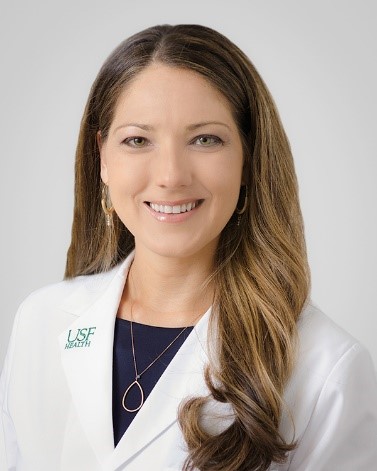
Sarah G. Običan, MD, is an OBGYN and Maternal Fetal Medicine specialist at the University of South Florida. She is the director of the new MotherToBaby Florida affiliate based in Tampa. She has particular research and clinical experience in teratology, fetal echocardiography and fetal therapy. She is the proud mom of two little boys.

About MotherToBaby
MotherToBaby is a service of the Organization of Teratology Information Specialists (OTIS), suggested resources by many agencies including the Centers for Disease Control and Prevention (CDC). If you have questions about exposures during pregnancy and breastfeeding, please call MotherToBaby toll-FREE at 866-626-6847 or try out MotherToBaby’s new text information service by texting questions to (855) 999-3525. You can also visit MotherToBaby.org to browse a library of fact sheets about dozens of viruses, medications, vaccines, alcohol, diseases, or other exposures during pregnancy and breastfeeding or connect with all of our resources by downloading the new MotherToBaby free app, available on Android and iOS markets.

References

Centers for Disease Control and Prevention. Opioid painkiller prescribing: where you live makes a difference. Available at: https://www.cdc.gov/vitalsigns/opioid-prescribing. Retrieved March 7, 2017.

Substance Abuse and Mental Health Services Administration. Drug Abuse Warning Network, 2011: national estimates of drug-related emergency department visits. HHS Publication No. (SMA) 13-4760, DAWN Series D-39. Rockville (MD): SAMHSA; 2013. Available at: https://www.samhsa.gov/data/sites/default/files/DAWN2k11ED/DAWN2k11ED/DAWN2k11ED.pdf.

National Center for Health Statistics. NCHS data on drug-poisoning deaths. NCHS Factsheet. Available at: https://www.cdc.gov/nchs/data/factsheets/factsheet_drug_poisoning.htm. Retrieved March 8, 2017

Desai RJ, Hernandez-Diaz S, Bateman BT, Huybrechts KF. Increase in prescription opioid use during pregnancy among Medicaid-enrolled women. Obstet Gynecol 2014;123:997–1002.

Jones HE, Finnegan LP, Kaltenbach K. Methadone and buprenorphine for the management of opioid dependence in pregnancy. Drugs 2012

The American College of Obstetricians and Gynecologists. Opioid Use and Opioid Use Disorder in Pregnancy. Committee Opinion Number 711, August 2017.

Patrick SW, Davis MM, Lehmann CU, Cooper WO. Increasing incidence and geographic distribution of neonatal abstinence syndrome: United States 2009 to 2012 [published erratum appears in J Perinatol 2015;35:667]. J Perinatol 2015;35:650–5.


When You Don’t Feel Sick: How Lead Poisoning Can Sneak Up on Moms and Kids

By Lindsey Morse, MS, CGC, MotherToBaby New York

It’s officially summer! Time for pool parties, cook-outs, and beach-side picnics. Bring on the hamburgers and hotdogs, potato and pasta salads, fish fry, and barbecue chicken.

You may be wondering if it is safe to eat that food that has been sitting in the sun? Also, didn’t I hear somewhere that pregnant women shouldn’t eat fish or undercooked meat during pregnancy? Is it safe to swim in lake water or at the beach? How can I protect my baby during my pregnancy while still enjoying summertime fun and food with my family and friends?

Easy! There are just a few simple tips to keep in mind.

Tip 1 – Thoroughly cook all meat and seafood
Food safety is important whether you are pregnant or not. But some food-borne illnesses can be more of a concern if you are pregnant. Safe handling, preparation, and storage of foods reduces the chance that you could be exposed to little organisms that could make you feel bad in a big way.

One of the most common questions about food during pregnancy is about eating meat, especially deli sandwich meat, or undercooked meat (like that medium-rare steak). There are all these warnings about what to eat and what not to eat. So, how do you know what is a concern and what can you do about it?

Well, there are several microorganisms (bacteria and parasites) that can be found in meat before it’s cooked, if it’s only partially cooked, or if it has been cooked and then frozen or refrigerated to be eaten later. These include things like Escherichia coli (E. coli), Salmonella, Listeria, and Vibrio. (See MotherToBaby.org for more info in our fact sheets.) Some types, or strains, of these microorganisms are not harmful and are actually good for us, helping with digestion for example. But others can make you sick causing stomach cramps, diarrhea, vomiting, joint and muscle pain, and fever. Symptoms may last only a few hours with some infections or up to a week with others. In women who are pregnant, exposure to some microorganisms might make you sick, but are unlikely to directly affect the baby’s development. Other microorganisms may increase the chance for miscarriage or other pregnancy complications, like early delivery.

You may have heard that women who are pregnant should not clean out their cat’s litter box due to a risk of toxoplasmosis, but did you know that this same parasite, Toxoplasma gondii, is also found in undercooked meats? When moms are infected during pregnancy, there is a chance for congenital toxoplasmosis in their babies. This can cause liver, spleen, heart, brain, and eye problems including blindness, deafness, seizures, and cognitive delays. This is usually only a risk with a new infection during pregnancy, not if you have had toxoplasmosis in the past.

Cooking meat and seafood until the center reaches a safe minimum temperature or reheating meat destroys the bacteria or parasite, thereby preventing illness. While great chefs will tell you all sorts of tips and tricks for determining how done your steak is, invest in a meat thermometer! They are easy to find in most grocery stores and really take the guess work out of not only your next backyard party but also your weeknight dinners. Below is a table with the recommended temperatures for different meats. You can find our fact sheet on meat and seafood at https://mothertobaby.org/fact-sheets/eating-raw-undercooked-or-cold-meats-and-seafood/.

Meat/Seafood Safe Minimum Internal Temperature
Fish and Shellfish 145 °F (63°C)
Pork 145 °F (63°C)
Beef (steaks, chops, and roasts) 145 °F (63°C)
Beef and Pork (ground) 160 °F (71°C)
Wild game 165 °F (74°C)
Poultry 165 °F (74°C)
Cold lunchmeat and deli meat Cook until steaming

Tip 2 – Safe food preparation and handling are also important
Some of the same bacteria and parasites can also be found on fruits and vegetables, or in unpasteurized dairy products like milk, cheese, and eggs. Washing your fruits and vegetables thoroughly and eating only pasteurized dairy products are the best ways to prevent exposure. And don’t forget to wash your hands, cutting boards, and utensils thoroughly after handling uncooked meat, as well as unwashed fruits and veggies to avoid contaminating other foods.

Oh, and that grilled chicken that has been sitting in the sun for three hours – forget it! Once cooked, meat and seafood should be eaten right away. Leftovers of all types (including those pasta and potato salads, and anything with mayo or salad dressings) should be refrigerated at or below 40o F (4oC) as soon as possible and then meats thoroughly reheated before they are eaten.

Tip 3 – It is good to eat fish during pregnancy, but some are better than others
Another frequent question is about eating fish during pregnancy. Many fish contain a substance called methylmercury. Some fish have higher levels of this type of mercury than other types of fish – this usually depends upon the size of the fish, how long it lives, and where it lives prior to making it to your table.

But fish and seafood are actually a good source of protein and other vitamins that are good not only for adults but also for developing babies. The key is to eat the right types of fish and seafood in the right amounts. See our fact sheet athttps://mothertobaby.org/fact-sheets/methylmercury-pregnancy/pdf/ for more information. The Food and Drug Administration (FDA) also has a quick guide which can be helpful to determine which are the best options for you: https://www.fda.gov/downloads/Food/ResourcesForYou/Consumers/UCM536321.pdf%20

Tip 4 – Do some research before going swimming
Some of the bacteria mentioned earlier in this blog can be found in water, like your local lake or warm coastal waters. In addition to bacteria, lakes and rivers can contain things like protozoa and worms which cause diarrhea, abdominal cramps, and fever. Besides eating contaminated food, these organisms can get into your body if you swim in infected water especially when you have an open wound, even a small scrape, if you swallow any water, or if water goes up your nose. Risks are often highest during and after a storm as this increases rain water runoff and pollution from the surrounding area.

There also can be certain types of algae in the water that may be harmful in high amounts. I recently received a call from a pregnant mom on vacation in Florida concerned about a red tide warning in her area. Red tides are caused by a high concentration of algae (an algal bloom) and happen mainly in Florida but can occur along the Gulf Coast or as far north as Delaware. Many algal blooms are not harmful, but others can cause low oxygen levels in the water harming marine animals and causing a build-up of toxins (called brevotoxins) in the water.

Pay attention to the warnings in your area because it is not a good idea to swim in areas where you know that there is an algal bloom or high bacteria counts, particularly if you have an open wound. Check out the Environmental Protection Agency’s website https://www.epa.gov/beaches to find info about freshwater and saltwater beaches in your area. Also, look around the area that you plan to swim for obvious signs of pollution like a neighboring farm, trash in the water, or even dead fish floating in the water.

It is also important not to eat locally, recreationally caught shellfish during a red tide – shellfish in grocery stores and restaurants are regulated and are not caught during an algae bloom so they aren’t contaminated but recreationally harvested shellfish could be. The brevetoxins which are found in red-tides are not destroyed by cooking.

Bottomline, planning is key! While often the risks associated with food-borne illnesses are bigger for you than for your baby, a few simple precautions can help you have a healthy pregnancy and still enjoy your favorite foods and summertime activities. Just remember to pick up a meat thermometer, give those veggies a good wash before you make that salad, avoid foods that have been sitting out in the sun, and know your lakes and beaches!

Lindsey Morse, MS, CGC, is a senior genetic counselor for Ferre Genetics, a program of the Ferre Institute based in Binghamton NY. Lindsey is also a teratogen information specialist with Pregnancy Risk Network, also known as MotherToBaby New York, and has served as co-director of the program since 2015. Lindsey counsels patients in all areas of genetics from prenatal to adult genetics. She also lectures on a variety of genetic issues to community organizations including high school, university, and medical students, physicians, and community health programs.

About MotherToBaby
MotherToBaby is a service of the Organization of Teratology Information Specialists (OTIS), suggested resources by many agencies including the Centers for Disease Control and Prevention (CDC). If you have questions about exposures during pregnancy and breastfeeding, please call MotherToBaby toll-FREE at 866-626-6847 or try out MotherToBaby’s new text information service by texting questions to (855) 999-3525. You can also visit MotherToBaby.org to browse a library of fact sheets about dozens of viruses, medications, vaccines, alcohol, diseases, or other exposures during pregnancy and breastfeeding or connect with all of our resources by downloading the new MotherToBaby free app, available on Android and iOS markets.


When You Don’t Feel Sick: How Lead Poisoning Can Sneak Up on Moms and Kids

By Bethany Kotlar, MPH, Teratogen Information Specialist, MotherToBaby Georgia

Anyone who has been pregnant knows it’s no walk in the park. From the intense nausea, vomiting, and strange cravings of the first trimester, to all the aches and pains of the third trimester, carrying a baby can feel like a marathon! It’s no wonder pregnant women look high and low for any form of relief. Two questions we are asked frequently here at MotherToBaby are-“Can I get a massage?” and “Is acupuncture safe during pregnancy?”

Want a massage? Here’s the rub…

At 38 weeks pregnant, my feet hurt, my back hurt, sometimes it felt like even my hair hurt! All I wanted was someone to knead all my aches and pains away. I wanted a massage, so being a MotherToBaby information specialist, I set out to research massage during pregnancy. On the plus side, studies have shown that massage can benefit pregnant women. Massage during pregnancy not only helps with those aches and pains, it has also been shown to decrease stress, help ease symptoms of depression, and increase feelings of wellbeing. Sounds pretty good, right?

So, should you run out and book that massage right this second? Not too fast – there are a couple of things to keep in mind. The safety of massage in the first trimester hasn’t been studied well. Because of this, some massage therapists and medical professionals recommend avoiding massage during the first three months of pregnancy. If you do decide to get a massage in the first trimester, it’s better to choose a massage that doesn’t use heat (like a hot towel or hot stones), especially around the stomach area or lower back. This is because overheating during pregnancy can increase the risk of birth defects. See our fact sheet on hyperthermia for more information: https://mothertobaby.org/fact-sheets/hyperthermia-pregnancy/.

When getting a massage at any point in pregnancy, choose a massage therapist who is trained to work with pregnant women. These therapists will know to avoid pressure in certain areas and will also know which places can get especially sore when you’re carrying a baby. It’s also best to avoid massages that apply a lot of pressure, like deep tissue massages, since these haven’t been well studied. Finally, make sure your therapist knows whether you have any allergies to certain oils and that they are using products that are not known to increase risk during pregnancy.

If you’re getting a massage in late pregnancy, the massage therapist may offer to apply pressure to certain points on your body that are thought to bring on labor. Studies have not shown that this actually induces labor, but to be on the safe side it’s better to wait until you are at least 39 weeks pregnant to try.

What about acupuncture? A few points…

Acupuncture is a technique in which a trained practitioner inserts very small needles into certain points of the body. Stimulating these points is thought to help with pain, indigestion, infertility, and much more. Acupuncture is usually recommended to pregnant women to help with nausea and vomiting, and to relieve pain.

The available studies do not show an increased risk of birth defects or other pregnancy problems when pregnant women use acupuncture. The most common risk with acupuncture is to feel a little pain when the needles are placed. While the risk from acupuncture is low, studies also haven’t shown that acupuncture necessarily helps with nausea, vomiting, or pain during pregnancy.

If you do decide to get acupuncture during pregnancy, be sure to find a trained practitioner. You may want to find a practitioner with experience working with pregnant women as well. Make sure your practitioner is not re-using needles from other clients as this may increase the risk of certain infections. Like massage, there are a few acupuncture points that are thought to bring on labor. Studies haven’t shown that this will bring baby earlier, but it’s best to avoid these points unless you are at least 39 weeks pregnant.

As with any treatment, it’s best to talk to your healthcare provider before starting. Remember, we’re here to help too! If you have any questions about massage, acupuncture, or any other exposure during pregnancy, you can contact an expert at MotherToBaby by calling 866-626-6847, texting 855-999-3525, or by live chat or email at https://mothertobaby.org//a>.

Bethany Kotlar, MPH, is a teratology information specialist with MotherToBaby Georgia. She holds a Masters in Public Health specializing in Maternal and Child Health, and is a Certified Childbirth Educator. She enjoys exercising, traveling and Netflix.

About MotherToBaby

MotherToBaby is a service of the Organization of Teratology Information Specialists (OTIS), suggested resources by many agencies including the Centers for Disease Control and Prevention (CDC). If you have questions about exposures during pregnancy and breastfeeding, please call MotherToBaby toll-FREE at 866-626-6847 or try out MotherToBaby’s new text information service by texting questions to (855) 999-3525. You can also visit MotherToBaby.org to browse a library of fact sheets about dozens of viruses, medications, vaccines, alcohol, diseases, or other exposures during pregnancy and breastfeeding or connect with all of our resources by downloading the new MotherToBaby free app, available on Android and iOS markets.


When You Don’t Feel Sick: How Lead Poisoning Can Sneak Up on Moms and Kids

By Lori Wolfe, Certified Genetic Counselor at MotherToBaby North Texas

Did you know that the month of March is green tea month? Green tea has been said to have many health benefits, including: preventing memory loss, promoting bone health, decreasing risk of cancer, increasing dental health, reducing the chance of getting type 2 diabetes, and helping us lose weight. Green tea is loaded with nutrients and antioxidants, and has been said to be “the healthiest beverage on the planet.” So, given all of this wonderful news, who wouldn’t want to join Lucky the Leprechaun in the month of March and enjoy a cup of green tea?

As an information specialist with MotherToBaby, I recently had a pregnant mom named Lynn text me, asking: “Can you drink green tea if you take your prenatal vitamin later? How much does green tea impact folic acid absorption? I am in my first trimester and have had some green tea throughout pregnancy, and I am now worried about it impacting my folic acid absorption.” Wow, I thought, that is a great question! As the MotherToBaby specialist on the other side of the text, I started researching her questions so that I could give her the most up-to-date information out there.

First, let’s talk about folic acid: what is it and why is it important to pregnant women?
We all need folic acid every day in our bodies to help make new cells. Folic acid is a synthetic form of Vitamin B9, also known as folate. It is very important to take enough folic acid just before and during pregnancy. Many studies have shown that taking the recommended daily allowance of 400 micrograms per day during pregnancy reduces the chance that the baby will have serious birth defects of the spine and brain, called neural tube defects (NTD).

So what’s the connection between drinking green tea, folic acid, and pregnancy?
Green tea contains something called catechins, which have been shown to partially prevent the cells in the intestines from absorbing folic acid. Studies have shown that when women are drinking a lot of green tea, they have lower levels of folate in their system. That means there is less folic acid that can cross the placenta and get to the baby, and the baby can thus be at a higher risk for having a NTD. This can occur when a pregnant woman is drinking more than three cups of tea per day. Green tea and some forms of black tea such as Oolong tea can be high in catechins. Taking a daily prenatal vitamin has been shown to reduce this possible risk in heavy tea drinkers.

Another concern with drinking green tea during pregnancy is the caffeine content.
The good news is that green tea contains less caffeine than coffee (about 20 to 50 mg of caffeine per cup in green tea verses an average of 100 mg of caffeine per cup in coffee). Moderate levels of caffeine (about 200 mg/day) have not been shown to increase any risks in pregnancy. See our MotherToBaby fact sheet for more information on caffeine and pregnancy at https://mothertobaby.org/fact-sheets/caffeine-pregnancy/. Women may want to limit their tea consumption during the first trimester when the baby’s neural tube is developing to avoid the chance of decreasing absorption of folic acid. After this point, drinking one cup of green tea per day has not been shown to increase any risks for the baby.

I counseled Lynn that she can enjoy a cup of green tea now and then, as occasionally drinking green or black tea has not been shown to increase the risk for any problems during pregnancy. So, raise that cup of green tea along with Lucky the Leprechaun and enjoy “going green” in the month of March!

If you have questions about exposures during pregnancy or breastfeeding, contact an expert at MotherToBaby. You can reach us by phone at 866-626-6847 or by text at 855-999-3525. You can also email or live chat with us by visiting https://MotherToBaby.org.

Lori Wolfe, CGC, is a board certified Genetic Counselor and the Director of MotherToBaby’s North Texas affiliate. MotherToBaby aims to educate women about medications and more during pregnancy and breastfeeding. Along with answering women’s and health professionals’ questions regarding exposures during pregnancy/breastfeeding via MotherToBaby’s toll-free number, text line and by email, Wolfe also teaches at the University of North Texas, provides educational talks regarding pregnancy health in community clinics and high schools.

About MotherToBaby
MotherToBaby is a service of the Organization of Teratology Information Specialists (OTIS), suggested resources by many agencies including the Centers for Disease Control and Prevention (CDC). If you have questions about exposures during pregnancy and breastfeeding, please call MotherToBaby toll-FREE at 866-626-6847 or try out MotherToBaby’s new text information service by texting questions to (855) 999-3525. You can also visit MotherToBaby.org to browse a library of fact sheets about dozens of viruses, medications, vaccines, alcohol, diseases, or other exposures during pregnancy and breastfeeding or connect with all of our resources by downloading the new MotherToBaby free app, available on Android and iOS markets.

References:
Gunners, Kris, https://www.healthline.com, 1/17/18.

“Folic Acid, Key Points,” www.marchofdimes.org, 2/18.

Rongwei, Ye et al, “Tea Drinking as a Risk Factor for Neural Tube Defects in Northern China, Epidemiology, Volk 22, No 4, July 2011. Yazdy, Mahsa et al,
“Maternal Tea Consumption during Early Pregnancy and the Risk of Spina Bifida”, Birth Defects Research (Part A), Clinical and Molecular Teratology 94:56-76, 2012.

“Why to go Easy on the Green Tea During Pregnancy,” Neifeild, Rachel, RD. CDN, www.babymed.com, 2/23/18.