Free Expert Counseling about Medication Use during Pregnancy Now Just a Click Away

MotherToBaby Connects Public with Health Experts through Unique New Website, Live Chat

woman typingBRENTWOOD, TN – As January’s National Birth Defects Prevention Month continues to be recognized around the country, MotherToBaby, a service of the international non-profit Organization of Teratology Information Specialists (OTIS), launches new digital ways for expectant moms and health care providers to get free expert information about the risks of medications and other exposures during pregnancy and breastfeeding – through instantaneous, private live chat on www.MotherToBaby.org.

The digital initiative comes just a few short months after the service launched a first-of-its-kind texting component where the public can receive free expert answers by texting questions to 855-999-3525. “It’s our experience that all moms-to-be want the best information possible in order to have a healthy baby,” said Kenneth Lyons Jones, MD, MotherToBaby Past-President and world-renowned pediatrician at UC San Diego. “No matter what their income level or socio-economic situation, we feel every woman should have access to the best, expert health information possible. We’re making it easy for them to accomplish this through our new digital services.”

Expectant moms, as well as those who are breastfeeding, will simply need to visit www.MotherToBaby.org on their computer or phone to be connected to a bilingual (English/Spanish) specialist in the field of teratology – the study of exposures that cause birth defects. The newly-revamped website includes options to chat live through private, instant messaging or to email-an-expert. The MotherToBaby website also houses a library of free downloadable fact sheets in both English and Spanish on a variety of exposures. The digital counseling components complement the services’ traditional, phone counseling service (available toll-free at 866-626-6847) which has been available for more than 30 years.

Dr. Jones, a health care provider himself, expects this new way of delivering evidence-based information about the risks of exposures like medications, vaccines, chemicals, environmental agents and diseases, will also be convenient for his busy colleagues who see patients. “Oftentimes, a health care provider may only have a few minutes in-between patient appointments to get the latest teratogen information they need quickly. This will be a great option for them as well,” he said.

Sonia Alvarado, a bilingual teratogen information specialist who’s been based at MotherToBaby’s California affiliate for more than a decade, is leading the online live chat initiative. “The risk to the developing baby from exposures like medications during a mom’s pregnancy can vary greatly depending on timing of the exposure, mom’s metabolism and much more,” she said. “To be able to provide her with information tailored to her personal circumstance allows her to make informed decisions along with the guidance of her doctor. To be able to empower her with that kind of knowledge is extremely rewarding.”

About MotherToBaby
MotherToBaby, which consists of 14 services housed at universities, hospitals and government institutions across the country, provides free, evidence-based, personalized risk assessments, education and counseling regarding the effects of exposures like prescription and over-the-counter drugs, alcohol, smoking, illicit substances, vaccines, beauty products, herbal supplements, chemicals and more during pregnancy and while breastfeeding.

More than 100,000 women and their health care providers seek information about birth defects prevention from MotherToBaby every year. MotherToBaby has been able to launch new outreach efforts to reach underserved populations, including new communication technologies, through a cooperative agreement with the U.S. Health Resources and Services Administration.

About National Birth Defects Prevention Month
Roughly 120,000 babies are affected by birth defects each year in the United States, according to the National Birth Defects Prevention Network (NBDPN). The NBDPN established the nationally-recognized Birth Defects Prevention Month in order to raise public awareness of the problem that can sometimes lead to lifelong challenges and disability. To learn more about the NBDPN, visit www.nbdpn.org.

# # #
Media Contact: Nicole Chavez, 619-368-3259, nchavez@MotherToBaby.org. Interviews in Spanish can also be arranged.


Free Expert Counseling about Medication Use during Pregnancy Now Just a Click Away

In collaboration with the Centers for Disease Control and Prevention (CDC) National Center on Birth Defects and Developmental Disabilities, the American Academy of Pediatrics Program to Enhance the Health and Development of Infants and Children (PEHDIC) is offering a free webinar with the aim of educating health care providers about medication safety during pregnancy and resources to help counsel women on treatment decisions before and during pregnancy.

MTB_Head Shots-18The webinar, led by Christina Chambers, PhD, epidemiologist, UC San Diego professor and Director of our MotherToBaby California affiliate, as well as Cheryl Broussard, PhD, Health Scientist at the CDC’s Birth Defects Branch, will provide an overview of what is known about medication safety during pregnancy, relevant clinical considerations for prescribers and pharmacists and resources to help counsel women regarding treatment decisions before and during pregnancy.

Taking some medications early in pregnancy—often before women know they are pregnant—can increase the risk for some birth defects and other poor pregnancy outcomes. “While pregnant women should not stop or start taking any type of medicine without first talking with a health care provider, the information available to health care providers to guide and support the decision making process is limited,” explained Chambers. “We hope to provide some insight and resources to make that process easier for them.”

The free webinar will take place on January 26, 2016 at 2p Eastern. Click here to register.


Free Expert Counseling about Medication Use during Pregnancy Now Just a Click Away

tiger-mosquito-49141_1920by the MotherToBaby Public Affairs Committee

UPDATED STATEMENT AS OF FEBRUARY 4, 2016

MotherToBaby Experts Offer Evidence-Based Information about Zika Virus during Pregnancy
On February 1, 2016 the World Health Organization (WHO) declared “A Global Public Health Emergency” over the Zika virus, due to its suspected ability to cause microcephaly in unborn babies (1). The Centers for Disease Control and Prevention (CDC) “developed interim guidelines for healthcare providers in the United States caring for women during a Zika virus outbreak.” (2) These guidelines include recommendations for pregnant women considering travel to an area with Zika virus transmission and recommendations for disease testing, ultrasound testing, and management of pregnant women returning to the United States after traveling to areas where the virus is being transmitted. Since some infected, pregnant women will not show symptoms, providers may consider additional ultrasound testing. The CDC states that, in addition to the routine ultrasound testing at 18-20 weeks of pregnancy, “additional ultrasounds might provide an opportunity to identify findings consistent with fetal Zika virus infection and offer pregnant women the option of amniocentesis to test for Zika virus RNA.” (3) These CDC guidelines will be updated as more information becomes available.
MotherToBaby, a service of the non-profit Organization of Teratology Information Specialists (OTIS), is suggested as a resource by many agencies including the CDC and the Food and Drug Administration’s (FDA) Office of Women’s Health. MotherToBaby offers evidence-based information about exposures, such as the Zika virus, during pregnancy and breastfeeding through its toll-free phone line (866-626-6847), text message (855-999-3525) and digitally via email and live chat on www.MotherToBaby.org.

We can cover topics such as:
• Mode of transmission
• Regions where it has been identified
• Symptoms of infection
• Effects of the infection and symptoms on the pregnancy
• Effects of treatment of the infection and symptoms on the pregnancy
• Prevention of infection
• Central nervous system (CNS) malformations
• Information on types of testing depending on when the infection occurred

References:
1) http://www.npr.org/sections/thetwo-way/2016/02/01/465163095

2) http://www.cdc.gov/mmwr/volumes/65/wr/mm6502e1.htm

3) http://www.cdc.gov/zika/hc-providers/qa-pregnant-women.html

OFFICIAL STATEMENT AS OF JANUARY 13, 2016

Recently, there have been reports of the Zika virus cases and its possible effect on a pregnancy. While information is currently limited, there are some things we know:

Zika virus was first identified in Africa in 1947. In 2013, there were outbreaks in islands in the Pacific, and now outbreaks are being reported in many Central and South American counties. Isolated cases have been also reported in Puerto Rico and Texas in the last few weeks.

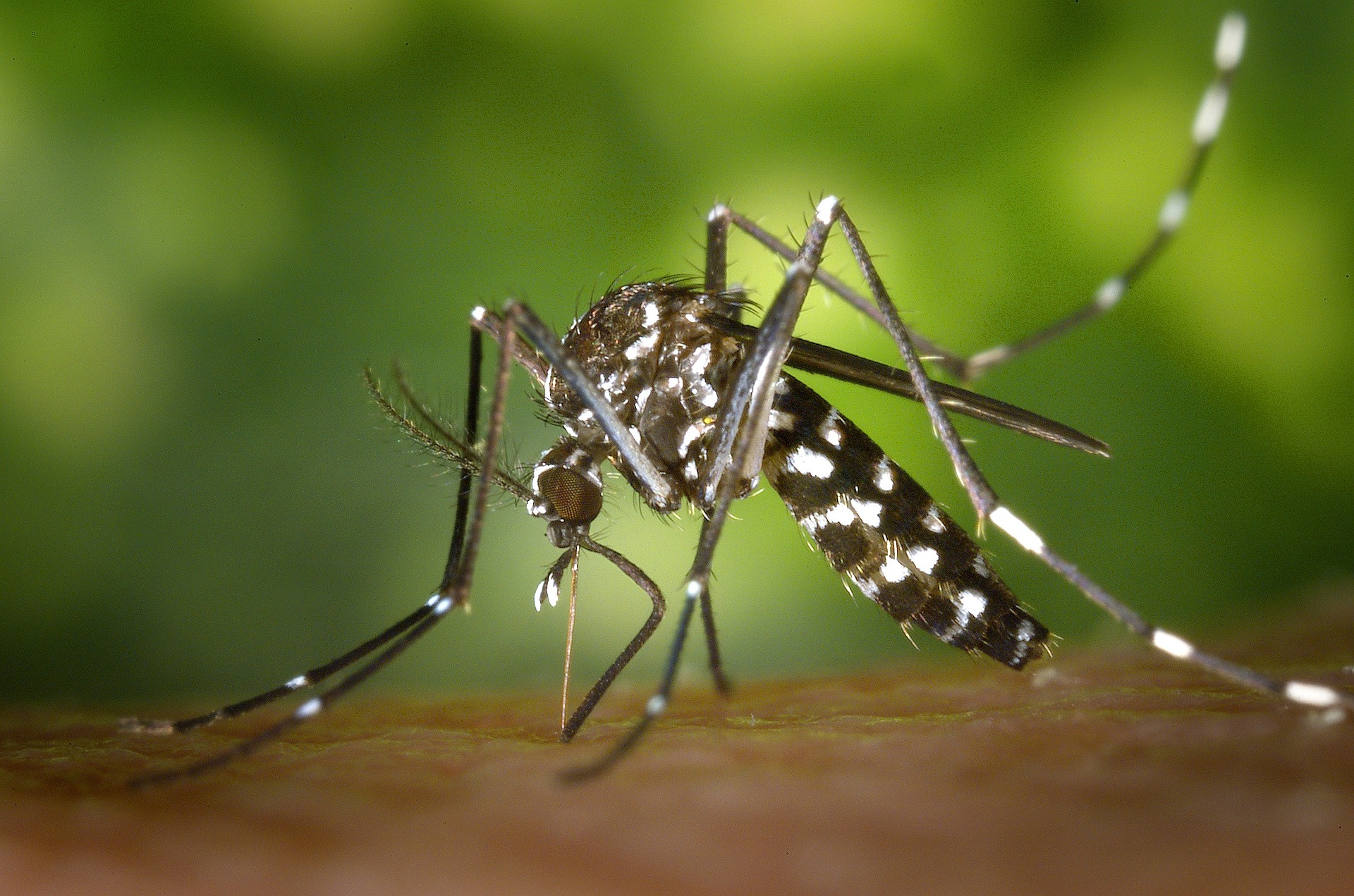
Zika virus is spread by mosquito bites. Symptoms of the Zika virus include fever, headache, joint and/or muscle pain, conjunctivitis (“pinkeye”) and sometimes a rash.

There have been reports of microcephaly (small head and brain) in the babies of pregnant women who were infected with the Zika virus during pregnancy. Research is ongoing to determine if Zika virus is the cause of microcephaly in infants whose mothers were infected with the virus during pregnancy and if the stage of pregnancy plays a role.

There is no vaccine or cure for the Zika virus. Symptoms are treated as they arise (such as using acetaminophen to treat fever and/or headaches). Prevention is the best approach. That includes using bug repellent (including formulas that contain DEET- https://mothertobaby.org/fact-sheets/deet-nn-ethyl-m-toluamide-pregnancy/), wearing protective clothing, and removing standing water where mosquitoes live. For more information, please visit http://www.cdc.gov/zika/prevention/index.html.

If you have questions or concerns about the Zika virus, please contact a bilingual (English/Spanish) MotherToBaby expert by calling 1-866-626-6847 or texting questions to 855-999-3525 (standard text messaging rates may apply). You can also chat live or send an email through www.MotherToBaby.org.

MotherToBaby is a suggested resource by many agencies including the Centers for Disease Control and Prevention (CDC) and the Food and Drug Administration’s (FDA) Office of Women’s Health. More than 100,000 women and their health care providers seek information about birth defects prevention from MotherToBaby every year.


Free Expert Counseling about Medication Use during Pregnancy Now Just a Click Away

teratology logo

Birth Defects Insights
a blog by our partners at the Teratology Society

By John Rogers, PhD, Teratology Society Past President

“County May Restrict Vaping,”Vaping Burns Hole In Dad’s LUNGS After E-Cigarette Spits Molten Nicotine Into His Throat,” and, perhaps one of the most disturbing, “Lab Tests Reveal Popular E-Cigarette Liquids Contain Harmful Chemicals.” These are just a few of the many headlines associated with vaping, otherwise known as electronic cigarette, or e-cigarette, use. Electronic cigarettes are also called electronic nicotine delivery systems (ENDS), the most descriptive term and the one I will use here. Why do I bring this up? Because, as a biologist and developmental toxicologist by profession, the risks associated with smoking and ENDS use is a professional interest. ENDS are here, they’re trending and they’re not going away anytime soon. So what does this mean for future generations? Particularly the ones growing in the wombs of many women exposed to the vaping culture? I’m calling on all scientists to take a closer look at the topic…first at the trends…

Where there’s smoke, there’s vaping.
Despite the disturbing headlines, vaping is on the rise. A 2013 study conducted by the Centers for Disease Control and Prevention (CDC) and Georgia iStock_vaping_300pxState University, found that from 2010 to 2013, awareness of ENDS grew to 80% and use of them more than doubled among U.S. adults. What may be equally, if not more disturbing is the early indication coming out of small studies that many pregnant women may escape to vape because of a presumption that ENDS are safer for the fetus than traditional smoking. Their rising use raises a lot of questions, but with few answers yet.

What we do know is that ENDS are unregulated.
ENDS are currently unregulated and highly variable in what they deliver in their vapor, including levels of nicotine. Heavy metals such as tin, chromium and nickel have been found in aerosols from some ENDS, along with propylene glycol, glycerol, and flavorings. While e-cigarettes are being marketed as an aid to smoking cessation, none has been approved by the FDA for this use. The U.S. Preventive Services Task Force (USPSTF)3 has concluded that nicotine replacement products (e.g., nicotine patch) and other pharmaceuticals for smoking cessation (varenicline and bupropion) have not been adequately tested for safety and efficacy during pregnancy, and the USPSTF and The American College of Obstetricians and Gynecologists4 recommend that clinicians offer pregnancy-tailored smoking cessation counseling for smokers.

Research is lacking on using ENDS during pregnancy, but we know a lot about nicotine.
As nicotine delivery devices, ENDS deliver a known human developmental toxicant that targets, at least, the developing brain and lungs. The dose of nicotine delivered during vaping is not well known and likely highly variable. Considering dose and potency, nicotine is probably the most toxic of tobacco smoke constituents for the developing conceptus. Delivered doses of solvents, flavorings and contaminants are poorly understood. While ENDS aerosols contain far fewer chemicals than tobacco smoke, there are no comparative studies showing that they are safer for pregnancy.

How does the availability of ENDS affect decisions about smoking during pregnancy?
All other things being equal, if a pregnant woman cannot quit smoking during pregnancy, e-cigarettes might be a safer (but not safe) substitute. But all other things are not equal. Does having the ENDS option reduce the rate of smoking cessation, which is the desired outcome, or is it a step in the right direction? Further, most women smokers at least reduce the number of cigarettes per day during pregnancy, which may result in less nicotine exposure than switching to ENDS. But the most insidious effect of ENDS on pregnancy may originate years earlier; the sharp rise in use by previously non-smoking teens will result in increased nicotine addiction inevitably extending into pregnancy for many. So the number of exposed pregnancies may show a sharp rise in the future due to today’s successful marketing of ENDS to adolescents.

With so many questions and not many answers, clearly it’s time to kick this issue in the “butt,” examine it closely, and light the way for healthier pregnancies and society in general.

Scientists interested or are already involved in research related to topics mentioned in this blog are encouraged to join the Teratology Society, the premier source for cutting-edge research and authoritative information related to birth defects and developmentally-mediated disorders. Members include those specializing in cell and molecular biology, developmental biology and toxicology, reproduction and endocrinology, epidemiology, nutritional biochemistry, and genetics, as well as the clinical disciplines of prenatal medicine, pediatrics, obstetrics, neonatology, medical genetics, and teratogen risk counseling. In addition, it publishes the scientific journal, Birth Defects Research. Learn more at www.Teratology.org.

Find the Teratology Society on Linkedin: http://www.Linkedin.com/company/teratology-society and on Facebook: http://www.Facebook.com/teratologysociety

About The Author
John M. Rogers, PhD, has been a Teratology Society member since 1982 and is a past president. He is director of the Toxicity Assessment Division at the United States Environmental Protection Agency. His areas of expertise include developmental biology and toxicology, embryo/fetal physiology, epigenetics, maternal-fetal interactions, mechanisms of teratogenesis, maternal nutrition, and the developmental origins of health and disease.

References
Brian A. King, Roshni Patel, Kimberly Nguyen, and Shanta R. Dube. “Trends in Awareness and Use of Electronic Cigarettes among U.S. Adults, 2010-2013.” Nicotine & Tobacco Research. First published online September 19, 2014, doi:10.1093/ntr/ntu191

Mark, Katrina S. MD; et al. “Knowledge, Attitudes, and Practice of Electronic Cigarette Use Among Pregnant Women.” Journal of Addiction Medicine: July/August 2015 – Volume 9 – Issue 4 – p 266–272

Counseling and interventions to prevent tobacco use and tobacco-caused disease in adults and pregnant women: U.S. Preventive Services Task Force reaffirmation recommendation statement Ann Intern Med 2009; 150:551-555

American College of Obstetricians and Gynecologists. Smoking cessation during pregnancy. Committee Opinion No. 471, November 2010, Reaffirmed 2015.