‘I Didn’t Know About Iodine:’ Secrets of this Essential Supplement during Pregnancy

SaltBy Kiran Thanigasalam, BPharm, MPH, MotherSafe (MotherToBaby’s Australian partner)

As Birth Defects Prevention Month came to a close last month, I thought it was crucial I keep the momentum going by talking about Iodine with every patient I come across as a pharmacist and counselor. Why? When planning for baby, you and your prenatal vitamin need to be on the same team when it comes to health. While there may be no “i” in team, there is an “i” in both iodine and iron. When the topic of iodine supplementation is raised with pregnant women, I can tell you that a lot of women confuse iodine with iron when searching for the perfect prenatal vitamin.

What is iodine?
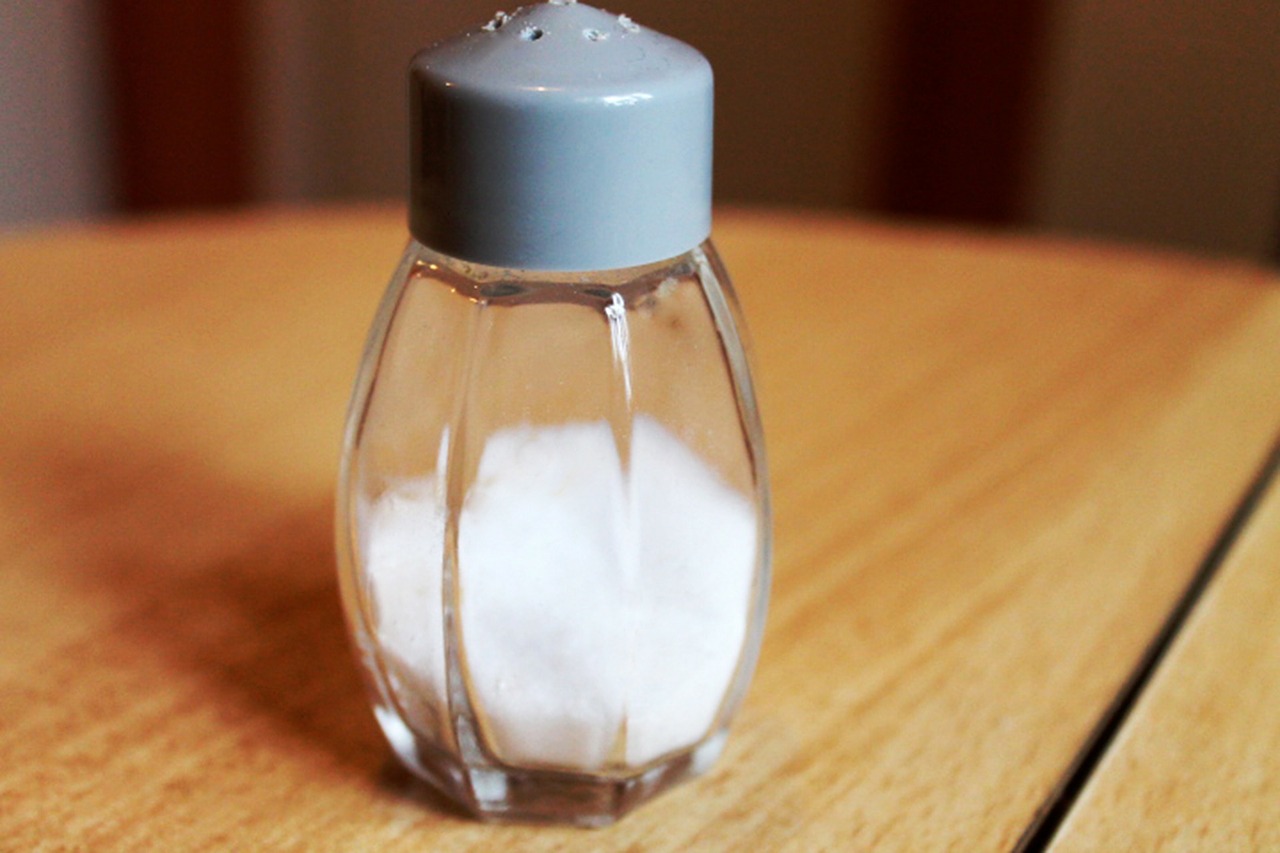
Iodine is a naturally-occurring trace element which is vital for thyroid function. It is an essential component of the thyroid hormones T4 and T3. Some common food sources include seaweed, fish, egg and iodized salt.

Misconception
The total recommended daily intake in pregnancy ranges from 220 micrograms (U.S. RDA) to 250 micrograms (W.H.O, Unicef, ICCIDD). While many women report that they have “tested within normal limits for everything” and have a balanced diet, the American Thyroid Association, American Academy of Pediatrics and the Endocrine Society recommend a prenatal supplement of at least 150 micrograms of elemental iodine per day for every pregnant woman. This recommendation assumes that the woman is also getting 70-100 micrograms of iodine in her daily diet.
The only exceptions to this recommendation are women with pre-existing thyroid conditions such as Graves’ disease who have been advised by their treating specialists to avoid iodine supplements.

Dietary iodine intake in the US has generally been considered adequate since the fortification of table salt and other foods. However, since routinely testing iodine concentrations in urine is not practical and since supplementation is cheap, safe and effective, the preventative approach of a one-size-fits-all supplement in pregnancy provides peace of mind – especially for at-risk groups like vegetarians or those who do not consume dairy products or iodized salt.

Getting enough iodine is crucial for a developing baby’s brain and skeleton.

In its most extreme form, iodine deficiency can result in maternal goiter (a condition in which the thyroid gland becomes enlarged), miscarriage and stillbirth. However an underactive thyroid gland in the mother, even if she is not having any symptoms, can cause the baby to have neurodevelopmental problems such as a reduced IQ.

Clearly, not all prenatal vitamins are the same.

A 2009 paper published in the New England Journal of Medicine surveyed 223 prenatal multivitamins marketed in the United States and found that only 51% contained iodine, and 37% of those products contained kelp as the iodine source. Unfortunately, wide variations in the iodine content of kelp make this an unreliable choice of supplement. Potassium iodide is preferred.

As a result, it is crucial to check that the prenatal vitamin you are contemplating buying contains not only folic acid (which is important to prevent birth defects of the spine, called neural tube defects), but also iodine at the recommended amount and in the right form. Here’s to a winning team when it comes to iodine and health for you and baby!
MotherSafe logo
About the Author

Kiran Thanigasalam, BPharm MPH, is a pharmacist and teratogen information specialist at MotherToBaby’s international affiliate, MotherSafe, which is based at the Royal Hospital for Women, Randwick in Australia.

MotherToBaby is a service of the international Organization of Teratology Information Specialists (OTIS), a suggested resource by many agencies including the Centers for Disease Control and Prevention (CDC). If you have questions about nutritional supplements, alcohol, medications, vaccines, diseases, or other exposures, call MotherToBaby toll-FREE at 866-626-6847 or try out MotherToBaby’s new text counseling service by texting questions to (855) 999-3525. You can also visit MotherToBaby.org to browse a library of fact sheets, chat live or email an expert.


‘I Didn’t Know About Iodine:’ Secrets of this Essential Supplement during Pregnancy
teratology logo

Birth Defects Insights

a blog by our partners at the Teratology Society

By Sarah Običan, OBGYN, Teratology Society Council Member and member of the MotherToBaby Board of Directors

See Dr. Obican’s blog on Linkedin and share it with your professional networks here

Where should I even begin? As a physician, I’m concerned. As a scientist, I’m concerned. As a woman in her childbearing years, I’m concerned. While

the vast majority of babies are born healthy and free of birth defects, the prevalence of certain birth defects are on the rise and the bottom line is – it’s concerning.

Just in the past few days, new evidence of increasing rates of gastroschisis has emerged. Gastroschisis is a serious birth defect where the intestines and sometimes other organs poke through an opening in the abdomen near the belly button. We don’t understand why this birth defect occurs. There’s only one consistent risk factor identified in studies – moms who are younger are more likely to have a baby with this problem. But in recent years, the rate of this problem has been increasing and we don’t know why.

How about antidepressants during pregnancy? That’s always a hot button issue that seems to gain a lot of press attention, from jumping to conclusions of its potential link to autism, to premature birth and everything in between. We still do not have concrete answers. What we do have is mounting evidence of the growing use of antidepressants among childbearing women. According to a study published just last week, about 15 percent of women aged 15–44 years filled at least one prescription for an antidepressant in a single year. Since much is not known about the safety of antidepressants in pregnancy, coupled with the known fact that about half of pregnancies are unplanned, research on the effects of antidepressants during pregnancy needs to be prioritized so women and their doctors have the information they need to make informed choices.

And then there’s Zika. It’s on the nightly news. It’s a discussion around the water cooler. It’s real and appears to not be going away anytime soon, especially as women all over the world prep to travel and cheer on their home countries in this Summer Olympic games in Brazil. The association between Zika virus during a woman’s pregnancy and microcephaly in her baby is rapidly evolving. Microcephaly is a life-threatening neurodevelopmental birth defect characterized by an affected infant’s smaller-than-normal head.

Science is Hope
As a Council member of the Teratology Society, a society of scientists dedicated to researching birth defects and developmentally-mediated disorders, and Board member of the Organization of Teratology Information Specialist’s (OTIS) MotherToBaby program, it goes without saying that I look forward to our annual conferences. One of the advantages of the conferences, held jointly, is that they bring together experts from many fields. Some are laboratory scientists who do genetic studies, others do animal research, some focus on epidemiology studies, while others see patients and talk to parents. All these smart minds at the same meeting — both in the formal meeting rooms and in the conversations that happen in the hallway between sessions — can come up with new ideas on how to tackle these important issues causing so much concern. These are groups that don’t get the opportunity to exchange ideas on a regular basis. Submit your research abstract online (deadline: February 15th), take part in our annual meeting, and visit www.Teratology.org

I hope that by having the leaders in the studies on Zika virus from Brazil and the United States presenting to our group of researchers leads to an improved understanding of this association and improved care for mothers and their babies. I hope that by bringing the world’s leaders on antidepressant research together in one session will lead to new ways to study its use in pregnancy. I hope our scientists help answer that young mom left wondering what she could have done differently to avoid having her baby deal with the complications of gastroschisis. Bottom line – From hope comes motivation, which, as scientists, can lead to answers. Join the hope.

Scientists interested or are already involved in research related to topics mentioned in this blog are encouraged to join the Teratology Society, the premier source for cutting-edge research and authoritative information related to birth defects and developmentally-mediated disorders, as well as the Organization of Teratology Information Specialists (OTIS), the non-profit society that provides the MotherToBaby service. Members include those specializing in cell and molecular biology, developmental biology and toxicology, reproduction and endocrinology, epidemiology, nutritional biochemistry, and genetics, as well as the clinical disciplines of prenatal medicine, pediatrics, obstetrics, neonatology, medical genetics, and teratogen risk counseling. The Teratology Society publishes the scientific journal, Birth Defects Research. Learn more at www.Teratology.org.
Find the Teratology Society on Linkedin
Facebook
Twitter

Find MotherToBaby on Linkedin
Facebook
Twitter

About The Author
Sarah G. Obican, MD, is an OBGYN, Maternal Fetal Medicine specialist at the University of South Florida. She’s currently a Councilor of the Teratology Society. She’s also on the Board of Directors of the Teratology Society’s sister organization, MotherToBaby, which provides evidence-based answers to questions about exposures during pregnancy and breastfeeding.