Lupus

How Lupus Affects Pregnancy & Breastfeeding

Disclaimer: This page houses important information and resources pertaining to lupus during pregnancy and while breastfeeding, including links to our evidence-based Fact Sheets. However, the resources here should not replace the care and advice of a medical professional.

Lupus (also known as systemic lupus erythematosus, or SLE), is a chronic (long-term) autoimmune disease that can cause inflammation in many parts of the body, including the skin, joints, kidneys, heart (pericardium), and brain. Many people with lupus experience pain, extreme fatigue, weight loss, and low fevers, among other symptoms. It is most often diagnosed during the childbearing years (ages 15-44), and 90% of adults living with lupus are women.
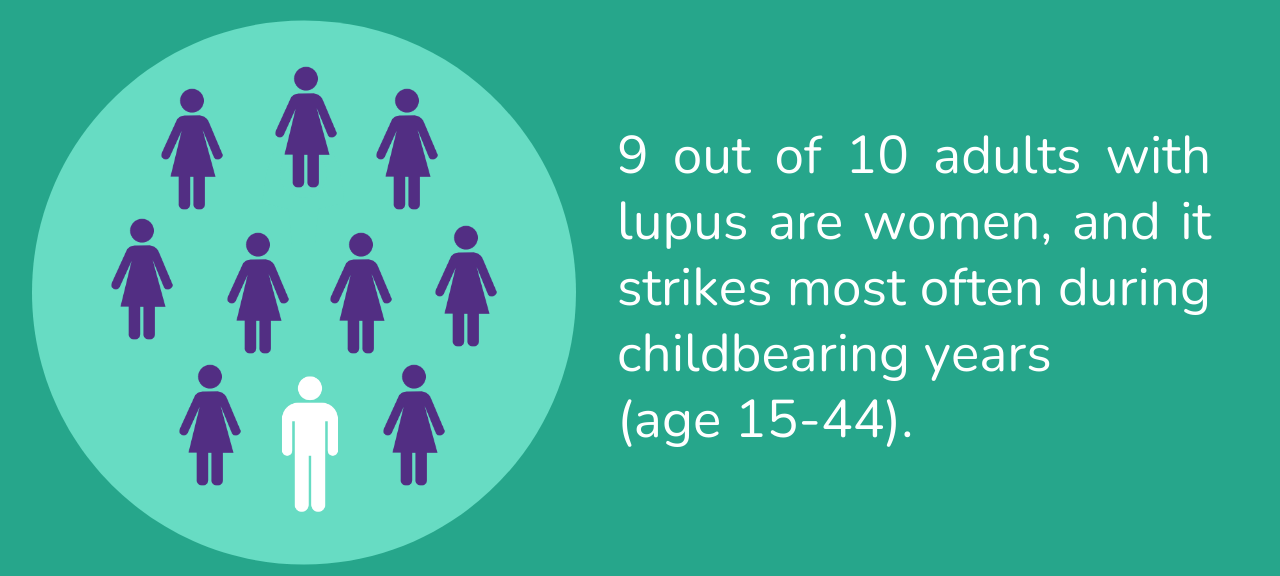
Reference: Pons-Estel et al., 2010.

People with lupus have a higher chance for complications during pregnancy, including miscarriage, preterm delivery, preeclampsia (a pregnancy-related condition characterized by a dangerous rise in blood pressure and problems with kidney function), and poor growth of the developing baby. Increased lupus activity, particularly during conception and early in pregnancy, increases the chance for these complications. 

The best time to be pregnant is when you are doing well with your health. People whose lupus is in remission have much less trouble with pregnancy than those whose disease is active. It is strongly recommended that you meet with your doctor three to six months in advance of when you plan to try to become pregnant.

Lupus Foundation

Healthcare providers believe that pregnancy outcomes for people with lupus are better if the disease is well controlled for at least 6 months before becoming pregnant. In addition, because lupus increases the risk of pregnancy complications, it is important to keep the disease as inactive as possible during pregnancy. Some medications used to treat lupus are not thought to increase pregnancy or breastfeeding risks, while others might be a concern. Be sure to talk to your healthcare provider about all of your pregnancy and breastfeeding questions.

Join Our Lupus Study

If you’re pregnant and have lupus, please consider enrolling into our observational study to give people better answers about how lupus and its management can affect a pregnancy and a developing baby. You will not be asked to take or change any medications, and you can participate from the comfort of your home.

Please see our library of resources below on lupus during pregnancy and breastfeeding.

External Resources

Partners


Lupus

Talking openly about STDs, pregnancy, and breastfeeding

Disclaimer: This page houses important information and resources pertaining to sexually transmitted infections during pregnancy and while breastfeeding, including links to our evidence-based Fact Sheets. However, the resources here should not replace the care and advice of a medical professional.

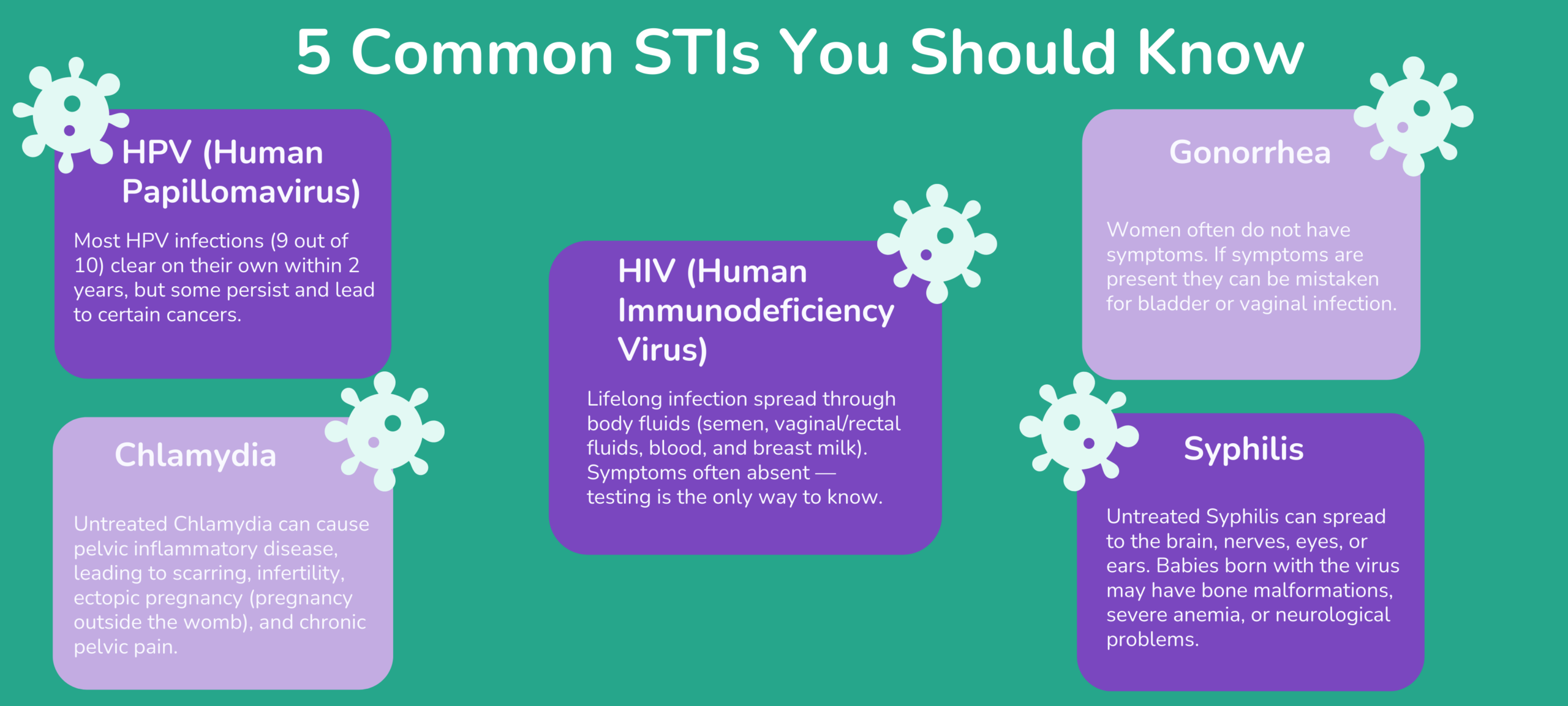
Nearly 1 out of every 2 women will experience a sexually transmitted infection (STI) at some point in their life. For those impacted by an STI while they are pregnant, planning a pregnancy, or breastfeeding, there are some special considerations. STIs (also called sexually transmitted diseases, or STDs) can be harmful for both mom and baby. STIs can also be tricky – many have no symptoms or may only cause mild symptoms, so it’s possible to have an infection and not even know it. If left untreated, STIs can cause or lead to significant health issues, such as infertility, pregnancy complications, organ damage, and certain types of cancer. Getting tested and treated for any STIs is thus critical for both your health and the health of your baby.

Pregnancy does not provide women or their babies protection against STIs. Therefore, pregnant people should ask their doctors to test for STIs, as part of their routine care. This is important to prevent serious health complications.

Centers for Disease Control and Prevention

During pregnancy, certain types of STIs (including HIV and syphilis) cross the placenta and infect the baby in the womb. Other STIs (like chlamydia, genital herpes, gonorrhea, and hepatitis B) can infect the baby during delivery, as the baby passes through the birth canal. How an STI affects the baby during and after pregnancy varies based on the infection. For example, syphilis infection during pregnancy can result in premature birth, low birth weight, or even stillbirth; after delivery, a newborn infected with syphilis (called congenital syphilis) could have an enlarged liver and/or spleen, problems with their bones or teeth, or brain and nerve problems like blindness or deafness. Similarly, gonorrhea infection can cause miscarriage and premature birth during pregnancy, and after delivery it can cause eye problems that lead to blindness in the infant. 

Reference: CDC Sexually Transmitted Infection

For breastfeeding women, the story is a little different. HIV is the only STI that is detectable in human milk. However, there are medications available that can keep people with HIV healthy if they are taken as prescribed. These medications suppress (or lower) the amount of virus in the body, which significantly reduces the risk of transmitting the virus to a breastfed infant. People with HIV who want to breastfeed should talk with their healthcare provider about the risks and benefits of breastfeeding relative to their health. Aside from HIV, women with an STI that causes open sores on the body (such as syphilis) can breastfeed as long as the baby or the breast pump equipment do not touch a sore.

We know STIs can be an uncomfortable topic, but for you health and the health of your baby it’s worth pushing through any discomfort and talking with your healthcare provider. Our experts are also available to answer any questions you may have about STIs and how they — or the medications used to treat them — could affect your pregnancy or your breastfed baby. You can also visit our library of resources below.

External Resources

Partners


Lupus

Asthma Control During Pregnancy & Breastfeeding

Disclaimer: This page houses important information and resources pertaining to asthma during pregnancy and while breastfeeding, including links to our evidence-based Fact Sheets. However, the resources here should not replace the care and advice of a medical professional.

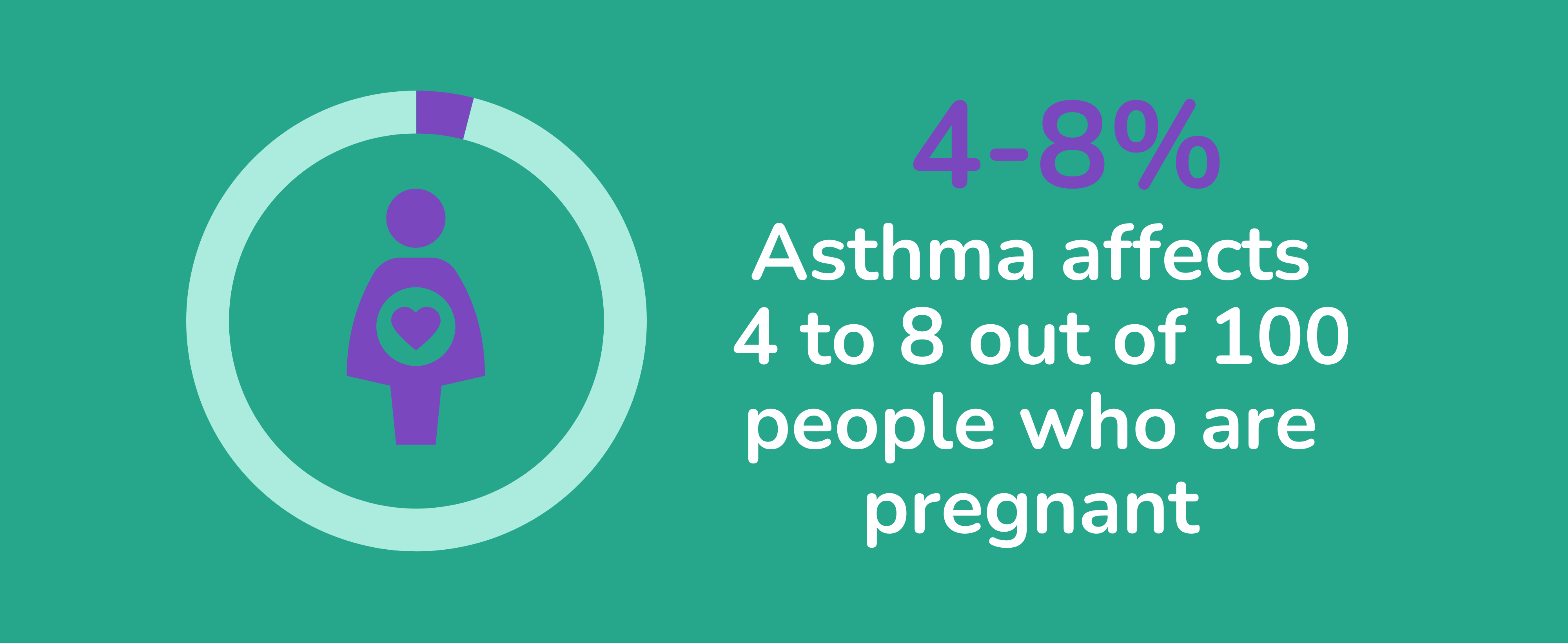
Asthma is one of the most common chronic diseases among people of reproductive age. It is a lung disease that causes episodes of wheezing, coughing, shortness of breath, and chest tightness. While asthma is a chronic condition that cannot be cured, it can be managed – and good asthma control is critically important for a healthy pregnancy. Maternal asthma, especially poorly controlled asthma, is associated with higher rates of pregnancy complications, such as spontaneous abortions, preeclampsia (a serious condition involving high blood pressure), placental problems, preterm birth, and low birth weight.

If you’re pregnant or are thinking about becoming pregnant, it’s more important than ever to keep your asthma controlled. Avoiding triggers and taking your asthma medications as prescribed can all help ensure a healthy pregnancy for you and your baby-to-be.

American Academy of Allergy, Asthma, & Immunology

Asthma management during pregnancy should continue to include the treatments that best control your asthma symptoms. Most asthma medications have not been shown to have harmful effects on a developing baby; however, it’s important to speak with your healthcare provider about how to best manage your asthma during pregnancy and while breastfeeding. 

Reference: March of Dimes: Asthma During Pregnancy

Please see our library of resources below on asthma during pregnancy and breastfeeding.

External Resources

Partners


Lupus

More than Scratching the Surface: Psoriasis During Pregnancy and Breastfeeding

Disclaimer: This page houses important information and resources pertaining to psoriasis during pregnancy and while breastfeeding, including links to our evidence-based Fact Sheets. However, the resources here should not replace the care and advice of a medical professional.

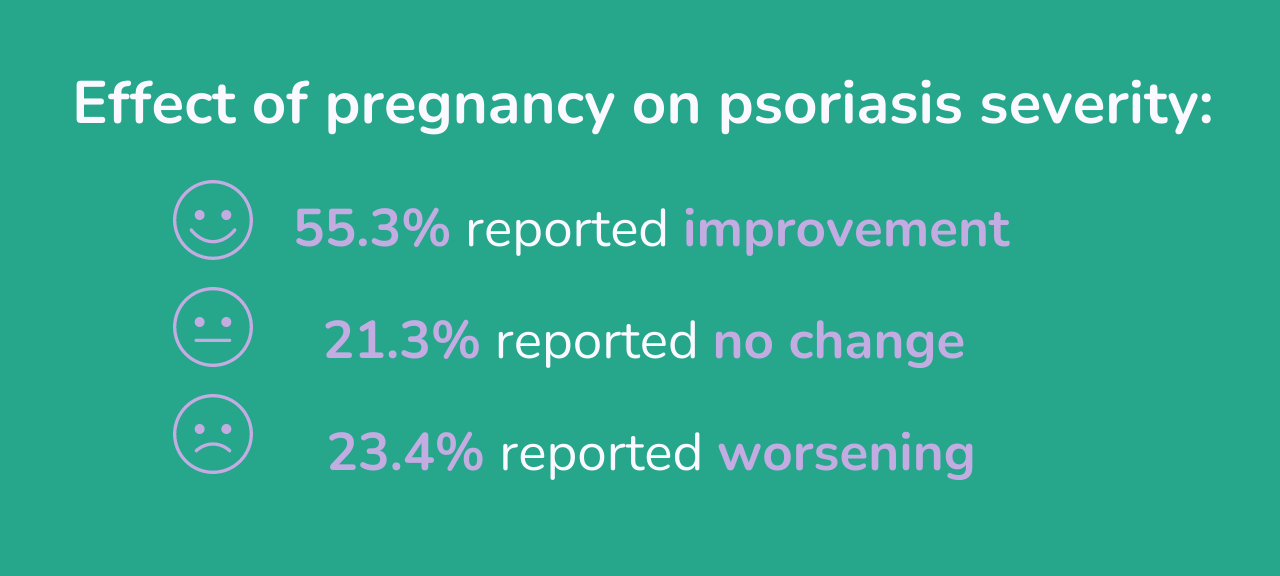
Psoriasis is a skin condition in which skin cells grow faster than expected. This can leave dry, thick patches on the skin. Psoriasis is a chronic (long-term) disease that is thought to be caused by a problem with the immune system; it is not contagious so you cannot catch it from another person. It tends to go through cycles, flaring for a few weeks or months and then going into remission for a while. More than 50% of people with psoriasis are women and most are diagnosed before the age of 40 – which means a lot of people will be living with this disease when they are pregnant or breastfeeding.

Reference: Murase et al., 2005

It isn’t clear if psoriasis can increase the change of pregnancy complications like miscarriage, preeclampsia (a pregnancy-related condition characterized by a dangerous rise in blood pressure and problems with kidney function), or preterm birth. The chance for pregnancy complications may depend on whether the symptoms of psoriasis are mild or severe. Some medications used to treat psoriasis might be concerning during pregnancy or breastfeeding, while others appear to be okay to take. Be sure to talk to your healthcare provider about all of your pregnancy and breastfeeding questions.

Yes, it’s possible to treat psoriasis while pregnant or breastfeeding. A [person] must avoid some treatments because they can harm [their] baby. Others can be prescribed.

American Academy of Dermatology

Join Our Psoriasis Study

If you’re pregnant and have psoriasis, please consider enrolling into our observational study to give people better answers about how psoriasis and its management can affect a pregnancy and a developing baby. You will not be asked to take or change any medications, and you can participate from the comfort of your home

Please see our library of resources below on psoriasis during pregnancy and breastfeeding.

External Resources

Partners


Lupus

What You Need to Know About COVID-19 and COVID-19 Vaccines

Disclaimer: This page houses important COVID-19 information. Resources pertain to COVID-19 and COVID-19 vaccines during pregnancy and while breastfeeding, including links to our evidence-based Fact Sheets. However, the resources here should not replace the care and advice of a medical professional.

COVID-19 is a respiratory illness caused by the SARS-CoV-2 virus. Studies show that women who are pregnant and get COVID-19 have a higher chance of becoming very sick than women who are not pregnant. Having a COVID-19 infection in pregnancy also increases the chances of certain pregnancy complications. Major medical organizations recommend that women who are planning pregnancy, currently pregnant, recently pregnant, and/or breastfeeding stay up to date with the latest COVID-19 vaccine. Studies that have included thousands of women who were vaccinated during pregnancy do not find a higher chance of miscarriage, birth defects, or pregnancy complications. Lactation studies have found that the vaccine does not cause problems for breastfeeding infants. Staying up to date with COVID-19 vaccines is the best way to protect yourself against COVID-19.

Join Our COVID-19 Study

MotherToBaby is currently conducting a study looking at Paxlovid used to treat COVID-19 in pregnancy. If you’re pregnant, have or had a known COVID-19 infection during pregnancy, and you are or were being treated with Paxlovid, please consider enrolling into our observational study to give parents-to-be better answers about COVID-19 and the medications used to treat it during pregnancy. You will not be asked to take or change any medications, and you can participate from the comfort of your home. For more information, download our study flyer for participants (English & Spanish) or for healthcare providers.

Please see our library of COVID-19 information resources below on exposures and vaccines during pregnancy and breastfeeding.

External Resources

External Resources for Healthcare Providers

Partners