
National Safety Month: Can Beauty Products in My Bathroom Be Bad for Baby?

A Special Edition Baby Blog in Partnership with SafetyNEST®

By Chris Stallman, Certified Genetic Counselor at MotherToBaby Arizona and host of  The MotherToBaby Podcast

As a teratogen information specialist, one of the questions I frequently get asked is “can this product be harmful to me or my pregnancy?” What a perfect time to address this question during June’s National Safety Month, which aims to raise awareness about reducing the leading causes of unintentional injury in the home! What is the answer to that common safety question? Usually yes, a product can be harmful to you or your pregnancy. But before you throw out everything in your house and live in a bubble for nine months, let me explain…

Anything can be toxic if too much is ingested or absorbed into the body – even water. What matters is the dose – how much of something you are exposed to. For example, in a healthy person, drinking 8-10 glasses of water a day would not be expected to cause water toxicity. However, drinking 8-10 gallons can be dangerous. Again – all in the dose.

There may be beauty products you use before pregnancy that may not be recommended for use during pregnancy. We’ll look at a few common products below:

Retinoids

When it comes to treating acne outside of pregnancy, there are many options. Vitamin A (retinol) and vitamin A derivatives (such as retinoic acid and isotretinoin) are often referred to as “retinoids”, and can be found in some acne treatment products. It’s well-known that the drug Accutane® (a pill taken by mouth that contains isotretinoin) can cause birth defects in pregnancy, but it’s less clear if topical retinoids (like gels or creams) have the same effects. When applied on the skin, usually much less of the medication makes it into the bloodstream. This means less of the medication would make it across the placenta to the fetus. However, even though the risk with topical use is different than when taking a pill, women who are pregnant, planning to become pregnant, or breast-feeding should discuss this with their healthcare provider.

Salicylic acid

This relative of aspirin can be found in some beauty products, including cleansers and toners.  Low dose aspirin (less than 81 mg/day), taken by mouth, has been well studied in pregnancy and does not appear to increase the chance of birth defects or other pregnancy complications. When applied on the skin, the amount of salicylic acid that enters the body would be much less than when a woman takes low dose aspirin. The amount that can be absorbed depends on the health of the skin, the levels (dose) of active ingredients, the area exposed (how much skin comes in contact with the product) and how often you use it. It’s important to use as directed by the product label or by your healthcare provider. When used as directed, it is unlikely that topical salicylic acid would pose any risk to a developing baby. Too much of this ingredient can cause symptoms such as nausea, vomiting, dizziness, headache, problems with breathing, abnormal heart rhythm or coma, and can be fatal.

Hair dye

In general, when used as recommended, the amount of dye that is absorbed by the healthy skin of the scalp is small and is not expected to cause problems in a pregnancy. However hair products made outside of the US might have dangerous substances or contaminants such as heavy metals, including lead, cadmium, nickel, arsenic or mercury. So it may be best to avoid beauty products made in other countries. Gloves should be worn to protect the skin on your hands, although this does not protect the scalp, neck, forehead, ears, and eyelids. If a temporary dye gets into your eyes, minor irritation is expected. For semi-permanent and permanent dyes, effects on the eyes can be more serious, which is why it is recommended that these products are not to be used to dye eyebrows or eyelashes. If eaten (ingested), effects can be minor irritation of the mouth, nausea, vomiting, allergic reactions, and possibly chemical burns. It’s best to keep these (and all) products out of the reach of children, and to wash any areas of the skin where dye was present.

So, can beauty products be used in pregnancy? Absolutely, depending on the specific ingredients, how much you use, and how often you use it. When in doubt, ask a professional.

If you suspect you had a toxic exposure to a product, call Poison Control at 1-800-222-1222. If you have questions about everyday exposures during pregnancy or breastfeeding, call MotherToBaby at 1-866-626-6847.
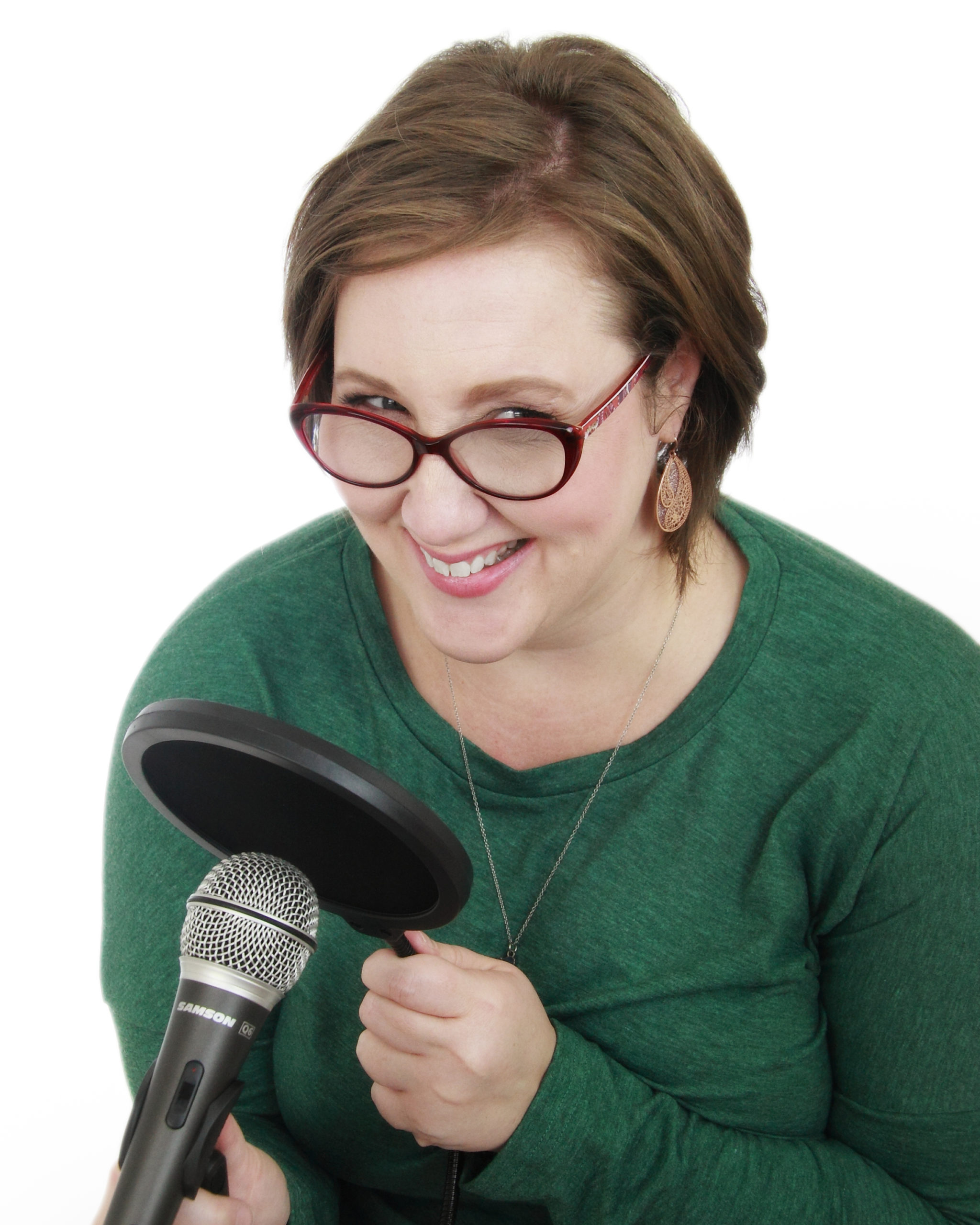
Chris Stallman is a certified genetic counselor based in Tucson, Arizona and proud mother of three. She is the new host of The MotherToBaby Podcast, a show answering moms’ questions with evidence-based answers about exposures during pregnancy and breastfeeding. Listen to the episode on beauty products in pregnancy and breastfeeding on iTunes, Google Play Music or Spotify. She currently works for The University of Arizona as a Teratogen Information Specialist at MotherToBaby Arizona, formerly known as the Arizona Pregnancy Riskline. Her counseling experience includes prenatal and cardiac genetics. She has also served as MotherToBaby’s Education Committee Co-chair.

About MotherToBaby 

MotherToBabyis a service of the Organization of Teratology Information Specialists (OTIS), suggested resources by many agencies including the Centers for Disease Control and Prevention (CDC). If you have questions about exposures during pregnancy and breastfeeding, please call MotherToBaby toll-FREE at 866-626-6847 or try out MotherToBaby’s new text information service by texting questions to (855) 999-3525. You can also visit MotherToBaby.org to browse a library of fact sheets about dozens of viruses, medications, vaccines, alcohol, diseases, or other exposures during pregnancy and breastfeeding or connect with all of our resources by downloading the new MotherToBaby free app, available on Android and iOS markets. Also, make sure to subscribe to The MotherToBaby Podcast available on iTunes, Google Play Music, Spotify and podcatchers everywhere.



National Safety Month: Can Beauty Products in My Bathroom Be Bad for Baby?

“This is my first child, and I don’t know what to do!” exclaimed Lyndsay, a newly pregnant woman when I answered MotherToBaby’s free and confidential helpline.  Lyndsay explained that she is taking several medications and was concerned about their potential effects on her unborn baby. She is currently very new to recovery from cocaine and opioid use disorder. She is taking buprenorphine and naloxone for the opioid use disorder, along with baclofen and n-acetylcysteine (NAC) for cocaine cravings. Her medication regimen also includes aripiprazole, escitalopram, bupropion and mirtazapine for depression, mood stabilization and insomnia.

“This combination has been working well for me,” she explained. “Having that said, I wonder if the treatments are increasing my chances for pregnancy complications or birth defects in my baby?”  She wondered if she would be better off getting off the buprenorphine and naloxone now.

In preparing to answer her concerns, I reached out to Ellen Kolomeyer, PhD, PMH-C, a licensed clinical psychologist certified in perinatal mental health, who is part of the National Maternal Mental Health Hotline team to assist us in providing the best answers about recovery treatment while pregnant. The National Maternal Mental Health Hotline provides 24/7 support to pregnant and postpartum individuals experiencing challenges with mood and anxiety, as well as their support women and loved ones through its phone and text line 1-833-TLC-MAMA.

Q:  How common is it for a woman in recovery and who is also pregnant to be treating an opioid use disorder with medications?

According to the Centers for Disease Control and Prevention (CDC), about 7% of pregnant women used opioids during pregnancy, with one in five of those women reporting that they misused opioids during pregnancy.  But, only about half of the pregnant women who use opioids during pregnancy are in recovery, so it is wonderful that Lyndsay is reaching out to learn how to best care for herself and her baby. I hope her story shows that it is possible to get help and have a healthy pregnancy.

Q: What treatments can be used?

When a pregnant woman is dealing with opioid addiction, healthcare providers often prescribe medicines like methadone and buprenorphine. It is best if treatment starts before someone gets pregnant to help both the mother and baby stay healthy. But sometimes, people face challenges that make it hard to get treatment. These can be personal issues like having a tough time managing feelings or problems with relationships. There can also be unfair judgments from others about drug addiction that make it harder for people to seek help. Besides giving medicine, it is also important to get help for mental health. This means talking to a counselor or therapist about the things that might be causing someone to use drugs in the first place.

Q: Is discontinuing treatment while pregnant recommended? Why or why not?

It is important to know that stopping opioid use suddenly during pregnancy can be dangerous for both the pregnant woman and the baby. Managing opioid use with medication is a better way to stay healthy and reduce the risk of going back to using drugs. So, it is best to keep taking the medication rather than stopping it while pregnant. It is crucial to talk with a healthcare provider before making any decisions about treatment.

Q: Should a pregnant woman expect her healthcare provider to start or stop medications or switch to alternatives?

Each pregnancy is different, so there is no one answer that fits everyone. Depending on the situation, a pregnant woman might start, stop, or switch medications. It is common for healthcare providers to talk about medications, like methadone https://mothertobaby.org/fact-sheets/methadone/ or buprenorphine, https://mothertobaby.org/fact-sheets/buprenorphine/ and suggest starting them if needed. Sometimes, providers might think about changing to a different medication but they will carefully consider the risks and benefits. It is best to see a healthcare provider who knows how to give the right recommendations for pregnant women.

Q: What can a pregnant woman do to advocate for herself in this scenario?

Pregnant women who are struggling with opioid use often face challenges in getting the right information and help. Even though there can be judgment from others, pregnant individuals can benefit from speaking up for themselves. One important way to do this is to understand the reasons behind the problems they are facing and to talk about their goals.

Research shows that many people turn to drugs because of past trauma, not having enough support or money, dealing with bad feelings, and having tough relationships, among other reasons. By thinking about their own situation and struggles, individuals can work to address the main issues they’re facing.

I want every pregnant woman in this situation to know that they can still have a good relationship with their baby and take care of their baby’s needs. It is a good idea to find a healthcare provider who knows a lot about opioid use disorder to get the right support. Building a strong support system could be the key to making a big change and getting better.

There are some great ways that pregnant women recovering from opioid use disorder can build their support system. Talking through personal hardships in support groups, with home visitors, with a counselor, or with a therapist can help build the tools and confidence you need to learn how to advocate for yourself and your baby with medical providers.

Q: What is the best way that a pregnant woman can share her questions and concerns with their Obstetric provider?

To make sure you get the best support, it is helpful to find a healthcare provider who knows about substance use issues. One great way for a pregnant woman to talk about their questions and worries with their OB is to write them down before an appointment and bring the list with them. As the pregnancy progresses, working together with the provider to plan for labor, delivery, and postpartum care can get the parent-to-be ready for what is ahead at each stage. I suggest asking your obstetric provider to be open and share information throughout the process so that there are fewer surprises when it is time for the birth, after-birth care, and taking care of the newborn.

Q: After delivery, what does a typical newborn period look like for the parent(s) and baby?

It is common for babies to experience withdrawal symptoms from medications used to treat opioid addiction (also called neonatal abstinence syndrome), but this should not stop a healthcare provider from prescribing the medications or pregnant women from taking them. After the baby is born, parents should team up with their baby’s healthcare provider to keep an eye on the newborn and get help when needed. It is important for parents to be involved in their baby’s care and spend time bonding with them. If parents feel they are not getting these chances, they can speak up and ask for them.

Withdrawal symptoms in a baby are treatable, but some babies need to be monitored extra closely and around the clock. It can also be helpful to prepare ahead of time and learn if it is possible that your baby might go to the Neonatal Intensive Care Unit (NICU) instead of staying in the recovery room with you. While unexpected things can happen in any pregnancy and birth, you could ask your providers ahead of time whether they think there is a reason your baby might go to the NICU and what you might expect. For example, you might want to know how long your baby could be in the NICU and make a plan for advocating to still be able to see, touch, and care for your baby as often as possible during your baby’s medical care.

Q: Can you share recommended resources?

There are widely available, free, and confidential programs, resources, and provider directories that anyone can access including the following:

  • National Maternal Mental Health Hotline provides 24/7 support to pregnant and postpartum individuals experiencing challenges with mood and anxiety, as well as their support persons and loved ones. Call or text 1-833-TLC-MAMA.
  • MotherToBaby provides information about exposures, like medications and diseases, during pregnancy and while breastfeeding through its free phone service 866-626-6847, text 855-999-3525, email and live chat via MotherToBaby.org.
  • Substance Abuse and Mental Health Services Administration (SAMHSA) offers a directory to find medical providers who specialize in treating opioid use disorders. Locate a practitioner here.  SAMHSA also provides a National Helpline that can provide treatment referral and information 24/7. Call 1-800-662-HELP.
  • Postpartum Support International HelpLine provides basic information, support, and resources for pregnant, postpartum, and parenting individuals and their support persons and loved ones. This line is not 24/7 but messages are returned daily. Call or text 1-800-944-4773.
  • Postpartum Support International Provider Directory lists medical and mental healthcare professionals who are specially certified to care for pregnant and postpartum individuals. Access the directory here.
  • The Suicide and Crisis Lifeline is available 24/7 by calling or texting 988.
  • Circle of Security is an evidence-based program that helps parents build secure parent-child relationships, effectively meet babies’ needs, and help parents break cycles from their own childhoods that they do not wish to carry over to their children. Learn more here and a Circle of Security Parent Educator here.

We had just shared a lot of information with Lyndsay. She was relieved to hear that her recovery treatment was going to allow her to stay well in pregnancy and give her the best chance to have a healthy baby. “I feel like I have a better idea of what questions I need to ask my OB and pediatrician,” she told us. “I feel less alone in this now and it looks like there are places I can go to get more information too.”

References:

MotherToBaby Blog: “Dear Opioid-Addicted Moms-To-Be, We are Here for You”

Centers for Disease Control and Prevention. (2022). About opioid use during pregnancy.

Centers for Disease Control and Prevention. (2022). Treatment for opioid use disorder before, during, and after pregnancy.

Gerdts-Andresen, T. (2021). Circle of security-parenting: a systematic review of effectiveness when using the parent training Programme with multi-problem families. Nordic Journal of Social Research, 12(1), 1-26.

Henry, M. C., Sanjuan, P. M., Stone, L. C., Cairo, G. F., Lohr-Valdez, A., & Leeman, L. M. (2021). Alcohol and other substance use disorder recovery during pregnancy among patients with posttraumatic stress disorder symptoms: A qualitative study. Drug and Alcohol Dependence Reports, 1, 100013.

Horton, E., & Murray, C. (2015). A quantitative exploratory evaluation of the circle of security‐parenting program with mothers in residential substance‐abuse treatment. Infant mental health journal, 36(3), 320-336.

Substance Abuse and Mental Health Services Administration. (2018). Clinical guidance for treating pregnant and parenting women with opioid use disorder and their infants. Vol HHS Publication No.(SMA) 18-5054.

Substance Abuse and Mental Health Services Administration. (2024). Evidence-based, whole-person care for pregnant women who have opioid use disorder. SAMHSA Advisory. https://store.samhsa.gov/sites/default/files/whole-person-care-pregnant-people-oud-pep23-02-01-002.pdf

Note: This information should not take the place of medical care and advice from your healthcare providers.


National Safety Month: Can Beauty Products in My Bathroom Be Bad for Baby?

By Lynn Martinez and Julia Robertson, CPM

During the more than 40 years MotherToBaby affiliates have been serving the public with education regarding exposures during pregnancy, many women have called who are very distressed, sometimes in tears, about finding out they were pregnant while taking a drug categorized as an X or D in the Food and Drug Administration (FDA) system. “I’ve been on birth control pills and I still got pregnant! Does this mean my baby will have birth defects? It’s a category X drug for goodness sake!” This kind of hysterical reaction was, unfortunately, a common call. It was not unusual to even hear that some of these women had contemplated terminations of otherwise wanted pregnancies. The FDA realized that these pregnancy categories were not as helpful as they intended and stopped using them in 2014, about ten years ago. Now they use the Pregnancy and Lactation Labeling Rule (PLLR) that has a narrative summary for medications, similar to what you will find here at MotherToBaby.

But first, a little background…

For decades the FDA had been aware of significant problems with the system used to categorize medications for use in pregnancy. In 1992, the Teratology Society (now known as the Society for Birth Defects Research and Prevention), a group of multidisciplinary scientists who study birth defects, expressed concerns and noted that the Category or ‘CAT’ system led to unnecessary terminations of wanted pregnancies1. The FDA Pregnancy Labeling Initiative recommended elimination of the CAT system, changing the label to include more descriptive risk statements and mandating that drug inserts be updated when human information is known.

Before the labeling rule changed, when a medication was approved for marketing in the U.S., it had to be labeled with one of five pregnancy CATs: A, B, C, D or X. A meant the drug was well-studied and posed no threat to a developing baby; B was a less-studied, but probably still low-risk drug; C was a drug that had not been studied and therefore the risk was unknown; a D-class drug, based on animal or human data, may have posed a risk; and the X classification meant the drug, based on animal or human data, causes birth defects or there was no benefit for its use during pregnancy. Its use was not recommended in pregnancy.

More than 90 percent of new medications were categorized as either CAT C, D or X, the vast majority being C. Drug manufacturers were legally required to update the category if harmful results were reported; however, no such requirement existed for updating the category when studies showed no problems in pregnancy. Most medications on the market in 2014 werelisted as CAT C, when in fact the majority of them should have been labeled as a CAT A or B. Manufacturers knew that no matter a woman’s history, all pregnancies carried a 3 percent risk of having a child with a major birth defect. Because of this, many manufacturers may have felt better protected from lawsuits if their drugs were listed as CAT C, D, or X. So, really, why would they move up medications in those categories up to A or B? They really didn’t have an incentive.

Moving forward and what it means to mom…

With the FDA rule change in 2014, a new set of requirements was put into place to better inform mom. It now requires the manufacturers to ‘upgrade’ a medication’s labeling when studies show the risk has changed. Also, manufacturers will have to explore various ways of discussing in detail the risks associated with the drug. One expert source that manufacturers could consult is a teratogen information service, like MotherToBaby. More information will help you make more informed choices about your health and pregnancy!

There will still be confusion…

As we see the new labels being implemented, there will still be many drugs on the market with the CAT system since it’ll take time to update all of them. MotherToBaby does not recommend the public or providers rely on the old CAT system for risk assessment. We welcome your questions about the system as well as questions about specific medications in pregnancy and breastfeeding for a complete, personalized risk assessment. Please call us toll-FREE at 866-626-6847.

Lynn Martinez is a retired Teratogen Information Specialist. Lynn has traveled around Utah educating doctors, nurse midwives, pharmacists and others over the past three decades.

Julia Robertson, CPM, now retired, works part-time overseeing quality control efforts for MotherToBaby. In her 25-year career as a teratogen information specialist, sheauthored several peer-reviewed publications focusing on maternal medication consumption and the effect on the developing fetus.

MotherToBaby is a service of the international Organization of Teratology Information Specialists (OTIS), a suggested resource by many agencies, including the Centers for Disease Control and Prevention (CDC). If you have questions about medications, alcohol, diseases, vaccines, or other exposures during pregnancy or breastfeeding, call MotherToBaby toll-FREE at 866-626-6847 or browse a library of fact sheets.

  1. Friedman, J. Teratology 1993:48:506
  2. For more information go to: http://www.fda.gov/drugs/developmentapprovalprocess/developmentresources/labeling/ucm093307.htm

National Safety Month: Can Beauty Products in My Bathroom Be Bad for Baby?

Teratogen Exposure Guidance for Pharmacists with Pregnant and Lactating Patients

Many people need to take prescription or over-the-counter medication when pregnant or breastfeeding. However, the dearth of adequate pregnancy or lactation safety data can make risk assessment complex and laborious for a busy pharmacist. We understand the challenges that you face when counseling pregnant and lactating patients on medication exposure risks, especially if there are multiple prescriptions and complex medical illnesses to consider. This is where we can help.

We specialize in evaluating teratogenic risks associated with maternal medication use in pregnancy and lactation. We provide no-cost, evidence-based information in a patient-friendly manner that will help you weigh the risks and benefits of a medication for both parent and baby, allowing you to educate your patient about how best to maximize disease treatment while minimizing maternal and fetal/infant risk.

We are also dedicated to furthering the information and understanding of medication safety in pregnancy through our observational MotherToBaby Pregnancy Studies. We are proud to lead more than half of all Food and Drug Administration (FDA)-mandated pregnancy registries conducted in the U.S. MotherToBaby Pregnancy Studies are rigorously designed cohort studies that aim to provide critically needed product safety information – and your patient referrals make all the difference. With your referral, you are helping us generate data that will lead to improved product safety information in pregnancy, thereby providing you and your patients with the evidence you need to make more informed treatment decisions.

Most pharmacists will encounter questions regarding the safety of medication use during pregnancy and breastfeeding either from patients, family, or friends. Many may feel that they lack the knowledge to answer these questions confidently.

Burkey et al., 2013

Explore how we can help you and your pregnant and breastfeeding patients by providing no-cost exposure risk assessments, patient education materials, observational studies to monitor pregnancy outcomes, and more.


National Safety Month: Can Beauty Products in My Bathroom Be Bad for Baby?

By Patricia Markland Cole, MPH, MotherToBaby Massachusetts

**This information was current as of the time the blog was published. However, information is constantly changing. Please visit Zika Central for the latest information.**

Zika, Zika, Zika……everywhere you turn someone is talking about Zika and it’s not hard to understand why. Last fall in Brazil, the cases began coming in with unusual frequency. Health care providers noticed an increase in babies born with small heads and small brains, a birth defect called microcephaly. And the questions began pouring in as to why this could be happening? Providers noticed these women lived in or had visited areas affected by the Zika Virus; in fact, out of the first 35 case reports of microcephaly the majority of the moms reported a rash-like illness and some tested positive for Zika.

When Zika hit the news, it was understandably scary for pregnant woman. One of our most vulnerable populations – our babies– are at risk from something we can’t even see with our natural eyes: a virus carried by a mosquito. While we still have much to learn about Zika and pregnancy (including whether it is actually associated with microcephaly), the possibility that there is a risk takes away from the joy and celebration that pregnant woman normally feel and has replaced that with fear and trepidation. As a counselor with MotherToBaby, I know. I’ve heard the fear in the voices of women calling me; even through emails and text messages, the concern has been palpable. So let’s put it all into perspective.

Focusing Away From Fear: If You’re Planning A Pregnancy…
While there is so much focus on the fears of pregnant woman, there are very real concerns that the woman or couple planning for pregnancy experience as well. Just the other day, I had a conversation with a woman who contacted our service hoping to get some answers. “I am planning to go through IVF and scheduled a trip to Mexico well in advance of the news about Zika. My plan was to go to Mexico and start going thru IVF when I came back. Do I have to cancel my trip or if I go do I have to delay my plans for pregnancy, and, if so, for how long. It is hard to think of delaying pregnancy but at the same time we were so looking forward to this trip and planned it long ago!” I could hear the struggle.

We’re still learning about Zika, but for couples planning a pregnancy the current recommendation is that you talk with your physician about how your plans could be affected by travel to a Zika–affected area. Zika usually remains in the blood for a week after infection and there is currently no evidence to suggest an increased risk of birth defects if a woman becomes pregnant after the infection has passed.

If You’re Pregnant…
Zika can be spread from a pregnant woman to her baby. The link between Zika and microcephaly is still being investigated, but to be safe the US Centers for Disease Control and Prevention (CDC) currently recommends that pregnant women consider postponing travel to any area where Zika virus is spreading. If travel to an affected region cannot be avoided, you should talk to your healthcare provider before leaving, and while traveling take careful steps to prevent mosquito bites (see below). If you’ve recently completed your travel, you should still talk to your healthcare provider, even if you don’t feel sick.

Zika Can Be Transmitted Through Sexual Contact.
For men, Zika can remain in semen for a longer period of time so it is important to speak with your healthcare provider regarding risks. If a man has traveled to a Zika-affected region and has a pregnant partner, it has been recommended that he use condoms during sex (vaginal, anal, and oral) for the remainder of the pregnancy. For couples planning a pregnancy, it has been recommended that men use condoms for 28 days after traveling to Zika infected areas. For more details, see our fact sheet, Zika and Pregnancy https://mothertobaby.org/fact-sheets/zika-virus-pregnancy/.

Travel and Mosquito Bite Prevention
It is important to check travel advisories for the area you plan to visit because the status of areas can change before your trip quite rapidly. For example, prior to traveling to Florida a physician called me about the safety for his wife to use DEET during pregnancy. At the time there were no advisories for the area but shortly thereafter, the Governor of Florida issued a state of emergency for some counties that had reported cases of Zika infection that were linked to people who had traveled to Zika-affected areas. Therefore it is important to always check the CDC website for travel information (http://wwwnc.cdc.gov/travel/page/zika-travel-information) and to take the necessary precautions to protect yourself from mosquito bites. These include:

  1. Wear long sleeve shirts and pants;
  2. Use mosquito repellent with an EPA registered number as this means that the repellant has been proven safe and effective like DEET and picaridin; both of these agents are considered compatible for pregnancy. Make sure to read the label and follow the instructions, as you may need to reapply insect repellant every few hours. If you are using sunscreen, apply that first and then add the insect repellant. You can get more info on insect repellant use during pregnancy from our new Fact Sheet at https://mothertobaby.org/fact-sheets/insect-repellents/;
  3. Stay in air-conditioned areas;
  4. Stay in areas with screened doors, and sleep with mosquito netting.

Mosquito-transmitted Viruses are Nothing New
Zika is just the latest punch from these biting bullies. In fact, taking steps to avoid mosquito bites is something we should all be doing, as there are quite a few diseases they can pass on to humans. Some are more common in tropical areas but can also be found here in the United States like Dengue and West Nile Virus. Both conditions are associated with uncomfortable symptoms, dengue can pose complications for pregnancy and the effects of West Nile during pregnancy are not that well known – so protection at all times is key. Thankfully, neither are as frequent in the United States or Canada as in some other parts of the world due to the use of insect repellants and other protective measures we have. For more info, check out our West Nile Virus Fact Sheet at https://mothertobaby.org/fact-sheets/west-nile-virus-infection-pregnancy/

Remember: if you are not pregnant, Zika virus overall does not cause serious effects. It is only when a woman gets Zika during pregnancy that experts suspect (but have not yet proven) that it may increase the risk of birth defects so there is still more to learn.
It’s been said that the only thing that remains constant is change. Whether it’s Zika or the next mosquito-transmitted outbreak, fight the bite and navigate those changes. MotherToBaby is here to help.

Patricia-Cole2

Patricia Cole, MPH, is the Program Coordinator for MotherToBaby Massachusetts. She obtained her Bachelor’s degree in Biology from Simmons College in Boston and her MPH in Maternal and Child Health from Boston University School of Public Health. She has been the serving the families of New England as a teratogen counselor since 2001 and provides oversight for the day-to-day functions and outreach of the program. She has also provides education to graduate students and other professionals.

MotherToBaby is a service of the international Organization of Teratology Information Specialists (OTIS), a suggested resource by many agencies including the Centers for Disease Control and Prevention (CDC). If you have questions about viruses, alcohol, medications, vaccines, diseases, or other exposures, call MotherToBaby toll-FREE at 866-626-6847 or try out MotherToBaby’s new text counseling service by texting questions to (855) 999-3525. You can also visit MotherToBaby.org to browse a library of fact sheets, email an expert or chat live. MotherToBaby recently released an evidence-based Zika virus fact sheet for concerned pregnant and breastfeeding women. It can be found here: https://mothertobaby.org/fact-sheets/zika-virus-pregnancy/