MotherToBaby GA Featured On Fox Atlanta

ATLANTA, GA- A new OTIS/MotherToBaby affiliate providing expert answers about medications and other exposures during pregnancy and breastfeeding, is giving expectant moms in Georgia a peak into the service it provides.

Patricia Olney, MS, board certified genetic counselor and teratogen information specialist at MotherToBaby Georgia, was featured in a news segment on Fox Atlanta this week.

“We feel like we empower the couple or the woman with information that’s reliable that they can actually use to benefit from a healthy pregnancy,” said Olney. View the entire news spot by playing the video below.

Atlanta News, Weather, Traffic, and Sports | FOX 5

MotherToBaby GA is a free statewide counseling service that connects experts in the field of birth defects research with expectant moms, health care providers, and the general public. All it takes is a simple phone call to a toll-free number, 866-626-6847. MotherToBaby GA is funded by the Georgia Department of Behavioral Health and Developmental Disabilities and is in partnership with Emory University.


MotherToBaby GA Featured On Fox Atlanta

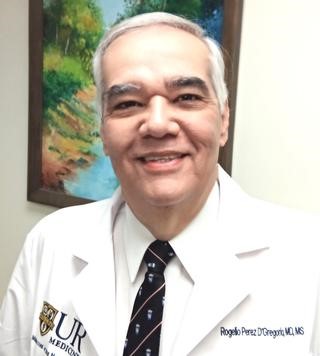
By Rogelio Perez D’Gregorio, MD, MS, MotherToBaby UR Medicine

Not many people know this, New York is the only state that requires that every pregnant woman have her risk of lead exposure assessed at the first prenatal visit. As a doctor seeing pregnant patients regularly, this is unbelievable to me! Highlighting this topic is particularly appropriate during October as this month we’ll celebrate National Lead Poisoning Prevention Week. This awareness week was created because lead exposure can have such serious consequences, for pregnant women and particularly for developing children.

What is lead?
Lead is a heavy metal found in many different places, like dust, air, soil, water, food and inside our homes. For generations, lead has been used in many products, like paint. People didn’t even realize it was there and that is could be harmful. It was also used in gasoline, and continue to be used in batteries, electronics, pipes, solder, ceramics, glass, toys and jewelry among many other things. In 1978, lead was removed from the manufacture of household paints. But even today the remodeling of homes with old lead paint that had been applied years before continues to be a common source of lead exposure, especially when the paint is peeling or chipping off of the walls.

What is lead poisoning?
Lead poisoning may result in one symptom or many vague symptoms that sometimes are overlooked by health care providers. They can sneak up on an exposed person and he/she may not even realize he/she’s sick. Symptoms of lead poisoning can include abdominal pain, constipation, diarrhea, aggressiveness, anxiousness, hyperactivity, shortened attention span, muscle pain, weakness, weight loss, learning disabilities, convulsions, and (with significant lead exposure) even death. Someone with lead poisoning might also develop anemia (low blood iron).

It can be devastating for developing babies and kids.
In pregnancy, lead can cross the placenta and reach the baby; so if a pregnant woman is lead-exposed, so is her baby. In addition, young children tend to put everything in their mouths, so their risk for possible exposure is high. Low doses of lead can do lasting damage to infants and young children, as well as babies developing in mom’s womb. Potential effects include:

  1. Lower IQ
  2. Distractibility and hyperactivity
  3. Hearing loss
  4. Anemia
  5. Growth and behavioral problems
  6. Kidney and brain damage
  7. Bone weakness/osteoporosis

So what can you do to reduce your and your child’s exposure to lead?

  • All pregnant women should consider being tested for lead exposure. It is a simple and inexpensive test that can be included with the blood tests being done at your first prenatal visit. If your obstetric health-care provider does not suggest testing, ask your provider to order a blood lead test.
  • Have your child tested for lead starting before age 1, with regular testing occurring until age 6. Children under 6 are especially at risk, and the long-term effects of lead in a child can be severe!
  • Keep your house clean. Dust contaminated with lead that is accessible to young children can cause an increased blood lead level. Help young children wash their hands with soap and water frequently and discourage them from putting their fingers in their mouths. Use a wet mop to dust, clean windowsills regularly and wash toys frequently.
  • Lead in soil does not break down with time; it remains there forever. Don’t allow children to play in areas of bare soil.
  • Don’t burn painted wood, as it may contain lead.
  • If you work with lead, shower and change your clothes before going home.
  • Don’t remove lead paint yourself; it’s a job best left to the professionals.
  • Run the cold water in your kitchen faucet at a high rate for at least 30 seconds before drinking it, using it for mixing infant formula or for cooking, especially if it hasn’t been used in several hours.
  • Don’t store food or drink in lead crystal glassware or old pottery.
  • Beware of herbal products that are not certified because a range of heavy metals have been found in uncertified herbal products.
  • Make sure children have adequate amounts of calcium, iron and Vitamin C in their diets. If their diets are low in these minerals or vitamins, they can potentially absorb more lead if they ingest it.

As much as I am discouraged to see the lack of testing required nationwide for lead exposure, I am still filled with hope. My hope is that awareness, like this blog, will prevent one more child from being exposed to lead. Spread the word, share this info and remember, lead poisoning is entirely preventable! #kNOwLEAD this month and every month!

Rogelio Perez D’Gregorio, MD, MS is an Assistant Director of MotherToBaby UR Medicine and Assistant Professor of Obstetrics and Gynecology at the University of Rochester.

Other blog contributions were made by:

Stanley Schaffer, MD, Director of the Western New York Lead Resource Center in Rochester and an Associate Professor of Pediatrics, at U of R.

Richard K. Miller, PhD, Director of MotherToBaby UR Medicine and Co-Director of the Finger Lakes Children’s Environmental Health Center. He also Professor of Obstetrics/Gynecology, of Environmental Medicine and of Pathology and Clinical Laboratory Medicine at U of R.

About MotherToBaby
MotherToBaby is a service of the Organization of Teratology Information Specialists (OTIS), suggested resources by many agencies including the Centers for Disease Control and Prevention (CDC). If you have questions about exposures during pregnancy and breastfeeding, please call MotherToBaby toll-FREE at 866-626-6847 or try out MotherToBaby’s new text information service by texting questions to (855) 999-3525. You can also visit MotherToBaby.org to browse a library of fact sheets about dozens of viruses, medications, vaccines, alcohol, diseases, or other exposures during pregnancy and breastfeeding or connect with all of our resources by downloading the new MotherToBaby free app, available on Android and iOS markets.

References


MotherToBaby GA Featured On Fox Atlanta

OTIS’ MotherToBaby Network Connects the General Public with Birth Defects Experts

BRENTWOOD, TN –“Funding this type of service ultimately means mothers will be better informed and babies will have stronger starts in life,” said Kenneth Lyons Jones, MD, a world-renowned UC San Diego pediatrician, upon receiving notice that the U.S. Health Resources and Services Administration (HRSA) will support the Organization of Teratology Information Specialists’ (OTIS) MotherToBaby network for five more years with a $6 million cooperative agreement.

The funding announcement comes just as OTIS’ first two-year cooperative agreement and one-year extension was about to expire later this month and will allow the group to strengthen collaborations with other HRSA grantees, such as Title V Maternal Child Health, Community Health Centers, Poison Control Systems, Healthy Start and Nurse-Family Partnership programs throughout the country to make a collective impact on healthy pregnancy outcomes.

Dr. Jones, who serves as the project’s principal investigator, said OTIS has come a long way since the 1980s, during which his involvement with forming the group was solidified shortly after he and David W. Smith, MD first identified Fetal Alcohol Syndrome in 1973. “We knew exposures like alcohol during pregnancy had dire consequences, but there wasn’t a direct way to educate the public and answer their questions about it at the time,” he explained. “Today, we have MotherToBaby.”

MotherToBaby consists of 14 affiliate OTIS sites housed at universities, health departments and hospitals across the country and connects world-renowned experts in the field of teratology (exposures that cause birth defects) to the general public and health care providers via app, text, live chat, email, phone and in-person. Through the various modes of contact, the public can ask questions about the known risks of medications, chemicals, herbal products, illicit drugs, diseases and much more during pregnancy and while breastfeeding.

“MotherToBaby is a blessing and I cannot express that enough,” stated R.M., a mother from Georgia who recently contributed to MotherToBaby’s testimonial webpage expressing her appreciation for the service. “Knowing the true facts about how I can best provide for my health and my baby’s health, I feel at ease knowing that I can not only stay on my medicine to keep me well, but also it is the best choice for my baby,” she wrote.

“That comment is why we do what we do,” said Stephen Braddock, MD, in reference to the testimonial. Dr. Braddock, the current OTIS president, points out how a recent 32% increase in MotherToBaby staff coupled with the launch of digital initiatives, such as the MotherToBaby app and text service, has contributed to a 150% increase in the number of women the group has been able to serve over the last year alone. “Because of this new cooperative agreement, more women, particularly those in traditionally underserved communities, will have access to the tools they need in order to make educated decisions about their health and the health of their babies.”

More about MotherToBaby, a service of OTIS

MotherToBaby is a suggested resource by many federal agencies including the Centers for Disease Control and Prevention (CDC), the Food and Drug Administration’s (FDA) Office of Women’s Health, and HRSA, and provides the most up-to-date information. More than 100,000 women and their health care providers seek information about birth defects prevention from MotherToBaby every year. Additionally, MotherToBaby conducts observational research studies in order to contribute more information to the published literature about a variety of exposures. To be connected with a MotherToBaby expert, please call (866) 626-6847, text questions to (855) 999-3525 (standard messaging rates might apply, check with your carrier) or visit www.MotherToBaby.org.

# # #
Media Contact: Nicole Chavez, 619-368-3259, nchavez@MotherToBaby.org. Interviews in Spanish can also be arranged.

This project is supported by the Health Resources and Services Administration (HRSA) of the U.S. Department of Health and Human Services (HHS) under UG4MC27861 for $6,000,000 over five years. The content of this press release are those of the author and should not be construed as the official position or policy of, nor should any endorsements be inferred by HRSA, HHS or the U.S. Government.

MotherToBaby GA Featured On Fox Atlanta

The Organization of Teratology Information Specialists (OTIS), the professional society that provides the MotherToBaby service, has released the following statement on anti-racism:

In light of the horrifying recent events taking place in our country, which is only the latest in a long history of violence against Black men, women, and children, we think as an organization it is important to state that diversity, equality, inclusion, and respect are of the upmost importance to OTIS. As a scientific and service organization dedicated to providing evidence-based information to parents, health care professionals, and the general public about medications and other exposures during pregnancy and breastfeeding, we know the importance a diverse membership, who bring to OTIS a myriad of experiences, has in strengthening our organization and equipping us to help those from all backgrounds. We are committed to ensuring that all individuals, regardless of race, ethnicity, religion, national origin, mental or physical ability, age, gender identity or expressions, or sexual orientation are valued and welcome. There is no place for hatred, discrimination or injustice at OTIS or society as a whole.

Any form of systemic racism towards communities of color harm everyone and stain the claim that life, liberty, and the pursuit of happiness are basic rights. It is our hope that we come together as an organization to demonstrate a powerful message of community, science, dignity, and respect.