
Opioid Resources Unveiled for Pregnant and Breastfeeding Women, Health Providers

Following White House Proclamation, MotherToBaby Offers One-Stop for Latest Information about Opioid Effects on Developing Babies

BRENTWOOD, TN –A series of new opioid-specific fact sheets, blogs and a recent webinar are just some of the pregnancy and breastfeeding-related resources unveiled by MotherToBaby, a service of the non-profit Organization of Teratology Information Specialists (OTIS), in response to the alarming toll opioid addiction is taking on communities from coast to coast. The new resources come as the U.S. recognizes National Recovery Month and the White House proclaims September 16 – 22, 2018 Prescription Opioid and Heroin Epidemic Awareness Week.

MotherToBaby is recommended by many agencies, including the Centers for Disease Control and Prevention (CDC), for evidence-based information about exposures, like opioids, during pregnancy and breastfeeding. It has 15 affiliates across the country that provide this service to all 50 states as well as the US territories.

The new MotherToBaby resources surrounding opioids can be found at www.MotherToBaby.org/opioids and include resources to help healthcare providers, addiction specialists, and women struggling with addiction to prescription and illicit drugs:
• Evidence-based fact sheets on a variety of opioids such as oxycodone, hydrocodone, fentanyl, morphine, buprenorphine, heroin, hydromorphone, methadone, codeine and tramadol.
• A webinar for health care providers on Opioid Abuse in Pregnancy and Breastfeeding, conducted by OTIS, the National Society of Genetic Counselors, the Society of Maternal-Fetal Medicine and the Teratology Society.
• Opioid-specific blogs authored by teratogen information specialists, experts in assessing birth defects risks from exposures during pregnancy and breastfeeding.
• Ways for women and health care providers to receive free and confidential personalized risk assessments through MotherToBaby’s toll-free helpline (866) 626-6847, text line (855) 999-3525 (standard messaging rates may apply), live chat and email-an-expert services.
• Additional resources for addiction support.

“It’s reached the level where it’s almost on a daily basis that I take care of pregnant and breastfeeding women struggling with opioid dependency,” said Sarah Obican, MD, Maternal-Fetal Medicine Subspecialist at the University of South Florida and director of the new MotherToBaby Florida affiliate set to open in November. Florida is just one of the states where health officials and providers are seeing the opioid epidemic unfold first-hand. Rates of Neonatal Abstinence Syndrome (NAS) among Florida’s infants have increased over the past four years, according to the Florida Birth Defects Registry which tracks the number of infants diagnosed with NAS.

“While there’s no evidence at this time of an increased risk for birth defects, babies with NAS born to opioid-addicted mothers may be at an increased risk for adverse neurobehavioral effects,” explained Dr. Obican. “They are simply not getting the best possible start to life that they deserve, but we can change that by supporting mom and getting her the resources she needs.”

More about MotherToBaby, a service of OTIS.
OTIS is a professional scientific society made up of individuals engaged in assessing and evaluating risks to pregnancy and breastfeeding from environmental exposures. Members include, but are not limited to, specialists in the fields of: obstetrics and gynecology, pediatrics, genetics, dysmorphology, perinatal epidemiology, teratology, behavioral teratology, pharmacy, genetic counseling, nursing, midwifery, maternal and child health, public health, and includes experts that provide MotherToBaby services and researchers that conduct MotherToBaby Pregnancy Studies. MotherToBaby is a suggested resource by many federal agencies including the CDC and the Food and Drug Administration’s (FDA) Office of Women’s Health. MotherToBaby has been able to embark on new outreach efforts to reach underserved populations and launch new communication technologies, such as the MotherToBaby app (available for free download on iOS and Android markets), through a cooperative agreement with the U.S. Health Resources and Services Administration, as well as through the generous donations made by the public. To learn more about MotherToBaby, the ways to contact its network of experts, or how to support its services, please visit www.MotherToBaby.org.

# # #
Media Contact: Nicole Chavez, 619-368-3259, nchavez@MotherToBaby.org. Interviews in Spanish are also available.
Opioid Resources Unveiled for Pregnant and Breastfeeding Women, Health Providers

tiger-mosquito-49141_1920by the MotherToBaby Public Affairs Committee

UPDATED STATEMENT AS OF FEBRUARY 4, 2016

MotherToBaby Experts Offer Evidence-Based Information about Zika Virus during Pregnancy
On February 1, 2016 the World Health Organization (WHO) declared “A Global Public Health Emergency” over the Zika virus, due to its suspected ability to cause microcephaly in unborn babies (1). The Centers for Disease Control and Prevention (CDC) “developed interim guidelines for healthcare providers in the United States caring for women during a Zika virus outbreak.” (2) These guidelines include recommendations for pregnant women considering travel to an area with Zika virus transmission and recommendations for disease testing, ultrasound testing, and management of pregnant women returning to the United States after traveling to areas where the virus is being transmitted. Since some infected, pregnant women will not show symptoms, providers may consider additional ultrasound testing. The CDC states that, in addition to the routine ultrasound testing at 18-20 weeks of pregnancy, “additional ultrasounds might provide an opportunity to identify findings consistent with fetal Zika virus infection and offer pregnant women the option of amniocentesis to test for Zika virus RNA.” (3) These CDC guidelines will be updated as more information becomes available.
MotherToBaby, a service of the non-profit Organization of Teratology Information Specialists (OTIS), is suggested as a resource by many agencies including the CDC and the Food and Drug Administration’s (FDA) Office of Women’s Health. MotherToBaby offers evidence-based information about exposures, such as the Zika virus, during pregnancy and breastfeeding through its toll-free phone line (866-626-6847), text message (855-999-3525) and digitally via email and live chat on www.MotherToBaby.org.

We can cover topics such as:
• Mode of transmission
• Regions where it has been identified
• Symptoms of infection
• Effects of the infection and symptoms on the pregnancy
• Effects of treatment of the infection and symptoms on the pregnancy
• Prevention of infection
• Central nervous system (CNS) malformations
• Information on types of testing depending on when the infection occurred

References:
1) http://www.npr.org/sections/thetwo-way/2016/02/01/465163095

2) http://www.cdc.gov/mmwr/volumes/65/wr/mm6502e1.htm

3) http://www.cdc.gov/zika/hc-providers/qa-pregnant-women.html

OFFICIAL STATEMENT AS OF JANUARY 13, 2016

Recently, there have been reports of the Zika virus cases and its possible effect on a pregnancy. While information is currently limited, there are some things we know:

Zika virus was first identified in Africa in 1947. In 2013, there were outbreaks in islands in the Pacific, and now outbreaks are being reported in many Central and South American counties. Isolated cases have been also reported in Puerto Rico and Texas in the last few weeks.

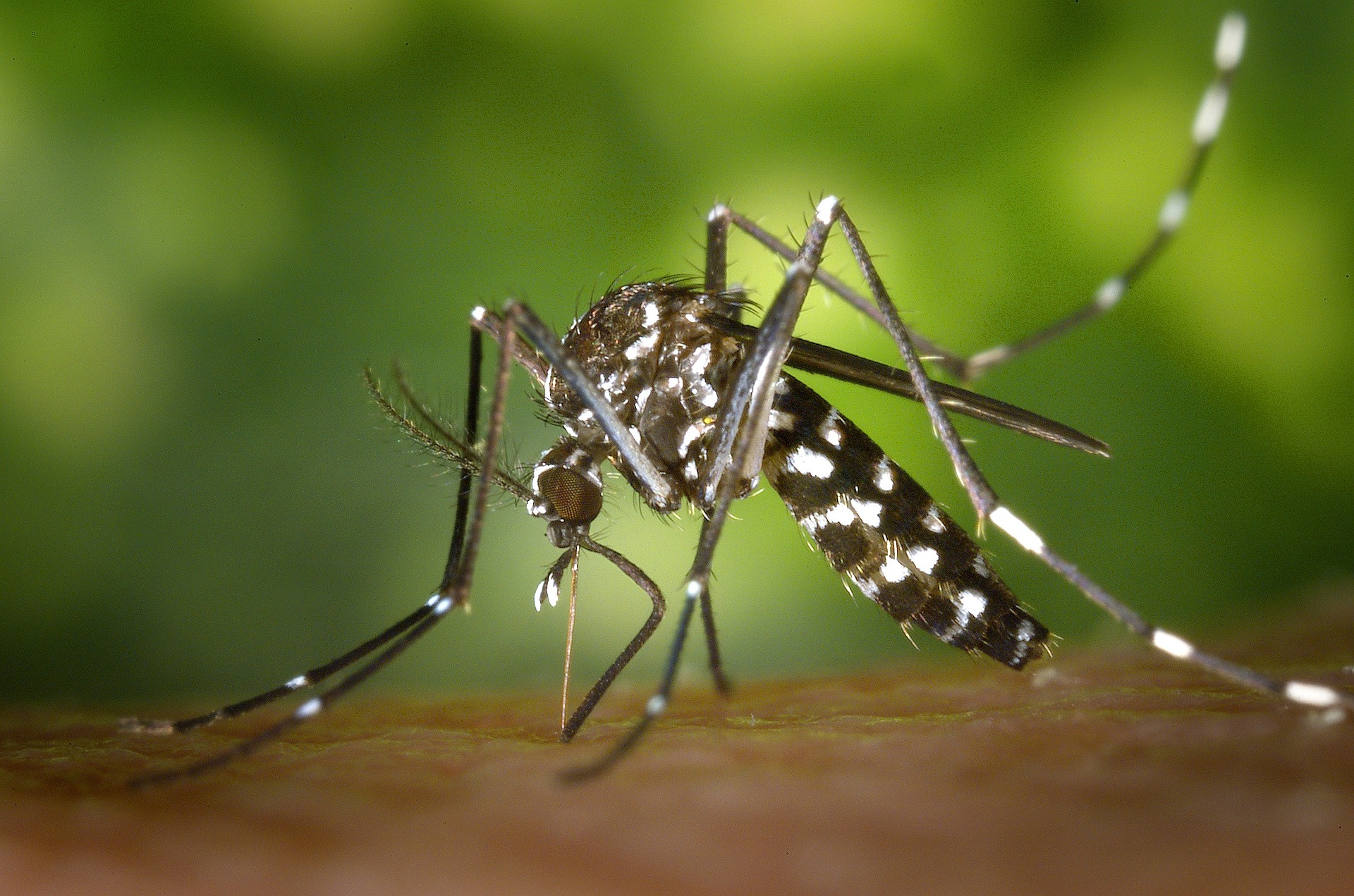
Zika virus is spread by mosquito bites. Symptoms of the Zika virus include fever, headache, joint and/or muscle pain, conjunctivitis (“pinkeye”) and sometimes a rash.

There have been reports of microcephaly (small head and brain) in the babies of pregnant women who were infected with the Zika virus during pregnancy. Research is ongoing to determine if Zika virus is the cause of microcephaly in infants whose mothers were infected with the virus during pregnancy and if the stage of pregnancy plays a role.

There is no vaccine or cure for the Zika virus. Symptoms are treated as they arise (such as using acetaminophen to treat fever and/or headaches). Prevention is the best approach. That includes using bug repellent (including formulas that contain DEET- https://mothertobaby.org/fact-sheets/deet-nn-ethyl-m-toluamide-pregnancy/), wearing protective clothing, and removing standing water where mosquitoes live. For more information, please visit http://www.cdc.gov/zika/prevention/index.html.

If you have questions or concerns about the Zika virus, please contact a bilingual (English/Spanish) MotherToBaby expert by calling 1-866-626-6847 or texting questions to 855-999-3525 (standard text messaging rates may apply). You can also chat live or send an email through www.MotherToBaby.org.

MotherToBaby is a suggested resource by many agencies including the Centers for Disease Control and Prevention (CDC) and the Food and Drug Administration’s (FDA) Office of Women’s Health. More than 100,000 women and their health care providers seek information about birth defects prevention from MotherToBaby every year.


Opioid Resources Unveiled for Pregnant and Breastfeeding Women, Health Providers

By Nevena Krstić, Genetic Counselor, MotherToBaby Florida

When I was 17 weeks pregnant, my husband and I got in a car accident. The guy going in the opposite direction swerved into our lane and hit our car head on. Airbags deployed. The car was totaled.

Moments after the impact happened, I remember looking over at my husband to see that he was ok, unbuckling my seat belt which had left burn marks all over my pregnant belly, getting out of the car, and lying down on the sidewalk. And, as the adrenaline slowly went down, the immense fear overtook my whole body. I was alive, but what will happen to the baby?

The doctors scheduled me for an ultrasound. I was so nervous to get the ultrasound; the anxiety was almost unbearable. Ultrasounds are supposed to be fun, right? They always look so fun on TV. The couples are either joyously smiling or shedding happy tears as the doctor shows them images of their baby. Most of the time it is when they find out if they are having a boy or a girl. That is how I imagined my ultrasounds too. I was looking forward to the experience I imagined. I was not looking forward to the experience I was facing. I was dreading my ultrasound.

Thankfully the baby was alive and appeared to be developing as expected. The accident did not appear to have harmed the baby directly. However, it did cause a small tear in my placenta causing it to bleed. The tear was small, but if it got bigger it could cause real problems including miscarriage. And the doctors had no way of predicting what would happen or when. All they could offer me was more ultrasounds.

What is the Purpose of an Ultrasound?

Ultrasounds are medical tests. They are mainly used as either a routine scan at around 18-22 weeks of pregnancy to look at the baby’s developing body or the anatomy. This scan is therefore often referred to as the “anatomy scan.” Ultrasounds are also used to look at the baby when there is a suspected problem or if there is a specific concern, such as bleeding during pregnancy, elevated risk on some routine blood testing, use of medication, or, as in my case, car accidents.

What Can Ultrasound Tell Me about My Baby?

Doctors are able to find out a lot of medical information during ultrasound. Ultrasound, also called sonogram, is a type of medical imaging that uses high-frequency sound waves to produce images which help doctors examine the baby’s anatomy from head to toe, including images of the baby’s brain, heart, spine, kidneys, and other organs.

Most women who have this ultrasound done will have a normal anatomy scan and are reassured that their baby is developing as expected. For some women, however, the ultrasound will show a change in the baby’s size, the shape, size, or function of one of his/her organs, the amount of amniotic fluid around the baby, or changes to the placenta itself. A baby may be diagnosed with a specific birth defect (like a heart defect or a spine defect) on an anatomy scan. Some of these birth defects can be very serious. We know that every pregnancy has a 3-5% chance of having a birth defect. The ultrasound may also show a finding that may raise concern for another pregnancy complication, and more ultrasounds or testing may be recommended.

Ultrasound, however, is not perfect. Ultrasound is good at ruling out problems, but is not perfect at finding every birth defect before baby is born. Therefore, a normal anatomy ultrasound does not guarantee that the baby won’t have a birth defect or a complication. Sometimes the ultrasound may raise concern that there is a birth defect or complication when there really is not one seen on follow-up tests or after birth. There is no test that can be done before baby is born that can guarantee a perfectly healthy baby.

Are Ultrasounds Safe?

Typically, women will have two ultrasounds in pregnancy, one in the first trimester to confirm the pregnancy, and one anatomy scan in the second trimester. Some women, however, may need to have ultrasounds more often, especially if there are complications in pregnancy.

For me, in order to track the bleeding in my placenta and the growth of my baby, the doctors did one ultrasound every month of pregnancy… And every month I would walk into the ultrasound room filled with angst and anticipation of bad news. Thankfully bad news never came, the placental tear did not get bigger, and baby continued to grow. And by the last couple of ultrasounds, dare I say, I even looked forward to seeing my baby’s squished little face. But it did make me wonder if exposing my baby to so many ultrasounds was safe?

All things considered, ultrasounds are generally ok. However, just like with every medical procedure, ultrasounds should only be performed if medically necessary and recommended by the doctor to avoid exposing baby to heat produced by the sound waves of ultrasound. Therefore, while moms-to-be may be tempted to get that 3D or 4D ultrasound, or buy your own fetal home monitor (and believe me I was), it may be best to avoid these additional ultrasounds and stick to the ones recommended by the doctor.

I went on to deliver a healthy baby girl, who is now a mobile little one-year-old. I thank my lucky stars for her every day. But in my pregnancy with her I realized a very important thing that I want to share. Ultrasounds can be fun and joyous events. For most pregnant moms they will be fun. They will reassure them that their babies are healthy and developing and may confirm for them the sex of the baby. Having that said, we should not take for granted that ultrasounds are very powerful medical tests that have the ability to tell moms a lot more information about the health of their baby. So supporting anxious moms as they enter their ultrasound appointments is key.

Nevena Krstić is a certified genetic counselor based in Tampa, Florida. She currently works for MotherToBaby Florida, which is housed at the University of South Florida Health in the Department of Obstetrics and Gynecology.

About MotherToBaby 

MotherToBabyis a service of the Organization of Teratology Information Specialists (OTIS), suggested resources by many agencies including the Centers for Disease Control and Prevention (CDC). If you have questions about exposures during pregnancy and breastfeeding, please call MotherToBaby toll-FREE at 866-626-6847 or try out MotherToBaby’s new text information service by texting questions to (855) 999-3525. You can also visit MotherToBaby.org to browse a library of fact sheets about dozens of viruses, medications, vaccines, alcohol, diseases, or other exposures during pregnancy and breastfeeding or connect with all of our resources by downloading the new MotherToBaby free app, available on Android and iOS markets. Also, make sure to subscribe to The MotherToBaby Podcast available on iTunes, Google Play Music, Spotify and podcatchers everywhere.


Opioid Resources Unveiled for Pregnant and Breastfeeding Women, Health Providers

Emily called MotherToBaby and confided, “My husband and I are thinking about getting pregnant…I am so excited but scared, too. I am wondering what I can do to make it more likely we will have a healthy pregnancy and baby.”   

I assured Emily that we love it when people call ahead of their pregnancy and ask these questions. Preconception health is a topic that does not receive as much attention as it deserves, and it is important for both Emily and her husband. Good preconception health care can impact fertility and make it easier to conceive, and also helps to improve pregnancy outcomes and the health of the baby.   

Here is a preconception prep guide– because if you are ready to have a baby, you want to take steps now to keep you and your baby as healthy as possible:

  • Make a pre-conception checkup appointment: Begin by making an appointment about three months in advance with your obstetrical care provider. At that appointment you can confirm you are in good health. If you have any chronic conditions such as high blood pressure, thyroid disease, depression or diabetes you and your provider can make sure the condition is being managed effectively and confirm that any prescription or over-the-counter medications you are taking can be continued in the pregnancy. If you have a question about medications during pregnancy, MotherToBaby can help by providing you with information to bring to your appointment.
  • Begin taking a prenatal vitamin: If you are not already taking a vitamin with folic acid this is a great time to start. The Centers for Disease Control and Prevention (CDC) recommend that all women who can become pregnant take a vitamin containing 400 micrograms of folic acid; this helps reduce the chances for certain birth defects such as spina bifida (when the spinal cord does not form properly).
  • Review your vaccine status: During your preconception checkup, make sure that you are up to date on vaccinations such as the MMR (measles, mumps, rubella), Tdap (tetanus, diphtheria, whooping cough), influenza, and COVID. Planning ahead makes it more likely you will not get ill during pregnancy and helps protect the baby from getting infections from parents after birth.
  • Get your body fit for pregnancy: Get regular exercise and consider whether you and your partner are at your preferred weight. If not, make plans to remedy that prior to attempting to get pregnant. You can also learn more about a healthy diet and nutrition. This is something that may improve fertility in both parents and lay the groundwork for a healthy pregnancy.
  • Eliminate harmful exposures: It goes without saying that this is a great time to make lifestyle changes such as reducing use of alcohol, tobacco, and recreational drugs.  Addressing stress and mental health concerns up front can improve fertility, make the whole pregnancy experience better, and prepare you for the excitement and hard work of parenthood.
  • Evaluate your home and work environment: If you and your partner are exposed to toxic substances like lead in your work or home environment, working to reduce those exposures is very effective when done ahead of the pregnancy.

MotherToBaby has many resources for Emily and her husband – and you!  We have fact sheets on medications, herbal agents and supplements, diabetes and other health conditions, illnesses and vaccinations, occupations such as veterinarian and dental, exercise, paternal exposures, and cosmetics (sunscreen, skin creams, nail polish, hair dye). There are also useful blogs and podcasts, and whole web pages on various conditions, and if you have questions, our information specialists are here to help.


Opioid Resources Unveiled for Pregnant and Breastfeeding Women, Health Providers

You may have heard that the Centers for Disease Control and Prevention (CDC) recently recommended a new vaccine for use in the third trimester of pregnancy. Known as AbrysvoTM, the vaccine helps protect newborns against severe cases of respiratory syncytial virus (RSV). RSV is the leading cause of infant hospitalization in the United States, with anywhere from 58,000-80,000 hospitalizations occurring each year among children younger than 5. Even more upsetting is that 100-300 children under age 5 die from RSV every year. With these statistics in mind, this new RSV vaccine is exciting news for infants and their families.

Ava, 24 weeks along with her first pregnancy, contacted the MotherToBaby live chat service early one morning with some questions about the new RSV vaccine. First, she wanted to understand how vaccinating a pregnant woman could provide protection for a baby. As a Teratogen Information Specialist, I was happy to answer this question for Ava. I started by explaining that when a person gets vaccinated, their body makes antibodies. These antibodies protect the body against the actual infection if a person is exposed to the virus or bacteria later in life. During pregnancy, the antibodies that a pregnant woman makes after being vaccinated can cross the placenta and pass to the developing baby, providing the newborn with some protection against the infection during the first few months of life.

I went on to explain that although the RSV vaccine is new, the idea of getting a vaccine during pregnancy to protect the baby (called “passive immunity”) has been around for some time. The Tdap vaccine, which protects against tetanus, diphtheria, and pertussis (whooping cough), has been recommended for use in pregnancy since 2011. Whooping cough is another infection that can be very serious for newborns, so having protection from birth as a result of maternal vaccination is ideal. The flu shot and COVID-19 vaccine can also pass antibodies to the developing baby during pregnancy. This is great news since newborns can’t get their own flu or COVID-19 shots until 6 months of age and need to rely on passive immunity in the meantime.

Next, Ava had a question about when she should get the RSV vaccine. She had plans to get her flu shot and Tdap vaccine at her next prenatal visit at 28 weeks. She wanted to know if she could get the RSV vaccine at the same time. Although these three vaccines (along with the updated COVID-19 vaccine) can all be given on the same day, the RSV vaccine should be given during a specific timeframe in order to pass as many antibodies as possible to the baby. Experts recommend that the RSV shot be given between 32 and 36 weeks of pregnancy. This allows enough time for RSV antibodies to pass to the baby before delivery.

With this recommendation in mind, Ava decided that her prenatal appointment at 32 weeks would be the perfect time to get the RSV vaccine. She had seen firsthand just how serious RSV can be when her 1-month-old niece was hospitalized with RSV last winter, so she didn’t want to take any chances with forgetting to get the RSV vaccine during her pregnancy.

Before we ended the chat, I mentioned to Ava that there is also a shot called nirsevimab (BeyfortusTM) that can be given directly to babies under 8 months of age. Also known as a monoclonal antibody, this shot is another way to protect infants against severe RSV disease. Most babies do not need nirsevimab if their mom received the RSV vaccine during pregnancy. I suggested Ava talk with her healthcare provider about the pros and cons of both options.

Although having to remember to get another vaccine in pregnancy can feel like just one more thing a pregnant woman needs to add to their never-ending to do list, the decision to vaccinate can prevent serious complications from RSV, and possibly even save the baby’s life. Here at MotherToBaby we are happy to go over the current recommendations for vaccines in pregnancy and answer any questions that you may have. Don’t hesitate to call, chat, text, or email with any questions about the RSV vaccine or other exposures during pregnancy. You can also check out our newest fact sheet about this vaccine here https://mothertobaby.org/fact-sheets/respiratory-syncytial-virus-rsv-vaccine-abrysvo/.  

References:

Centers for Disease Control and Prevention. 2023. RSV Vaccination for Pregnant Women. Available at: https://www.cdc.gov/vaccines/vpd/rsv/public/pregnancy.html

Centers for Disease Control and Prevention. 2023. RSV Surveillance & Research. Available at: https://www.cdc.gov/rsv/research/index.html