Ep. 89 – Epilepsy, Pregnancy, and Advocacy: Dr. Kristi McIntosh’s Story of Science and Strength
What happens when epilepsy meets pregnancy planning? In this episode of The MotherToBaby Podcast, host Chris Stallman, MS, CGC—a genetic counselor, mom of four, and teratogen information specialist—talks with Dr. Kristi McIntosh from the University of British Columbia.


Dr. McIntosh shares her powerful personal and professional journey—from being diagnosed with epilepsy at age ten to navigating fertility challenges, medication changes, and high-risk pregnancies. As both a scientist and a mom, she offers unique insights into:

💊 Managing anti-epileptic drugs during pregnancy

🧠 What EEGs reveal about brain activity and seizure patterns

👶 Balancing medication safety with seizure control

🍼 The realities of breastfeeding while on seizure medication

💬 Why early conversations and self-advocacy are key

Her story underscores the importance of education, planning, and open communication between patients and providers.

🎙️ Tune in to hear how informed decisions and early preparation can make all the difference for people with epilepsy who are considering pregnancy.

Listen on Apple Podcasts, Spotify, Audible and anywhere you listen to podcasts!


Ep. 89 – Epilepsy, Pregnancy, and Advocacy: Dr. Kristi McIntosh’s Story of Science and Strength

Radiation exposure during pregnancy and lactation is a common source of concern for many patients—but not all exposures carry the same risk. In this informative webinar, Emily A. Caffrey, PhD, CHP, from the Health Physics Society (HPS), breaks down the different types of radiation and what is known about their effects on pregnancy and breastfeeding. 

Dr. Caffrey explains how radiation interacts with the body, clarifies misconceptions, and provides science-based guidance to help patients and providers make informed decisions. She also answers frequently asked questions about specific radiological procedures, such as X-rays, CT scans, and nuclear medicine exams during pregnancy and lactation. 

This webinar is ideal for healthcare professionals, counselors, and public health educators looking to improve their understanding of radiation safety and better support patients during a time when reassurance and accurate information are essential.


Ep. 89 – Epilepsy, Pregnancy, and Advocacy: Dr. Kristi McIntosh’s Story of Science and Strength

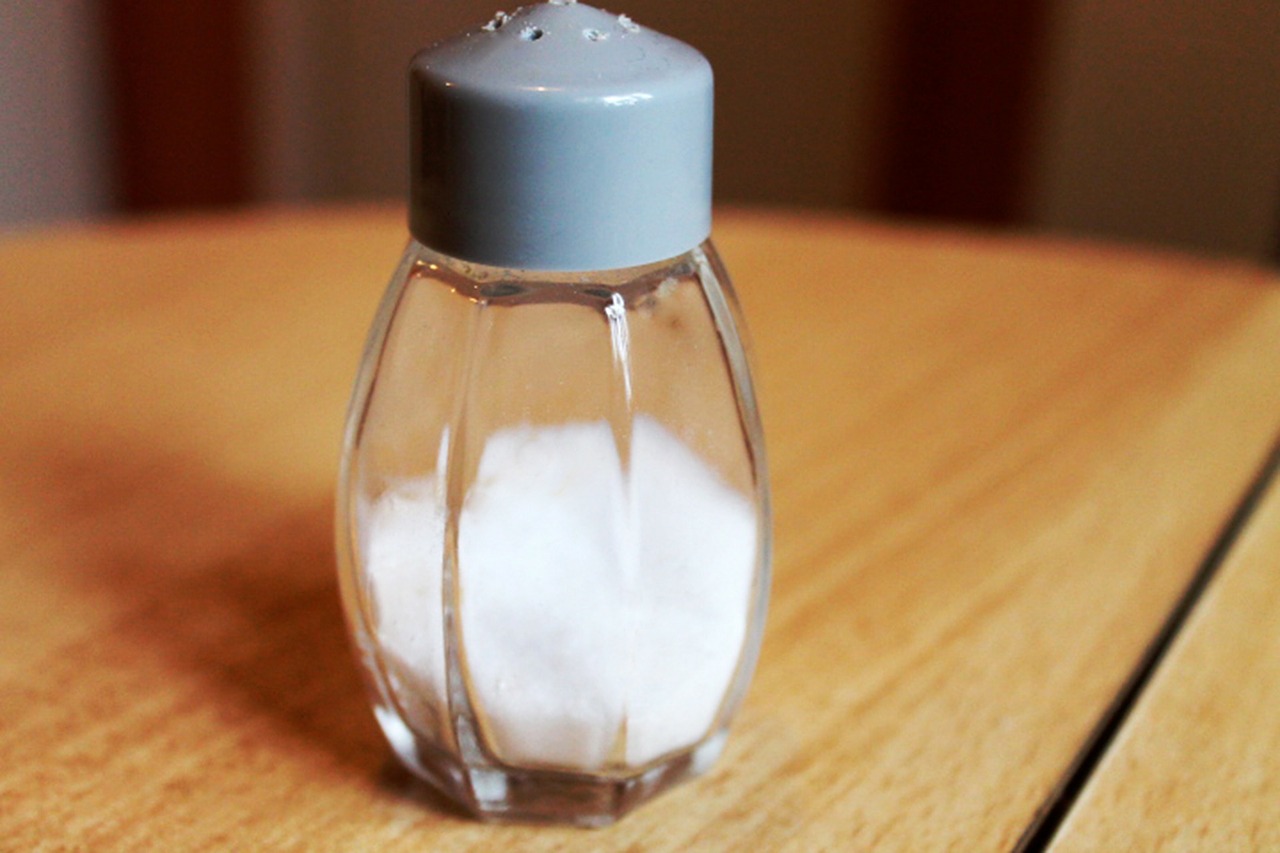
SaltBy Kiran Thanigasalam, BPharm, MPH, MotherSafe (MotherToBaby’s Australian partner)

As Birth Defects Prevention Month came to a close last month, I thought it was crucial I keep the momentum going by talking about Iodine with every patient I come across as a pharmacist and counselor. Why? When planning for baby, you and your prenatal vitamin need to be on the same team when it comes to health. While there may be no “i” in team, there is an “i” in both iodine and iron. When the topic of iodine supplementation is raised with pregnant women, I can tell you that a lot of women confuse iodine with iron when searching for the perfect prenatal vitamin.

What is iodine?
Iodine is a naturally-occurring trace element which is vital for thyroid function. It is an essential component of the thyroid hormones T4 and T3. Some common food sources include seaweed, fish, egg and iodized salt.

Misconception
The total recommended daily intake in pregnancy ranges from 220 micrograms (U.S. RDA) to 250 micrograms (W.H.O, Unicef, ICCIDD). While many women report that they have “tested within normal limits for everything” and have a balanced diet, the American Thyroid Association, American Academy of Pediatrics and the Endocrine Society recommend a prenatal supplement of at least 150 micrograms of elemental iodine per day for every pregnant woman. This recommendation assumes that the woman is also getting 70-100 micrograms of iodine in her daily diet.
The only exceptions to this recommendation are women with pre-existing thyroid conditions such as Graves’ disease who have been advised by their treating specialists to avoid iodine supplements.

Dietary iodine intake in the US has generally been considered adequate since the fortification of table salt and other foods. However, since routinely testing iodine concentrations in urine is not practical and since supplementation is cheap, safe and effective, the preventative approach of a one-size-fits-all supplement in pregnancy provides peace of mind – especially for at-risk groups like vegetarians or those who do not consume dairy products or iodized salt.

Getting enough iodine is crucial for a developing baby’s brain and skeleton.

In its most extreme form, iodine deficiency can result in maternal goiter (a condition in which the thyroid gland becomes enlarged), miscarriage and stillbirth. However an underactive thyroid gland in the mother, even if she is not having any symptoms, can cause the baby to have neurodevelopmental problems such as a reduced IQ.

Clearly, not all prenatal vitamins are the same.

A 2009 paper published in the New England Journal of Medicine surveyed 223 prenatal multivitamins marketed in the United States and found that only 51% contained iodine, and 37% of those products contained kelp as the iodine source. Unfortunately, wide variations in the iodine content of kelp make this an unreliable choice of supplement. Potassium iodide is preferred.

As a result, it is crucial to check that the prenatal vitamin you are contemplating buying contains not only folic acid (which is important to prevent birth defects of the spine, called neural tube defects), but also iodine at the recommended amount and in the right form. Here’s to a winning team when it comes to iodine and health for you and baby!
MotherSafe logo
About the Author

Kiran Thanigasalam, BPharm MPH, is a pharmacist and teratogen information specialist at MotherToBaby’s international affiliate, MotherSafe, which is based at the Royal Hospital for Women, Randwick in Australia.

MotherToBaby is a service of the international Organization of Teratology Information Specialists (OTIS), a suggested resource by many agencies including the Centers for Disease Control and Prevention (CDC). If you have questions about nutritional supplements, alcohol, medications, vaccines, diseases, or other exposures, call MotherToBaby toll-FREE at 866-626-6847 or try out MotherToBaby’s new text counseling service by texting questions to (855) 999-3525. You can also visit MotherToBaby.org to browse a library of fact sheets, chat live or email an expert.

Ep. 89 – Epilepsy, Pregnancy, and Advocacy: Dr. Kristi McIntosh’s Story of Science and Strength

Caring for individuals with HIV during pregnancy requires a comprehensive, informed, and compassionate approach. In this webinar, Britton Gibson, MD, from the Medical University of South Carolina, presents the latest research-based information on managing HIV across the reproductive journey—from pre-conception planning to pregnancy, delivery, and breastfeeding.

Dr. Gibson discusses clinical best practices and strategies to support patients at every stage, including optimizing maternal health, reducing the risk of perinatal transmission, and navigating complex decisions around infant feeding. Attendees will gain practical insights into patient-centered care, current treatment guidelines, and the importance of multidisciplinary support systems.

This presentation is ideal for healthcare providers, counselors, and advocates who care for women living with HIV and are committed to improving health outcomes for both parent and baby.


Ep. 89 – Epilepsy, Pregnancy, and Advocacy: Dr. Kristi McIntosh’s Story of Science and Strength

By Robert Felix, President, MotherToBaby

Gardens are blooming, kids are out of school, beaches and parks are crowded, and the sun is shining. Ahhh….Summer is here again! With more skin showing during these warm summer months, it’s important to protect our skin from the sun by wearing sunscreen. But what do we know about the safety of sunscreen products during pregnancy? Should pregnant moms avoid sunscreen? What if the day is overcast and cloudy? These are questions I’m getting often these days as a teratogen information specialist at MotherToBaby. So let me share with you what I tell women who contact our service…

First, there’s a misunderstanding that when the sun is not directly shining, like when it’s overcast, we are protected from the harmful effects of the sun’s ultraviolet rays (UV-A and UV-B). So let me shine a light on the issue (no pun intended). Because the sun’s ultraviolet rays penetrate clouds, everyone – including children and pregnant women – is vulnerable to sunburns, even on cloudy days. Damage to our skin that is caused by the sun can lead to long-term issues, including premature aging as well as skin cancer.. Prevention is key. Seeking shade, wearing protective clothing and using sunscreen are all important in reducing the risk of sunburns and skin cancer.

So what about sunscreen safety during pregnancy?

Sunscreen alone is not fully protective. However, it certainly can provide added protection for the skin and reduce the risk from sunburn. In fact, the American Academy of Dermatology (AAD) recommends everyone use sunscreen. Pregnant or not, choose a sunscreen that protects against both UVA and UVB rays. Water resistant with a high sun protection factor (SPF) really helps, too; the AAD recommends using a sunscreen with a SPF of at least 30, which blocks 97% of the sun’s rays.1

The ingredients in sunscreen products in the U.S. have to go through a specific approval process. They must be reviewed by the U.S. Food and Drug Administration (FDA) for their safety before they hit shelves. Unfortunately, there is not one preferred choice for pregnant women. However, it is reassuring that to date there is no published information suggesting that sunscreens cause an effect to the developing fetus/unborn baby. Additionally, sunscreen use can help prevent blistering sunburns, which can become easily infected and lead to other complications for a pregnant woman.

So what do our counselors at MotherToBaby recommend that pregnant women do? Before you head out the door, cover up with cool, breathable long sleeve clothing; wear a hat to protect your head and face; apply sunscreen on any areas of your skin that are exposed; and try to stay under shaded areas, when possible. Our last bit of advice? Enjoy your summer!

Robert Felix is a teratogen information specialist at MotherToBaby California, a non-profit affiliate of the international Organization of Teratology Information Specialists (OTIS). Robert is the current president of MotherToBaby and is based at UC San Diego’s Center for Better Beginnings. MotherToBaby CA answers questions over the phone as well as via live chat and email through www.MotherToBabyCA.org.

MotherToBaby is a service of the international non-profit Organization of Teratology Information Specialists (OTIS), a suggested resource by many agencies, including the Centers for Disease Control and Prevention (CDC) and the Food and Drug Administration’s (FDA) Office of Women’s Health. If you have questions about medications, diseases, vaccines or other exposures, call MotherToBaby toll-FREE at 866-626-6847 or visit www.MotherToBaby.org to browse a library of fact sheets and to find your nearest affiliate.

References:

  1. American Academy of Dermatology. Suncreen FAQs. Available from, https://www.aad.org/media-resources/stats-and-facts/prevention-and-care/sunscreen-faqs Accessed July 6, 2015.