Fact or Myth? From One Latina Mom to Another

Let’s face it, being pregnant can be hard, having a baby is without a doubt hard, and taking care of a newborn might be even harder, especially if it’s your first. Even when it feels like you are doing a great job, there is always someone who can’t stop suggesting ways to make things better.

Think about it, I am sure you have heard…

“If you do this ________, your baby will sleep through the night.”

“I had 4 kids and that has never happened to me…”

“You need to stop drinking coffee if you want to breastfeed.”

“You should consider changing your diet, it might help you lose some of the baby weight.”

Sound familiar? That someone can be your parents, siblings, partner, the in-laws, grandparents, extended family members, or some random person/influencer online. With no shame, those are probably good ideas that may have worked for them whenever you had their own kids but it might not be the same for you and that is okay.  Every experience is different, and no kid is the same.

When I was pregnant, I felt so great! I was on top of the world (ignoring the weight gain, and the shortness of breath). Really, no joke. Receiving compliments everywhere I went felt awesome!

But now that I have my baby… it sometimes feels like everyone wants me to do more and do “better”. Culture and ethnicity play a huge part in how we approach parenthood but let me tell you… being a Latina woman holds no exception.

So, let’s talk about some myths among the Latino community.

#1, Adding a little bit of cereal to the baby’s bottle will help him/her sleep better, especially at night.

Fact or Myth?

This is true or a fact but not necessarily for a healthy standpoint. You may notice your baby sleeping for longer periods of time but it’s because they are being overfed and it will require more effort from the digestive system to break down this heavy meal. Think about that time when you ate way more than what you were used to. You might have felt tired and opted for a nap; the same thing happens to your baby. Remember that babies need to eat every 2-3 hrs., and sometimes earlier if you are exclusively breastfeeding (since breastmilk is easier to digest, compared to formula).

So, next time you hear this, please, do not add any cereal to your baby’s bottle unless your pediatrician instructs you to do so. You can read more about “Boosting your Breastmilk” here: https://mothertobaby.org/baby-blog/boosting-milk-for-baby-the-supply-demands-of-breastfeeding/.

#2 You should start a liquid diet once you have your baby to produce more breastmilk and lose the weight gained.

Fact or Myth?

Myth! You have spent 9 months “eating for two” and now they want you to stop eating and go on a liquid diet!  This is not only a myth, but it could also be harmful to you, especially if breastfeeding is a goal of yours. To successfully produce enough breastmilk to feed your baby, your body needs to be well nourished. The goal is to be hydrated and eat a variety of foods from each food group [carbohydrates, proteins (vegetable or animal sources), vegetables, fruits, and dairy] and to nurse your baby as often as they want/need (on demand). So please, drink lots of water but also eat solid foods, unless your healthcare provider instructs you to do something else.

PS: If you want to know more about nutrition, talk to a registered dietitian. They will work with you to help achieve your goals. Read more about other blogs on nutrition at: https://mothertobaby.org/category/food-beverages/.

#3 Eating eggs after delivery will make your breastmilk smell bad and your baby won’t latch.

Fact or Myth?

Yet, another myth! All foods have different mechanisms of digestion, and although some take longer to digest, it is a myth that some residues will affect the smell of your breastmilk. Same as above, if you are a fan of eggs and you have been eating them throughout the pregnancy, there is no conclusive evidence to suggest that you should stop eating them after delivery. On the contrary, studies show that the earlier we expose our babies to the Big 8 food allergens (milk, eggs, fish, crustacean shellfish, tree nuts, peanuts, wheat, and soybeans; with sesame being the 9th added), the better likelihood there is that this may reduce their chances of having a food allergy later in life. So once again, it is safe to say you can continue drinking your water and eating your meals, bearing in mind the importance of practicing food safety [eating fully cooked foods, with an internal temperature of 160°F, for the eggs] Learn more about food safety here: https://mothertobaby.org/fact-sheets/eating-raw-undercooked-or-cold-meats-and-seafood/,

#4 Drinking coffee while breastfeeding will make your baby fussy.

Fact or Myth?

This is a fact but when the intake of caffeine surpasses 300mg a day. Remember that being fussy is not a diagnosis, it is a symptom of some underlying problem. Fussiness and gassiness are very common in babies since they are not moving. If you are breastfeeding and your baby is getting fussy very often, contact your healthcare provider. But rest assured that one cup of brewed coffee a day will not make your baby fussy as it is typically around 137 mg of caffeine. More often than not, there are other reasons why your baby might be fussy such as: excessive sugar intake, complex carbohydrates intake (which are harder to break down in your digestive system), among many other reasons. To learn more about caffeine intake during the pregnancy or while breastfeeding, check out our Fact Sheet at: https://mothertobaby.org/fact-sheets/caffeine-pregnancy/ .

Now that we have talked about some myths among our community, I hope we can spread the word and you may feel more empowered to make your own decisions based on what we have discussed today.

Being a Latina mom living in the United States has given me a different perspective but no matter where I am, I have heard these myths about motherhood more often than I would like to admit. Hopefully debunking and explaining some of these myths will help you and others understand that at the end of the day, you are more than capable of making good choices and you know what works best for you and your baby.

Take care of yourself so you can take care of that little person you just had. At MotherToBaby we are here to help you, just one call, text, chat, or email away.
Fact or Myth? From One Latina Mom to Another

(Salt Lake City, UT) – For three decades, the Pregnancy Risk Line’s (PRL) MotherToBaby service has helped mothers and health care providers keep babies safe during pregnancy and while breastfeeding. On May 30, the program celebrates 30 years of service and will take its 230,000th call, give or take a few.

The experts at MotherToBaby answer questions about a variety of potential exposures like foods, prescriptions, OTC medications, diseases, and immunizations a baby can be exposed to through Mom. “Health care providers ask about pain medications, moms want to know if it’s safe to paint the nursery, even grandmothers call to ask whether mom is doing too much exercise,” says program coordinator Lynn Martinez. “Every call is important. We’re happy to be helping families feel safer and navigate through a stressful time.”

Geneticist John C. Carey, M.D., founder and MotherToBaby medical director, remembers getting the idea for the service in 1979 when he first started his practice in pediatric genetics. “We struggled with helping moms without making them feel guilty about birth defects, not caused by the exposure they had, but by genetic factors they had no control over,” said Carey. “The service still faces some of the same challenges today,” he added. “With access to information more available but not always reliable, moms feel the risk to baby is higher than what has been proven, and providers often find conflicting information in published research.”Experts at MotherToBaby review new studies, compare findings to past studies, and work with professionals from other disciplines to determine the risks for exposures.

“The personalized risk assessments we provide help clinicians and mothers determine the best course for each situation,” Martinez said, “Sometimes there are risky conditions and risky medications, such as using an antiepileptic medication versus the danger of leaving the mom’s epilepsy uncontrolled. We provide the latest evidence-based information to help the primary care provider and mom make an informed choice, together.”

Former First Lady Norma Matheson was on hand 30 years ago and said hello to the first caller. She is happy to return to help celebrate the anniversary. “The Risk Line has been a reassuring resource for moms who just want to do what’s best for their growing baby,” said the First Lady. I’m proud of the work MotherToBaby staff have been doing for Utah mothers-to-be and wish them another 30 year of helping save babies’ lives.”

PRL’s MotherToBaby is a joint partnership between the Utah Department of Health and the University of Utah. It is one of 16 member services of the North American Organization of Teratology Information Specialists, now known as MotherToBaby. The service is open for calls Monday through Friday from 8:00 am to 5:00 pm. at 1-800-822-2229 or 801-328-2229. For more information visit https://mothertobaby.org//a> or follow them on Facebook and Twitter.


Fact or Myth? From One Latina Mom to Another

Helping You Educate Your Pregnant and Breastfeeding Patient


Fact or Myth? From One Latina Mom to Another

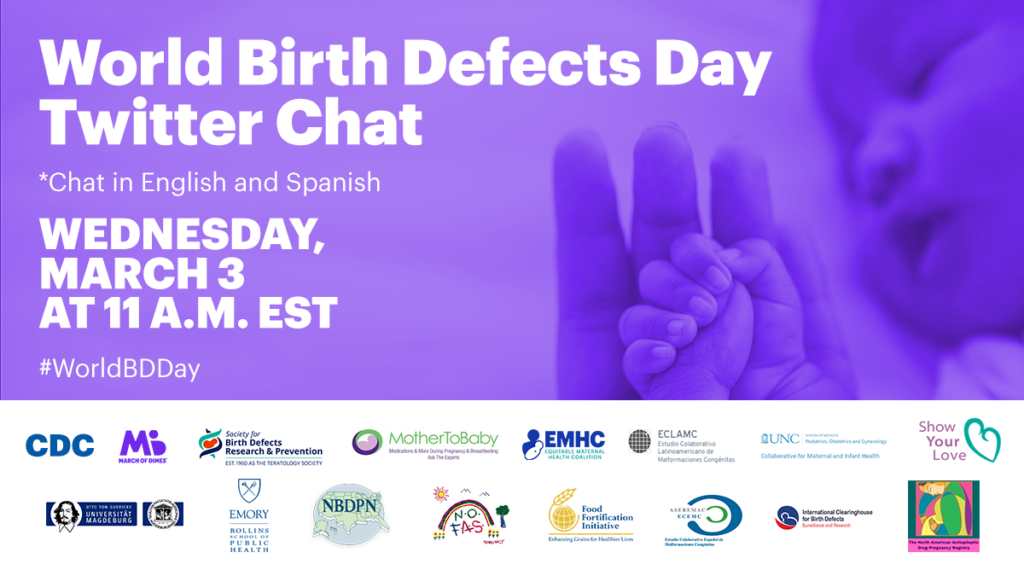
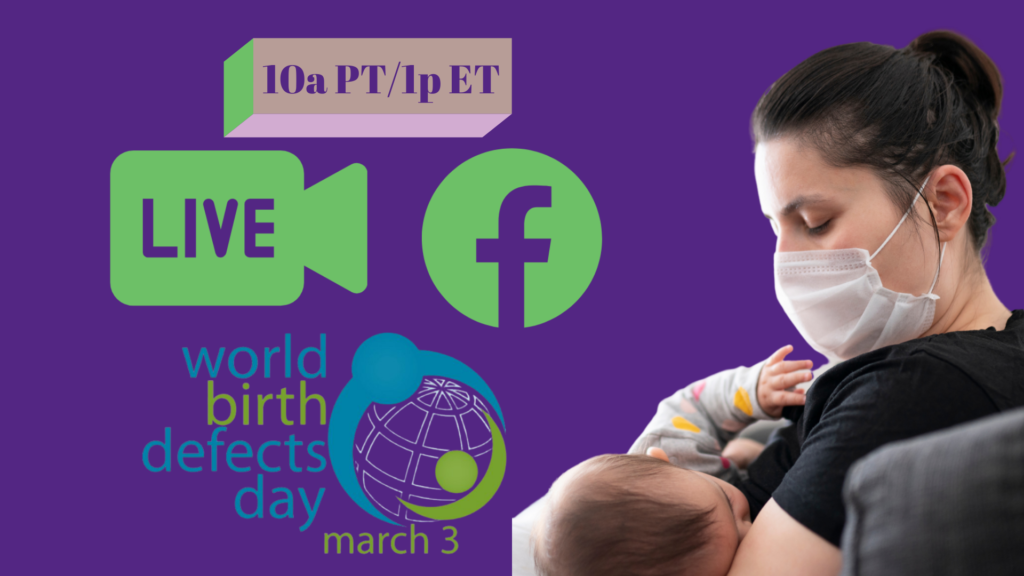
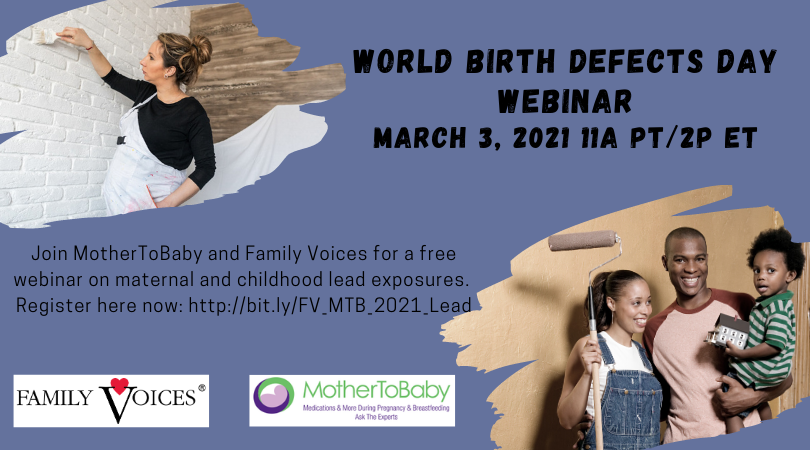
World Birth Defects Day is March 3 and MotherToBaby is a proud partner in two of the events scheduled for that day – the Facebook Live Event at 1p ET about the COVID-19 vaccine in pregnancy and breastfeeding featuring our own Sonja Rasmussen, MD, Lorrie Harris-Sagaribay, MPH, Kirstie Perrotta, MPH and our Past President Robert Felix. In addition, a #WorldBDDay Twitter chat is scheduled and, alongside the non-profit Family Voices, our Al Romeo, RN, PhD, will present a free webinar on lead exposure at 2p ET. We hope you’ll mark your calendar for all of the events scheduled for March 3 and support World Birth Defects Day by taking part! Here is the full rundown of the activities outlined by our partners at the International Clearinghouse on Birth Defects Surveillance and Research:

LIVE EVENTS on March 3rd

Time Event How to Participate
8 AM EST / 2PM CET WHO WBDD webinar via Zoom: Saving lives of babies with birth defects and improving their quality of life 1)      Registration details will be made available soon.
11 AM EST/8 AM PST #WorldBDDay Twitter Chat:Many birth defects. One voice 1)      Promote event with sample tweets and promotional graphic-EngSpan
2)      Prepare responses and participate live or schedule tweets (script)
1PM EST/10AM PST    Facebook Live Event: COVID-19 Vaccine in Pregnancy & Breastfeeding Follow MotherToBaby on March 3 to take part and ask questions! https://fb.me/e/A2mTOEya
2PM EST/11AM PST Free webinar on lead exposure in pregnancy Register at: http://bit.ly/FV_MTB_2021_Lead

Event Descriptions

WHO World Birth Defects Day Webinar via Zoom

8:00AM EST / 2:00PM CET

All children have the right to a healthy start in life. Babies born with birth defects are particularly at risk of death and lifelong disability. Many birth defects can be prevented and treated. But, when a baby is born with a birth defect, receiving the right care as soon as possible gives them the best chance to life and helps them reach their maximum potential. There is a need for strengthening healthcare services to meet the needs of babies born with a birth defect, in particular in low-and-middle income countries of Asia and Africa, where the health care systems are the weakest and the burden of birth defects is the highest. To promote quality of care and universal health coverage for children with birth defects, we must bring to light the human rights perspective and the need for advocacy.

With this webinar, we would like to commemorate World Birth Defects Day to raise awareness about #ManyBirthdefects1Voice. Registration details will be shared soon.

#WORLDBDDAY Global Twitter Chat

On March 3rd at 11:00AM EST, 5:00PM CET, join us during the Twitter Chat as one voice to raise awareness about birth defects. To prepare, get the bilingual script and questions here.  Even if you cannot join us live, please schedule a tweet using #WorldBDDay at this time.

Facebook Live Event: COVID-19 Vaccine in Pregnancy & Breastfeeding

The event panel includes moderator Robert Felix, MD; and speakers Sonja Rasmussen, MD, Lorrie Harris-Sagaribay, MPH, and Kirstie Perrotta, MPH.

Follow MotherToBaby at https://fb.me/e/A2mTOEya

Lead Exposure Webinar

As parents or when planning to start a family, it’s important to know and understand how to achieve the best care and health for children, but where do you begin? Right at home! Houses, especially older ones, can be a source of lead exposure. Although lead-based paint hasn’t been sold since the late 70s, many older homes still have it. Learn about the available resources supporting families who are exposed to lead.  On World Birth Defects Day March 3, join the free webinar presented by MotherToBaby and Family Voices on the impact of lead exposures during pregnancy, infancy and in childhood. Register here now. 


Fact or Myth? From One Latina Mom to Another

In collaboration with the Centers for Disease Control and Prevention (CDC) National Center on Birth Defects and Developmental Disabilities, the American Academy of Pediatrics Program to Enhance the Health and Development of Infants and Children (PEHDIC) is offering a free webinar with the aim of educating health care providers about medication safety during pregnancy and resources to help counsel women on treatment decisions before and during pregnancy.

MTB_Head Shots-18The webinar, led by Christina Chambers, PhD, epidemiologist, UC San Diego professor and Director of our MotherToBaby California affiliate, as well as Cheryl Broussard, PhD, Health Scientist at the CDC’s Birth Defects Branch, will provide an overview of what is known about medication safety during pregnancy, relevant clinical considerations for prescribers and pharmacists and resources to help counsel women regarding treatment decisions before and during pregnancy.

Taking some medications early in pregnancy—often before women know they are pregnant—can increase the risk for some birth defects and other poor pregnancy outcomes. “While pregnant women should not stop or start taking any type of medicine without first talking with a health care provider, the information available to health care providers to guide and support the decision making process is limited,” explained Chambers. “We hope to provide some insight and resources to make that process easier for them.”

The free webinar will take place on January 26, 2016 at 2p Eastern. Click here to register.