
Prevention in a Pill: Help Choosing the Right Prenatal Vitamin

Photo Credit: © Bernd Esche | Dreamstime Stock Photos

By Lauren Bryl, MS, Certified Genetic Counselor, MotherToBaby IL

It’s National Birth Defects Prevention Month, and you’ve found yourself here – standing in the pharmacy aisle in search of prenatal vitamins. You think, “I should start taking one of these if I want to have a baby, right? At least that’s what I’ve heard…” Your eyes are swimming and head is spinning with all the options. “Should I choose the old-fashioned tablets, the fruit-flavored gummies, or the minty chewables? With DHA or without? Do I need extra calcium or vitamin D? Is 200% daily value better than 100%? This seems like a good one,” you think to yourself. “Oh wait! Maybe this one is better…” Shelf after shelf of bottles of vitamins and supplements…but which one is right for you?

Give yourself a pat on the back.

First of all – well done, Mama! You’ve already made the most important decision by choosing to kick off your pregnancy journey with a solid supply of vitamins to support a growing baby! But why are prenatal vitamins so important anyway? Well, one of the main reasons is that deficiency of a vitamin called folate (also called folic acid) in very early pregnancy increases the risk for neural tube defects. Neural tube defects are a group of birth defects in which there is an opening in the spine. They include things like spina bifida. While the other vitamins and minerals may also provide benefits to mom and baby, the folic acid in the prenatal multivitamin is one of the most important for birth defect prevention. Taking folic acid prior to and during pregnancy is the best thing we can do to reduce the risk of neural tube defects.

Take a deep breath.

As a prenatal genetic counselor, I’ve had many patients ask me which prenatal vitamin is the best. While there are, of course, many factors that go into making a decision about which prenatal vitamin to take including cost considerations and personal preferences, I’m here to give some thoughts from a medical professional’s perspective. First of all, you may not even have to make this choice yourself. Your doctor may prescribe you a prenatal vitamin with folic acid, so check with her first. But if she tells you to pick something up over the counter, don’t panic.

Check the ingredients and their doses.

The exact vitamins and minerals that you, personally, will need in a multivitamin depends on a few things. One is whether you have any known vitamin or mineral deficiencies or risk factors for such a deficiency. For example, vegans and vegetarians are more likely to have deficiency of vitamin B12, a vitamin found in meat and other animal products. The amounts of vitamins and minerals you receive through your diet should be considered. It is common for women to need extra help getting the recommended amounts of calcium, iron, and vitamin D. The daily recommended intakes for pregnant women over 18 years are 1,000 mg (milligrams) of calcium, 27 mg of iron, and 600 IU (International Units) of vitamin D. Some health care providers will also suggest docosahexaenoic acid (DHA) supplementation of 200 mg per day for those who do not eat fatty fish (like salmon and tuna) at least twice a week.

Regardless of your diet, folic acid supplementation is a must. The natural form of the vitamin found in certain foods (called folate) is not as well absorbed as the supplemental form (folic acid). Because of this, the U.S. Public Health Service recommends that all women of childbearing age take a folic acid supplement of 400 micrograms (0.4 mg) per day. Once you become pregnant, this dosage increases to 600 micrograms (0.6 mg) per day. If you are at higher risk for neural tube defects than the average woman because of family history or another factor, an even higher dosage may be recommended. You should consult with your health care provider for her recommendation.

With vitamins, more is not always better, though. While some vitamins are unlikely to be harmful even if taken at high dosages in pregnancy, this is not true for all. Specifically, very large amounts of supplemental vitamin A have the potential to increase the risk of birth defects and intellectual disabilities. For this reason, it is recommended that vitamin A supplementation not exceed 10,000 IU per day.

Don’t go too far off the beaten path.

Unlike medications and foods, vitamins and supplements are not regulated by the U.S. Food and Drug Administration (FDA). This means that the FDA does not test vitamins and other supplements to ensure that they contain the ingredients written on their labels at the doses indicated. The FDA also does not test for contamination with other, potentially harmful ingredients in vitamins and supplements. It is the responsibility of those who make the vitamins to perform these types of tests to ensure quality and safety.
Does this mean that most vitamins are dangerous? No, but it does mean that it may be safer to choose a widely available multivitamin rather than one produced by a small, specialized manufacturer. Companies with wider distribution are under more pressure to produce a safe product than those whose products you may only be able to buy in a specialty store or through their website. If in doubt, speak with your healthcare provider or a pharmacist.

Choose what works for you.

While perhaps the most obvious point, choosing a vitamin that you will actually take is arguably the most important one as well. The perfect multivitamin won’t do you any good if it is gathering dust in the medicine cabinet. If even just the thought of swallowing a pill half the size of a golf ball every morning has you queasy, you could consider trying a liquid or chewable form. Iron in your prenatal vitamin giving you constipation? Ask your health care provider if it’s necessary that you have iron supplementation if you receive adequate amounts through the foods that you eat.

So if you find yourself in the pharmacy aisle overwhelmed with all the multivitamin options, try not to stress! Remember these tips and save that energy for other difficult decisions down the road…like choosing a preschool!

MTB_Head Shots-08

Lauren Bryl, MS, is a certified genetic counselor, licensed in the state of Illinois. She graduated from Haverford College with a Bachelor’s degree in molecular biology and earned a Master’s of science in genetic counseling at Northwestern University. Located out of Chicago, Lauren serves as the coordinator for MotherToBaby Illinois. Since 2011 she has counseled women, their family members and their healthcare providers regarding the effects of exposures during both pregnancy and lactation. In addition to her role with MotherToBaby, Lauren is a clinical genetic counselor at Insight Medical Genetics where she provides both reproductive and hereditary cancer risk counseling.

MotherToBaby is a service of the international Organization of Teratology Information Specialists (OTIS), a suggested resource by many agencies including the Centers for Disease Control and Prevention (CDC). If you have questions about alcohol, medications, vaccines, diseases, or other exposures, call MotherToBaby toll-FREE at 866-626-6847 or try out MotherToBaby’s new text counseling service by texting questions to (855) 999-3525. You can also visit MotherToBaby.org to browse a library of fact sheets.

References:

American College of Obstetricians and Gynecologists; American Academy of Pediatrics. Guidelines for Perinatal Care. 6th ed. Washington, DC: American College of Obstetricians and Gynecologists; 2007. Elk Gove Village, IL: American Academy of Pediatrics; 2007.

Centers of Disease Control and Prevention (CDC). Use of dietary supplements containing folic acid among women of childbearing age—United States, 2005. MMWR Morb Mortal Wkly Rep. 2005;54(38):955-958.

De-Regil LM, Fernandez-Gaxiola AC, Doswell T, Pena-Rosas JP. Effects and safety of periconceptional folate supplementation for preventing birth defects. Cochrane Database Syst Rev. 2010;(10):CD00795.

Food and Nutrition Board, Institute of Medicine, National Academy of Sciences. Recommended Dietary Allowance and Adequate Intake Values, Vitamins and Elements. Institute of Medicine Web site. www.iom.edu/Activities/Nutrition/SummaryDRIs/DRI-Tables.aspx. Updated September 12, 2011. Accessed January 5, 2016.

Koebnick C, Hofmann I, Dagnelie PC, et al. Long-term ovo-lacto vegetarian diet impairs vitamin B-12 status in pregnant women. J Nutr. 2004;134(12):3319-3326.

Office of Dietary Supplements, National Institutes of Health, U.S Department of Health and Human Services. Dietary supplements: What you need to know. National Institutes of Health Web site. https://ods.od.nih.gov/HealthInformation/DS_WhatYouNeedToKnow.aspx Updated June 17, 2011. Accessed January 5, 2016.

Prevention in a Pill: Help Choosing the Right Prenatal Vitamin

Rachel called us the morning she woke up and found a bat hanging out in her closet.  As far as she could tell, she had not been bitten.  She was 10 weeks pregnant and wondered what her next steps should be. Her husband also did not detect any bites. He kindly relocated the bat to the outside of their home, but now they were both exposed to potential rabies infection. She was about to leave for work, and her husband had already left for a busy day at the office.

Rachel had been down this road before in high school with a similar event in her childhood home. At that time, her whole family went to their local emergency department and were treated with a rabies vaccine series, or post exposure prophylaxis, to prevent them from becoming ill with rabies.  At that time, she remembered being told that she would never need to go through the series again.  She was calling us today because her OB provider referred her to MotherToBaby Connecticut for clarification. 

In researching this comment about never needing to be treated again, I decided I needed some assistance from our local Poison Control. They confirmed that yes, she did need to be seen and re-treated in an emergency department of her choice. They also put me in contact with our State of CT Epidemiologist for further consultation. Our epidemiologist reiterated the need to be treated again because of this exposure. Rachel’s pregnancy was not a reason to avoid treatment.

In such circumstances, the benefits outweigh the potential chances for adverse pregnancy outcome from the preventative vaccine series. Rachel’s husband would need the vaccine, as well.

The Centers for Disease Control and Prevention (CDC) has a nice online review that I shared with Rachel that confirmed the need for her to receive treatment with the rabies vaccine. It also confirms the benefits of treatment in pregnancy outweighs the chances for any adverse pregnancy outcomes.

Rabies

  • Because of the potential consequences of inadequately managed rabies exposure, pregnancy is not considered a contraindication to postexposure prophylaxis. Certain studies have indicated no increased incidence of abortion, premature births, or fetal abnormalities associated with rabies vaccination. If the risk of exposure to rabies is substantial, pre-exposure prophylaxis also might be indicated during pregnancy. Rabies exposure or the diagnosis of rabies in the mother should not be regarded as reasons to terminate the pregnancy. 

Treatment for rabies exposures include the actual rabies vaccine as well as the Human Rabies Immune Globulin (HRIG). The HRIG is a medication given at the time of exposure to provide the patient with immediate protection from the rabies virus. It is only ever given once. That means Rachel will not need HRIG again.

Instead, she will just need two injections of the rabies vaccine (there are up to five shots given after a first exposure). The vaccine helps your body build its own immunity to protect you against the rabies virus.

Because this was her husband’s first exposure, he will need the full treatment including the HRIG and up to five injections of the rabies vaccine.

How urgently did Rachel and her husband need to be treated? The epidemiologist said sooner rather than later, recommending they visit an emergency department within the day of exposure.

Though Rachel was not excited about having to get vaccinated again, she was relieved to learn exactly what she needed to do for the health of her baby, her husband, and herself.

We were grateful for the collaboration with our local Poison Control, state epidemiologist and the CDC documents.  The best possible reproductive data was provided for this couple to make the best reproductive decisions for themselves. With the help of MotherToBaby and our collaborators, this was one less bat-tle they had to face alone.


Prevention in a Pill: Help Choosing the Right Prenatal Vitamin

Lead is a toxic metal found in contaminated soil and in everyday products such as lead-based paint, older water pipes, and certain cosmetics, ceramic glazes, and batteries. People with jobs or hobbies— such as law enforcement, construction, auto repair, pottery, jewelry making, or stained glass — can be exposed to higher levels of lead. High lead levels during pregnancy and breastfeeding can affect early and ongoing brain development in the fetus or child. This infographic provides both Facts for Families and Facts for Professionals that cover the risks of lead exposure, how exposure can happen, and when testing is needed to check blood lead levels. Understanding the effects of lead exposure during pregnancy and while breastfeeding is essential to protecting the health of both mother and child.

If you have further questions about lead exposure through the environment, workplace, or hobbies while pregnant or breastfeeding, please speak with your healthcare provider or contact MotherToBaby for a personalized risk assessment.


Prevention in a Pill: Help Choosing the Right Prenatal Vitamin

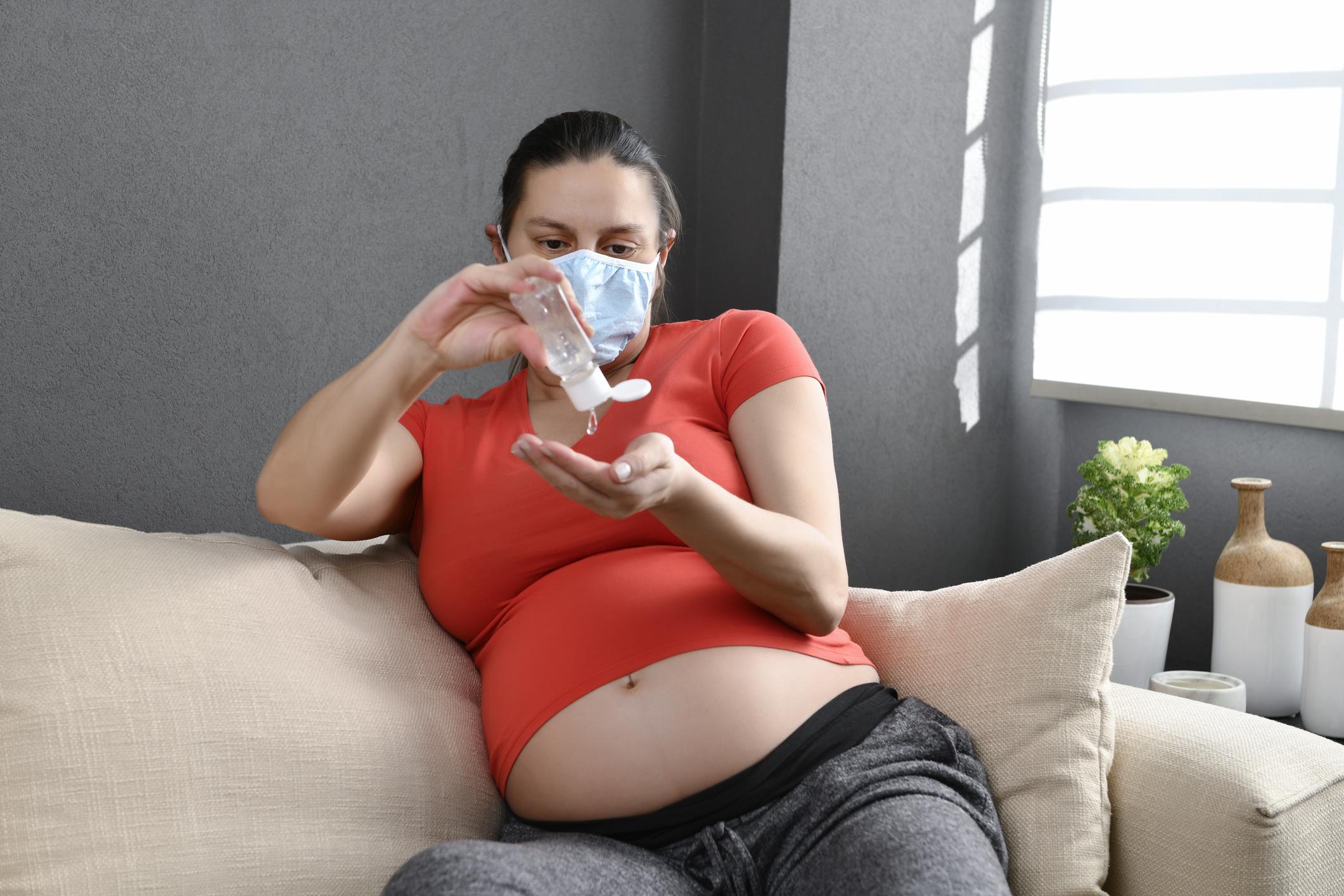
In recent weeks, the FDA has recalled numerous hand sanitizers sold in the US to combat COVID 19. The recalls include formulations that contain wood alcohol or methanol, both of which can be toxic in high doses. Pregnant women, women planning a pregnancy, and those breastfeeding have been trying to stay safe from COVID, and now are finding that the products that they had been relying on may in fact be potentially harmful.

If used as directed on your skin, and not ingested, proper use of hand sanitizers should have little to no known increased risks to mom or baby. Even if those products did contain methanol or wood alcohol. Standard use is unlikely to pose significant concern. The only research on methanol in pregnancy is animal studies, which exposed rodents to much higher levels that would be typical of human exposure. The recall of hand sanitizers that contain methanol made mention of methanol poisoning in people who swallowed the sanitizer, but no reports of toxicity has been reported thus far in people who only used it on their hands. Additionally, no concerns have been reported related to pregnancy outside of maternal toxicity (making the mom sick).

These sites are helpful:
https://www.fda.gov/drugs/coronavirus-covid-19-drugs/hand-sanitizers-covid-19
https://www.fda.gov/drugs/information-drug-class/qa-consumers-hand-sanitizers-and-covid-19


Prevention in a Pill: Help Choosing the Right Prenatal Vitamin

By Debra Goniwicha, MSW, MotherToBaby Georgia

I have spent a significant portion of my career working in hospitals. Shortly after learning I was pregnant with my first child, I received a notice that I may have been exposed to an airborne illness while I was at work in the hospital Emergency Room. The notice advised me to report to occupational health for further testing. I flipped out! I was scared to death that my exposure would cause harm to my baby. I was mad at the world for exposing my baby to potential harm and I was mad at myself for not being more aware of the contagious illnesses that I was surrounded by on a daily basis. But mostly, I was terrified.

An airborne infection is an illness spread by little drops of liquid (germs) that float through the air. Airborne illness occurs when someone who is infected coughs or sneezes sending the germs into the air, exposing individuals nearby to potential illness from breathing in the infection or touching surfaces where the drops land. Tuberculosis, chicken pox, and measles are all types of airborne infections. Since February happens to be International Prenatal Infection Prevention Month, I thought it would be a great time to discuss how to best avoid airborne infections in pregnancy.

So back to my own airborne illness exposure… there I was on my way down to occupational health. I was, of course, creating several devastating scenarios in my head. The logical part of my brain was recalling this was absolutely NOT the first time that I had received notice that I had been exposed to something contagious and that while every exposure notice made me worry a bit, I’d get tested, the results were fine, and I’d go on with my life. But this time I was pregnant, and it wasn’t just my life that I was worried about. It was the life and health of my much wanted, growing baby. I was fully aware how dangerous infections could be in pregnancy. I had witnessed infants in the neonatal intensive care that were born to mothers with untreated infections.

Arriving at occupational health, I was directed to a room by a nurse and immediately started sobbing. I hadn’t yet told my boss or coworkers that I was pregnant. I was superstitious, it was my first pregnancy, and I believed that you were not supposed to tell people the news until you were 12 weeks pregnant. As I stammered out why I was there, an amazing nurse (who I remember to this day) handed me tissues and gave me the best reassurance and education possible about airborne infections during pregnancy.

The nurse reminded me that I was regularly doing many things to prevent airborne infection. These include:

Handwashing – Because of working in healthcare I am very knowledgeable about the fine art of handwashing. Hands need to be wet, then apply soap and rub your hands together for 20 seconds (quick tip: singing Happy Birthday while rubbing your hands together will equal 20 seconds!). Rinse your hands and dry with paper towel.

Immunizations – Remaining current on vaccinations can go a long way to preventing an infection from an airborne illness. Examples include vaccinations to protect from the seasonal flu, the measles, pertussis (whooping cough), and bacterial meningitis. Thankfully, I was current on all my vaccinations. After this incident, I also reminded my family members to make sure they were current on their immunizations as well. Since I was pregnant, I really did not want anybody near me bringing home infections to share!

Droplet Precautions – This refers to avoiding droplets that might come from an infected person’s coughing or sneezing. Working in a hospital has taught me many things. One of them is to stand back and to the side when someone is coughing. This helps to minimize direct contact of flying particles. Also, be very aware of what you touch. Touching surfaces and then touching your eyes, nose or mouth increases contact with droplets that may contain infection. Wearing a mask over your mouth and nose also can reduce exposure to airborne droplets that contain germs.

Getting Tested and, if needed, Treatment – Most important, after learning I had been exposed, I was getting tested for infection. If the tests were positive, I could be treated before the baby was born, decreasing the risk of passing the infection to my developing baby.

I was immensely relieved when my test results were clear and showed no signs of infection. By using good common sense and following some standard precautions, I have been able to avoid any serious viral or bacterial infections. Being pregnant changed my view of the world, and it also sharpened my awareness of working safely in a hospital. I have now survived three pregnancies while working in a hospital and have three happy, healthy, and rambunctious boys.

Debra-Goniwicha2

Debra Goniwicha, MSW is the Program Coordinator for MotherToBaby’s Georgia affiliate. She has a Master’s Degree in Social Work from Wayne State University in Detroit and has worked as a medical social worker for 18 years. Debra has specialized in maternal/fetal medical social work since 2003. She has also worked as a licensed clinical social worker, counseling women with mental health issues. Debra enjoys working directly with women during pregnancy and postpartum, helping interpret medical information and providing support so they can make informed choices.

MotherToBaby is a service of the international Organization of Teratology Information Specialists (OTIS), a suggested resource by many agencies including the Centers for Disease Control and Prevention (CDC). If you have questions about viruses, alcohol, medications, vaccines, diseases, or other exposures, call MotherToBaby toll-FREE at 866-626-6847 or try out MotherToBaby’s new text counseling service by texting questions to (855) 999-3525. You can also visit MotherToBaby.org to browse a library of fact sheets, email an expert or chat live.