
MotherToBaby Georgia

Providing Pregnancy and Breastfeeding Exposure Information to Southeastern U.S. Residents

MotherToBaby Georgia specialists answer questions about exposures during pregnancy and breastfeeding for residents in the states of Alabama, Georgia, Tennessee, and Mississippi. We also offer educational webinars, presentations, and trainings to community agencies, professional organizations, and healthcare providers. MotherToBaby Georgia is funded by the Georgia Department of Behavioral Health and Developmental Disabilities. We are housed within the Center for Maternal Substance Abuse and Child Development at Emory University’s School of Medicine.


Contact Us

855.789.6222 (toll free)
Mothertobaby@emory.edu
Hours: Open Monday to Friday 9am – 5pm ET except federal holidays
Languages: English


Meet Our Team

Claire Coles, PhD

Dr. Coles is Director of MotherToBaby Georgia and Professor of Psychiatry and Behavioral Sciences and Pediatrics at Emory University, where she is also Director of the Maternal Substance Abuse and Child Development Laboratory. Her expertise is in the developmental and behavioral effects of prenatal exposure to drugs and alcohol and the interaction of these effects with the postnatal environment. She was among the first to describe the behavioral effects of prenatal alcohol exposure and to investigate the effects of cocaine exposure on child development.
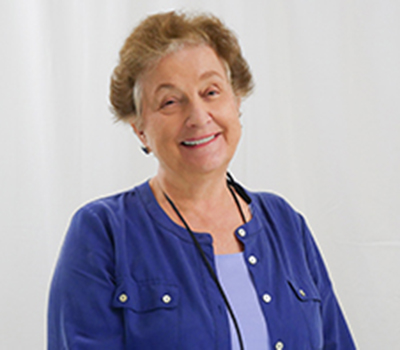
Leah Sternberg, MPH, BSN, RN, CHES

Leah is the Program Coordinator for MotherToBaby Georgia. She received her Bachelor of Science in Nursing from Illinois Wesleyan University and is a registered nurse. Her nursing experience includes fertility medicine and primary care. She recently completed her Master of Public Health at Emory University with a specialization in behavioral, social, and health education sciences. Leah is a Certified Health Education Specialist. She has experience in providing sex and reproductive health education to children and adults. When she isn’t the Program Coordinator for MotherToBaby Georgia, Leah still volunteers as a public health nurse. Leah is passionate about having hard conversations about health, as well as health literacy, health integrity, and health empowerment.


MotherToBaby Georgia Newsletter

Our staff also write newsletters on topics of interest to those who are pregnant or breastfeeding. Take a look at some of the topics we’ve covered below:

Ask Our Experts

Call, text, chat, or email for a free personalized risk assessment on exposures in pregnancy and breastfeeding.


MotherToBaby Georgia

“I’m worried. I can’t sleep. It’s anxiety.” The message came through from Natalie a few minutes after I had logged onto our live chat service at MotherToBaby.org. “I’m 14 weeks pregnant and concerned about taking a SSRI” she continued. As a Teratogen Information Specialist, I answer questions about exposures during pregnancy and breastfeeding on a daily basis, and I was happy to chat with Natalie about this topic.

Natalie had just returned from a visit to her OB/GYN’s office where she was diagnosed with anxiety. She had shared with her doctor that she was having trouble eating and sleeping, and was experiencing racing thoughts and constant worry about the future. Natalie’s OB/GYN was concerned that what she was describing was more than the typical pregnancy concerns that many women have. She recommended that Natalie start on an SSRI to help manage her symptoms.

Natalie knew she needed to do something to deal with her anxiety, but she was reluctant to take any medication. “I’ve read online that SSRIs can cause the baby to experience withdrawal symptoms, and I would never want to do anything to hurt my baby!” she quickly typed. “Instead of taking this medication, would it be better for me to just suffer through the next 26 weeks so my baby will be born ok?”

Natalie’s question was not uncommon. Here in the United States, anxiety affects about 6.8 million adults, and women are twice as likely as men to have this mood disorder. Furthermore, about 6% of women will develop anxiety at some point during their pregnancy. Non-medication approaches may be an effective first-line treatment for certain individuals. Some women benefit from daily meditation or exercise. For others, opening up to a friend or attending talk therapy sessions may help. Natalie had tried all of these options in her first trimester, and unfortunately her anxiety was getting worse.

I knew Natalie wanted a quick answer to her question about withdrawal, but I told her that first it was important for us to review just how necessary it was for her to treat her mood disorder. I applauded Natalie for recognizing the symptoms of anxiety, and having an honest conversation with her doctor about how she was feeling. Next, I let her know that many women think that suffering through these feelings during pregnancy may be the best option. However, we know that anxiety can actually cause problems on its own when left untreated. Studies have identified an increased risk for preterm birth (baby born before 37 weeks) and low birth weight when women do not properly treat their anxiety during pregnancy. Women with untreated anxiety may also have more trouble bonding with their baby both during pregnancy and after delivery. Lastly, a personal history of anxiety prior to or during pregnancy is a known risk factor for developing a serious mood disorder after giving birth.

Natalie completely understood the importance of weighing the risks vs. the benefits. Her niece had been born premature and she has seen firsthand just how scary that experience was for her sister. She agreed that treating her anxiety was important.

Natalie’s doctor had recommended that she start on sertraline (Zoloft), which belongs to a class of medications known as selective serotonin reuptake inhibitors, or SSRIs. Other medications in this class include citalopram (Celexa), fluoxetine (Prozac), and paroxetine (Paxil), to name a few. The SSRIs are well studied, which means that we have a good idea of what the effects might be when a woman takes one of these medications during pregnancy. Withdrawal (also known as neonatal adaptation syndrome) is one of those known effects.

Babies of women who are taking an SSRI at the time of delivery may have some difficulties in the first few days of life. Reported symptoms include jitteriness, increased muscle tone, irritability, constant crying, changes in sleeping patterns, tremors, difficulty eating, and problems with breathing. Not every baby will experience these symptoms. For the SSRI medications, it is estimated that 10-30% of babies will be affected.

Some babies with symptoms of withdrawal may need to spend time in the neonatal intensive care unit (NICU) to receive additional care. However, in most cases the symptoms are mild and go away within two weeks. Reassuringly, there does not seem to be a dose-response relationship, which means that women who need a higher amount of medication to manage their anxiety are not expected to have babies who are at a higher risk for withdrawal.

“I feel so much better after chatting with you, and I really feel like this withdrawal issue can be managed if I plan ahead” Natalie said. “I think it’s going to be in my baby’s best interest for me to start taking this medication as soon as possible to get my anxiety under control.” I was glad that Natalie had reached out to chat with us about this issue. It can be a complex topic, but certainly not an uncommon one. Now armed with the most current information available, Natalie can make the best choice for her and her baby

References:

• U.S. anxiety stats: https://www.womenshealth.gov/mental-health/illnesses/generalized-anxiety-disorder.html
• Pregnancy anxiety stats: http://www.postpartum.net/learn-more/anxiety-during-pregnancy-postpartum/
• Postpartum Anxiety: https://www.anxiety.org/postpartum-anxiety-risk-factors
• Medications used to treat anxiety: https://adaa.org/finding-help/treatment/medication


MotherToBaby Georgia

Holiday festivities sometimes include eating foods and drinks that might not be part of our everyday diet. During pregnancy and breastfeeding, we need to give a little more thought to what we should eat and drink. “Is it ok for the baby?” often goes through our minds during these times. As a teratogen information specialist at MotherToBaby who answers a lot of the questions we get via our texting service (855-999-3525), these types of questions ramp up during this time of year! So, here’s some insight…

Popular Holiday Food & Drinks

Eggnog & Other Holiday Beverages

Eggnog seems to be a part of many holiday parties. Always be sure to check if the eggnog is homemade or not. Does it contain raw eggs, which can carry bacteria such as salmonella? If the eggnog was commercially made and packaged, then usually the eggs have been pasteurized, and the product may even have been heated prior to packaging. Also, always remember to check if the eggnog contains a little “holiday cheer” (i.e., alcohol) or not. It is common to add rum to eggnog, and we want to avoid alcohol when pregnant or breastfeeding (see our Alcohol Fact Sheet for more info). Other common holiday beverages include mulled wine, wassail, hot buttered rum, and of course wine and champagne. All of these contain alcohol as well, so it is best to avoid them and just stick with mocktails and non-alcoholic punch.

Smoked Salmon & Fruit

“Smoked salmon tastes wonderful on crackers with cream cheese! But is it ok during pregnancy?” one woman texted me. Here’s what I told her. Smoked salmon is still considered raw fish as it is cured rather than cooked, so should be avoided during pregnancy due to the risk of foodborne illnesses. If the salmon has been heated to steaming, any concern for bacteria has been reduced. See our Fact Sheet on Eating Raw, Undercooked, or Cold Meats and Seafood for more info. Sometimes you will find foods that contain meats that have been dried, such as beef jerky. Although beef jerky is high in salt, there are not any other known risks to eating this tasty food during pregnancy.

“What about a fruit plate containing papaya and pineapple? Are there some worries about eating those fruits during pregnancy?” another texter wrote. Both fruits do contain enzymes that have been thought to induce labor. Papaya contains papain, while pineapple contains bromelain. Yet when eaten at normal levels (not daily!), these delicious fruits have not been shown to have any negative effect on a pregnancy. Of course, we hope the fruit has been well-washed before cutting and serving!

Eggplant Parmesan

“When the main dish is served, can we enjoy the amazing eggplant parmesan? Or what about eggplant ratatouille?” Eggplant is low in calories and high in fiber. Do avoid eating it raw, but cooked eggplant can be an occasional part of your diet. The concern is that eggplant is part of the Nightshade family and contains alkaloids in the leaves and tubers that can be toxic. But eating the fruit alone has not been shown to have any risks during pregnancy, especially when cooked.

Tiramisu

“Will rounding out our holiday meal with a delicious dessert such as tiramisu need to wait until after pregnancy and breastfeeding?” Traditional tiramisu contains two forms of alcohol, both Marsala wine and rum. Plus, liberal amounts of caffeine in the form of coffee and espresso. We have already mentioned that alcohol should be avoided if pregnant or breastfeeding, but what about the caffeine? Low to moderate levels of caffeine use (200 to 300 mg per day) has not been shown to increase any risks during pregnancy. See our Caffeine Fact Sheet for more info.

Who knew that holiday menus could need extra thought and consideration during pregnancy and breastfeeding?! Plus, with the added stress of COVID-19 this year, and the warnings to avoid large gatherings, you may have even more questions now than ever. Hopefully, this information will equip you to sit back, relax, and enjoy the festivities!


MotherToBaby Georgia

LA JOLLA, CA – Vedolizumab (sold under the trade name Entyvio®) is a medication that is used to treat Crohn’s disease and ulcerative colitis, which are two forms of inflammatory bowel disease (IBD). For women who became pregnant while taking vedolizumab, there are limited data on whether this medication could affect the pregnancy and the developing baby. Our study sought to examine this question by evaluating the safety/risk of vedolizumab use in pregnant women who were participating in MotherToBaby Pregnancy Studies.

What did we study? From 2015 to 2022, we enrolled 275 pregnant women in the United States and Canada; 99 of the women had IBD and reported taking vedolizumab sometime during their pregnancy, 76 women had IBD but were being treated with other biologic medications, and the remaining 100 women did not have IBD and were not exposed to vedolizumab or other biologic medications.

We interviewed the mothers up to three times during their pregnancy and once at the end of their pregnancies. We also collected information from the medical records of both mom and baby. Finally, a subset of the babies was examined by one of our study doctors. We then compared the three groups of women by looking at several pregnancy and birth outcomes, including pregnancy loss, preterm birth, and birth defects.

What did we find? We found no meaningful differences in the rates of pregnancy loss, preterm birth, or birth defects between the groups. There were also no meaningful differences between the groups on infant growth measures at birth and at 1 year of age.

What’s the takeaway? Taking vedolizumab in pregnancy did not increase the chance of birth defects or other adverse pregnancy outcomes. Our study provides additional reassuring evidence for women with IBD who take vedolizumab during pregnancy.

Reference:

Chambers CD, Johnson DL, Luo Y, Xu R, Adam MP, Braddock SR, Jones KL; OTIS Collaborative Research Group. Birth Outcomes in Women Who Have Taken Vedolizumab in Pregnancy: Results from the Vedolizumab Pregnancy Exposure Registry. Am J Gastroenterol. 2025 Jun 11. doi: 10.14309/ajg.0000000000003593. Epub ahead of print. PMID: 40498121.

# # #

Media Contact: Nicole Chavez, 619-368-3259, nchavez@MotherToBaby.org.


MotherToBaby Georgia

“I just found out I’m pregnant. Can I keep drinking my energy shake in the mornings?”
“My doctor gave me the go-ahead to work out. Okay to have a protein shake after the gym?”
“My immunity-boosting drink is a life-saver. Can I keep using it while I’m pregnant?”

These are common questions during pregnancy, and ones that we hear a lot at MotherToBaby. Perhaps you’ve wondered the same thing yourself. As teratogen information specialists, we provide facts about how a woman’s exposure in pregnancy might affect her developing baby. So, when we get questions about shakes, powders and other nutritional supplements in pregnancy, we look to the research. And that research, or lack of it, leads us to caution women against drinking that favorite nutritional shake while they’re pregnant. Here’s why:

Lack of FDA approval
Nutritional shakes and powders fall under the category of “supplements.” Supplements aren’t approved by the U.S. Food and Drug Administration (FDA) in the way that food and medicines are. The FDA does set out safety requirements for supplements, but the manufacturers are responsible for ensuring that their own products meet those requirements (kind of like a home builder inspecting their own house.) This means that shake makers and other manufacturers can put their products on the market without proving their safety, or even showing that the products actually do what they claim they will. Once a supplement is on the market, the FDA relies mostly on consumers’ reports to alert them of side effects or other problems that could lead to warnings or recalls.

This is not to say that all supplement makers are unscrupulous or careless. Many manufacturers go above and beyond the FDA requirements for safety, and stand behind the purity and efficacy of their products. But the lack of oversight has allowed supplements to wind up on shelves despite being contaminated with bacteria, pesticides or heavy metals (such as lead), or having mislabeled ingredients or amounts of those ingredients. These inconsistencies can be dangerous, especially for people who take medications that might interact with unknown ingredients, or for pregnant women who need to avoid potentially harmful additives that can affect the baby.

Lack of studies in pregnancy
Nutritional shakes often contain vitamins, herbs, plant derivatives and other goodies intended to boost energy, strengthen immunity or have other positive health effects. But these additives are often listed on the label as “herbal blends” or “proprietary blends,” meaning that the individual ingredients are not revealed. And even if they are listed individually, some of those ingredients may have been studied in pregnancy, while others have not. The lack of studies means we don’t know if they might have harmful effects on a developing baby or otherwise increase risks in pregnancy.

For example, some ingredients may be “generally recognized as safe (GRAS)” when eaten in the amounts usually found in food, but they could increase the risk of miscarriage when used at high concentrations in pregnancy. The concentration of a plant-derived ingredient can vary from batch to batch, depending on the growing and harvesting conditions of the plant. So in the end, you can’t be sure what you and your developing baby are getting with that shake.

Nutritional needs in pregnancy
A varied, healthy diet along with a daily prenatal vitamin recommended by your healthcare provider should give you all the vitamins, minerals and other nutrients that you and your growing baby need during pregnancy. Adding the extra vitamins found in that shake to your diet might result in exceeding the daily recommended amounts for pregnancy. On the flip side, if you are using a nutritional shake as a meal substitute, you might be missing essential nutrients that you and your baby should be getting from food. Always talk to your healthcare provider about the best way to meet your specific nutritional needs during pregnancy.

So, what to do about that container of protein powder sitting in your pantry or those bottles of energy shake taking up space in the fridge? Our advice? Find a new home for them until after you’ve delivered and are no longer breastfeeding. After all, you want to give your pregnancy a “fair shake,” right?

References:
• Natural Products Database, adapted from The Review of Natural Products. Facts & Comparisons (database online]. St. Louis, MO: Wolters Kluwer Health Inc.; 2012.
• U.S. Food and Drug Administration. FDA 101: Dietary Supplements. https://www.fda.gov/Food/DietarySupplements/UsingDietarySupplements
• U.S. Food and Administration. Daily Values for Infants, Children Less Than 4 Years of Age, and Pregnant and Lactating Women. https://www.fda.gov/food/dietary-supplements-guidance-documents-regulatory-information/dietary-supplement-labeling-guide-appendix-c-daily-values-infants-children-less-4-years-age-and