Ep. 94 – How Birth Defect Surveillance Protects Moms & Babies: From Zika to Opioid Exposure

How do public health experts detect emerging risks to pregnancies before they become widespread crises? In this episode of The MotherToBaby Podcast, host Chris Stallman, genetic counselor, mom of four, and teratogen information specialist, sits down with Dr. Amanda Elmore, Assistant Professor of Maternal & Child Health at the University of South Florida, to explore the powerful role of birth defect surveillance.

Dr. Elmore shares how her career in public health began during the Zika virus epidemic—reviewing medical records of exposed infants to help the CDC understand the real-world impact of in-utero exposure. She explains how surveillance systems track structural and functional birth anomalies, serve as early warning systems for new and emerging exposures, and shape everything from clinical care and referral services to national public health policy.


The conversation also dives into:

  • How surveillance led to rapid public health responses during the Zika crisis
  • What neonatal abstinence syndrome (NAS) reveals about opioid exposure during pregnancy
  • The push for real-time data using electronic medical records and health information exchanges
  • How machine learning and natural language processing may transform how cases are identified
  • Why a life-course perspective matters for children born with birth defects
  • How surveillance data supports funding, prevention efforts, and long-term family services

Dr. Elmore also shares her vision for the future: a more standardized, timely, and integrated national system that can better support prevention, research, and lifelong care for affected children and families.

This episode offers a behind-the-scenes look at how data quietly powers some of the most important protections for moms and babies.

💡 Have questions about exposures during pregnancy or breastfeeding?
You can contact MotherToBaby for free, confidential, evidence-based information:
📞 Call: 866-626-6847
📱 Text: 855-999-3525
💻 Visit: https://mothertobaby.org/


Ep. 94 – How Birth Defect Surveillance Protects Moms & Babies: From Zika to Opioid Exposure

In this special Folic Acid Awareness Week episode of The MotherToBaby Podcast, host and genetic counselor Chris Stallman sits down with Dr. Elisabeth Marnik, PhD—a biomedical scientist, mom, and science communicator better known as @ScienceWhizLiz on Instagram. Together, they unpack the science behind folic acid, its critical role in early pregnancy, and why it’s one of the most important (yet misunderstood) nutrients for people of childbearing age.

From real talk on neural tube defect prevention to busting social media myths like “folic acid causes tongue ties” or “MTHFR mutations mean folic acid isn’t safe,” this episode is packed with science-backed insights and practical guidance for both healthcare providers and future parents alike.


🧠 Key Topics Covered:

  • What folic acid is and why it matters for pregnancy
  • The difference between folic acid and folate
  • When folic acid is most critical (hint: before you know you’re pregnant!)
  • Myths and misinformation about folic acid—especially on social media
  • What the research really says about MTHFR gene mutations
  • How to support patients with dietary restrictions or supplement concerns
  • Why more folic acid is not always better

👩‍⚕️ Guest Bio:
Dr. Elisabeth Marnik is a biomedical scientist with a PhD from Tufts University and The Jackson Laboratory, where she studied immune system function, autoimmune disease, and vaccine response. She’s also a passionate science communicator who makes complex topics clear and relatable for thousands of followers as @ScienceWhizLiz on Instagram.

🔗 Resources Mentioned:

💬 Have a Question or Topic Idea?
We’d love to hear from you! Email us at contactus@mothertobaby.org.

📱 Subscribe & Listen On:
Spotify | Apple Podcasts | Audible | iHeartRadio | Or wherever you get your podcasts

💛 Support Our Work:
Help us keep this podcast free and accessible. Join our monthly giving community, Encircle, to support parents and families with trusted pregnancy and breastfeeding information. Learn more at MotherToBaby.org/Donate


Ep. 94 – How Birth Defect Surveillance Protects Moms & Babies: From Zika to Opioid Exposure

In this episode of the MotherToBaby Podcast, host and genetic counselor Chris Stallman welcomes Dr. Emily Caffrey, a certified health physicist at the Health Physics Society and the University of Alabama at Birmingham. Together, they dive into one of the most frequently asked topics: how radiation exposure may impact breastfeeding.

Dr. Caffrey explains the difference between ionizing and non-ionizing radiation, details how imaging procedures like X-rays, CT scans, and MRIs interact with the body, and addresses concerns around contrast agents and radioactive tracers. The episode also covers what breastfeeding women working around radiation should know, including practical safety tips and case-by-case considerations.

Key Takeaways:

  • Diagnostic imaging procedures do not make breast milk radioactive or require stopping breastfeeding
  • Some radioactive tracers or therapeutic treatments may require temporary or permanent changes to breastfeeding plans, depending on the specific agent and dose
  • Always inform your healthcare provider that you’re breastfeeding and ask questions about any upcoming procedures
  • Expert help is available—don’t rely on internet searches alone

Resources mentioned in this episode:

🎧 Subscribe to the podcast and never miss an episode!


Ep. 94 – How Birth Defect Surveillance Protects Moms & Babies: From Zika to Opioid Exposure

By Al Romeo, RN, PhD, MotherToBaby Utah

If you are pregnant or breastfeeding, you might wonder if it is safe for you to go to the nail salon. After all, there are chemicals in nail treatments, and (let’s face it) nail salons often smell like they could be toxic! But are they?

What’s in nail treatments? And could they be harmful if I’m pregnant or nursing?
Common nail products include nail polish and types of acrylic nails including gels, liquids, and powders. There are a few ingredients that are commonly found in those products, including:

  • Dibutyl phthalate (DBP)
  • Toluene
  • Formaldehyde
  • Camphor
  • Paraffin
  • Methacrylic
  • Acetone
  • Acetonitrile

The names of those ingredients may sound scary, but let’s look at each of them.

Dibutyl phthalate (DBP) is used in nail polish to make the polish more flexible and less likely to crack or break. Small amounts have been found in humans. Those small amounts are not expected to cause increased chances of problems for the pregnancy or breastfed baby based on the available research.

Toluene is a solvent that is used to thin nail polish so it goes smooth after being painted on with a brush. Solvents are known to be harmful to the nervous system. Sniffing or huffing spray paint, glue, and gasoline can cause dizziness and fainting in addition to damaging brain cells. But when it comes to nail treatments, the amount of toluene that is absorbed through the skin or inhaled from applying nail polish to finger and toe nails is small and not expected to increase the chance of problems for your pregnancy or breastfed baby.

Formaldehyde is used to harden nail polish. Nail salons might also use formaldehyde to disinfect nail care tools. Some people may be allergic to formaldehyde, even in the small amounts found in nail polish. Women with those allergies should use nail care products without formaldehyde and ask about its use in nail salons. Our bodies make formaldehyde and it can be found in healthy foods, such as apples. Just as too much water or oxygen can be dangerous for our bodies, too much formaldehyde can be a problem. However, the amount in nail polish is small and the amount that would be absorbed through the skin, nails, and from the fumes is also very small. That small amount is not expected to cause problems for your pregnancy or breastfed baby.

Camphor is also used to make nail polish soft or flexible and give it a pleasant odor. Camphor is found in some pain-relieving products that are applied to the skin. The amount of camphor in nail polish is far less than in those pain-relieving creams. Based on the limited information available, the use of camphor on the skin has not increased risks for a pregnancy or breastfed babies.

Paraffin is a mineral oil used in cosmetics and ointments to soften the skin. It isn’t part of the nail polish or remover, but your hands or feet might soak in it as part of the manicure or pedicure. As an oil, it mainly stays on the skin and isn’t absorbed into the bloodstream. The small amount of paraffin that is expected to get absorbed into the skin is not expected to increase the chance of problems for your pregnancy or breastfed baby.

Methacrylate is a chemical in acrylic nails. Not much of the methacrylate is left after it reacts with other chemicals to form the acrylic nails. However, the small amount that is left in the acrylic nails could cause irritation, redness, and swelling in the tissues under and below the nails. The small amount of methacrylate that is expected to be absorbed by the skin or lungs from using acrylic nails is not expected to cause an increased chance of problems for your pregnancy or breastfed baby.

Acetone is a solvent used in nail polish removers. Acetone, when ingested, can cause problems in the body. The small amount of acetone that is expected to be absorbed by the skin or lungs when it is used to remove nail polish is small and not expected to cause an increased chance of problems for your pregnancy or breastfed baby. After using nail polish remover, you might want to wash your hands or feet to reduce the amount that is left on the skin that could be absorbed.

Acetonitrile is another solvent used for removing artificial nails. It is less commonly used in cosmetics than acetone. The small amounts that are expected to be absorbed through the skin, nails, or lungs are not expected to increase the chances of problems for your pregnancy or breastfed baby.

But what about the smell?
The smell in nail salons is caused by the chemicals in the various treatments they offer. If there is good air flow and plenty of fresh air, then it is not likely that much of the chemicals will get into the body by breathing the fumes. But if you have headaches, dizziness, or nausea while around nail care products, take a break and get some fresh air outside.

So what’s the take-away?
Go ahead, pamper yourself with pretty nails! Using these cosmetic products as part of routine nail treatments should not cause you any concern, as there are no known increased risks for your pregnancy or your breastfed baby.

If you have questions about exposures during pregnancy or breastfeeding, contact an expert at MotherToBaby. You can reach us by phone at 866-626-6847 or by text at 855-999-3525. You can also email or live chat with us by visiting https://MotherToBaby.org.

Alfred Romeo, RN, PhD, is a nurse and health educator. He has been with MotherToBaby for fifteen years, has served as the chair of various committees, and has served in many roles on the Board of the Organization of Teratology Information Specialists (OTIS)/ MotherToBaby. His experiences include working as a nurse in newborn intensive care units, training medical homes to improve services for children with special needs, and training young adults with disabilities in leadership and advocacy.


Ep. 94 – How Birth Defect Surveillance Protects Moms & Babies: From Zika to Opioid Exposure

By Bethany Kotlar, MPH, Teratogen Information Specialist, MotherToBaby Georgia

Anyone who has been pregnant knows it’s no walk in the park. From the intense nausea, vomiting, and strange cravings of the first trimester, to all the aches and pains of the third trimester, carrying a baby can feel like a marathon! It’s no wonder pregnant women look high and low for any form of relief. Two questions we are asked frequently here at MotherToBaby are-“Can I get a massage?” and “Is acupuncture safe during pregnancy?”

Want a massage? Here’s the rub…

At 38 weeks pregnant, my feet hurt, my back hurt, sometimes it felt like even my hair hurt! All I wanted was someone to knead all my aches and pains away. I wanted a massage, so being a MotherToBaby information specialist, I set out to research massage during pregnancy. On the plus side, studies have shown that massage can benefit pregnant women. Massage during pregnancy not only helps with those aches and pains, it has also been shown to decrease stress, help ease symptoms of depression, and increase feelings of wellbeing. Sounds pretty good, right?

So, should you run out and book that massage right this second? Not too fast – there are a couple of things to keep in mind. The safety of massage in the first trimester hasn’t been studied well. Because of this, some massage therapists and medical professionals recommend avoiding massage during the first three months of pregnancy. If you do decide to get a massage in the first trimester, it’s better to choose a massage that doesn’t use heat (like a hot towel or hot stones), especially around the stomach area or lower back. This is because overheating during pregnancy can increase the risk of birth defects. See our fact sheet on hyperthermia for more information: https://mothertobaby.org/fact-sheets/hyperthermia-pregnancy/.

When getting a massage at any point in pregnancy, choose a massage therapist who is trained to work with pregnant women. These therapists will know to avoid pressure in certain areas and will also know which places can get especially sore when you’re carrying a baby. It’s also best to avoid massages that apply a lot of pressure, like deep tissue massages, since these haven’t been well studied. Finally, make sure your therapist knows whether you have any allergies to certain oils and that they are using products that are not known to increase risk during pregnancy.

If you’re getting a massage in late pregnancy, the massage therapist may offer to apply pressure to certain points on your body that are thought to bring on labor. Studies have not shown that this actually induces labor, but to be on the safe side it’s better to wait until you are at least 39 weeks pregnant to try.

What about acupuncture? A few points…

Acupuncture is a technique in which a trained practitioner inserts very small needles into certain points of the body. Stimulating these points is thought to help with pain, indigestion, infertility, and much more. Acupuncture is usually recommended to pregnant women to help with nausea and vomiting, and to relieve pain.

The available studies do not show an increased risk of birth defects or other pregnancy problems when pregnant women use acupuncture. The most common risk with acupuncture is to feel a little pain when the needles are placed. While the risk from acupuncture is low, studies also haven’t shown that acupuncture necessarily helps with nausea, vomiting, or pain during pregnancy.

If you do decide to get acupuncture during pregnancy, be sure to find a trained practitioner. You may want to find a practitioner with experience working with pregnant women as well. Make sure your practitioner is not re-using needles from other clients as this may increase the risk of certain infections. Like massage, there are a few acupuncture points that are thought to bring on labor. Studies haven’t shown that this will bring baby earlier, but it’s best to avoid these points unless you are at least 39 weeks pregnant.

As with any treatment, it’s best to talk to your healthcare provider before starting. Remember, we’re here to help too! If you have any questions about massage, acupuncture, or any other exposure during pregnancy, you can contact an expert at MotherToBaby by calling 866-626-6847, texting 855-999-3525, or by live chat or email at https://mothertobaby.org//a>.

Bethany Kotlar, MPH, is a teratology information specialist with MotherToBaby Georgia. She holds a Masters in Public Health specializing in Maternal and Child Health, and is a Certified Childbirth Educator. She enjoys exercising, traveling and Netflix.

About MotherToBaby

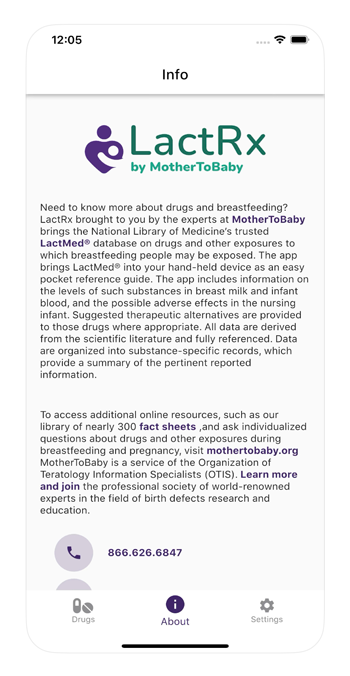
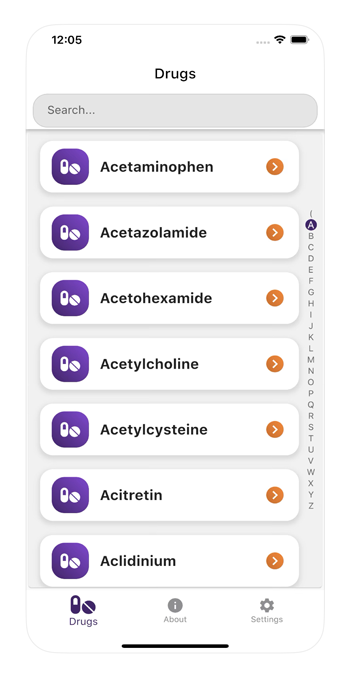
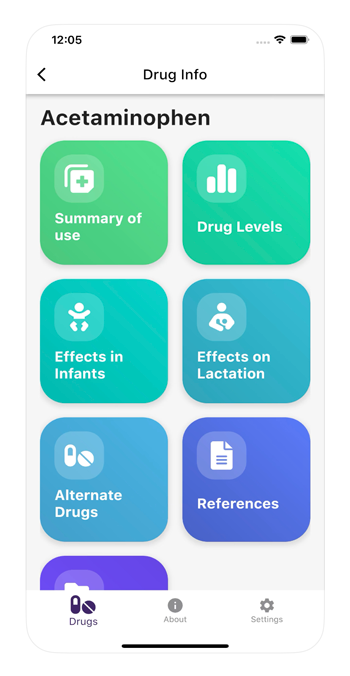
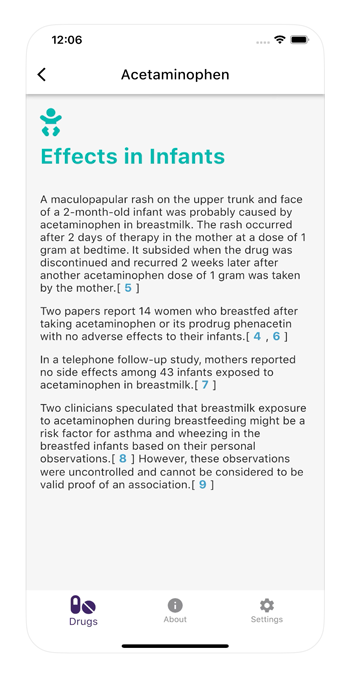
MotherToBaby is a service of the Organization of Teratology Information Specialists (OTIS), suggested resources by many agencies including the Centers for Disease Control and Prevention (CDC). If you have questions about exposures during pregnancy and breastfeeding, please call MotherToBaby toll-FREE at 866-626-6847 or try out MotherToBaby’s new text information service by texting questions to (855) 999-3525. You can also visit MotherToBaby.org to browse a library of fact sheets about dozens of viruses, medications, vaccines, alcohol, diseases, or other exposures during pregnancy and breastfeeding or connect with all of our resources by downloading the new MotherToBaby free app, available on Android and iOS markets.