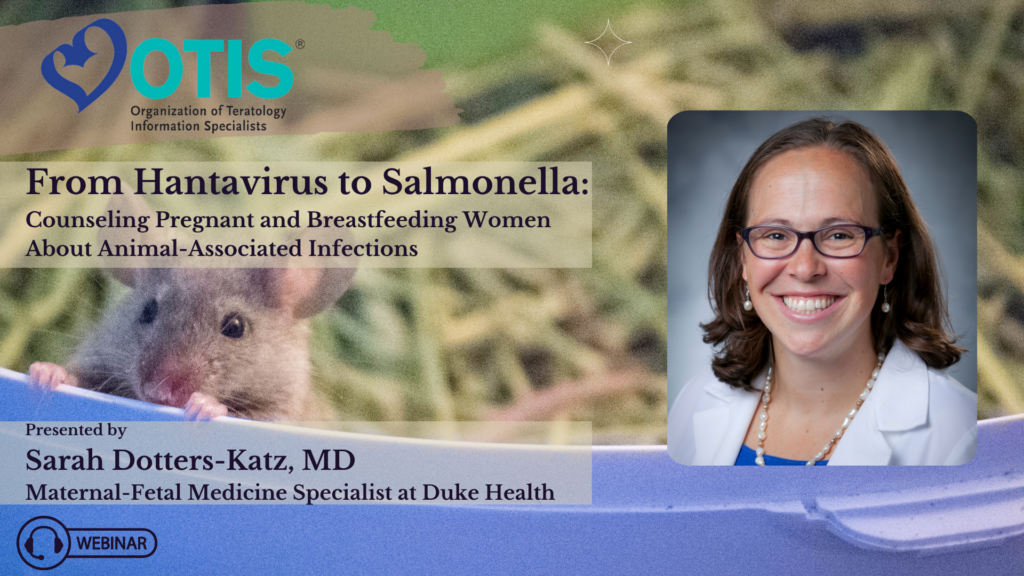
REGISTER NOW! From Hantavirus to Salmonella: Counseling Pregnant and Breastfeeding Women About Animal-Associated Infections

Recent headlines about Hantavirus have raised new questions about animal-associated infections and their potential impact during pregnancy and breastfeeding. Join the Organization of Teratology Information Specialists (OTIS), the experts behind the MotherToBaby service, on June 30, 2026, at 12:00 p.m. ET for a free healthcare provider webinar featuring maternal-fetal medicine specialist Dr. Sarah Dotters-Katz. This timely presentation will explore Hantavirus alongside other important animal-associated infections, including lymphocytic choriomeningitis virus (LCMV), rabies, and Salmonella exposures linked to poultry and reptiles.

Designed for healthcare professionals who counsel pregnant and breastfeeding women, this webinar will review what is currently known about maternal illness, pregnancy outcomes, breastfeeding considerations, prevention strategies, and patient counseling recommendations. Whether you’re a physician, nurse, pharmacist, genetic counselor, teratogen information specialist, or other healthcare provider, you’ll gain practical insights to help answer patient questions and navigate real-world exposure scenarios. Register now!

REGISTER NOW! From Hantavirus to Salmonella: Counseling Pregnant and Breastfeeding Women About Animal-Associated Infections

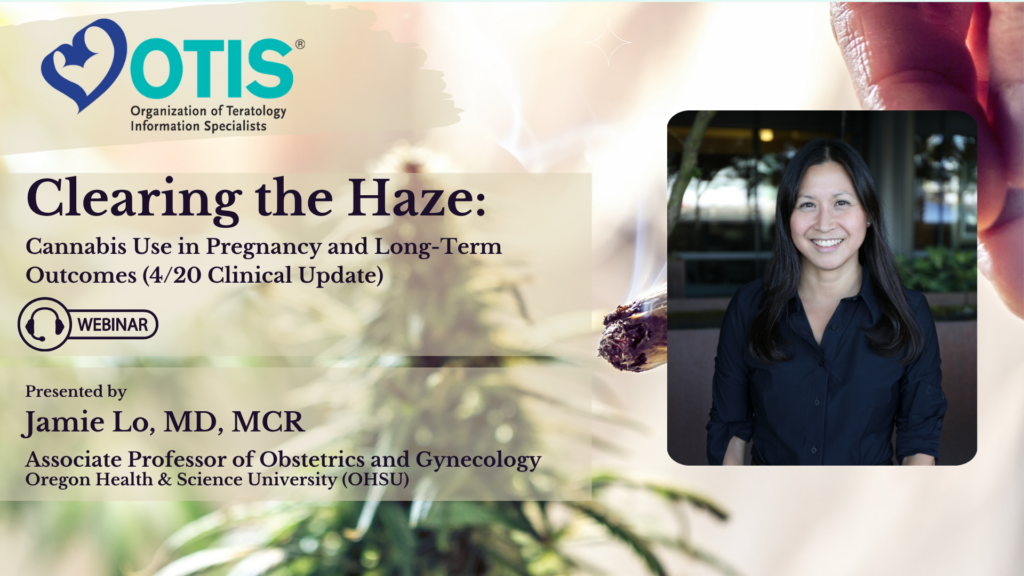
Cannabis use during pregnancy is increasingly common, and healthcare providers are often asked to counsel patients on potential risks and long-term effects. In this webinar, Dr. Jamie Lo, MD, MCR, provides an evidence-based overview of the latest research on prenatal cannabis exposure.

The presentation reviews current data on pregnancy outcomes, neurodevelopment, and potential long-term child health effects associated with cannabis use in pregnancy. Designed for healthcare professionals, this session highlights emerging research and offers practical guidance to support informed, evidence-based patient counseling in a rapidly evolving landscape.

Dr. Jamie Lo is an Associate Professor of Obstetrics and Gynecology at Oregon Health & Science University. She is a physician scientist, board-certified in Maternal-Fetal Medicine, and clinically cares for patients with high-risk pregnancies. Her research focuses primarily on the impact of prenatal environmental exposures, especially substance use, on pregnancy, placental, and offspring health.


REGISTER NOW! From Hantavirus to Salmonella: Counseling Pregnant and Breastfeeding Women About Animal-Associated Infections

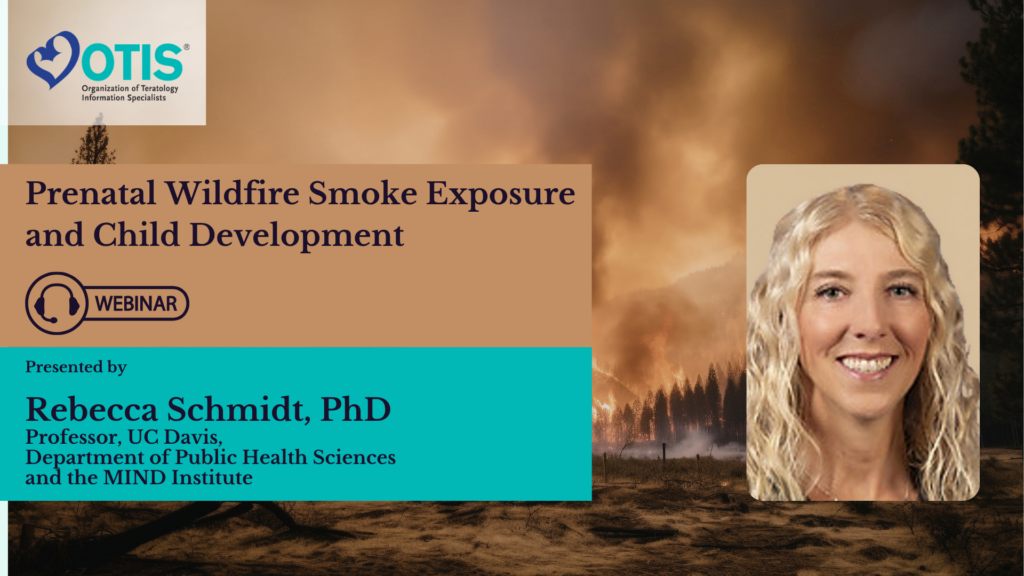
As wildfires continue to occur each year, often sending smoke and ash across long distances, vulnerable populations including pregnant women have a higher chance of experiencing adverse health effects. Understanding the possible effects of prenatal wildfire smoke exposure on child neurodevelopment is critical to efforts around prevention and early intervention.      

This webinar will outline the possible exposures associated with wildfire smoke, review current data from ongoing studies around child neurodevelopment following prenatal wildfire smoke exposure, and discuss ways to reduce and potentially mitigate these risks during pregnancy.

Rebecca Schmidt, PhD, is a tenured full professor at UC Davis and a molecular epidemiologist with over 20 years of research experience in epidemiology, gene-environment interactions, epigenetics, maternal and child health, and a primary emphasis on neurodevelopment and autism. Her pioneering research focuses on how prenatal environmental and nutritional exposures interact with genomics, molecular mechanisms, and developmental programming to influence the neurodevelopmental outcomes of children. She leads a large biorepository and several child development cohort studies, including the MARBLES autism pregnancy cohort, the B-SAFE wildfire pregnancy cohort, and the PEACH cohort site for the national Environmental Influences on Child Health Outcomes (ECHO) Program.


REGISTER NOW! From Hantavirus to Salmonella: Counseling Pregnant and Breastfeeding Women About Animal-Associated Infections

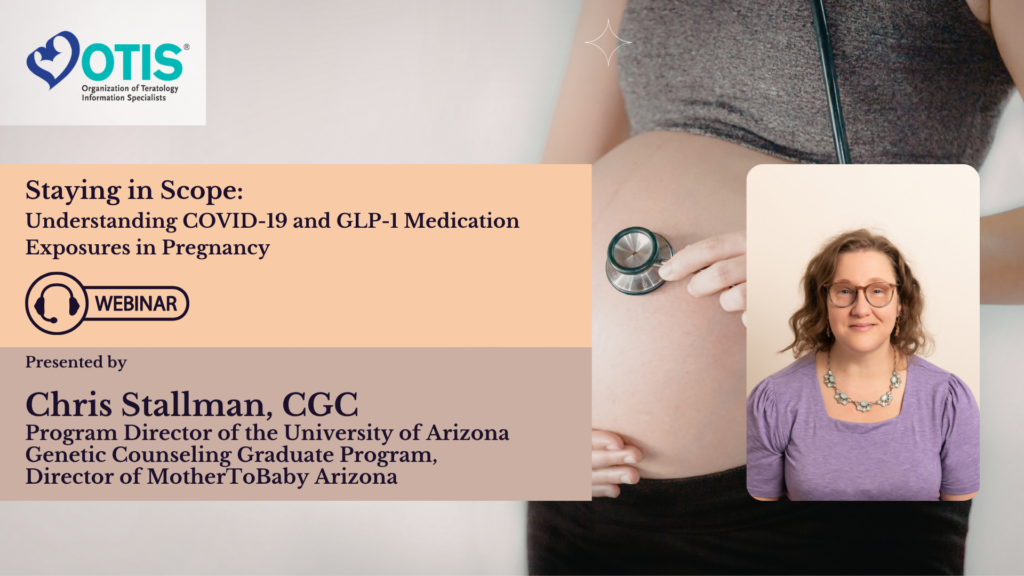
Questions about COVID-19 and GLP-1 medications are common in the pregnant/postpartum population. Newborn care specialists, who provide in-home infant care and parent education during the postpartum period, can assist families in navigating these topics.

Designed specifically for newborn care specialists, this webinar will help identify some commonly asked questions about COVID-19 and GLP-1 medications, apply communication strategies that support families and their questions while staying within professional scope, and recognize when family questions require referral to healthcare providers.

Chris Stallman, MLS, MS is a certified genetic counselor, Program Director of the University of Arizona Genetic Counseling Graduate Program, and Director of MotherToBaby Arizona. As a teratogen information specialist with MotherToBaby, Chris supports patients, families, and healthcare providers in navigating questions about medications and other exposures during pregnancy and breastfeeding and promotes evidence-based, accessible health information.


REGISTER NOW! From Hantavirus to Salmonella: Counseling Pregnant and Breastfeeding Women About Animal-Associated Infections

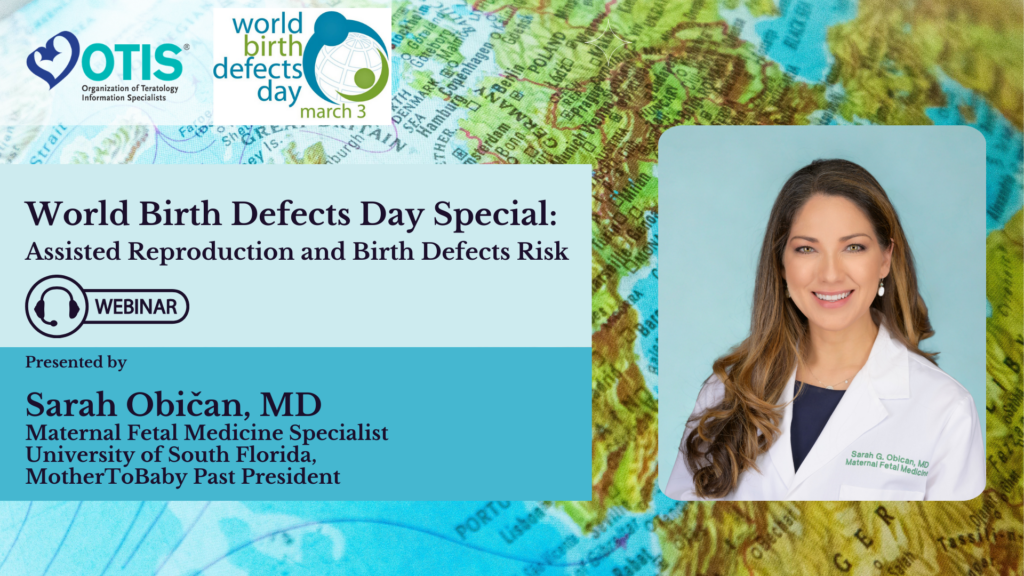
In recognition of World Birth Defects Day, MotherToBaby hosted a special educational webinar, “Assisted Reproduction and Birth Defects Risk.” The session features Dr. Sarah Običan, Division Director of Maternal-Fetal Medicine at University of South Florida Health and Medical Director of MotherToBaby Florida. Dr. Običan is a board-certified obstetrician-gynecologist specializing in maternal-fetal medicine, with particular expertise in teratology, fetal echocardiography, and fetal therapy. She completed her medical degree at the University of Miami School of Medicine, her residency in Obstetrics and Gynecology at George Washington University, and her maternal-fetal medicine fellowship at Columbia University Medical Center. She also completed fellowship training in reproductive teratology and toxicology. In addition to her clinical and academic leadership as an Associate Professor at USF, Dr. Običan is a past president of MotherToBaby, a service of the Organization of Teratology Information Specialists.

During this webinar, Dr. Običan reviews current evidence on assisted reproductive technologies and birth defects risk, with practical insights for healthcare professionals involved in patient counseling and clinical care.


REGISTER NOW! From Hantavirus to Salmonella: Counseling Pregnant and Breastfeeding Women About Animal-Associated Infections

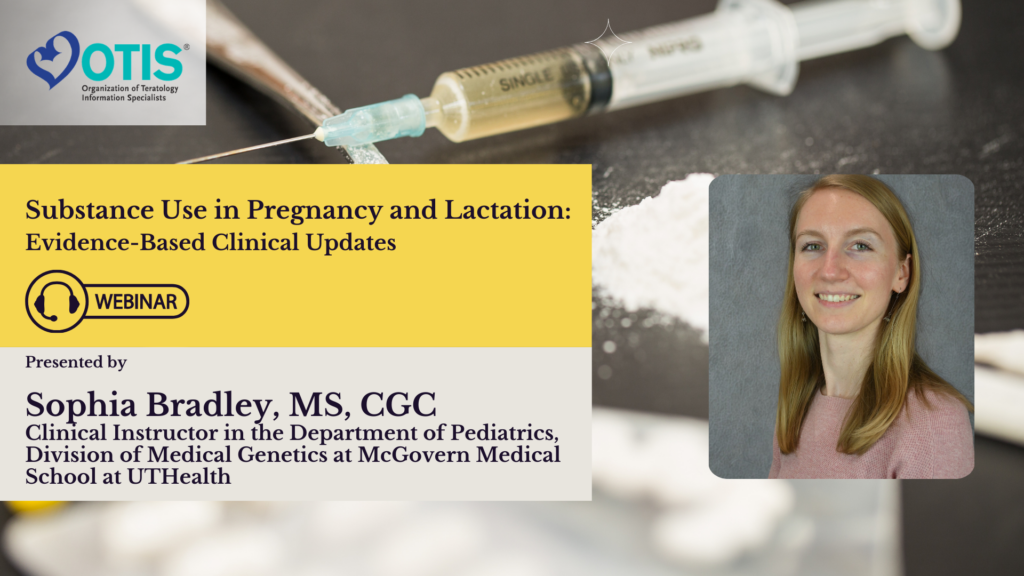
Substance use during pregnancy and breastfeeding raises many questions for both healthcare providers and families. In this webinar, genetic counselor Sophia Bradley, MS, CGC, provides an evidence-based overview of the latest research on exposures to alcohol and drugs during pregnancy and lactation.

The presentation reviews current data on potential risks, outcomes, and clinical considerations when counseling patients about substance use during pregnancy and breastfeeding. Designed for newborn care specialists and healthcare professionals, this session highlights key insights to support informed, evidence-based conversations with patients.

Sophia Bradley is a certified genetic counselor and Clinical Instructor in the Department of Pediatrics, Division of Medical Genetics at McGovern Medical School at UTHealth. She also serves as a teratogen information specialist with MotherToBaby, where she provides exposure counseling, presents educational seminars, and contributes to the development of public health resources.


REGISTER NOW! From Hantavirus to Salmonella: Counseling Pregnant and Breastfeeding Women About Animal-Associated Infections

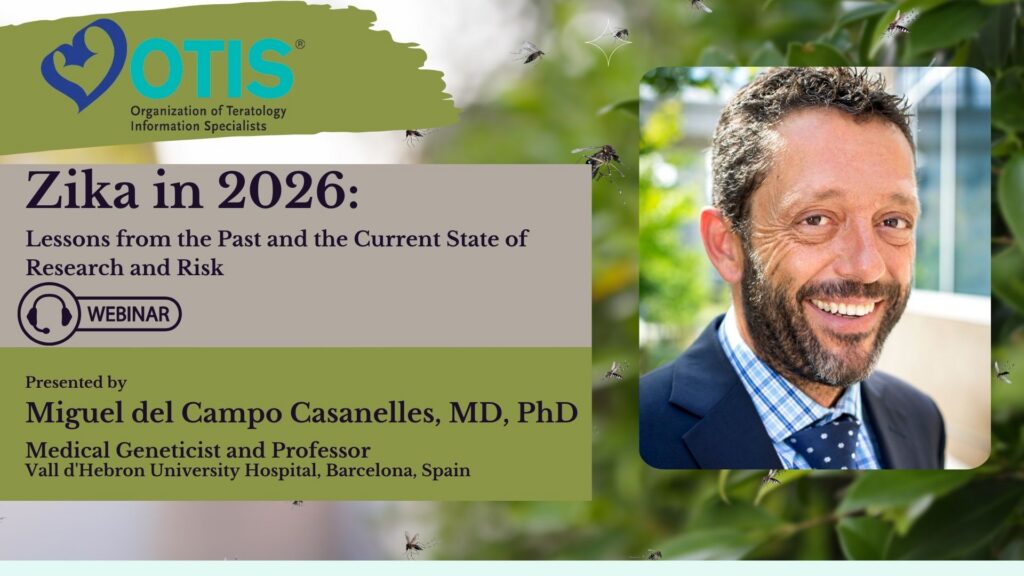
Dr. Miguel del Campo Casanelles is a pediatric clinical geneticist and Head of Medical Genetics at Vall d’Hebron University Hospital in Barcelona. This webinar reviews what we’ve learned since the height of the Zika epidemic, current research, and how to guide patients in a changing risk landscape.

Dr. del Campo is a Board-certified in Clinical Genetics by the American Board of Medical Genetics, he trained in pediatrics and neonatology and completed advanced fellowship training in clinical genetics and dysmorphology at the University of California, San Diego. He brings extensive international experience in congenital malformations, prenatal diagnosis, and multidisciplinary genetic care.


REGISTER NOW! From Hantavirus to Salmonella: Counseling Pregnant and Breastfeeding Women About Animal-Associated Infections

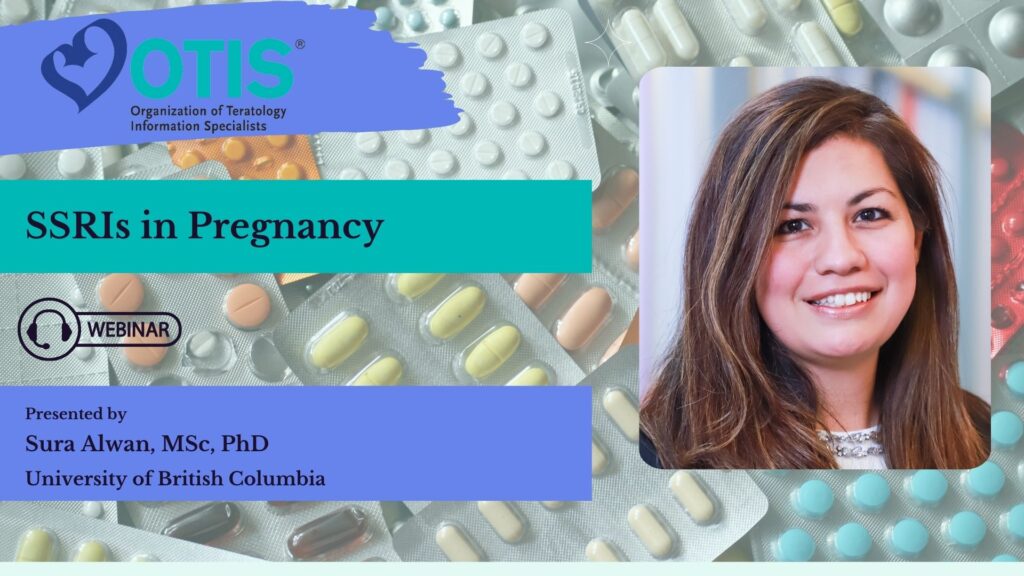
This free webinar features Sura Alwan, MSc, PhD, from the University of British Columbia and Executive Director of the PEAR-Net Society, a non-profit organization dedicated to promoting healthy fetal development through evidence-based information, research, and advocacy. Dr. Alwan is a leading expert in the field of perinatal pharmacology and maternal health, with extensive experience studying the effects of medications on pregnancy outcomes.

In this session, Dr. Alwan provides the most up-to-date information on the use of selective serotonin reuptake inhibitors (SSRIs) during pregnancy. SSRIs are among the most commonly prescribed medications for depression and anxiety, yet their use during pregnancy can raise important questions for both healthcare providers and expectant parents. Drawing from the latest research, Dr. Alwan discusses what is known about SSRIs and fetal development, the potential risks and benefits of treatment, and how this information can guide decision-making in clinical care and family planning.

This webinar is designed to support healthcare professionals, researchers, and families alike in navigating the complex considerations surrounding mental health treatment during pregnancy. Participants will come away with a deeper understanding of the evidence and practical strategies to support maternal and child health.


REGISTER NOW! From Hantavirus to Salmonella: Counseling Pregnant and Breastfeeding Women About Animal-Associated Infections

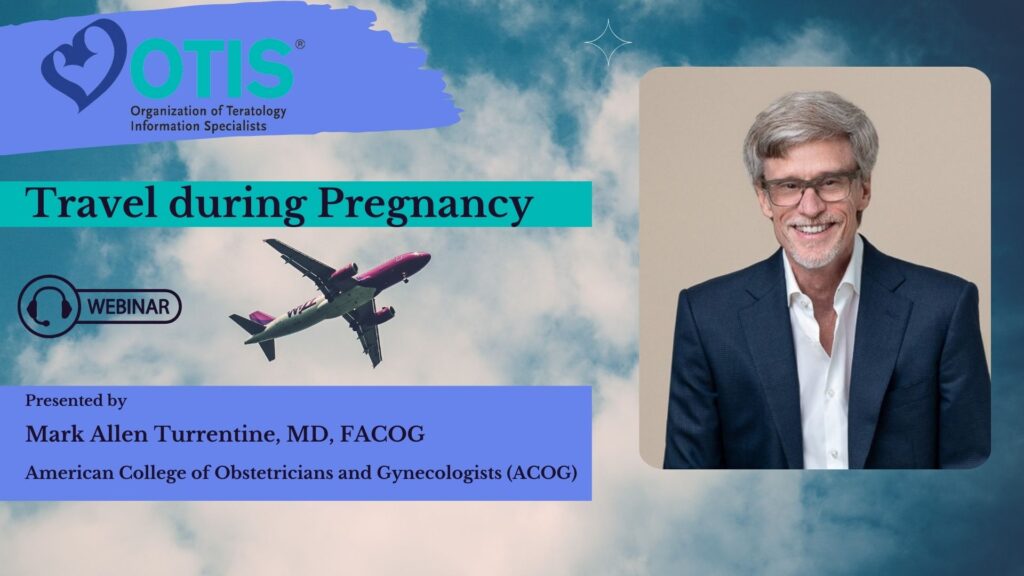
This free webinar features Mark Allen Turrentine, MD, FACOG, a nationally recognized OB-GYN from Texas Children’s Hospital and the Baylor College of Medicine, who also serves as Chair of the American College of Obstetricians and Gynecologists (ACOG) Committee on Practice Bulletins. Dr. Turrentine has authored numerous clinical guidelines, including COVID-19 Vaccination Considerations for Obstetric-Gynecologic Care, and is widely respected for his leadership in advancing evidence-based care for pregnant individuals.

In this provider-focused session, Dr. Turrentine offers clear, practical guidance on how to counsel patients about travel during pregnancy. He reviews current evidence on maternal and fetal health considerations, risks associated with air and long-distance travel, and key factors clinicians should weigh when advising patients. The discussion also highlights special concerns, such as travel during later stages of pregnancy, access to medical care while away from home, and how underlying health conditions may influence recommendations.

Designed specifically for obstetric and gynecologic providers, this webinar equips participants with research-based insights and real-world strategies to support informed decision-making. Attendees will gain confidence in guiding patients through complex travel-related questions, ensuring advice is consistent, up-to-date, and tailored to each individual’s circumstances.


REGISTER NOW! From Hantavirus to Salmonella: Counseling Pregnant and Breastfeeding Women About Animal-Associated Infections

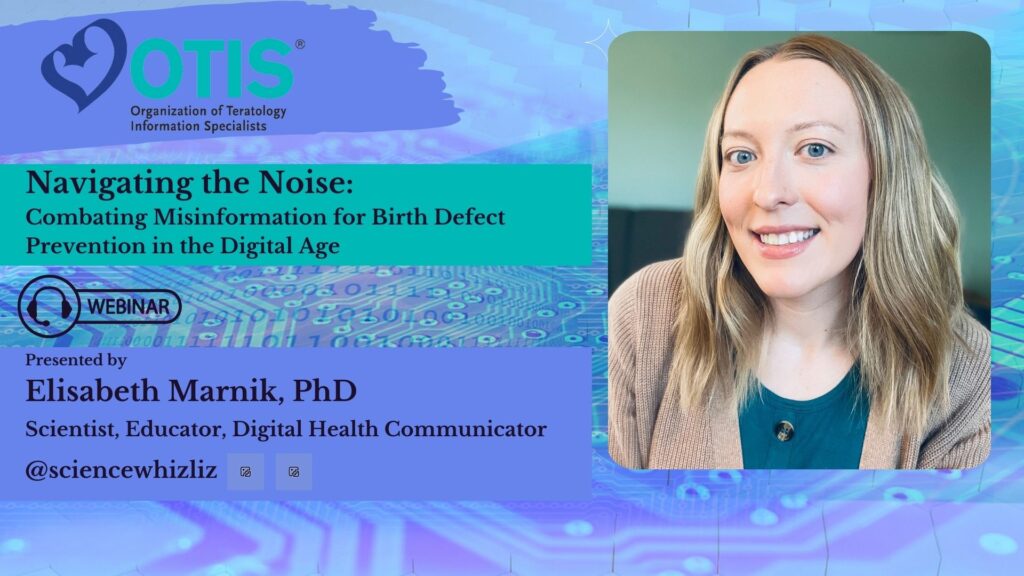
In today’s fast-paced digital environment, misinformation can spread quickly and influence critical health decisions. This free webinar features Dr. Elisabeth Marnik (@sciencewhizliz), a respected scientist and popular science communicator, who has built a strong online presence translating complex medical research into accessible, trustworthy information. Drawing on her expertise as both a researcher and social media influencer, Dr. Marnik provides healthcare professionals with tools to address misinformation and support evidence-based conversations with patients and the public.

During this session, Dr. Marnik explores the unique challenges of communicating about birth defects prevention in an age where social media platforms and online communities often amplify inaccurate or misleading claims. She shares strategies for identifying common myths, framing responses in a way that resonates with patients, and using digital platforms to effectively promote accurate, research-backed guidance.

Designed specifically for healthcare providers, this webinar highlights both the science of communication and the practical steps clinicians can take to strengthen trust with patients. Attendees will come away with actionable approaches to help families navigate online information, foster informed decision-making, and contribute to the broader effort of preventing birth defects through education and advocacy.


REGISTER NOW! From Hantavirus to Salmonella: Counseling Pregnant and Breastfeeding Women About Animal-Associated Infections

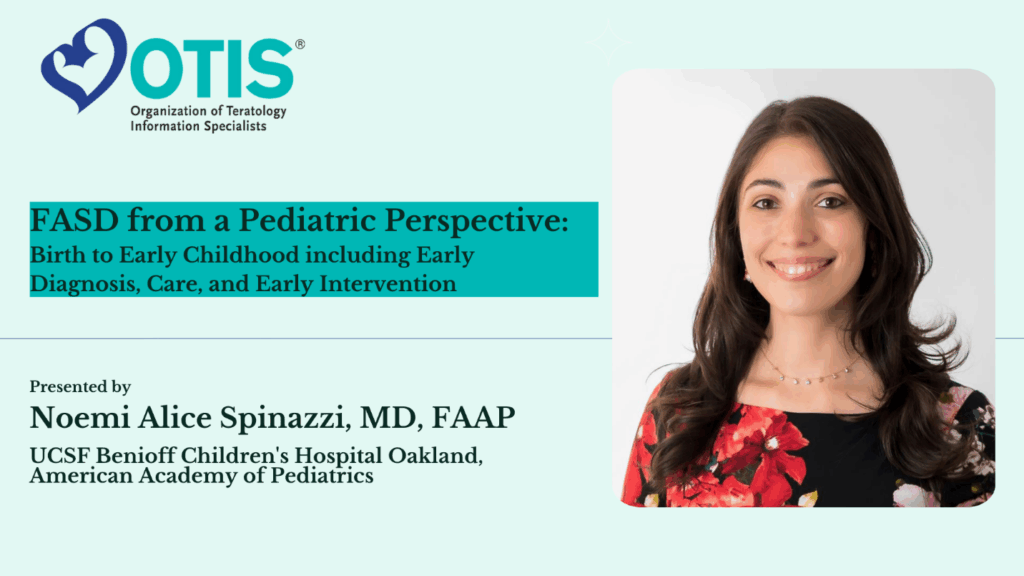
Fetal Alcohol Spectrum Disorders (FASD) are the leading preventable causes of developmental disabilities, yet they often go undiagnosed. In this webinar, Noemi Alice Spinazzi, MD, FAAP, from UCSF Benioff Children’s Hospital Oakland and member of the American Academy of Pediatrics, explores the latest research on FASD and its impact on children and families. 

Dr. Spinazzi provides a comprehensive overview of how FASD presents across developmental stages, the challenges of accurate diagnosis, and the importance of early identification. She also highlights current early intervention strategies that are making a difference in the lives of children affected by prenatal alcohol exposure. 

This session is ideal for pediatricians, healthcare providers, educators, and public health professionals seeking to deepen their understanding of FASD and strengthen their ability to support early diagnosis and effective interventions. 


REGISTER NOW! From Hantavirus to Salmonella: Counseling Pregnant and Breastfeeding Women About Animal-Associated Infections

In this presentation, Kirstie Perrotta, MPH, from UC San Diego and MotherToBaby California, reviews the risks of respiratory viruses such as COVID-19 and flu during pregnancy, including potential impacts such as miscarriage, birth defects, and pregnancy complications. She also covers the latest data and recommendations for COVID-19, flu, Tdap, and RSV vaccines during pregnancy.

The webinar also covers the latest data and clinical guidance on vaccination during pregnancy, including COVID-19, influenza (flu), Tdap, and RSV vaccines. Attendees will learn how current recommendations are designed to protect both pregnant individuals and their infants, and how to communicate these benefits effectively to patients. Practical insights will be provided on integrating vaccine counseling into routine prenatal care, addressing patient concerns, and promoting informed decision-making.

By the end of this session, participants will leave with a better understanding of the benefits of vaccination for both mom and baby. They will also be able to clearly explain the 2024–2025 vaccine recommendations during pregnancy, supporting evidence-based clinical practice and improving maternal and infant health outcomes.

Continuing Education (CE) credits are available for ACNM members and non-members who view this session via the ACNM Online Learning Center.


REGISTER NOW! From Hantavirus to Salmonella: Counseling Pregnant and Breastfeeding Women About Animal-Associated Infections

Join Ginger Nichols, MS, CGC, from UConn Institute for Systems Genomics, for a general review of teratology with a focus on occupational reproductive hazards. This webiar provides general tips on how to reduce potential exposures in the workplace. Participants will gain practical guidance on evaluating the risks associated with workplace hazards and learn evidence-based strategies to minimize exposure for patients.

At the end of this session, participants should be able to define and understand the criteria of a teratogen, evaluate occupational exposures and their risks, explain exposure reduction strategies in the workplace, and identify additional resources for healthcare providers on occupational exposures.

By the end of the session, participants will be able to define and understand the criteria of a teratogen, evaluate occupational exposures and their potential risks, explain exposure reduction strategies, and access additional tools and resources for managing occupational reproductive hazards.

This session is ideal for midwives, nurses, and other healthcare professionals involved in maternal-child health who want to integrate knowledge of teratology and workplace safety into clinical practice.

Continuing Education (CE) credits are available for ACNM members and non-members who view this session via the ACNM Online Learning Center.


REGISTER NOW! From Hantavirus to Salmonella: Counseling Pregnant and Breastfeeding Women About Animal-Associated Infections

In this session, Christina Chambers, PhD, MPH, a perinatal epidemiologist from UC San Diego and Principal Investigator of MotherToBaby Pregnancy Studies, reviews what is known and what still requires further study on the use of alcohol, cannabis and other substances by breastfeeding women, and how this translates to clinical practice. Participants should leave this session with a better understanding of the potential effects of substance use on infant growth and development, how knowledge gaps in this area are being addressed, and how to translate current knowledge into clinical situations in midwife practice.

Participants will gain a clearer understanding of the potential short- and long-term impacts of maternal substance use on infants and learn how ongoing research is addressing current knowledge gaps. The session will also focus on translating this evidence into practical clinical guidance, including strategies for counseling breastfeeding women, supporting informed decision-making, and integrating risk assessment into midwifery care.

This webinar is designed to enhance the knowledge and clinical skills of midwives and other healthcare providers involved in maternal-child health.

Continuing Education (CE) credits are available for ACNM members and non-members who view this session via the ACNM Online Learning Center.


REGISTER NOW! From Hantavirus to Salmonella: Counseling Pregnant and Breastfeeding Women About Animal-Associated Infections

Radiation exposure during pregnancy and lactation is a common source of concern for many patients—but not all exposures carry the same risk. In this informative webinar, Emily A. Caffrey, PhD, CHP, from the Health Physics Society (HPS), breaks down the different types of radiation and what is known about their effects on pregnancy and breastfeeding. 

Dr. Caffrey explains how radiation interacts with the body, clarifies misconceptions, and provides science-based guidance to help patients and providers make informed decisions. She also answers frequently asked questions about specific radiological procedures, such as X-rays, CT scans, and nuclear medicine exams during pregnancy and lactation. 

This webinar is ideal for healthcare professionals, counselors, and public health educators looking to improve their understanding of radiation safety and better support patients during a time when reassurance and accurate information are essential.