Spring Break Safety for Pregnant and Breastfeeding Women: Tips for a Fun and Safe Holiday

Spring break is often associated with young college students flocking to the beaches to take a break from their studies. However, it is now embraced by a diverse crowd, including families with pregnant and breastfeeding women. Spring break typically takes place between March and April each year, leading to masses of people traveling by planes, trains, and automobiles. Fun times are possible for everyone, and we have guidance to increase the chances that your travels and experiences will be comfortable and safe for you and your baby.

Check-In with Your Doctor

For most pregnant women, traveling by airline, train, car, or bus is generally safe until close to their due date. Regardless of your trimester, a quick check-in with your doctor is essential to ensure you are cleared to travel.

  • First Trimester: If you are experiencing pregnancy-related nausea, prepare ahead with needed medications and a plan to stay hydrated.
  • Second Trimester: If you are healthy, this is a great time to travel.
  • Third Trimester: You should be fine to travel, but keep in mind that if you go into early labor, you don’t want to be far from high-quality obstetrical care. Check for hospital locations at your destination.

Check for Infectious Disease Warnings

If you are traveling outside of the U.S., check for disease warnings or recommended vaccines for your destination on the CDC Travelers’ Health page. Additionally, if your destination has mosquitoes, use insect repellants to reduce the risk of exposure to infectious diseases.

Sun Exposure and Heat

Prolonged sun exposure can lead to overheating and dehydration, and in severe cases, heat stroke. High fever is a potential concern for pregnant individuals in any trimester. Prevention is key:

  • Keep hydrated.
  • Protect against direct sun for prolonged periods (sit under an umbrella or go indoors).
  • Use sunscreen.
  • Drink plenty of water.
  • Avoid alcohol and limit caffeine, as they can increase dehydration.

Sunscreen

Everyone, including pregnant and breastfeeding women, should use sunscreen year-round. While there is some evidence that chemical sunscreens can penetrate the body in very small amounts, the American College of Obstetricians and Gynecologists (ACOG) recommends the use of effective sunscreen. For breastfeeding women, remember that sun exposure does not provide enough vitamin D for your baby; the American Academy of Pediatrics recommends 400 IU of vitamin D daily for breastfed babies.

Dietary Concerns

One of the highlights of travel is enjoying local food. For pregnant women, the risks from food-borne illnesses remain the same whether at home or on vacation. Avoid unpasteurized milk products, undercooked meats, and fish from risky categories.

Alcohol

Alcoholic beverages may be a destination goal for many, but pregnant and breastfeeding women are urged to continue following the warnings:

  • Pregnant Women: It is crucial to avoid alcohol, as there is no known safe amount to drink. The risks to the developing baby are significant and can be devastating. Increasingly, restaurants are creating delicious and inviting mocktails (non-alcohol) and other beverages, offering an alternative that does not single out a person from the crowd.
  • Breastfeeding Women: Limiting alcohol is beneficial as it can decrease the amount of breastmilk produced. It is recommended to breastfeed after two hours per drink to reduce the risk of exposure to the baby and developing brain.

Following these recommendations and reminders can help prevent exposures and experiences that could later cause grief and anxiety. Prepare well and enjoy your holiday! Ideally, a well-planned spring break will lift your spirits, provide a mental health break, allow you to enjoy new or favored foods, and create new and wonderful memories.

References and Additional Information:

CDC:

https://wwwnc.cdc.gov/travel/page/sun-exposure

https://www.cdc.gov/niosh/heat-stress/about/illnesses.html

https://wwwnc.cdc.gov/travel/page/sun-exposure

https://www.cdc.gov/breastfeeding-special-circumstances/hcp/diet-micronutrients/vitamin-d.html

https://wwwnc.cdc.gov/travel

ACOG

https://www.acog.org/womens-health/faqs/travel-during-pregnancy

Spring Break Safety for Pregnant and Breastfeeding Women: Tips for a Fun and Safe Holiday

Emily called MotherToBaby and confided, “My husband and I are thinking about getting pregnant…I am so excited but scared, too. I am wondering what I can do to make it more likely we will have a healthy pregnancy and baby.”   

I assured Emily that we love it when people call ahead of their pregnancy and ask these questions. Preconception health is a topic that does not receive as much attention as it deserves, and it is important for both Emily and her husband. Good preconception health care can impact fertility and make it easier to conceive, and also helps to improve pregnancy outcomes and the health of the baby.   

Here is a preconception prep guide– because if you are ready to have a baby, you want to take steps now to keep you and your baby as healthy as possible:

  • Make a pre-conception checkup appointment: Begin by making an appointment about three months in advance with your obstetrical care provider. At that appointment you can confirm you are in good health. If you have any chronic conditions such as high blood pressure, thyroid disease, depression or diabetes you and your provider can make sure the condition is being managed effectively and confirm that any prescription or over-the-counter medications you are taking can be continued in the pregnancy. If you have a question about medications during pregnancy, MotherToBaby can help by providing you with information to bring to your appointment.
  • Begin taking a prenatal vitamin: If you are not already taking a vitamin with folic acid this is a great time to start. The Centers for Disease Control and Prevention (CDC) recommend that all women who can become pregnant take a vitamin containing 400 micrograms of folic acid; this helps reduce the chances for certain birth defects such as spina bifida (when the spinal cord does not form properly).
  • Review your vaccine status: During your preconception checkup, make sure that you are up to date on vaccinations such as the MMR (measles, mumps, rubella), Tdap (tetanus, diphtheria, whooping cough), influenza, and COVID. Planning ahead makes it more likely you will not get ill during pregnancy and helps protect the baby from getting infections from parents after birth.
  • Get your body fit for pregnancy: Get regular exercise and consider whether you and your partner are at your preferred weight. If not, make plans to remedy that prior to attempting to get pregnant. You can also learn more about a healthy diet and nutrition. This is something that may improve fertility in both parents and lay the groundwork for a healthy pregnancy.
  • Eliminate harmful exposures: It goes without saying that this is a great time to make lifestyle changes such as reducing use of alcohol, tobacco, and recreational drugs.  Addressing stress and mental health concerns up front can improve fertility, make the whole pregnancy experience better, and prepare you for the excitement and hard work of parenthood.
  • Evaluate your home and work environment: If you and your partner are exposed to toxic substances like lead in your work or home environment, working to reduce those exposures is very effective when done ahead of the pregnancy.

MotherToBaby has many resources for Emily and her husband – and you!  We have fact sheets on medications, herbal agents and supplements, diabetes and other health conditions, illnesses and vaccinations, occupations such as veterinarian and dental, exercise, paternal exposures, and cosmetics (sunscreen, skin creams, nail polish, hair dye). There are also useful blogs and podcasts, and whole web pages on various conditions, and if you have questions, our information specialists are here to help.


Spring Break Safety for Pregnant and Breastfeeding Women: Tips for a Fun and Safe Holiday

By Dr. Sarah Običan, OBGYN, MotherToBaby Florida

I feel really lucky. I have had the pleasure and privilege to live and work in some great cities and universities as an OBGYN. I spent my formidable residency years in Washington, DC and loved the diversity of my patients. Being that I was located in the heart of our nation’s capital, in one room I would deliver a princess of some far off nation, in the next, it’d be a dignitary from “the Hill.” But it wasn’t always rosy. Working in such a busy labor and delivery unit meant I would also take care of a 36-week pregnant mother who almost overdosed on cocaine and heroin. The experience was humbling and arguably taught me more about medicine and life than any other. My fellowship years at Columbia University I spent living in Harlem. I brought into the world my first son and delivered him into that beautiful and diverse community. It is a community that’s strong and steeped in history where every stroll on the city sidewalk is a moment from a great photo essay. It is also a community of struggles, hard lives, and injustice. It’s unfortunately a “perfect” setting for the drug market to make its mark.

Still nothing could have prepared me for my first job out of fellowship. I relocated to a great university center in Florida. With my training behind me, I was ready to tackle the hardest maternal and fetal diseases. If I’m being honest, though, my first week on the job was an eye-opener. Even with all my training, I was not ready for the sheer volume of patients suffering from opioid use and addiction.

I was seeing pregnant women with chronic opioid use almost every day. To say I was disheartened and scared for my patients would not give the feelings justice. I realized I needed to learn more. I studied the opioid crisis, read more on the subject than ever before, found physicians who were willing to treat pregnant women with opioid addiction and put them on my speed dial. I connected with a local treatment center and found the scarce resources in my new community. My new job was challenging but I wanted to somehow help the new community I serve and love.

So why should you care about all this?
Just like in the general population, opioid use during pregnancy is on a steep rise. Alarmingly, death rates from overdoses are up too. Babies are also suffering; neonatal abstinence syndrome (NAS – drug withdrawal in the baby after birth) happens in more than a third of the newborns born to mothers with chronic opioid use. These babies can experience poor feeding, sleeping, and irritability. Drug abuse during pregnancy also increases the risk of preterm birth (early delivery), decreased fetal growth, and fetal death. In just under 15 years, the rate of NAS-affected live births quadrupled, significantly increasing the emotional, medical and economic burden on society.

Moms with opioid addiction need our help.
Opioid abuse is lonely. Sooner or later, many of my patients feel isolated. They are scared and feel shunned from their community. They can be addicted with very little resources extended to them for their care. You don’t need to be a doctor to know that good prenatal care leads to healthier pregnancies. However, women who abuse opioids are much less likely to get appropriate prenatal care. These moms often suffer from anxiety and depression and may use substances along with opioids that have an impact on their pregnancy, such as alcohol and tobacco.

Hope.
For sure we are in an epidemic. We have heart wrenching clinical scenarios of mothers and their children, but we have some great stories too. Mothers who receive the support they need, babies born to healthier moms now capable to take care of their children. We have to fight for more resources in each of our communities, locally and nationally. It’s not enough to show burden of disease, but more important to enrich our communities with possibilities. That is all of our jobs, no matter if you are a doctor, mother or neighbor.

Dear Moms Struggling with Opioid Addiction,
Please know that I see you and I want to help.

Dear Healthcare Professional,
You may feel lonely, too, scared that you don’t know enough or that you don’t have the resources to find answers to appropriately help the patients you love. I’ve been there and I want to help.

It begins and ends with all of us.

Resources for Moms and Health Care Providers:

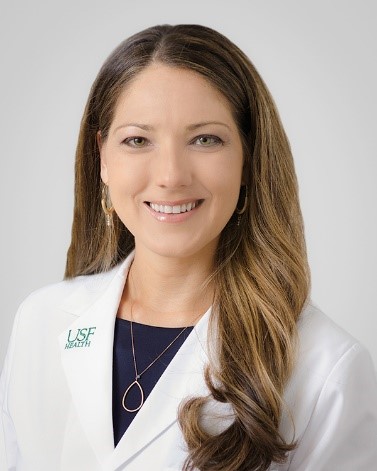
Sarah G. Običan, MD, is an OBGYN and Maternal Fetal Medicine specialist at the University of South Florida. She is the director of the new MotherToBaby Florida affiliate based in Tampa. She has particular research and clinical experience in teratology, fetal echocardiography and fetal therapy. She is the proud mom of two little boys.

About MotherToBaby
MotherToBaby is a service of the Organization of Teratology Information Specialists (OTIS), suggested resources by many agencies including the Centers for Disease Control and Prevention (CDC). If you have questions about exposures during pregnancy and breastfeeding, please call MotherToBaby toll-FREE at 866-626-6847 or try out MotherToBaby’s new text information service by texting questions to (855) 999-3525. You can also visit MotherToBaby.org to browse a library of fact sheets about dozens of viruses, medications, vaccines, alcohol, diseases, or other exposures during pregnancy and breastfeeding or connect with all of our resources by downloading the new MotherToBaby free app, available on Android and iOS markets.

References

Centers for Disease Control and Prevention. Opioid painkiller prescribing: where you live makes a difference. Available at: https://www.cdc.gov/vitalsigns/opioid-prescribing. Retrieved March 7, 2017.

Substance Abuse and Mental Health Services Administration. Drug Abuse Warning Network, 2011: national estimates of drug-related emergency department visits. HHS Publication No. (SMA) 13-4760, DAWN Series D-39. Rockville (MD): SAMHSA; 2013. Available at: https://www.samhsa.gov/data/sites/default/files/DAWN2k11ED/DAWN2k11ED/DAWN2k11ED.pdf.

National Center for Health Statistics. NCHS data on drug-poisoning deaths. NCHS Factsheet. Available at: https://www.cdc.gov/nchs/data/factsheets/factsheet_drug_poisoning.htm. Retrieved March 8, 2017

Desai RJ, Hernandez-Diaz S, Bateman BT, Huybrechts KF. Increase in prescription opioid use during pregnancy among Medicaid-enrolled women. Obstet Gynecol 2014;123:997–1002.

Jones HE, Finnegan LP, Kaltenbach K. Methadone and buprenorphine for the management of opioid dependence in pregnancy. Drugs 2012

The American College of Obstetricians and Gynecologists. Opioid Use and Opioid Use Disorder in Pregnancy. Committee Opinion Number 711, August 2017.

Patrick SW, Davis MM, Lehmann CU, Cooper WO. Increasing incidence and geographic distribution of neonatal abstinence syndrome: United States 2009 to 2012 [published erratum appears in J Perinatol 2015;35:667]. J Perinatol 2015;35:650–5.


Spring Break Safety for Pregnant and Breastfeeding Women: Tips for a Fun and Safe Holiday

By Lori Wolfe, Certified Genetic Counselor and Teratogen Information Specialist,
MotherToBaby North Texas

Have you ever had a pregnant friend tell you, “it is OK to have just one glass of wine now and then, that’s what my doctor said,” or “my mother drank beer when she was pregnant with me, and I turned out fine.” As a Teratogen Counselor (a birth defects expert), I hear these statements more than you would imagine. You may think it is common knowledge that there is no safe level of alcohol use during pregnancy, and that any use of alcohol while pregnant has the potential to harm the baby. Yet that message is not getting out there to everyone. Studies have long shown that heavy use of alcohol during pregnancy can cause Fetal Alcohol Syndrome, while more recent studies suggest that moderate use (and possibly even light use) can cause long term developmental problems in an exposed child. In fact, Fetal Alcohol Spectrum Disorder is thought to be the leading cause of developmental delays in children. Despite this, studies also show that 1 in 10 to 1 in 13 women continue light drinking of alcohol, even after they know they are pregnant. So I started thinking… Why do some woman continue to drink alcohol during pregnancy?

1. You Didn’t Know You Were Pregnant
Most women find out they’re pregnant when they are 4-6 weeks along – and many may not recognize the signs of pregnancy for quite a few months. So unless you are planning your pregnancy (50% of all pregnancies today are unplanned!), you may indulge in alcoholic beverages before you even know you are pregnant. Thankfully, the majority of women will stop using alcohol once they find out they are pregnant. But unfortunately, the damage could already be done. Harmful exposures (like alcohol) during those first critical weeks of pregnancy have the greatest risk of causing major birth defects. This is why experts at the Centers for Disease Control and Prevention (CDC) recommend that women avoid alcohol not only if they are pregnant or trying to become pregnant, but also if they are sexually active and not using an effective method of birth control.

2. Mixed Messages
It’s not uncommon for pregnant women to receive mixed messages from people they trust about how safe alcohol may be in pregnancy. Even her own doctor may tell her that an occasional glass of alcohol won’t harm her baby. There’s a lot of misinformation out there, even among healthcare providers! It’s important for you and your healthcare provider to keep in mind that the experts at the American College of Obstetricians and Gynecologists and the American Academy of Pediatrics (among many others) advise that women avoid alcohol entirely while pregnant, because no amount of alcohol – even light-to-moderate amounts – can be considered safe for a developing baby.

3. It’s A Social Thing
Social pressure from family or friends can be strong. If a woman is used to going out on weekends with her friends and everyone has a glass of wine, she may feel that she needs to drink too, just to fit in. Plus many women feel that the risk of having just a little alcohol during pregnancy is low. These same woman may be doing everything else that they can to remove all other risks to their pregnancy, but they still continue to use alcohol. At MotherToBaby, we understand that the use of alcohol during pregnancy may have perceived benefits to a woman. But we also know that alcohol provides ZERO benefit for a developing baby, and, in fact, can only harm the baby. And because the exact amount of alcohol that could harm a baby is unknown at this point (and does vary woman-to-woman and even pregnancy-to-pregnancy), our philosophy is: WHY TAKE THE RISK?

4. It Helps Me Relax, De-Stress, and Just Deal with Everyday Life
Recently a 35 year old caller told me that she continued to enjoy a half glass of wine every weekend as a treat to herself. “Susan” (not her real name) knew that she was not supposed to drink alcohol, and she even said she got a lot of negative feedback from family and friends, yet she continued to drink throughout her pregnancy. Without realizing it, Susan and other women may be using alcohol to help deal with other unrecognized issues in their lives, such as depression and anxiety, high levels of stress, or little outside support for the pregnancy. At MotherToBaby, it is our job to help women understand how fragile and vulnerable a pregnancy can be to certain exposures; alcohol is one of the dangerous ones. While it may seem a hardship to give up alcohol entirely while pregnant, think about it this way: Pregnancy is only 9 months long (less if you base it on when a woman learns she is pregnant). If a woman is strong enough to survive childbirth, courageous enough to take on the toughest job on earth (parenthood), and resilient enough to survive that job, then abstaining from alcohol for the duration of a pregnancy is nothing. And if it means giving your baby a chance at the best possible start in life, then not drinking alcohol while pregnant is everything.

What Do We Know? There is not a known safe level of alcohol use during pregnancy.
We have known about Fetal Alcohol Syndrome for over 40 years now. Dr. Kenneth Jones, the doctor who first named Fetal Alcohol Syndrome in 1973 states: “When talking about the prenatal effects of alcohol, we usually think exclusively about the dose, the strength, and the timing of alcohol exposure. However, perhaps even more important are factors involving the mother – her genetic background and nutritional status to name just two. Without knowing those genetic and nutritional factors that are critically involved with the way a woman metabolizes alcohol, it is not possible to make any generalizations about a “safe” amount of alcohol during pregnancy.” Studies have shown moderate use, and possibly even light use, of alcohol during pregnancy can cause long term developmental problems in the exposed children. In fact, Fetal Alcohol Spectrum Disorder is thought to be the leading cause of developmental delays in children. Scientists are continuing to study how and why alcohol affects the developing baby, and in future years we will know more about this. But for now we do know there are always risks with drinking alcohol during pregnancy.

MTB_Head Shots-06

Lori Wolfe is a board certified Genetic Counselor and the Director of MotherToBaby’s North Texas affiliate. MotherToBaby aims to educate women about medications and more during pregnancy and breastfeeding. Along with answering women’s and health professionals’ questions regarding exposures during pregnancy/breastfeeding via MotherToBaby’s toll-free number and by email, Wolfe also teaches at the University of North Texas, provides educational talks regarding pregnancy health in community clinics and high schools, and counsels adoptive parents.

MotherToBaby is a service of OTIS, a suggested resource by many agencies including the Centers for Disease Control and Prevention (CDC). If you have questions about viruses, alcohol, medications, vaccines, diseases, or other exposures, call MotherToBaby toll-FREE at 866-626-6847 or try out MotherToBaby’s new text information service by texting questions to (855) 999-3525. You can also visit MotherToBaby.org to browse a library of fact sheets, email an expert or chat live.


Spring Break Safety for Pregnant and Breastfeeding Women: Tips for a Fun and Safe Holiday

By Beth Conover, APRN, CGC, MotherToBaby Nebraska

So…you were really good during your entire pregnancy, giving up every drop of alcohol, quitting smoking tobacco, and, of course, avoiding any drug like marijuana. You were concerned about the development of your baby, and doing everything you could to make a healthy outcome more likely. Good job! But now here you are….you’ve had your baby, you’re giving breastfeeding your best shot…do you still need to be so careful? If you’re wondering this, you’re not alone. It is a top question I get as a health care provider and one of the top questions we get from moms through MotherToBaby’s text information line. I’m a mom myself and after I had my boys, I asked the same things, like “would having a glass of wine when I’m on a date with my husband be the end of the world if I’m breastfeeding?”

Alas, many years later (and many published studies later), I have answers for you.

Let’s start with the facts about breastfeeding. Breastfeeding is good for you and the baby, and you should continue nursing for at least 6 months… and better-yet, a year.

I think of alcohol and tobacco as ‘recreational drugs’ because there is not any medical reason to use them. And while medical use of marijuana is becoming more widespread, for most of us the use of marijuana is not medically necessary. We don’t want rules surrounding the use of alcohol, tobacco, and marijuana to be unnecessarily strict so that they discourage nursing for the optimal amount of time. But we also want nursing moms to know that each of these drugs are passed to breast milk. Fortunately, there are often ways that we can limit the amount that baby gets.

Let’s take a closer look at each one…

Alcohol—alcohol of all kinds (wine, beer, liquor) passes into your milk. Babies don’t like the taste of it, and, if it happens often enough, babies may show developmental delays from exposures to alcohol through breast milk. Fortunately, waiting 2-3 hours after drinking a single alcoholic beverage results in lower amounts in milk. If you have two drinks, wait 4-6 hours…you get the idea. You can pump for comfort and to maintain your milk supply, but be sure to throw away the milk since it likely has alcohol in it. Chronic or heavy users of alcohol probably should not breastfeed.

Tobacco—you know that it is best for your health and that of your baby to avoid smoking tobacco, but if you cannot resist, keep the number of cigarettes as low as possible (preferably less than ½ pack per day) and never smoke around your baby. Nicotine gets into your milk, so try to wait several hours after you smoke before nursing your baby. Second hand smoke increases your baby’s risk for ear and respiratory infections, asthma, and even sudden infant death syndrome. The immunoglobulins in your milk help to lessen those risks, which is why most experts still recommend breastfeeding even if a woman is smoking small amounts of tobacco.

Marijuana – THC, the active ingredient in marijuana, passes into breast milk. Marijuana production is not very well regulated, so there may be other dangerous contaminants. There are not many studies regarding use of marijuana and breastfeeding, but there are concerns that exposure to THC via milk might affect baby’s development. It can also reduce your milk supply. Until more is known, it is recommended that marijuana be avoided in breastfeeding women, and that an effort also be made not to expose the infant to second hand marijuana smoke. If you happen to use marijuana, waiting 1-2 days before resuming nursing will help reduce the amount in milk. Pump and throw away milk in the meantime for comfort and to maintain your milk supply.

Bottom line, by breastfeeding, you’re already taking the first step in providing continued important nutrition for your baby. Way to go! Taking steps to make sure your breastmilk stays as healthy as possible for the entire time you breastfeed will be well worth the effort. Stay strong, live well.

MTB_Head Shots-23

Beth Conover, APRN, CGC, is a genetic counselor and pediatric nurse practitioner. She established the Nebraska Teratogen Information Service in 1986, also known as MotherToBaby Nebraska. She was also a founding board member of the Organization of Teratology Information Specialists (OTIS). In her clinical practice, Beth sees patients in General Genetics Clinic, Prenatal Clinic, and the Fetal Alcohol Syndrome Clinic at the University of Nebraska Medical Center. Beth has provided consultation to the FDA and CDC. Two of her recent publications are, “The Art and Science of Teratogen Risk Communication” and “Safety Concerns Regarding Binge Drinking in Pregnancy: A Review.”

MotherToBaby is a service of OTIS, a suggested resource by many agencies including the Centers for Disease Control and Prevention (CDC). If you have questions about viruses, alcohol, medications, vaccines, diseases, or other exposures, call MotherToBaby toll-FREE at 866-626-6847 or try out MotherToBaby’s new text information service by texting questions to (855) 999-3525. You can also visit MotherToBaby.org to browse a library of fact sheets, email an expert or chat live.