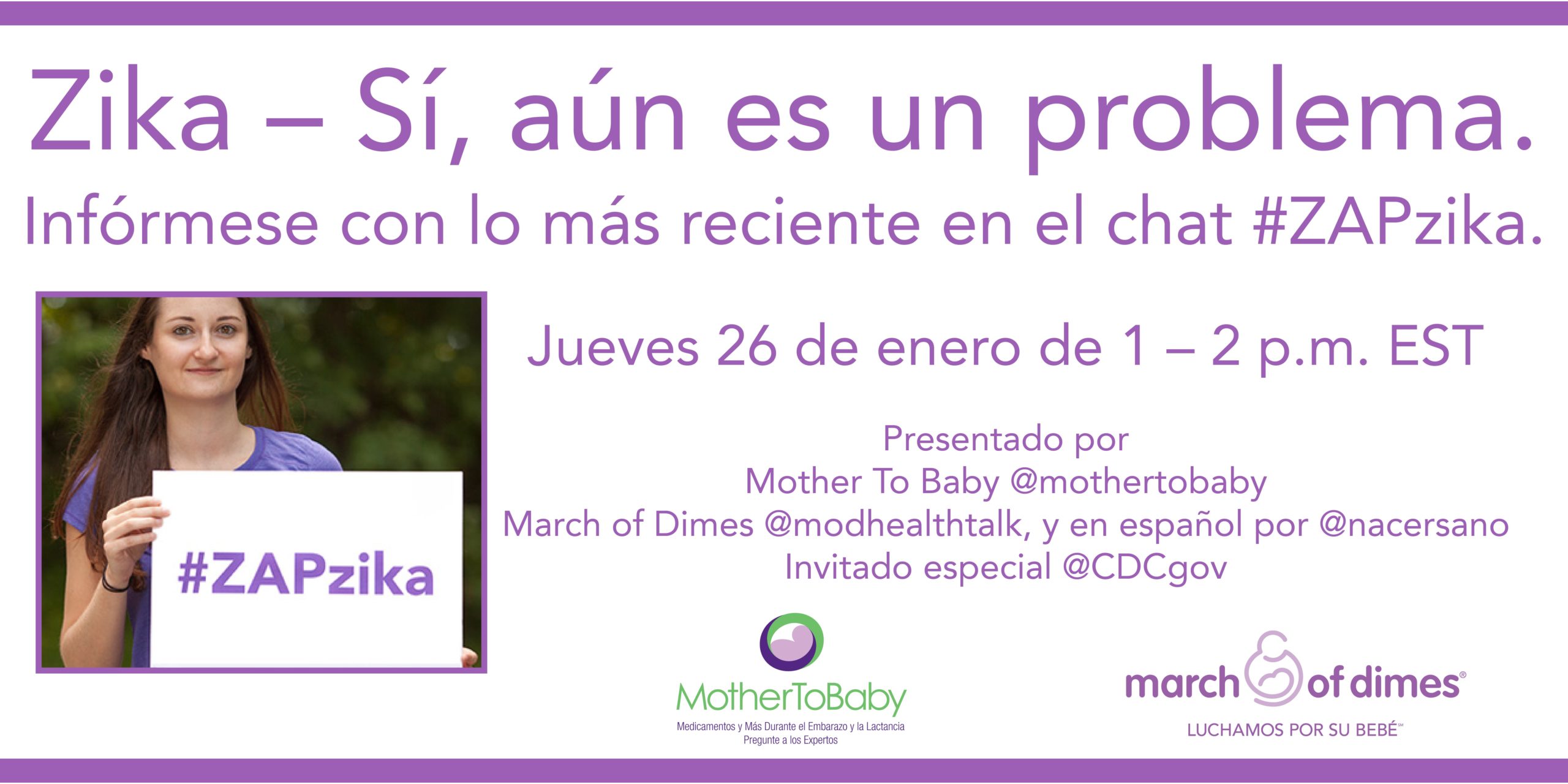
#ZAPzika Bilingual Twitter Chat January 26


 Frequently Asked Questions About Lead During Pregnancy & Breastfeeding
What is lead and where is it found?
Lead is a heavy metal. It can be found in many places such as cosmetics, children’s & costume jewelry, old paint, gasoline, and in many types of hobbies and industry. Read more
What effects could lead have on my baby?
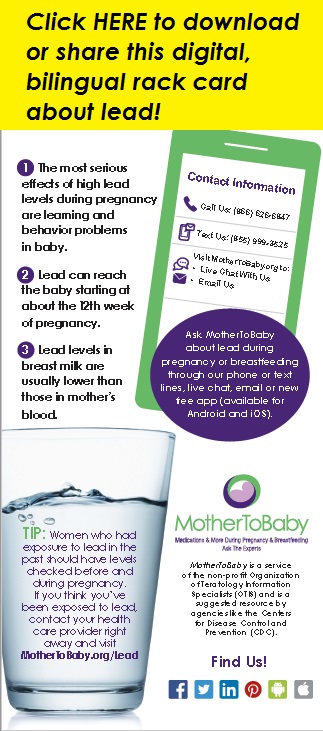
High levels of lead during pregnancy can cause miscarriage and stillbirth. Other pregnancy problems such as low birth weight and premature delivery can also occur. Read more
Is there concern about lead if I am breastfeeding?
Lead levels in breast milk are usually lower than levels in mother’s blood. Lead may also be found in infant formulas. Read more
Is it a problem if the father of the baby is exposed to lead?
Lead in the body can reach the sperm. High levels of lead may cause changes in the shape, size, number and movement of the sperm. Read more
In January 2017, MotherToBaby teamed up with the Pediatric Health Specialty Units (PEHSU) and the National Society of Genetic Counselors (NSGC) to provide the latest research surrounding lead exposure through a webinar. To view the recorded webinar, click here.
New information about the Zika Virus is contstantly changing. This page is updated regularly. Please check back frequently for the latest information and resources surrounding Zika or please contact a MotherToBaby Service for additional information that may have become available at (866) 626-6847.
 Fast Facts: Zika Virus
The most common way the Zika virus is spread is by mosquitos called aedes aegypti and aedes albopictus. These mosquitoes are found throughout the United States and are more common (including in winter months) in the warmer and wetter states.
For all Zika Fast Facts, click here.
 How to Prevent Getting or Spreading the Zika Virus
 Past Zika-related MotherToBaby Press Releases
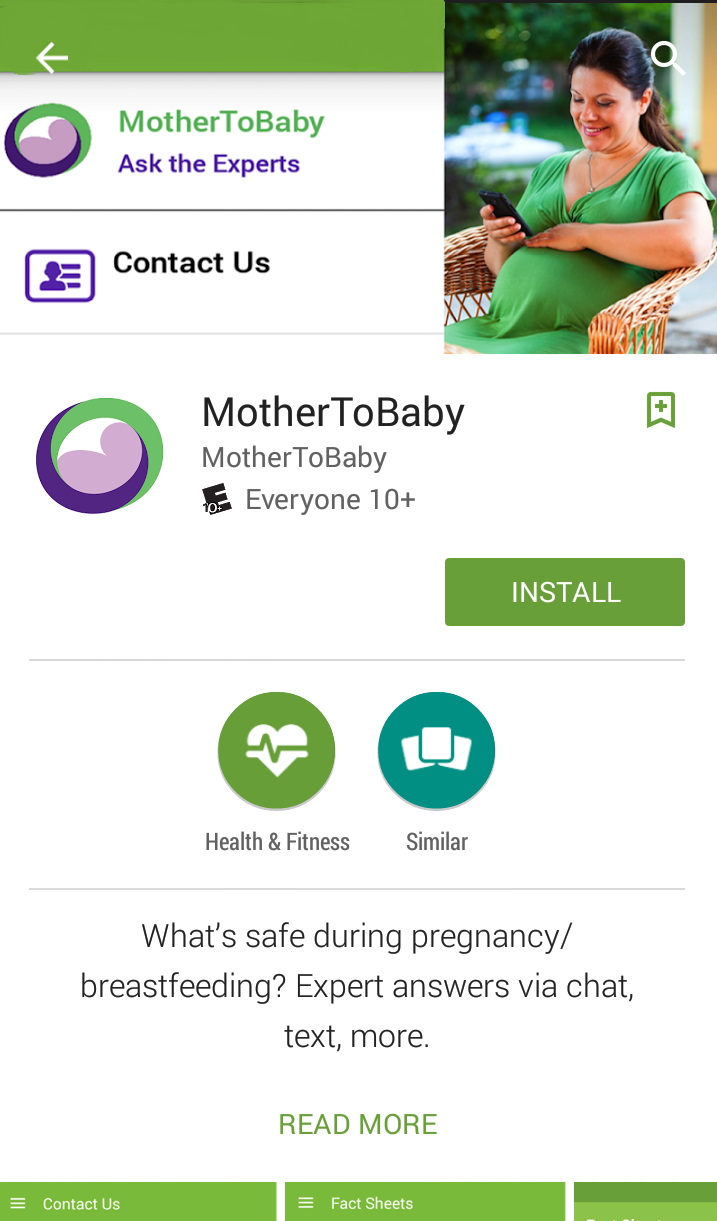 MotherToBaby Launches Free App Connecting Moms with Experts in Real-time
BRENTWOOD, TN – What if you could find out the potential effects of a medication during pregnancy by asking a real-life expert instead of unreliable “Dr. Google?” Now you can. In fact, there’s an app for that, according to MotherToBaby, a service of the international non-profit Organization of Teratology Information Specialists (OTIS). As January’s Birth Defects Prevention Month kicks off, MotherToBaby has launched a free, one-of-a-kind app to bring the most accurate, evidence-based information to pregnant and breastfeeding women.
“Information and research about the risks of medications, vaccines, chemicals or diseases during a woman’s pregnancy are constantly changing and can be confusing, or misrepresented in regular internet searches,” said Stephen Braddock, MD, MotherToBaby President who serves as the Director of Medical Genetics at Saint Louis University. “That’s where our new app comes in to help.”
The MotherToBaby app is available on the Android and iOS markets and features the non-profit’s renowned up-to-date library of fact sheets on more than 100 exposures during pregnancy and breastfeeding. Perhaps, its most unique feature is the app’s ability to link the public directly through live chat, email, text and phone with a teratogen information expert (someone who specializes in providing personalized information about the risks of birth defects) so a user can get answers to questions in real-time without ever leaving the app.
Jennifer Zellner, PhD, who is based at UC San Diego and directed the development of the app, hopes this innovative service will fit a need within the health care professional community too, especially when it becomes overloaded during emergency situations such as the Flint, Michigan water crisis and the Zika virus outbreak. “We recognize that health care providers have limited time in a managed care setting to research the questions they or their patients may have about how a particular exposure may affect a pregnancy, or a breastfeeding infant,” said Zellner. “With the MotherToBaby app, providers will now have this information quite literally at their fingertips.”
The app also features a way for a pregnant woman to easily contribute information to the research by sharing her pregnancy. “Including information about our MotherToBaby Pregnancy Studies program in the app is one more way of reaching women and letting them know about this incredible opportunity to make a difference in the lives of future pregnant women by participating in research,” explained Zellner.
More About MotherToBaby
MotherToBaby is a suggested resource by many agencies including the Centers for Disease Control and Prevention (CDC) and the Food and Drug Administration’s (FDA) Office of Women’s Health. More than 100,000 women and their health care providers seek information about birth defects prevention from MotherToBaby every year. MotherToBaby has been able to embark on new outreach efforts to reach underserved populations and launch new communication technologies through a cooperative agreement with the U.S. Health Resources and Services Administration, as well as through the generous donations made by the public. To learn more about MotherToBaby, the ways to contact its network of experts, or how to support its services, please visit www.MotherToBaby.org.
# # #
Media Contact: Nicole Chavez, 619-368-3259, nchavez@MotherToBaby.org. Interviews in Spanish can also be arranged.
# # #
| #ZAPzika Bilingual Twitter Chat January 26 January 20, 2017 |
page {PAGENO} of {PAGETOTAL} |