Benlysta® (belimumab)

Help Us Understand the Possible Effects of Benlysta® in Pregnancy

Many people need to take medication during pregnancy to appropriately manage a chronic health condition. In some cases, avoiding or stopping medication use during pregnancy may be more harmful than taking medication. Yet fewer than 10% of medications have enough information to determine their safety for use in pregnancy — this is where you come in!

MotherToBaby is currently enrolling pregnant women in a study examining the use of Benlysta® (belimumab) to treat systemic lupus erythematosus (or SLE, a type of lupus) or active lupus nephritis (lupus-related kidney inflammation) during pregnancy.

Are you currently pregnant? Did you take Benlysta® at any point in your current pregnancy? If you answered “yes” to both of these questions, then you have the opportunity to help us learn more about Benlysta®.

“There is a huge need to generate more data for all of the drugs that people who are pregnant need to take.”

— Christina Chambers, PhD, MPH, Lead Investigator, MotherToBaby Pregnancy Studies

Will you take the next step and become our partner? Make an impact on the health of future families today by joining our Benlysta® & Pregnancy Study!


Benlysta® (belimumab)

This sheet is about exposure to belimumab in a pregnancy or while breastfeeding. This information is based on available published literature. It should not take the place of medical care and advice from your healthcare provider.

What is belimumab?

Belimumab is a prescription medication used to treat systemic lupus erythematosus (SLE). Belimumab is prescribed to people who have active SLE and are receiving other lupus medications. Belimumab is a type of protein known as a monoclonal antibody and has also been referred to as a “biologic”. Belimumab is sold under the brand name Benlysta®. MotherToBaby has a sheet on lupus available at: https://mothertobaby.org/fact-sheets/lupus-pregnancy/.

Sometimes when women find out they are pregnant, they think about changing how they take their medication, or stopping their medication altogether. However, it is important to talk with your healthcare providers before making any changes to how you take this medication. Your healthcare providers can talk with you about the benefits of treating your condition and the risks of untreated illness during pregnancy.

I am taking belimumab, but I would like to stop taking it before becoming pregnant. How long does the drug stay in my body?

The time it takes the body to metabolize (to process) medication is not the same for everyone. In healthy adults, it takes up to 4 months, on average, for most of the belimumab to be gone from the body.

I take belimumab. Can it make it harder for me to get pregnant?

Studies have not been done to see if belimumab could make it harder to get pregnant.

Does taking belimumab increase the chance of miscarriage?

Miscarriage is common and can occur in any pregnancy for many different reasons. Based on animal studies done by the manufacturer, a case series, and one study in humans, belimumab is not expected to increase the chance of miscarriage. Lupus itself might increase the chance of miscarriage.

Does taking belimumab increase the chance of birth defects?

Birth defects can happen in any pregnancy for different reasons. Out of all babies born each year, about 3 out of 100 (3%) will have a birth defect. We look at research studies to try to understand if an exposure, like belimumab, might increase the chance of birth defects in a pregnancy.

Animal studies done by the manufacturer (with doses higher than the recommended dose used in people) did not show an increase in birth defects after exposure to belimumab. In humans, 2 case series and 1 study, totaling 77 women, have not found an increased chance for a pattern of birth defects.

Does taking belimumab in pregnancy increase the chance of other pregnancy-related problems?

It is not known if belimumab can cause other pregnancy complications, such as preterm delivery (birth before week 37) or low birth weight (weighing less than 5 pounds, 8 ounces [2500 grams] at birth). One study did not find an increased chance for pregnancy related problems. Active lupus, itself, may increase the chance of pregnancy complications such as preterm delivery and poor growth of the baby.

Does taking belimumab during pregnancy have any effect on my baby after birth?

It is not yet known if belimumab can have an effect on the baby after birth. Monoclonal antibodies, such as belimumab, cross the placenta during the third trimester of pregnancy and in theory might affect the baby’s immune system (the system in the body that helps fight off infections). One small study did not find a risk for a weakened immune system in the infant in the days after birth. Animal studies done by the manufacturer showed a weakened immune system in the offspring of animals exposed to belimumab during pregnancy, but these effects went away after 3 to 12 months.

Does taking belimumab in pregnancy affect future behavior or learning for the child?

Studies have not been done to see if belimumab can cause behavior or learning issues for the child.

Can my baby receive live vaccines before one year of age if I take belimumab while pregnant?

Since some biologic medications might suppress the immune system of the adult taking it, there is a theoretical concern that the same thing could happen to the baby if they are exposed during pregnancy. It is not known if exposure to belimumab during pregnancy affects a baby’s ability to fight off infection. If someone has a weakened immune system, they may be more likely to develop an infection from a live vaccine. Live vaccines contain a small amount of live virus. Inactivated vaccines do not contain live virus, so they cannot cause the disease they protect against. In the United States, rotavirus is the only live vaccine routinely given in the first year of life. Most people can get inactivated vaccines in the first year of life. Talk with your child’s healthcare provider about your exposure to belimumab during pregnancy. They can talk with you about the vaccines your child should receive and the best time for your child to receive them.

Breastfeeding while taking belimumab:

Belimumab is a large protein and little of the medication is expected to pass into breast milk. Belimumab is not well absorbed from the gut when swallowed. So any medication that would get into breast milk would be unlikely to enter the baby’s system. Be sure to talk to your healthcare provider about all of your breastfeeding questions.

If a man takes belimumab, could it affect fertility or increase the chance of birth defects?

Studies have not been done to see if belimumab could affect a man’s fertility (ability to get a woman pregnant) or increase the chance of birth defects. In general, exposures that men have are unlikely to increase risks to a pregnancy. For more information, please see the MotherToBaby fact sheet Paternal Exposures at https://mothertobaby.org/fact-sheets/paternal-exposures-pregnancy/.

MotherToBaby is currently conducting a study looking at belimumab use in pregnancy. If you are interested in learning more about this study, please call 1-877-311-8972 or visit https://mothertobaby.org/join-study.

Please click here for references.


Benlysta® (belimumab)


Your browser does not support SVG

Select Your State for MotherToBaby Affiliate Info & Resources


MotherToBaby is a service of the non-profit Organization of Teratology Information Specialists (OTIS), and is dedicated to providing evidence-based information to mothers, health care professionals, and the general public about medications and other exposures during pregnancy and while breastfeeding. Our MotherToBaby affiliates provide localized support to their community and surrounding regions to make sure people and their health providers have accurate and current information about the possible effects of a particular drug or substance on a pregnancy or a breastfed infant.

OTIS-MotherToBaby-Affiliates

Our experts are available through our confidential, free information service via toll-free phone at 866.626.6847 or via text message at 855.999.3525. You can also email an expert or live chat with us. Our trained experts have a variety of backgrounds in the health care field and include doctors, genetic counselors, nurses, and researchers.

MotherToBaby has offices throughout the U.S. that cover all 50 states and U.S. territories. We also have a location in Quebec, Canada that locally supports French-speaking healthcare providers. To find information about your MotherToBaby Affiliate local experts, events, activities and resources, select your state.

MotherToBaby’s pregnancy and breastfeeding exposure information services are available only for residents of the United States and the U.S. territories. MotherToBaby Pregnancy Studies provides study opportunities to residents of the United States, its territories, and Canada. For services that are available in other regions of the world, please visit: https://mothertobaby.org/international/.

MotherToBaby Arizona

MotherToBaby Arizona is located at the University of Arizona in Tucson. It serves residents in the states of Arizona, Colorado, Kansas, Iowa, New Mexico, North Dakota, and South Dakota.

MotherToBaby California

MotherToBaby California is located at the University of California San Diego’s Center for Better Beginnings. It serves residents in the states of Alaska, California, Hawaii, Idaho, Montana, Nevada, Oregon, and Washington, as well as the US Territories of American Samoa, Guam, the Northern Mariana Islands, Puerto Rico, and the US Virgin Islands.

MotherToBaby Connecticut

MotherToBaby Connecticut is located at UConn Health. It serves residents in the states of Connecticut, Delaware, Massachusetts, Maine, New Hampshire, New Jersey, Pennsylvania, Rhode Island, and Vermont.

MotherToBaby Florida

MotherToBaby Florida is located at the University of South Florida College of Medicine. It serves residents of Florida.

MotherToBaby Georgia

MotherToBaby Georgia is located at Emory University’s School of Medicine. It serves residents in the states of Alabama, Georgia, Tennessee, and Mississippi.

MotherToBaby Nebraska

MotherToBaby Nebraska is located at University of Nebraska Medical Center. It serves residents of Nebraska.

MotherToBaby New York

MotherToBaby New York is located at the University of Rochester Medical Center. It serves residents of New York as well as the states of Indiana and Illinois.

MotherToBaby North Carolina

MotherToBaby North Carolina is located at the Fullerton Genetics Center at Mission Hospitals. It serves residents in the of District of Columbia, Kentucky, Maryland, North Carolina, South Carolina, Virginia, and West Virginia.

MotherToBaby North Texas

MotherToBaby North Texas is located at the University of North Texas in Denton. It serves residents in northern Texas as well as those in the states of Arkansas, Louisiana, Michigan, Minnesota, Missouri, Ohio, Oklahoma, Wisconsin, and Wyoming.

MotherToBaby Texas TIPS

MotherToBaby Texas TIPS in located at the University of Texas Health Science Center at Houston. It serves residents of southern Texas.

Centre IMAGe: Info-Medicaments en Allaitement et Grossesse

IMAGe is located at the CHU Sainte-Justine Hospital mother and child university hospital center at the Université de Montréal in Montréal, Quebec, Canada. It serves the province of Quebec, Canada. IMAGe accepts calls from health providers. It does not handle inquiries about diseases and hazardous materials in the workplace.

About Us

For more than 40 years, our team has been providing information on exposures in pregnancy and breastfeeding.


Benlysta® (belimumab)

World-Renowned UC San Diego Epidemiologist Leads Groundbreaking Study

SAN DIEGO, CA – Recruitment is underway for a groundbreaking new study on the treatment of lupus during pregnancy.  The observational research, led by world-renowned UC San Diego epidemiologist Christina Chambers, PhD, MPH, is the first of its kind for the non-profit MotherToBaby, a CDC-recommended organization that provides evidence-based information on medications, diseases, vaccines, herbal supplements and more during pregnancy and breastfeeding. 

The study will recruit 400 pregnant people over a five-year period to evaluate use of the lupus drug Benlysta® (belimumab) in pregnancy. Benlysta® is used to treat the most common type of lupus, systemic lupus erythematosus (SLE), as well as lupus nephritis. Currently, there is limited information on the drug’s use in pregnancy.

The study will be MotherToBaby’s first to focus on a treatment specifically for lupus, and participants will be enrolled into the MotherToBaby Pregnancy Studies research program. Chambers, who is the lead investigator for MotherToBaby Pregnancy Studies, Co-Director of the Center for Better Beginnings, and Chief of the Environmental Science and Health Division in the UC San Diego Department of Pediatrics, noted that, “lupus can raise the risk of pregnancy complications, so it’s important for both the mom and her developing baby that this condition be well-managed during pregnancy. So, when treatments for lupus like belimumab are available, we want to do our best to gather information about those pregnancies where this medication has been used.”

The study is enrolling pregnant and recently pregnant people with exposure to Benlysta® and will provide critical information on the use of this medication during pregnancy. Participants will not be asked to change any part of their health care routine, including medications, nor will they be asked to travel.

More about MotherToBaby Pregnancy Studies

MotherToBaby Pregnancy Studies are conducted by the non-profit Organization of Teratology Information Specialists (OTIS) and coordinated at the Center for Better Beginnings at UC San Diego. OTIS is a professional scientific society made up of individuals engaged in assessing and evaluating risks to pregnancy and breastfeeding from environmental exposures. Members include, but are not limited to, specialists in the fields of obstetrics and gynecology, pediatrics, genetics, dysmorphology, perinatal epidemiology, teratology, behavioral teratology, pharmacy, genetic counseling, nursing, midwifery, maternal and child health, public health, and include experts that provide MotherToBaby services and researchers that conduct MotherToBaby Pregnancy Studies.

MotherToBaby is a suggested resource by many federal agencies including the Centers for Disease Control and Prevention (CDC). MotherToBaby is supported by the Health Resources and Services Administration (HRSA) of the U.S. Department of Health and Human Services (HHS) as part of an award totaling $6,000,000 with zero percentage financed with non-governmental sources. The contents of this release are those of the author(s) and do not necessarily represent the official views of, nor an endorsement, by HRSA, HHS or the U.S. Government. To learn more about MotherToBaby and OTIS, please visit MotherToBaby.org.

Media Contact: Nicole Chavez, nchavez@mothertobaby.org, 619-368-3259


Benlysta® (belimumab)

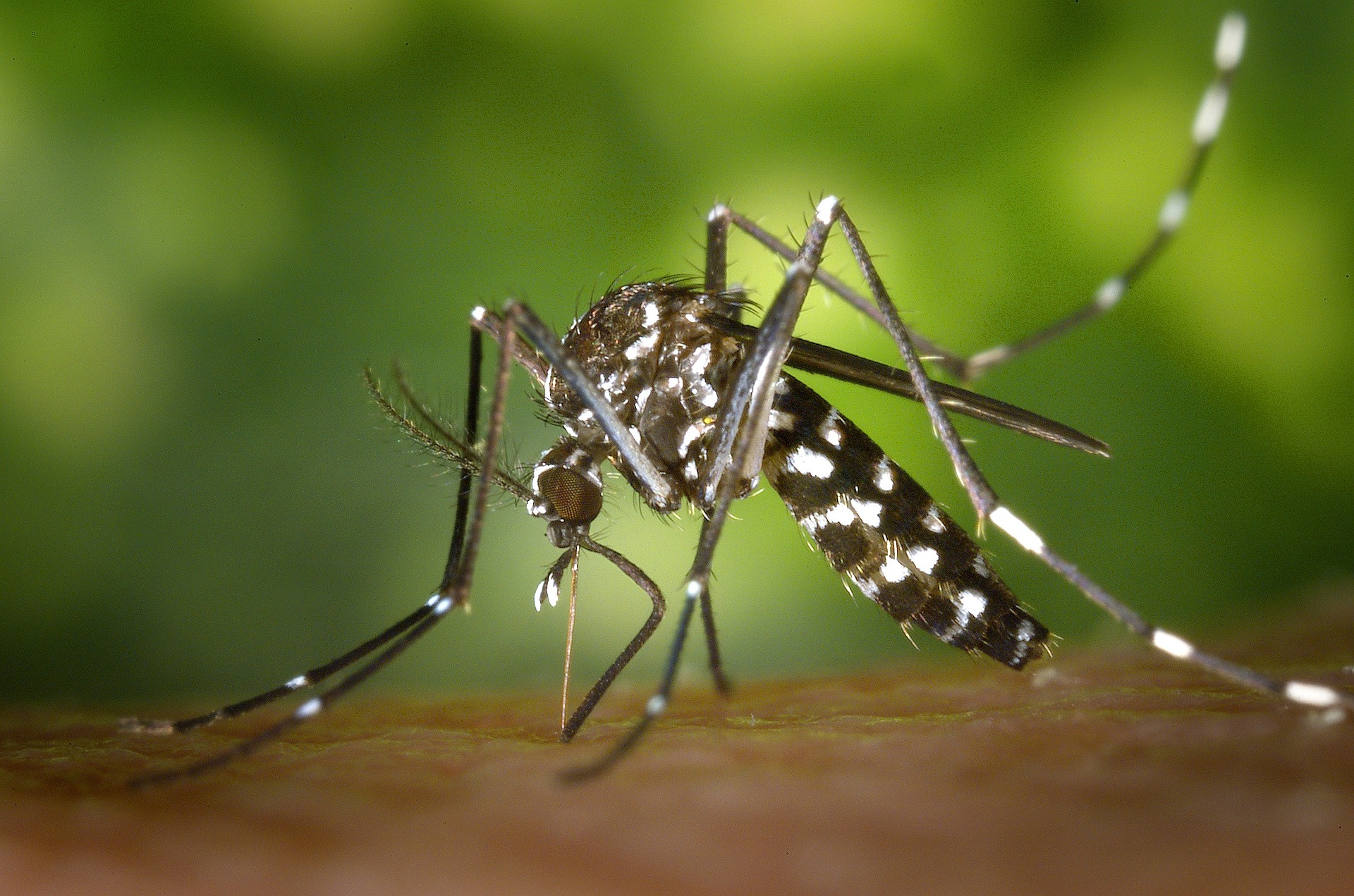
tiger-mosquito-49141_1920by the MotherToBaby Public Affairs Committee

UPDATED STATEMENT AS OF FEBRUARY 4, 2016

MotherToBaby Experts Offer Evidence-Based Information about Zika Virus during Pregnancy
On February 1, 2016 the World Health Organization (WHO) declared “A Global Public Health Emergency” over the Zika virus, due to its suspected ability to cause microcephaly in unborn babies (1). The Centers for Disease Control and Prevention (CDC) “developed interim guidelines for healthcare providers in the United States caring for women during a Zika virus outbreak.” (2) These guidelines include recommendations for pregnant women considering travel to an area with Zika virus transmission and recommendations for disease testing, ultrasound testing, and management of pregnant women returning to the United States after traveling to areas where the virus is being transmitted. Since some infected, pregnant women will not show symptoms, providers may consider additional ultrasound testing. The CDC states that, in addition to the routine ultrasound testing at 18-20 weeks of pregnancy, “additional ultrasounds might provide an opportunity to identify findings consistent with fetal Zika virus infection and offer pregnant women the option of amniocentesis to test for Zika virus RNA.” (3) These CDC guidelines will be updated as more information becomes available.
MotherToBaby, a service of the non-profit Organization of Teratology Information Specialists (OTIS), is suggested as a resource by many agencies including the CDC and the Food and Drug Administration’s (FDA) Office of Women’s Health. MotherToBaby offers evidence-based information about exposures, such as the Zika virus, during pregnancy and breastfeeding through its toll-free phone line (866-626-6847), text message (855-999-3525) and digitally via email and live chat on www.MotherToBaby.org.

We can cover topics such as:
• Mode of transmission
• Regions where it has been identified
• Symptoms of infection
• Effects of the infection and symptoms on the pregnancy
• Effects of treatment of the infection and symptoms on the pregnancy
• Prevention of infection
• Central nervous system (CNS) malformations
• Information on types of testing depending on when the infection occurred

References:
1) http://www.npr.org/sections/thetwo-way/2016/02/01/465163095

2) http://www.cdc.gov/mmwr/volumes/65/wr/mm6502e1.htm

3) http://www.cdc.gov/zika/hc-providers/qa-pregnant-women.html

OFFICIAL STATEMENT AS OF JANUARY 13, 2016

Recently, there have been reports of the Zika virus cases and its possible effect on a pregnancy. While information is currently limited, there are some things we know:

Zika virus was first identified in Africa in 1947. In 2013, there were outbreaks in islands in the Pacific, and now outbreaks are being reported in many Central and South American counties. Isolated cases have been also reported in Puerto Rico and Texas in the last few weeks.

Zika virus is spread by mosquito bites. Symptoms of the Zika virus include fever, headache, joint and/or muscle pain, conjunctivitis (“pinkeye”) and sometimes a rash.

There have been reports of microcephaly (small head and brain) in the babies of pregnant women who were infected with the Zika virus during pregnancy. Research is ongoing to determine if Zika virus is the cause of microcephaly in infants whose mothers were infected with the virus during pregnancy and if the stage of pregnancy plays a role.

There is no vaccine or cure for the Zika virus. Symptoms are treated as they arise (such as using acetaminophen to treat fever and/or headaches). Prevention is the best approach. That includes using bug repellent (including formulas that contain DEET- https://mothertobaby.org/fact-sheets/deet-nn-ethyl-m-toluamide-pregnancy/), wearing protective clothing, and removing standing water where mosquitoes live. For more information, please visit http://www.cdc.gov/zika/prevention/index.html.

If you have questions or concerns about the Zika virus, please contact a bilingual (English/Spanish) MotherToBaby expert by calling 1-866-626-6847 or texting questions to 855-999-3525 (standard text messaging rates may apply). You can also chat live or send an email through www.MotherToBaby.org.

MotherToBaby is a suggested resource by many agencies including the Centers for Disease Control and Prevention (CDC) and the Food and Drug Administration’s (FDA) Office of Women’s Health. More than 100,000 women and their health care providers seek information about birth defects prevention from MotherToBaby every year.