About OTIS

The Professional Scientific Society Behind MotherToBaby

Our History

The Organization of Teratology Information Specialists (OTIS) is the professional scientific society made up of the experts that provide the MotherToBaby service and the researchers that conduct MotherToBaby Pregnancy Studies. OTIS was established in 1987 as a way of connecting world-renowned experts in the field of birth defects research to the general public. OTIS was incorporated in April 1999 as a non-profit organization. In 2002, OTIS established a national call routing system so that anyone in the United States and Canada calling the toll-free number would be routed to an affiliated service to speak with an expert. In 2013, OTIS announced MotherToBaby, a name for its public-facing service and research studies. For over 30 years, our experts have provided the most cutting-edge and up-to-date information about the risks of environmental exposures during pregnancy and while breastfeeding.

Our Vision

OTIS and its information service, MotherToBaby, will be the world’s leading source of evidence-based information on exposures during pregnancy and breastfeeding.

OTIS Mission Statement

  • The Organization of Teratology Information Specialists (OTIS) is a professional organization comprised of experts engaged in assessing and evaluating risks to pregnancy and breastfeeding outcomes from medications and other exposures.
  • OTIS members support and contribute to worldwide initiatives for teratology education, research, and promotion of parental, infant and child health and development.
  • MotherToBaby, the public information service of OTIS, is dedicated to providing effectively communicating evidence-based information to parents, health professionals, and the general public about medications and other exposures during pregnancy and breastfeeding.

OTIS | Organization of Teratology Information Specialists

Our Core Values

The Organization of Teratology Information Specialists is committed to:

  • Enabling informed decision making by effectively communicating accurate, up-to-date information about the effects of exposures during pregnancy or while breastfeeding.
  • Reducing preventable birth defects and other adverse outcomes through education.
  • Facilitating ongoing professional development through sustained communication and collaboration among OTIS membership, MotherToBaby services and our partners.
  • Contributing to research about human teratology.

Learn more about OTIS Membership and the benefits of joining our organization.


Our Leadership

OTIS is governed by a board of directors, an elected body consisting of a president, president elect, immediate past president, secretary, treasurer, and three members-at-large. OTIS has an executive director who manages the OTIS National Office located in Brentwood, Tennessee. OTIS also has several working committees including education, research, website, abstract, public affairs, meeting planning, elections, and membership.


2025 Board of Directors | The Organization of Teratology Information Specialists

President | Lorrie Harris Sagaribay, MPH

Lorrie Harris-Sagaribay is the Program Coordinator and Lead Information Specialist at MotherToBaby North Carolina. She provides exposure counseling in English and Spanish by phone, email, and online chat, as well as conducting outreach and providing professional education and guest lectures on teratology. She currently serves on the OTIS Board of Directors and co-chairs the MotherToBaby Emerging Issues Task Force. After serving with the Peace Corps in Honduras, Lorrie earned her Masters of Public Health from the University of North Carolina at Chapel Hill with a concentration in maternal and child health. She enjoys helping people make informed decisions about medications and other exposures during pregnancy and breastfeeding.
President-Elect | Nevena Krstić, MS, CGC

Nevena is a board certified genetic counselor and an assistant professor at the University of South Florida (USF), division of Maternal Fetal Medicine and serves as the Program and Research Coordinator at MotherToBaby Florida. In addition to providing counseling as an information specialist at MTB Florida and USF Exposures Clinic, she provides prenatal and preconception genetic counseling in various clinics across the Tampa Bay area. She provides both clinical supervision and coursework instruction for students form the USF Genetic Counseling Program. Nevena earned her MS in Genetic Counseling from the University of Texas Health Science Center in Houston in 2012.
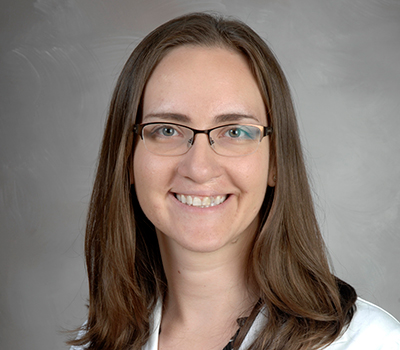
Past President | Alfred Romeo, BA, BSN, RN, PhD

Dr. Romeo works at the Utah Department of Health with MotherToBaby Utah’s Pregnancy Risk Line as an information specialist. His experiences include working as a nurse in newborn intensive care; teaching college health education classes; training medical homes in improving services for children with special health care needs; training young adults with disabilities in leadership and advocacy; and helping families learn about child development. He has served as OTIS Secretary and as Chair of various OTIS committees.

Alfred Romeo

Treasurer | Lauren Kozlowski, MPH

Lauren is the treasurer and Co-Chair for MotherToBaby’s Education Committee and Fundraising Committee. She graduated from Boston University with both a Masters of Social Work and a Masters of Public Health. Lauren is also in the certification process to become a birth and postpartum doula. She has experience working with families in both an educational setting as well as in housing and health, allowing her to recognize the multiple factors contributing to the ability of families to thrive. She enjoys living in Atlanta and exploring what the city has to offer. 

Secretary | Myla Ashfaq, MS, CGC

Myla is a certified genetic counselor and clinical instructor in the Department of Pediatrics, Division of Genetics at the University of Texas Medical School. In addition to being an information specialist for MotherToBaby TexasTIPS, she provides genetic counseling to families of pediatric patients at the Shriners Hospitals for Children in Houston. She is involved in facilitating courses and supervising students from the University of Texas Genetic Counseling Training Program. Myla graduated from Ohio Wesleyan University with a BA in Genetics and received her MS in Human Genetics and Genetic Counseling from Stanford University.

Member-at-Large | Sura Alwan, PhD

Sura Alwan is a PhD geneticist and clinical teratologist in the Department of Medical Genetics at the University of British Columbia. She is the Founder and Executive Director of the PEAR-Net Society, a non-profit dedicated to advancing research, education, and advocacy on pregnancy exposures and fetal development. She also co-directs TERIS – The Teratogen Information System, an online database that helps healthcare providers assess the risks of medications and environmental exposures during pregnancy. Sura’s work is grounded in the belief that scientific evidence should inform—not alarm—pregnant individuals and the professionals who support them, and she advocates for clear, balanced guidance on prenatal exposures rooted in both scientific integrity and compassion.
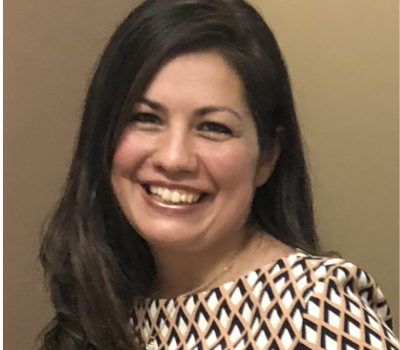
Member-at-Large | Kirstie Perrotta, MPH

Kirstie Perrotta is an information specialist at MotherToBaby California, where she provides counseling by phone and chat. She received her Masters in Public Health (MPH) from the University of San Francisco, and has worked in the field of reproductive health for over 9 years. Kirstie currently serves as a member of the MotherToBaby Emerging Issues Task Force (EITF), which provides leadership around our COVID-19 response. Her interests include vaccines, infectious disease, and mental health during pregnancy.
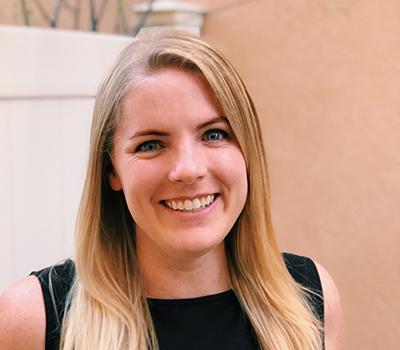
Kirstie Perrotta, MPH

Member-at-Large | Ginger Nichols, MS, CGC


OTIS Committees | 2025

We are thankful for our many volunteers who make OTIS the amazing organization it is! Without these individuals, we would not be able to accomplish all we do. For those who are volunteers, we hope you find fulfillment in giving of your time and expertise for the good of OTIS. If you’d like to volunteer, please read below to explore the list of current committees and if there is one that you would like to join or learn more, please reach out to contactus@mothertobaby.org. Whatever reason prompts you to volunteer, we thank you!

Abstract Committee

Chair:
Mara Gaudette

Duties:
The Abstract Committee evaluates all abstracts submitted for poster and platform presentation at the OTIS annual meeting and selects abstracts to be presented. The abstract selection process is held each year in the Spring before the annual meeting in June.

Education Committee

Co-Chairs:
Sura Alwan
Gretchen Bandoli

Duties:
The Education Committee is responsible for selecting topics and speakers for webinars throughout the year and the Lunchbox Session at the Annual Meeting. They also coordinate and send out a quarterly Research Newsletter.

Fundraising Committee

Co-Chairs:
Lauren Kozlowski
Beth Kiernan

Duties:
The Fundraising Committee works to identify and pursue avenues which will help to financially support the work of OTIS/MotherToBaby.

Meeting Planning Committee

Co-Chairs:
Sura Alwan
Claire Coles

Duties:
The Meeting Planning Committee will be named in the Spring of each year, for the following year’s meeting. The Executive Director serves as Chair of the Meeting Planning Committee, and will be responsible for coordinating the planning activities, providing continuity and procedural support, and working with the other members of the committee on the meeting program. Additional members of the committee will include but not be limited to OTIS representatives who may be located near the meeting site. The Meeting Planning Committee will also have responsibility for soliciting meeting sponsorships and may designate meeting planning committee members to pursue these sponsorships.

Marketing/Website Committee

Co-Chairs:
Lori Wolfe
Ashleigh Blomfield Villarba

Marketing Duties:
The Marketing Committee works to actively market and promote OTIS to target audiences and potential partners.

Website Duties:
The Website Committee is responsible for reviewing all new updates or additions to the OTIS website and approving these before submission to the webmaster for uploading. The Website Committee also reviews the content, appearance, functionality, and appeal of the website and recommending upgrades or revisions to the Board of Directors. The Website Committee will also monitor web activity through the webmaster and provide statistics on number of hits with the semi-annual committee report.  The Website Committee will also monitor and approve listserv requests and monitor and respond to emails sent to webmaster@mothertobaby.org.

Membership Committee

Co-Chairs:
Myla Ashfaq
Reka Muller

Duties:
The Membership Committee maintains criteria for OTIS individual membership and participation in the OTIS National Routing System for TIS. The Membership Committee facilitates communication between individual TIS and OTIS as an organization.

Nominations Committee

Chair:
Al Romeo

Duties:
The Nominations Committee is responsible each Fall for soliciting nominations for positions that will become vacant on the Board of Directors for the upcoming year. Nominations of suitable candidates are submitted for a vote to the membership in the Spring of the year of the election. The Elections Committee calls for the vote, receives and qualifies ballots, and announces results to the Board of Directors and the membership.

Public Affairs Committee

Co-Chairs:
Joan Garey 

Duties:
The Public Affairs Committee is responsible for selecting public health or current event topics that are of relevance to the mission of OTIS, and outlining the committee’s stance or recommendations on these topics either through published position papers, or other media. The Public Affairs Committee may also encourage or support research projects or other activities that address these public health concerns.

Research Committee

Co-Chairs:
Robert Felix
Debra Kennedy

Duties:
The Research Committee is responsible for searching for and proposing funded research opportunities and providing input for research opportunities as subject matter experts. They will also collaborate to write position papers when deemed appropriate.

The Research Committee organizes and conducts two annual meetings for the Research Committee and Research Coordinators, one during the annual scientific meeting in June, and one freestanding meeting in January.

Lactation Research Committee:
The Lactation Research committee is another subcommittee of the Research Committee that was formed from volunteers at the Mid-Year Research Team meeting on January 27, 2008. The subcommittee is charged with the responsibility to develop a framework for conducting and/or collaborating in lactation studies.


Our Funding

OTIS receives funding from a number of different sources including:

  • Membership Dues
  • Donations from both private individuals and from companies and businesses. If you are interested in making a donation, visit our Donate page.
  • Grants: OTIS applies for and has received grants from government sources. We are currently supported by the Health Resources and Services Administration (HRSA) of the U.S. Department of Health and Human Services (HHS) under grant number UG4MC27861, “Reproductive and Environmental Health Network” (total award amount $6,000,000 over five years; 28% financed with nongovernmental sources). The information or content and conclusions contained on this website are those of MotherToBaby and should not be construed as the official position or policy of, nor should any endorsements be inferred by HRSA, HHS or the U.S. Government.
  • MotherToBaby Pregnancy Studies. OTIS conducts pregnancy registries for pharmaceutical companies and other research organizations.

MotherToBaby affiliates are generally individually funded at the state or provincial level.

OTIS Membership

Become a leader in birth defects prevention by joining our professional scientific society.

Annual Meeting

Stay up-to-date on the latest scientific advancements in teratology and risk counseling.

Member Log-In

Log-in to our Members portal to manage your membership and get important information.


About OTIS

Tanya called in on a Monday morning. “I’m getting married in a few months and we want to start trying to get pregnant right away. What should I be doing now to have the best chance of a healthy baby?”

Preconception health and pregnancy planning present a terrific opportunity to assess a wide range of factors that can give your baby the best start. This blog will outline the things to consider, as I relayed to Tanya:

Your Personal Health

Are you generally healthy? If you already get headaches or have acid reflux, know that pregnancy can make these more frequent. Ask your doctor if the way you treat these common conditions should change once you are pregnant. Ask about your current exercise routine and if you need to alter it during pregnancy. Get checked for sexually transmitted infections because some may not show symptoms. Also discuss your medications – some should be stopped before you start trying to conceive, such as Valproic acid, leflunomide (e.g. Arava®), teriflunomide (Aubagio®), methotrexate, and isotretinoin (e.g. Accutane®) to name just a few. For others, you’ll want to weigh the risks vs. the benefits with your health provider before you conceive. Talk with your doctors now to make a plan.

Caffeine

Do you drink caffeinated coffee, tea, or soda? What about energy drinks, protein powders, or Kombucha? MotherToBaby’s fact sheet on caffeine may put your mind at ease and encourage you to think about all your beverage options.

Body Weight

Is your weight a concern? One of the best things you can do before conception is to get to a healthy weight. Women who are overweight or obese have increased risks for miscarriage, birth defects, gestational diabetes, high blood pressure and preeclampsia, and unplanned cesarean birth. Now is a good time to meet with a nutritionist or go on a sensible diet to get to a healthy weight in anticipation of pregnancy. Once you are pregnant, continue to watch what you eat but don’t try to lose weight. Weight gain is inevitable during pregnancy but guidelines from the American College of Obstetricians and Gynecologists (or ACOG, the leading professional society for OB/GYNs) advise women to gain anywhere from 11-40 pounds, depending on your pre-pregnancy weight. It’s a myth that you need to “eat for two,” so don’t set yourself up for postpartum weight gain by eating more than you should. After delivery of an average 7-8 lb. baby, you may lose 2 lbs. in amniotic fluid, 1.5 lbs. of placenta, 5-7 lbs. in blood volume, and 2 lbs. as the uterus returns to its normal size. That could still leave you with 10 pounds of excess weight, or more if you gained more weight during the pregnancy. Some women never take off those extra pounds, and their weight creeps up with successive pregnancies and age, which can lead to pregnancy complications and chronic health problems later on. See our exercise fact sheet for more information.

Chronic Health Conditions

Do you have chronic health conditions like diabetes, high blood pressure, migraines, asthma, high cholesterol, heart conditions, varicose veins, or anemia? Do you have an autoimmune disease like Crohn’s or ulcerative colitis, lupus, rheumatoid arthritis, ankylosing spondylitis, multiple sclerosis, psoriasis or psoriatic arthritis? Meet with your obstetrician for a “preconception” appointment to discuss how a pregnancy might impact your health, and how your health might affect a future pregnancy. Your specialist can provide an important opinion too. A maternal-fetal medicine specialist (MFM) is a doctor who specializes in high-risk pregnancies, and consulting with a MFM once you are pregnant could help you learn how to optimize your and your baby’s health.

Mental Health

What about your mental health? If you have a history of anxiety or depression, ADHD or other conditions, ask your psychiatrist and OB about treatment, and don’t make changes before you do. Many medications can be continued during pregnancy and while breastfeeding. In fact, mental health is incredibly important – for example, when a woman doesn’t treat her mood disorder or inadequately treats it, some studies suggest risks for miscarriage, premature birth, low birth weight, and preeclampsia. Talk therapy is vitally important too. And if you struggle with mental health concerns during the pregnancy, you are at risk for postpartum depression. Let’s face it – pregnancy and caring for a new baby is stressful, so now is the time to marshal your helpers – friends, relatives, therapists and doctors – to ensure you have enough support. Your obstetrician should ask about mental health but if not, speak up. Your doctor can be your ally here, helping you get treatment and addressing concerns related to pregnancy and postpartum mental health. And MotherToBaby can give you an overview of the research related to any prescriptions you might choose to take.

Dental Health

Have you seen a dentist lately? Oral health can impact a pregnancy, meaning that if you have swollen or bleeding gums, a toothache or an infection, it can increase risks to the pregnancy. If you need to have a dental x-ray, take antibiotics, or have local anesthesia for a dental procedure, these are generally acceptable during pregnancy, but best to complete before you get pregnant. Contact MotherToBaby for more details.

Your Workplace

Where do you work? MotherToBaby can give you information to minimize exposures in a veterinarian office, dry cleaners, salon, laboratory/hospital, imaging center, pest control service, or other business. Your occupational safety department can recommend personal protective equipment (PPE) and tell you about ventilation that may be in place to ensure workplace safety. Safety data sheets (SDS) give an overview of chemicals used in industry and are available online or at work.

Food Safety

Read up on food safety and learn how to minimize your exposure to foods that have commonly been associated with foodborne illness such as E. coli or listeria. Get in the habit of washing your fresh fruits and vegetables well. Check out other blogs on our website too.

Vitamins and Supplements

Have you started taking a prenatal vitamin? Are you getting enough folic acid? ACOG recommends that women take at least 400 mcg of folic acid before getting pregnant and at least 600-800 mcg/day once they are pregnant. This can help prevent birth defects of the brain and spinal cord. Call MotherToBaby if you want to learn the recommended daily intake for specific vitamins or minerals. In general, taking more than what is recommended is not advisable – we haven’t studied how mega-doses of vitamins may impact a pregnancy. Other supplements beyond taking a prenatal vitamin are not advisable either – the Food & Drug Administration (FDA) doesn’t supervise their manufacturing plants and past surveys have shown some supplements actually contain contaminants. Furthermore, we’ve seen instances where the label didn’t match the contents of the bottle and could cause ill effects. Pregnant and breastfeeding women should avoid herbal supplements unless specifically recommended by your doctor.

Alcohol, Cannabis, and Tobacco

Do you smoke cigarettes? Do you use cannabis for medicinal or recreational purposes? Do you drink alcohol? Recent research has demonstrated that marijuana use very early in pregnancy causes changes in brain development, which could result in behavioral or learning challenges we see later in the child’s life. Cigarettes increase risks for pregnancy loss, among other things. And alcohol is known to cause a variety of birth defects known as fetal alcohol spectrum disorder (FASD). We don’t believe that there is a “safe” amount of alcohol which when consumed doesn’t cause issues for a developing child. Now is the time to quit smoking, drinking, and using cannabis – your baby will be heathier for it. MotherToBaby can provide resources, or check with your doctor.

Vaccinations

Are you up to date on all your vaccines? Did you get a flu shot this past season? You don’t want a vaccine-preventable illness to have an impact on your pregnancy. Flu infection can increase risks for more severe symptoms, longer-lasting illness, pregnancy loss and premature delivery, which can have a lifelong impact on your baby. Flu vaccine helps prevent infection. Another benefit to vaccinating during pregnancy? Studies show the protection extends to your baby, and gives them a little extra immunity from birth until they can receive vaccines. Also good to know: some vaccines can be given and are recommended during pregnancy, like a flu shot or TDAP, but others are best given before you conceive to avoid a small risk of spreading the illness to the fetus (e.g. the measles, mumps, and rubella (MMR) vaccine, as well as the Varicella (chicken pox) vaccine) – so try to get these done at least a month before trying to conceive. Check your medical records to see the last time you received any of these vaccinations. If you don’t know if you were previously vaccinated, your doctor can draw blood to check if you have immunity.

Your Pets

Do you have a cat? There is some concern in pregnancy about an infection called toxoplasmosis, which is caused by a parasite that can be found in cat feces. Read our blog for more info on what you can do to prevent this infection if you have a fur baby at home.

Other Illnesses

Do your upcoming travel plans involve travel to a warm tropical place? Check out our Zika fact sheet to learn more before you book nonrefundable tickets. In general, women will want to wait to try to conceive for eight weeks from the time of your return home; the wait time is three months if your male partner travels with you. COVID-19 is also spreading around the globe and our fact sheet can give you the latest information on whether and how it could affect a pregnancy.

Finally, your obstetrician or primary care doctor would be glad to see you for a Preconception consultation. Make an appointment to discuss your personal history and health. It’s a great way to get you and your baby off to the best start.


About OTIS

The runs, the trots, the green apple quickstep. You have heard all the nicknames for it, but even hearing something as cute as “bubble guts” does not make diarrhea any better, especially during pregnancy or breastfeeding.

Just last week, I got a call from someone in a panic: “Leah, it is really bad. I am so uncomfortable. I thought you were supposed to get constipated during pregnancy.”

That caller was not wrong – constipation can be common during pregnancy. Hormones like prostaglandins – which help signal to your intestines that it is time to move things along – tend to slow down during pregnancy. Even still, constipation does not always happen.

Food poisoning, viral illnesses (like COVID-19), and chronic conditions (like IBS or Crohn’s disease) can all cause diarrhea, even during pregnancy or breastfeeding. No matter where it comes from, everyone asks the same question, “How do I make this stop?” Before we answer that question, let us talk about what is really going on when you have diarrhea.

Diarrhea: What is Actually Going On?

What makes diarrhea different from your regular poops? Diarrhea is when you have loose or watery stools (poops). Diarrhea can look brown, but it can sometimes look yellow, mucous-y, or mostly clear. Some other symptoms of diarrhea can include abdominal cramping, feeling the urge “to go,” or gas. Diarrhea can be caused by lots of different things. Sometimes, diarrhea can be caused by food or drinks (such as food poisoning, contaminated water, or allergies to food products like lactose). Diarrhea can also be caused by other conditions (such as viral infections, conditions that affect the GI system, or medications). When you have diarrhea, your body gets rid of water and electrolytes much faster than usual. It is always important (but especially when you have diarrhea) to wash your hands for at least 20 seconds with soap and water after going to the bathroom. This helps prevent the spread of infections.

What Does That Mean if I am Pregnant or Breastfeeding?

One of the main concerns with diarrhea is the risk of dehydration. If you are severely dehydrated during pregnancy, this can increase the risk of some pregnancy-related issues, like oligohydramnios (not enough amniotic fluid). If you are severely dehydrated while breastfeeding, this can lower the amount of breastmilk that you produce. Yellow or dark urine, being unable to urinate, feeling dizzy or faint, and feeling thirsty are some signs of dehydration. Typically, rehydration includes giving yourself more water and more electrolytes to replace the water and electrolytes that you lost from the diarrhea. If you are experiencing dehydration, you should check with your healthcare team about what you can do to rehydrate yourself.

Over-The-Counter Options

Over-the-counter medications might be a helpful way to treat diarrhea, depending on the situation. Let us explore what we know about the common over-the-counter antidiarrheal medications: loperamide (Imodium) and bismuth subsalicylate (Pepto-Bismol). For more information on these types of medications, or any others, contact a specialist at MotherToBaby.

Loperamide

Loperamide is a common over-the-counter antidiarrheal. Loperamide works by attaching to certain receptors in your intestines to say, “please don’t move things along so much.” Taking loperamide slows the movement in your intestines, which slows down how often you have a bowel movement.

When you take loperamide as directed, most of the medication stays in your intestines and it is not expected that you would absorb a lot of the loperamide into your bloodstream where it can then reach the baby. Loperamide, however, is not well-studied in pregnancy and it is not known if taking loperamide as directed during pregnancy changes the chance of miscarriage or pregnancy-related issues, like preterm delivery (birth before week 37) or low birth weight (weighing less than 5 pounds, 8 ounces at birth). One study showed that taking loperamide during the first trimester of pregnancy might increase the chance of birth defects and another study did not find an increased chance.

Because there is not a lot of information about using loperamide during pregnancy, you and your healthcare provider may need to decide what’s best for you. Treating diarrhea is important especially to prevent dehydration, but it is also important to consider the limited information we have about this medication in pregnancy.

Loperamide does pass into breastmilk. If you decide to take loperamide while breastfeeding, your infant will get a very small exposure. It is not expected that exposure to loperamide through breastmilk will lead to side effects in the infant.

Bismuth Subsalicylate

Bismuth subsalicylate is another over-the-counter medication that is commonly used for diarrhea.  Some common names for bismuth subsalicylate are Pepto-Bismol, Kaopectate, and BisBacter. Bismuth subsalicylate works by slowing prostaglandins down (which helps to lower inflammation and slow intestinal movements) and encouraging your body to reabsorb water from the intestines (which helps make bowel movements less watery). Bismuth subsalicylate turns into two components in the body: bismuth and salicylate.

Most of the bismuth stays in your intestines and it is not expected that you would absorb a lot of the bismuth into your bloodstream where it can reach the baby.

However, salicylate can be absorbed into your bloodstream. Taking something that has salicylate in it during pregnancy (like bismuth subsalicylate or NSAIDS, like aspirin or ibuprofen), can cause problems with how the baby’s heart works or how baby’s kidneys work which may cause oligohydramnios (not enough amniotic fluid around the baby) and poor lung development. It may also cause bleeding concerns for you.  Because of this, it is generally recommended to avoid any medications that have salicylate in them, especially in the second and third trimester of your pregnancy.

If you take something that has salicylate in it while breastfeeding (like bismuth subsalicylate or NSAIDS, like aspirin or ibuprofen), some salicylate will most likely be present in your breastmilk. There is concern about giving salicylate directly to an infant. Infants tend to metabolize (or process) salicylate slower than adults do. Reye’s syndrome, a rare condition involving brain swelling and liver damage, can happen if an infant is recovering from a viral infection and is exposed directly to salicylate.

For more information on bismuth subsalicylate, check out our “Managing Tummy Troubles During Pregnancy” blog.

The Bottom Line – No Pun Intended

Diarrhea is uncomfortable, exhausting, and when you are pregnant or breastfeeding, often stressful on a whole new level. You should not have to choose between feeling better and worrying about your baby.

Staying hydrated is always a priority, but when symptoms don’t improve, medications might be helpful, depending on your situation. As always, if you notice any changes in your body during pregnancy or in your infant during breastfeeding (like an increase in stools, or a change in color or consistency of stools), you can reach out to a healthcare provider for guidance on what to do next.

And remember, if you ever feel unsure about an exposure, medication, or symptom during pregnancy or breastfeeding, you don’t have to figure it out alone. Evidence-based guidance can bring peace of mind — even on the days your stomach has other plans. Contact a MotherToBaby specialist to talk to someone about your concerns.

Good luck and I hope your tummy feels better soon!

References

https://www.acog.org/womens-health/faqs/problems-of-the-digestive-system

https://www.acog.org/womens-health/faqs/morning-sickness-nausea-and-vomiting-of-pregnancy


About OTIS

Helping Your Pregnant and Breastfeeding Clients Make Informed Decisions

For many women, doulas play an important role in the pregnancy and postpartum journey. As you support your clients during this time of enormous change in their lives, you’re probably fielding a lot of questions from them. When those questions are about how pregnancy and/or breastfeeding could be impacted by exposures in your client’s environment – such as the medications they may need to take, illnesses they may contract, vaccines they may be advised to receive, foods or beverages they consume, substances they use, or exposures in their workplace  – that’s when you and your clients can turn to MotherToBaby. 

We’re the nation’s leading authority and most trusted source of evidence-based information on exposures during pregnancy and breastfeeding. Our experts provide this resource at no-cost and without judgment, and our services are confidential and patient-centered. Our goal is to help pregnant and breastfeeding moms understand the benefit/risk of an exposure for them and for their baby so they can make an informed decision.

We can help by:

  • Encouraging your clients to speak with their healthcare providers about immunizations that may be recommended during this specific period of their life, such as seasonal influenza, RSV, COVID-19, and Tdap (Tetanus, Diptheria, and Pertussis). 
  • Not only helping your clients understand their exposures but also supporting conversations they may want to have with their healthcare provider about these exposures.
  • Assisting your clients who are living with chronic health conditions to plan for how health conditions and their treatments could impact the birth and the postpartum period, ensuring their questions around safety are addressed.  

Whatever environmental exposure your client has questions about, we are here to provide evidence-based information to help them understand how that exposure could affect their pregnancy or their breastfed baby. 

Doula support during pregnancy, birth, and during the postpartum period has been shown to be an effective best practice that can enhance the birthing experience, reduce complications, and improve outcomes for women and infants.

Knocke et al., 2022

LactRx App

If you’re working with a patient who is breastfeeding or plans to breastfeed, download our LactRx app for on-the-go access to information on exposures about which breastfeeding mothers may have questions.

Our Resources

Explore how we can help you and your pregnant and breastfeeding clients by providing no-cost exposure risk assessments, patient education materials, observational studies to monitor pregnancy outcomes, and more.


About OTIS

Recognizing the People Who Help Our Community Thrive

At the Organization of Teratology Information Specialists (OTIS), we are grateful for the dedicated professionals who help advance our mission of providing trusted, science-based information. This page celebrates members who go above and beyond in their service, and honors those we have lost whose dedication left a lasting impact on our organization and the families we support.

Outstanding Member Recognition

Each Quarter, OTIS celebrates members who have been nominated by their peers for their exceptional teamwork, service, and commitment to the field of teratology. These members help strengthen our programs, support colleagues, and improve the quality of care we provide.

Below are our 2025 Outstanding Member honorees. Additional honorees will be added in December 2025

2025 Honorees

Angela Messer, MS

Angela is recognized for her energy, creativity, and strong support across multiple OTIS and MotherToBaby programs. She:

  • Coordinates MotherToBaby Fact Sheets, including updates, translations, and NLM submissions.
  • Oversees the MotherToBaby Chat service, including training, schedules, and troubleshooting.
  • Contributes actively to the Membership Committee and the Marketing & Website Committee.
  • Helps identify and support student presenters for OTIS Seminars.

Angela’s enthusiasm and problem-solving skills make her an incredible asset to our organization.

— From her nominator

Christianne (Chrissy) Senechal, MS

Chrissy is honored for her compassion, teamwork, and willingness to step into leadership when needed. She:

  • Helped manage MotherToBaby CT operations during a leadership absence while also completing a full-time genetic counseling graduate program.
  • Actively offers and requests support to ensure families receive timely, evidence-based information.
  • Communicates with warmth, empathy, and professionalism.

Chrissy’s positivity and commitment shine through in every interaction, and she is already an important part of the OTIS/MotherToBaby community.

— From her nominator

Lorrie Harris-Sagaribay, MPH

Lorrie is recognized for her leadership, thoughtfulness, and commitment to professional growth within the TIS community. She:

  • Approaches every counseling interaction with fairness, compassion, and respect for all perspectives.
  • Created and led a small counselor meeting to support learning and engagement.
  • Shares timely updates on emerging topics — such as COVID-19 and Zika — to keep specialists informed.

Lorrie inspired the idea for this recognition program. She is knowledgeable, kind, and consistently puts the needs of families first.

— From her nominator

Sharon Lavigne, MS, LCGC

Sharon’s leadership at MotherToBaby CT has strengthened connections across UConn Health and expanded access to evidence-based exposure counseling. She:

  • Built strong partnerships with reproductive health, genetics, occupational medicine, maternal mental health, and neurology services.
  • Uses her background as a genetic counselor to educate colleagues across New England and beyond about MotherToBaby’s services.
  • Teaches an online graduate course in embryology and teratology and helps train future genetic counselors, MFM fellows, and OB/GYN residents.
  • Supports patients navigating mental health concerns by connecting them to trusted local and national resources.
  • Leads culturally responsive outreach to Native American communities and helped develop tailored educational materials for tribal families.

Sharon’s dedication to education, collaboration, and culturally informed care is making a meaningful difference for families and providers.

— From her nominator

Sonia Alvarado

Sonia Alvarado is recognized for embracing every responsibility with remarkable enthusiasm and professionalism. She:

  • Supervises the MotherToBaby Chat operations, ensuring smooth workflow and high-quality services.
  • Proactively developing new educational tools that enhance health education efforts and improve the quality of information provided.
  • Consistently demonstrates dedication and a collaborative approach in her work, contributing positively to her team and the organization.

Sonia’s initiative, reliability, and collaborative spirit have made a meaningful impact on our team and the organization as a whole.

— From her nominator

Sura Alwan, MSc, PhD

Sura is recognized for consistently demonstrating a commitment to the highest good of our organization and those we serve. She:

  • Exhibited professionalism and thoughtfulness in providing an expert OTIS webinar on SSRIs and pregnancy during a critical time.
  • Recently founded a non-profit organization, the PEAR-Net Society, to provide an ongoing home for the TERIS database.
  • Takes on significant tasks of logistical planning for an upcoming OTIS annual meeting in her hometown of Vancouver.
  • Contributes time and valuable input on the OTIS board and multiple committees.

Sura is a brilliant researcher and engaging presenter, she also exudes a calm, friendly energy that puts her colleagues at ease and encourages collaboration. I’m grateful for the opportunity to work with and learn from Sura, and for her friendship.

— From her nominator

In Memoriam

Honoring Members We Have Lost

We remember OTIS members whose work and compassion helped shape our organization. Their contributions live on through the families, students, and colleagues they supported.

Vincent T. Armenti, MD, PhD

Dr. Vincent Armenti was a respected transplant surgeon and the founder of the National Transplantation Pregnancy Registry (NTPR). His work created essential guidance for transplant recipients planning their families and continues to influence clinical care today. Dr. Armenti’s scientific leadership and compassion remain an inspiration to the OTIS and MotherToBaby community.

Vincent welcomed me with kindness and treated me as an equal. I’ll always remember how gracious and encouraging he was.

— From his nominator

Gerald (Jerry) G. Briggs, BPharm, FCCP

Gerald G. Briggs was a nationally recognized clinical pharmacologist whose lifelong contributions significantly advanced the understanding of medication used during pregnancy and lactation. He co-authored Diseases, Complications and Drug Therapy in Obstetrics with Michael Nageotte and Drugs in Pregnancy and Lactation: A Reference Guide to Fetal and Neonatal Risk with Sumner Yaffe and Roger Freeman, Cragi Towers, Alicia Forinash and Carrie Brusseau to support health professionals in the safe treatment of pregnant women with chronic conditions. Recognizing that medication safety in pregnancy required stronger evidence base, he became deeply involved in research organizations including OTIS, ENTIS, and the Society for Birth Defects Research & Prevention. His legacy continues to guide the field, improve clinical practices, and enhance the health of women and children. 

During his tenure at LBMMC, Jerry published over 60 articles, chapters and periodical as well as two books. He received frequent inquires about the safety of medications used in pregnancy or during lactations. He realized then that there was a huge gap in the availability of safety data for pregnancy and breastfeeding exposures.

— From a written tribute