Adoption: Sharing the Journey

“Sometimes I forget I am adopted,” exclaims my amazing son as he grabs his backpack to head off to college. I had just let him know that his birthday this year falls on National Adoption Day. “So cool! We will need to do something special this year on my birthday, to celebrate both my birthday and my adoption! See ya, mom!” To Shaun, adoption is as easy as one, two, three, and just a part of everyday life. As anyone who’s been through adoption knows, this is simply not the case much of the time. While adoption helped us complete our family, the process can be exciting, thrilling and scary all at the same time! When another woman is carrying the baby that will become your child, you worry. Was she drinking alcohol? Taking a pain killer? What if she was using illegal drugs?! It can literally lead to countless anxious days and sleepless nights. I understand these concerns as I shared the same worries.

National Adoption Day, started in the United States in 1999, is celebrated each year on the Saturday before Thanksgiving. This year it happens to fall on Shaun’s birthday and reminds me of when we adopted him, many years ago. That time in my life was so powerful, but it was easier for me than it is for others as I was part of MotherToBaby and already knew where to find the answers to my pregnancy exposure questions.

My adoption journey has helped shape who I am today – a genetic counselor and a teratogen information expert who specializes in understanding exposures that can cause birth defects. The non-profit I work for provides this crucial service all across North America and I’m proud that my journey has brought me into a position to ease the minds of other prospective parents starting down the wonderful path of adoption. It reminds me of Austin and Drew, a prospective adoptive couple whom I helped in their adoption journey, “My partner and I did a lot of research as we started exploring adoption. After we started working with an agency, there were lots of questions about prenatal exposures, birth parent medical histories, etc. A lot of the information we found on these topics seemed to be contradictory and some of it was downright scary.”  My job allows me to be on the other end of the line talking to this couple, and others like them, helping fill out intake forms and providing evidence-based answers to some of their questions. “Luckily for us, our adoption agency suggested we reach out to Lori. After our conversation we felt much more at ease, and we felt like we had the information we needed to make informed decisions.”

My own journey has come full circle, utilizing my training to help those going through what I went through years ago. MotherToBaby specialists are here to help you too! As Rory Hall, Executive Director of Adoption Advocates, states, “couples approach the adoption process with so many myths about prenatal exposures and health concerns that might affect a baby. MotherToBaby experts help them approach adoption with relevant, scientific backed information so they can make informed decisions about the children they are hoping to adopt.”

Just before Shaun shuts the door to drive to school, he pauses. Sometimes wise beyond his years, he turns and says, “Mom, adoption is so wonderful because your birth parents gave you up so you could have a better life. Love you!” And just like that, the anxiety, and struggle during the adoption process go back to their place of being a very distant memory. #WorthIt.

More about National Adoption Day

National Adoption Day has been celebrated across the United States since 1999, helping to raise the awareness of the more than 100,000 children who are in foster care each year in the U.S. waiting for permanent families. For more information, see www.nationaladoptionday.org. And when you are going through your adoption journey, and have questions about exposures during pregnancy, contact an expert at MotherToBaby. You can reach us by phone at 866-626-6847 or by text at 855-999-3525.

Originally published 11/3/16, Updated 8/31/2025


Adoption: Sharing the Journey

“This is my first child, and I don’t know what to do!” exclaimed Lyndsay, a newly pregnant woman when I answered MotherToBaby’s free and confidential helpline.  Lyndsay explained that she is taking several medications and was concerned about their potential effects on her unborn baby. She is currently very new to recovery from cocaine and opioid use disorder. She is taking buprenorphine and naloxone for the opioid use disorder, along with baclofen and n-acetylcysteine (NAC) for cocaine cravings. Her medication regimen also includes aripiprazole, escitalopram, bupropion and mirtazapine for depression, mood stabilization and insomnia.

“This combination has been working well for me,” she explained. “Having that said, I wonder if the treatments are increasing my chances for pregnancy complications or birth defects in my baby?”  She wondered if she would be better off getting off the buprenorphine and naloxone now.

In preparing to answer her concerns, I reached out to Ellen Kolomeyer, PhD, PMH-C, a licensed clinical psychologist certified in perinatal mental health, who is part of the National Maternal Mental Health Hotline team to assist us in providing the best answers about recovery treatment while pregnant. The National Maternal Mental Health Hotline provides 24/7 support to pregnant and postpartum individuals experiencing challenges with mood and anxiety, as well as their support women and loved ones through its phone and text line 1-833-TLC-MAMA.

Q:  How common is it for a woman in recovery and who is also pregnant to be treating an opioid use disorder with medications?

According to the Centers for Disease Control and Prevention (CDC), about 7% of pregnant women used opioids during pregnancy, with one in five of those women reporting that they misused opioids during pregnancy.  But, only about half of the pregnant women who use opioids during pregnancy are in recovery, so it is wonderful that Lyndsay is reaching out to learn how to best care for herself and her baby. I hope her story shows that it is possible to get help and have a healthy pregnancy.

Q: What treatments can be used?

When a pregnant woman is dealing with opioid addiction, healthcare providers often prescribe medicines like methadone and buprenorphine. It is best if treatment starts before someone gets pregnant to help both the mother and baby stay healthy. But sometimes, people face challenges that make it hard to get treatment. These can be personal issues like having a tough time managing feelings or problems with relationships. There can also be unfair judgments from others about drug addiction that make it harder for people to seek help. Besides giving medicine, it is also important to get help for mental health. This means talking to a counselor or therapist about the things that might be causing someone to use drugs in the first place.

Q: Is discontinuing treatment while pregnant recommended? Why or why not?

It is important to know that stopping opioid use suddenly during pregnancy can be dangerous for both the pregnant woman and the baby. Managing opioid use with medication is a better way to stay healthy and reduce the risk of going back to using drugs. So, it is best to keep taking the medication rather than stopping it while pregnant. It is crucial to talk with a healthcare provider before making any decisions about treatment.

Q: Should a pregnant woman expect her healthcare provider to start or stop medications or switch to alternatives?

Each pregnancy is different, so there is no one answer that fits everyone. Depending on the situation, a pregnant woman might start, stop, or switch medications. It is common for healthcare providers to talk about medications, like methadone https://mothertobaby.org/fact-sheets/methadone/ or buprenorphine, https://mothertobaby.org/fact-sheets/buprenorphine/ and suggest starting them if needed. Sometimes, providers might think about changing to a different medication but they will carefully consider the risks and benefits. It is best to see a healthcare provider who knows how to give the right recommendations for pregnant women.

Q: What can a pregnant woman do to advocate for herself in this scenario?

Pregnant women who are struggling with opioid use often face challenges in getting the right information and help. Even though there can be judgment from others, pregnant individuals can benefit from speaking up for themselves. One important way to do this is to understand the reasons behind the problems they are facing and to talk about their goals.

Research shows that many people turn to drugs because of past trauma, not having enough support or money, dealing with bad feelings, and having tough relationships, among other reasons. By thinking about their own situation and struggles, individuals can work to address the main issues they’re facing.

I want every pregnant woman in this situation to know that they can still have a good relationship with their baby and take care of their baby’s needs. It is a good idea to find a healthcare provider who knows a lot about opioid use disorder to get the right support. Building a strong support system could be the key to making a big change and getting better.

There are some great ways that pregnant women recovering from opioid use disorder can build their support system. Talking through personal hardships in support groups, with home visitors, with a counselor, or with a therapist can help build the tools and confidence you need to learn how to advocate for yourself and your baby with medical providers.

Q: What is the best way that a pregnant woman can share her questions and concerns with their Obstetric provider?

To make sure you get the best support, it is helpful to find a healthcare provider who knows about substance use issues. One great way for a pregnant woman to talk about their questions and worries with their OB is to write them down before an appointment and bring the list with them. As the pregnancy progresses, working together with the provider to plan for labor, delivery, and postpartum care can get the parent-to-be ready for what is ahead at each stage. I suggest asking your obstetric provider to be open and share information throughout the process so that there are fewer surprises when it is time for the birth, after-birth care, and taking care of the newborn.

Q: After delivery, what does a typical newborn period look like for the parent(s) and baby?

It is common for babies to experience withdrawal symptoms from medications used to treat opioid addiction (also called neonatal abstinence syndrome), but this should not stop a healthcare provider from prescribing the medications or pregnant women from taking them. After the baby is born, parents should team up with their baby’s healthcare provider to keep an eye on the newborn and get help when needed. It is important for parents to be involved in their baby’s care and spend time bonding with them. If parents feel they are not getting these chances, they can speak up and ask for them.

Withdrawal symptoms in a baby are treatable, but some babies need to be monitored extra closely and around the clock. It can also be helpful to prepare ahead of time and learn if it is possible that your baby might go to the Neonatal Intensive Care Unit (NICU) instead of staying in the recovery room with you. While unexpected things can happen in any pregnancy and birth, you could ask your providers ahead of time whether they think there is a reason your baby might go to the NICU and what you might expect. For example, you might want to know how long your baby could be in the NICU and make a plan for advocating to still be able to see, touch, and care for your baby as often as possible during your baby’s medical care.

Q: Can you share recommended resources?

There are widely available, free, and confidential programs, resources, and provider directories that anyone can access including the following:

  • National Maternal Mental Health Hotline provides 24/7 support to pregnant and postpartum individuals experiencing challenges with mood and anxiety, as well as their support persons and loved ones. Call or text 1-833-TLC-MAMA.
  • MotherToBaby provides information about exposures, like medications and diseases, during pregnancy and while breastfeeding through its free phone service 866-626-6847, text 855-999-3525, email and live chat via MotherToBaby.org.
  • Substance Abuse and Mental Health Services Administration (SAMHSA) offers a directory to find medical providers who specialize in treating opioid use disorders. Locate a practitioner here.  SAMHSA also provides a National Helpline that can provide treatment referral and information 24/7. Call 1-800-662-HELP.
  • Postpartum Support International HelpLine provides basic information, support, and resources for pregnant, postpartum, and parenting individuals and their support persons and loved ones. This line is not 24/7 but messages are returned daily. Call or text 1-800-944-4773.
  • Postpartum Support International Provider Directory lists medical and mental healthcare professionals who are specially certified to care for pregnant and postpartum individuals. Access the directory here.
  • The Suicide and Crisis Lifeline is available 24/7 by calling or texting 988.
  • Circle of Security is an evidence-based program that helps parents build secure parent-child relationships, effectively meet babies’ needs, and help parents break cycles from their own childhoods that they do not wish to carry over to their children. Learn more here and a Circle of Security Parent Educator here.

We had just shared a lot of information with Lyndsay. She was relieved to hear that her recovery treatment was going to allow her to stay well in pregnancy and give her the best chance to have a healthy baby. “I feel like I have a better idea of what questions I need to ask my OB and pediatrician,” she told us. “I feel less alone in this now and it looks like there are places I can go to get more information too.”

References:

MotherToBaby Blog: “Dear Opioid-Addicted Moms-To-Be, We are Here for You”

Centers for Disease Control and Prevention. (2022). About opioid use during pregnancy.

Centers for Disease Control and Prevention. (2022). Treatment for opioid use disorder before, during, and after pregnancy.

Gerdts-Andresen, T. (2021). Circle of security-parenting: a systematic review of effectiveness when using the parent training Programme with multi-problem families. Nordic Journal of Social Research, 12(1), 1-26.

Henry, M. C., Sanjuan, P. M., Stone, L. C., Cairo, G. F., Lohr-Valdez, A., & Leeman, L. M. (2021). Alcohol and other substance use disorder recovery during pregnancy among patients with posttraumatic stress disorder symptoms: A qualitative study. Drug and Alcohol Dependence Reports, 1, 100013.

Horton, E., & Murray, C. (2015). A quantitative exploratory evaluation of the circle of security‐parenting program with mothers in residential substance‐abuse treatment. Infant mental health journal, 36(3), 320-336.

Substance Abuse and Mental Health Services Administration. (2018). Clinical guidance for treating pregnant and parenting women with opioid use disorder and their infants. Vol HHS Publication No.(SMA) 18-5054.

Substance Abuse and Mental Health Services Administration. (2024). Evidence-based, whole-person care for pregnant women who have opioid use disorder. SAMHSA Advisory. https://store.samhsa.gov/sites/default/files/whole-person-care-pregnant-people-oud-pep23-02-01-002.pdf

Note: This information should not take the place of medical care and advice from your healthcare providers.

Adoption: Sharing the Journey

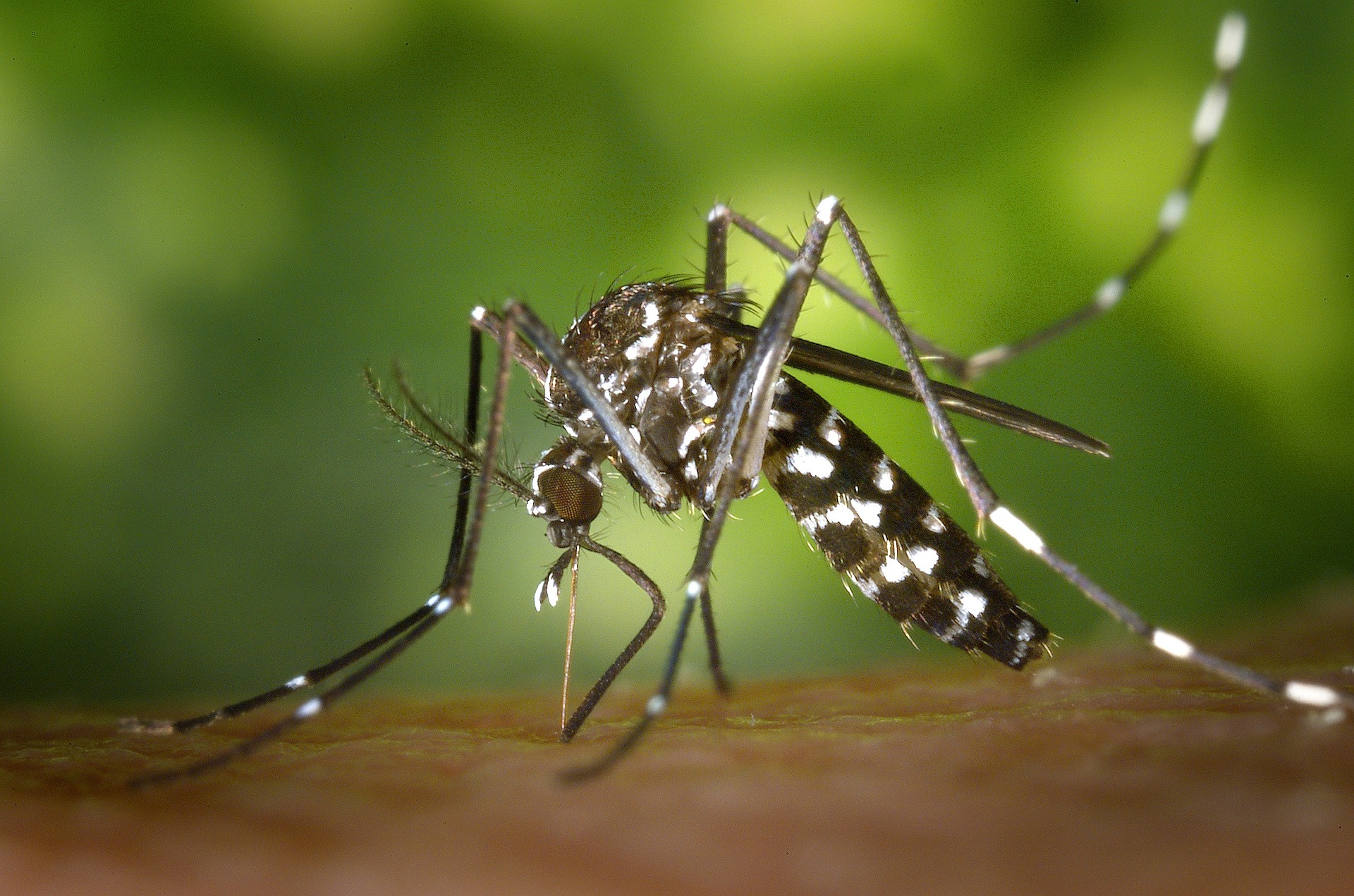
tiger-mosquito-49141_1920by the MotherToBaby Public Affairs Committee

UPDATED STATEMENT AS OF FEBRUARY 4, 2016

MotherToBaby Experts Offer Evidence-Based Information about Zika Virus during Pregnancy
On February 1, 2016 the World Health Organization (WHO) declared “A Global Public Health Emergency” over the Zika virus, due to its suspected ability to cause microcephaly in unborn babies (1). The Centers for Disease Control and Prevention (CDC) “developed interim guidelines for healthcare providers in the United States caring for women during a Zika virus outbreak.” (2) These guidelines include recommendations for pregnant women considering travel to an area with Zika virus transmission and recommendations for disease testing, ultrasound testing, and management of pregnant women returning to the United States after traveling to areas where the virus is being transmitted. Since some infected, pregnant women will not show symptoms, providers may consider additional ultrasound testing. The CDC states that, in addition to the routine ultrasound testing at 18-20 weeks of pregnancy, “additional ultrasounds might provide an opportunity to identify findings consistent with fetal Zika virus infection and offer pregnant women the option of amniocentesis to test for Zika virus RNA.” (3) These CDC guidelines will be updated as more information becomes available.
MotherToBaby, a service of the non-profit Organization of Teratology Information Specialists (OTIS), is suggested as a resource by many agencies including the CDC and the Food and Drug Administration’s (FDA) Office of Women’s Health. MotherToBaby offers evidence-based information about exposures, such as the Zika virus, during pregnancy and breastfeeding through its toll-free phone line (866-626-6847), text message (855-999-3525) and digitally via email and live chat on www.MotherToBaby.org.

We can cover topics such as:
• Mode of transmission
• Regions where it has been identified
• Symptoms of infection
• Effects of the infection and symptoms on the pregnancy
• Effects of treatment of the infection and symptoms on the pregnancy
• Prevention of infection
• Central nervous system (CNS) malformations
• Information on types of testing depending on when the infection occurred

References:
1) http://www.npr.org/sections/thetwo-way/2016/02/01/465163095

2) http://www.cdc.gov/mmwr/volumes/65/wr/mm6502e1.htm

3) https://www.cdc.gov/zika/hcp/clinical-pregnant/index.html

OFFICIAL STATEMENT AS OF JANUARY 13, 2016

Recently, there have been reports of the Zika virus cases and its possible effect on a pregnancy. While information is currently limited, there are some things we know:

Zika virus was first identified in Africa in 1947. In 2013, there were outbreaks in islands in the Pacific, and now outbreaks are being reported in many Central and South American counties. Isolated cases have been also reported in Puerto Rico and Texas in the last few weeks.

Zika virus is spread by mosquito bites. Symptoms of the Zika virus include fever, headache, joint and/or muscle pain, conjunctivitis (“pinkeye”) and sometimes a rash.

There have been reports of microcephaly (small head and brain) in the babies of pregnant women who were infected with the Zika virus during pregnancy. Research is ongoing to determine if Zika virus is the cause of microcephaly in infants whose mothers were infected with the virus during pregnancy and if the stage of pregnancy plays a role.

There is no vaccine or cure for the Zika virus. Symptoms are treated as they arise (such as using acetaminophen to treat fever and/or headaches). Prevention is the best approach. That includes using bug repellent (including formulas that contain DEET- https://mothertobaby.org/fact-sheets/deet-nn-ethyl-m-toluamide-pregnancy/), wearing protective clothing, and removing standing water where mosquitoes live. For more information, please visit http://www.cdc.gov/zika/prevention/index.html.

If you have questions or concerns about the Zika virus, please contact a bilingual (English/Spanish) MotherToBaby expert by calling 1-866-626-6847 or texting questions to 855-999-3525 (standard text messaging rates may apply). You can also chat live or send an email through www.MotherToBaby.org.

MotherToBaby is a suggested resource by many agencies including the Centers for Disease Control and Prevention (CDC) and the Food and Drug Administration’s (FDA) Office of Women’s Health. More than 100,000 women and their health care providers seek information about birth defects prevention from MotherToBaby every year.


Adoption: Sharing the Journey

The Bilingual Website is the Latest Addition to the Non-Profit’s Toolkit to Promote Healthy Pregnancies and Reduce Birth Defects

BRENTWOOD, TN – ¿Hablas español? ¡Sí! In time for January’s Birth Defects Awareness Month, MotherToBaby is proud to announce the launch of its fully bilingual (English/Spanish) website. It’s the first of its kind for housing an extensive bilingual library of fact sheets on everything from alcohol to zolpidem during pregnancy and breastfeeding as well as connecting bilingual experts with parents and healthcare providers.

Only select portion of MotherToBaby’s resources were previously available in Spanish. The now fully bilingual website is designed to fill the gap in the disparities of health education information for pregnant and breastfeeding individuals who are Spanish-speakers. MotherToBaby wants to improve birth outcomes in the Latinx community by giving improved access to language-appropriate resources to families and health professionals.

“It’s our experience that all parents and parents-to-be want the best information possible in order to have a healthy baby,” said Lorrie Harris-Sagaribay, MPH, a bilingual teratogen information specialist and the MotherToBaby President-Elect. “No matter what the language they speak is, we want everyone to have access to the best, expert health information possible. Making our free resources available in the second most-used language in the U.S. will help us reach many who are currently underserved.”

MotherToBaby, a no-cost service of the international non-profit Organization of Teratology Information Specialists (OTIS), has been available to the public for more than 30 years. During that time, it has become the leader in birth defects research as well as answering questions the public has about exposures, like medications, vaccines, beauty products, herbal supplements, workplace exposures and much more, during pregnancy and breastfeeding. MotherToBaby is a suggested resource by many federal agencies including the Centers for Disease Control and Prevention (CDC).

The fully bilingual website comes on the heels of other Spanish resources previously available including more than 300 fact sheets, a phone information service (866-626-6847), texting line (855-999-3525), and live chat and email (available on MotherToBaby.org). Just some of the website updates include one-stop resource hubs organized by exposure topic and health field, a FREE online materials ordering system for patient education and materials, and fully translated information about the research arm of the organization, MotherToBaby Pregnancy Studies. Much of the information that the scientific community knows about medication and vaccine use during pregnancy comes from observational studies. With accessible information about study participation in Spanish, MotherToBaby is aiming to increase participant diversity and better reflect the community that may need to take these drugs to treat or prevent illness.

“The risk to the developing baby from certain exposures during a pregnancy can vary greatly depending on timing of the exposure and much more,” said Harris-Sagaribay. “To be able to provide information tailored to a pregnant person’s personal circumstance allows for better informed decision-making. I’m proud to be part of a service that empowers parents like that not only in English but also in Spanish.”

The Spanish-language website is just one of MotherToBaby’s latest effort in making health education information more accessible to people outside of native English speakers. MotherToBaby is exploring the expansion of its bilingual resources to make them available in more languages. For example, it recently made its COVID-19 mRNA Vaccines fact sheet available in Arabic, Chinese, Portuguese, Tagalog and Vietnamese.

Visit the new Spanish-language website at MotherToBaby.org/es. The MotherToBaby website is not intended to be a substitute for professional judgment. Users should consult personal healthcare providers for pregnancy and breastfeeding advice related to their particular situation.

More about OTIS and MotherToBaby

The Organization of Teratology Information Specialists (OTIS) is a professional scientific society made up of individuals engaged in assessing and evaluating risks to pregnancy and breastfeeding from environmental exposures. Members include, but are not limited to, specialists in the fields of obstetrics and gynecology, pediatrics, genetics, dysmorphology, perinatal epidemiology, teratology, behavioral teratology, pharmacy, genetic counseling, nursing, midwifery, maternal and child health, public health, and includes experts that provide MotherToBaby services and researchers that conduct MotherToBaby Pregnancy Studies.

MotherToBaby is supported by the Health Resources and Services Administration (HRSA) of the U.S. Department of Health and Human Services (HHS) as part of an award totaling $6,000,000 with zero percentage financed with non-governmental sources. The contents of this release are those of the author(s) and do not necessarily represent the official views of, nor an endorsement, by HRSA, HHS or the U.S. Government. To learn more about MotherToBaby and OTIS, please visit www.MotherToBaby.org.  

Media Contact: Nicole Chavez, 619-368-3259, nchavez@mothertobaby.org


Adoption: Sharing the Journey

MotherToBaby is the Leading National Resource on Exposures during Pregnancy and Breastfeeding

BRENTWOOD, TN – The non-profit Organization of Teratology Information Specialists (OTIS), which provides the MotherToBaby free service, receives new funding aimed at enhancing partnerships to address birth defects, infant disorders and related conditions, and the health of pregnant and postpartum people. The grant is supported by the Centers for Disease Control and Prevention (CDC).

The funding is a five-year award beginning October 1, 2023. “This remarkable funding is a testament to our tireless dedication to staying ahead of the curve when it comes to diseases, infections, and empowering the public with the latest information,” said Alfred Romeo, RN, PhD, President of MotherToBaby. “We are thrilled to collaborate with numerous organizations to amplify the impact of our vital work,” he added.

Great strides will be made under this grant, including collecting and disseminating data, developing and distributing data-driven resources, forging valuable partnerships, and fostering community engagement to raise awareness of the invaluable services provided by MotherToBaby.

“This support is a game-changer, enabling us to further equip pregnant and breastfeeding individuals with crucial information, especially during health crises like the recent COVID-19 pandemic,” Romeo emphasized. “The partnerships we build will help us navigate the next emerging issue affecting people who are pregnant and breastfeeding.”

MotherToBaby provides information on exposures, like medications, vaccines, diseases, herbal supplements, occupational exposures and more before and during a pregnancy as well as while breastfeeding. The service is provided through its no-cost helpline 866-626-6847, texting service 855-999-3525 and website www.MotherToBaby.org, where the public can live chat, e-mail an expert or browse a library of fact sheets in English and Spanish. Additionally, MotherToBaby hosts LactRx, a free app providing current information on the use of medications, vaccines, diagnostic agents, and drugs of misuse during breastfeeding. LactRx is available for iPhone and Android.

More about OTIS and MotherToBaby

The Organization of Teratology Information Specialists (OTIS) is a professional scientific society made up of individuals engaged in assessing and evaluating risks to pregnancy and breastfeeding from environmental exposures. Members include, but are not limited to, specialists in the fields of obstetrics and gynecology, pediatrics, genetics, dysmorphology, perinatal epidemiology, teratology, behavioral teratology, pharmacy, genetic counseling, nursing, midwifery, maternal and child health, public health, and includes experts that provide MotherToBaby services and researchers that conduct MotherToBaby Pregnancy Studies. To learn more about MotherToBaby and OTIS, please visit www.MotherToBaby.org. 

Media Contact: Nicole Chavez, 619-368-3259, nchavez@mothertobaby.org