Ep. 85: Radiation & Breastfeeding: Understanding the Risks and Realities

In this episode of the MotherToBaby Podcast, host and genetic counselor Chris Stallman welcomes Dr. Emily Caffrey, a certified health physicist at the Health Physics Society and the University of Alabama at Birmingham. Together, they dive into one of the most frequently asked topics: how radiation exposure may impact breastfeeding.

Dr. Caffrey explains the difference between ionizing and non-ionizing radiation, details how imaging procedures like X-rays, CT scans, and MRIs interact with the body, and addresses concerns around contrast agents and radioactive tracers. The episode also covers what breastfeeding women working around radiation should know, including practical safety tips and case-by-case considerations.

Key Takeaways:

  • Diagnostic imaging procedures do not make breast milk radioactive or require stopping breastfeeding
  • Some radioactive tracers or therapeutic treatments may require temporary or permanent changes to breastfeeding plans, depending on the specific agent and dose
  • Always inform your healthcare provider that you’re breastfeeding and ask questions about any upcoming procedures
  • Expert help is available—don’t rely on internet searches alone

Resources mentioned in this episode:

🎧 Subscribe to the podcast and never miss an episode!


Ep. 85: Radiation & Breastfeeding: Understanding the Risks and Realities

By Al Romeo, RN, PhD, MotherToBaby Utah

If you are pregnant or breastfeeding, you might wonder if it is safe for you to go to the nail salon. After all, there are chemicals in nail treatments, and (let’s face it) nail salons often smell like they could be toxic! But are they?

What’s in nail treatments? And could they be harmful if I’m pregnant or nursing?
Common nail products include nail polish and types of acrylic nails including gels, liquids, and powders. There are a few ingredients that are commonly found in those products, including:

  • Dibutyl phthalate (DBP)
  • Toluene
  • Formaldehyde
  • Camphor
  • Paraffin
  • Methacrylic
  • Acetone
  • Acetonitrile

The names of those ingredients may sound scary, but let’s look at each of them.

Dibutyl phthalate (DBP) is used in nail polish to make the polish more flexible and less likely to crack or break. Small amounts have been found in humans. Those small amounts are not expected to cause increased chances of problems for the pregnancy or breastfed baby based on the available research.

Toluene is a solvent that is used to thin nail polish so it goes smooth after being painted on with a brush. Solvents are known to be harmful to the nervous system. Sniffing or huffing spray paint, glue, and gasoline can cause dizziness and fainting in addition to damaging brain cells. But when it comes to nail treatments, the amount of toluene that is absorbed through the skin or inhaled from applying nail polish to finger and toe nails is small and not expected to increase the chance of problems for your pregnancy or breastfed baby.

Formaldehyde is used to harden nail polish. Nail salons might also use formaldehyde to disinfect nail care tools. Some people may be allergic to formaldehyde, even in the small amounts found in nail polish. Women with those allergies should use nail care products without formaldehyde and ask about its use in nail salons. Our bodies make formaldehyde and it can be found in healthy foods, such as apples. Just as too much water or oxygen can be dangerous for our bodies, too much formaldehyde can be a problem. However, the amount in nail polish is small and the amount that would be absorbed through the skin, nails, and from the fumes is also very small. That small amount is not expected to cause problems for your pregnancy or breastfed baby.

Camphor is also used to make nail polish soft or flexible and give it a pleasant odor. Camphor is found in some pain-relieving products that are applied to the skin. The amount of camphor in nail polish is far less than in those pain-relieving creams. Based on the limited information available, the use of camphor on the skin has not increased risks for a pregnancy or breastfed babies.

Paraffin is a mineral oil used in cosmetics and ointments to soften the skin. It isn’t part of the nail polish or remover, but your hands or feet might soak in it as part of the manicure or pedicure. As an oil, it mainly stays on the skin and isn’t absorbed into the bloodstream. The small amount of paraffin that is expected to get absorbed into the skin is not expected to increase the chance of problems for your pregnancy or breastfed baby.

Methacrylate is a chemical in acrylic nails. Not much of the methacrylate is left after it reacts with other chemicals to form the acrylic nails. However, the small amount that is left in the acrylic nails could cause irritation, redness, and swelling in the tissues under and below the nails. The small amount of methacrylate that is expected to be absorbed by the skin or lungs from using acrylic nails is not expected to cause an increased chance of problems for your pregnancy or breastfed baby.

Acetone is a solvent used in nail polish removers. Acetone, when ingested, can cause problems in the body. The small amount of acetone that is expected to be absorbed by the skin or lungs when it is used to remove nail polish is small and not expected to cause an increased chance of problems for your pregnancy or breastfed baby. After using nail polish remover, you might want to wash your hands or feet to reduce the amount that is left on the skin that could be absorbed.

Acetonitrile is another solvent used for removing artificial nails. It is less commonly used in cosmetics than acetone. The small amounts that are expected to be absorbed through the skin, nails, or lungs are not expected to increase the chances of problems for your pregnancy or breastfed baby.

But what about the smell?
The smell in nail salons is caused by the chemicals in the various treatments they offer. If there is good air flow and plenty of fresh air, then it is not likely that much of the chemicals will get into the body by breathing the fumes. But if you have headaches, dizziness, or nausea while around nail care products, take a break and get some fresh air outside.

So what’s the take-away?
Go ahead, pamper yourself with pretty nails! Using these cosmetic products as part of routine nail treatments should not cause you any concern, as there are no known increased risks for your pregnancy or your breastfed baby.

If you have questions about exposures during pregnancy or breastfeeding, contact an expert at MotherToBaby. You can reach us by phone at 866-626-6847 or by text at 855-999-3525. You can also email or live chat with us by visiting https://MotherToBaby.org.

Alfred Romeo, RN, PhD, is a nurse and health educator. He has been with MotherToBaby for fifteen years, has served as the chair of various committees, and has served in many roles on the Board of the Organization of Teratology Information Specialists (OTIS)/ MotherToBaby. His experiences include working as a nurse in newborn intensive care units, training medical homes to improve services for children with special needs, and training young adults with disabilities in leadership and advocacy.


Ep. 85: Radiation & Breastfeeding: Understanding the Risks and Realities

By Bethany Kotlar, MPH, Teratogen Information Specialist, MotherToBaby Georgia

Anyone who has been pregnant knows it’s no walk in the park. From the intense nausea, vomiting, and strange cravings of the first trimester, to all the aches and pains of the third trimester, carrying a baby can feel like a marathon! It’s no wonder pregnant women look high and low for any form of relief. Two questions we are asked frequently here at MotherToBaby are-“Can I get a massage?” and “Is acupuncture safe during pregnancy?”

Want a massage? Here’s the rub…

At 38 weeks pregnant, my feet hurt, my back hurt, sometimes it felt like even my hair hurt! All I wanted was someone to knead all my aches and pains away. I wanted a massage, so being a MotherToBaby information specialist, I set out to research massage during pregnancy. On the plus side, studies have shown that massage can benefit pregnant women. Massage during pregnancy not only helps with those aches and pains, it has also been shown to decrease stress, help ease symptoms of depression, and increase feelings of wellbeing. Sounds pretty good, right?

So, should you run out and book that massage right this second? Not too fast – there are a couple of things to keep in mind. The safety of massage in the first trimester hasn’t been studied well. Because of this, some massage therapists and medical professionals recommend avoiding massage during the first three months of pregnancy. If you do decide to get a massage in the first trimester, it’s better to choose a massage that doesn’t use heat (like a hot towel or hot stones), especially around the stomach area or lower back. This is because overheating during pregnancy can increase the risk of birth defects. See our fact sheet on hyperthermia for more information: https://mothertobaby.org/fact-sheets/hyperthermia-pregnancy/.

When getting a massage at any point in pregnancy, choose a massage therapist who is trained to work with pregnant women. These therapists will know to avoid pressure in certain areas and will also know which places can get especially sore when you’re carrying a baby. It’s also best to avoid massages that apply a lot of pressure, like deep tissue massages, since these haven’t been well studied. Finally, make sure your therapist knows whether you have any allergies to certain oils and that they are using products that are not known to increase risk during pregnancy.

If you’re getting a massage in late pregnancy, the massage therapist may offer to apply pressure to certain points on your body that are thought to bring on labor. Studies have not shown that this actually induces labor, but to be on the safe side it’s better to wait until you are at least 39 weeks pregnant to try.

What about acupuncture? A few points…

Acupuncture is a technique in which a trained practitioner inserts very small needles into certain points of the body. Stimulating these points is thought to help with pain, indigestion, infertility, and much more. Acupuncture is usually recommended to pregnant women to help with nausea and vomiting, and to relieve pain.

The available studies do not show an increased risk of birth defects or other pregnancy problems when pregnant women use acupuncture. The most common risk with acupuncture is to feel a little pain when the needles are placed. While the risk from acupuncture is low, studies also haven’t shown that acupuncture necessarily helps with nausea, vomiting, or pain during pregnancy.

If you do decide to get acupuncture during pregnancy, be sure to find a trained practitioner. You may want to find a practitioner with experience working with pregnant women as well. Make sure your practitioner is not re-using needles from other clients as this may increase the risk of certain infections. Like massage, there are a few acupuncture points that are thought to bring on labor. Studies haven’t shown that this will bring baby earlier, but it’s best to avoid these points unless you are at least 39 weeks pregnant.

As with any treatment, it’s best to talk to your healthcare provider before starting. Remember, we’re here to help too! If you have any questions about massage, acupuncture, or any other exposure during pregnancy, you can contact an expert at MotherToBaby by calling 866-626-6847, texting 855-999-3525, or by live chat or email at https://mothertobaby.org//a>.

Bethany Kotlar, MPH, is a teratology information specialist with MotherToBaby Georgia. She holds a Masters in Public Health specializing in Maternal and Child Health, and is a Certified Childbirth Educator. She enjoys exercising, traveling and Netflix.

About MotherToBaby

MotherToBaby is a service of the Organization of Teratology Information Specialists (OTIS), suggested resources by many agencies including the Centers for Disease Control and Prevention (CDC). If you have questions about exposures during pregnancy and breastfeeding, please call MotherToBaby toll-FREE at 866-626-6847 or try out MotherToBaby’s new text information service by texting questions to (855) 999-3525. You can also visit MotherToBaby.org to browse a library of fact sheets about dozens of viruses, medications, vaccines, alcohol, diseases, or other exposures during pregnancy and breastfeeding or connect with all of our resources by downloading the new MotherToBaby free app, available on Android and iOS markets.


Ep. 85: Radiation & Breastfeeding: Understanding the Risks and Realities

By Lorrie Harris-Sagaribay, MPH, Teratogen Information Specialist and
Coordinator, MotherToBaby North Carolina

Back in the early 1970s, pregnant women and their health care providers didn’t talk about alcohol and drugs in pregnancy. Birth defects caused by alcohol? Unheard of! Then, along came two pediatric specialists at the University of Washington who changed everything: Drs. David W. Smith and Kenneth Lyons Jones noticed that a group of babies who had been exposed to high amounts of alcohol during pregnancy were all born with a similar pattern of unusual facial features and developmental delay. Their astute observations, along with further research and collaboration, led them to coin the term Fetal Alcohol Syndrome (FAS) in 1973.

The discovery that alcohol was a teratogen (an exposure that can cause birth defects) fueled the research on other exposures and opened up a world of questions. What about other drugs? What about medications? In order to share findings from the limited but ongoing research, Dr. Jones established the first teratogen information service in 1979, housed in a small apartment in San Diego and run by a dedicated staff of three. This service was the beginning of what would later become MotherToBaby.

Fast forward to June 2017, when experts from MotherToBaby and other teratogen information services around the world gathered in Denver, Colorado for the 30th Annual Meeting of the Organization of Teratology Information Specialists (OTIS). There, dozens of experts presented the latest research on exposures during pregnancy. Speakers summarized what we’ve learned, pointed out what we still don’t know, and suggested priorities for future research. Here are a few highlights from the meeting:

Prescription Opioids
At one time, opiates were peddled as remedies for fatigue, menstrual cramps, and even teething in children (search Mrs. Winslow’s Soothing Syrup as an example). Now, more than a century later, we are in the middle of an epidemic of substance use disorders from opioid pain relievers. And according to a 2014 study, more than 14% of pregnant women in the U.S. are prescribed opioids at least once during pregnancy for reasons such as back pain and migraines. Pregnant women who develop opioid use disorders (either before or during the pregnancy) are encouraged to undergo maintenance therapy such as methadone treatment, which is less risky to the baby and more likely to result in successful recovery than sudden withdrawal would be.

Infants with ongoing exposure to opioids during pregnancy can experience withdrawal symptoms at birth, commonly called neonatal abstinence syndrome (NAS). Like Fetal Alcohol Syndrome, NAS was first described in the literature in the 1970s, by Dr. Loretta Finnegan. The syndrome has gotten renewed attention during the current opioid epidemic as providers and researchers consider the best ways to prevent and manage NAS. Studies have shown that hospitalized infants with NAS have better outcomes–less severe symptoms, less need for medication, and shorter hospital stays–when they are breastfed, even if the mothers are still on opioid maintenance therapy. But some health care providers hesitate to encourage breastfeeding in these cases out of concern about baby’s ongoing exposure to the mother’s medication through the milk. Continued funding can help address these concerns by developing consistent standards of care for infants with NAS. If you are using opioids for any reason, be sure to talk to your health care provider as soon as you find out you are pregnant. Together, you can work on a plan for the best possible care for you and baby during and after the pregnancy.

Cocaine
To study the effects of cocaine in pregnancy, researchers have followed a group of young adults, now in their early 20s, since they were born. About half the group was exposed to cocaine before birth. Early on, the researchers observed that those with cocaine exposure had challenges with attention and remembering what they saw when compared to the children who had not been exposed to cocaine. In older years, exposed children had more difficulty with language skills, more behavior problems at school and at home, reported more substance use and risk-taking behavior, and had more difficulty with everyday skills such as staying organized, thinking ahead, and controlling their own behavior. Some dropped out of school. Interestingly, having a positive home environment seemed to help with some, but not all, of these challenges. For example, children in foster or adoptive homes had better language and reasoning skills than children who still lived with their birth mothers who used cocaine, but there was no difference in their behaviors. As the study continues, researchers hope to learn more about how prenatal cocaine exposure affects these individuals into adulthood.

E-cigarettes
E-cigarettes are marketed and often seen as a “safer” option to cigarettes. In fact, the most common users are current and former cigarette smokers who are using e-cigarettes to replace or reduce the number of cigarettes they smoke. In a study of over 1,300 pregnant women, those using e-cigarettes reported doing so because they felt they were less harmful than cigarettes, or to help with smoking cessation. They also preferred the sweeter flavors, and thought they were even less harmful than the tobacco-flavored liquids.

E-cigarettes don’t expose users to the combustion by-products of traditional cigarettes, but even those labeled “nicotine-free” do contain nicotine, and vaporization creates its own potentially harmful by-products. Since e-cigarettes are liquid-filled and can be smoked longer, it’s more difficult to monitor actual exposure to nicotine than it is with traditional cigarettes. Plus, because e-cigarettes are not regulated by the FDA, there is no way of knowing exactly what they contain and what your pregnancy is exposed to when you use them.

Past studies have observed that prenatal exposure to nicotine affects baby’s brain development and increases the chance of later behavior problems and depression in adolescence. It even predicts baby’s own cigarette use in his/her teen years. And recent studies have shown that those adolescents who use cigarettes are more likely to also use e-cigarettes as teens and adults than their peers who don’t use cigarettes. We will learn more about the possible long-term effects of prenatal e-cigarette use as the first generation of children who were exposed to them in pregnancy gets older.

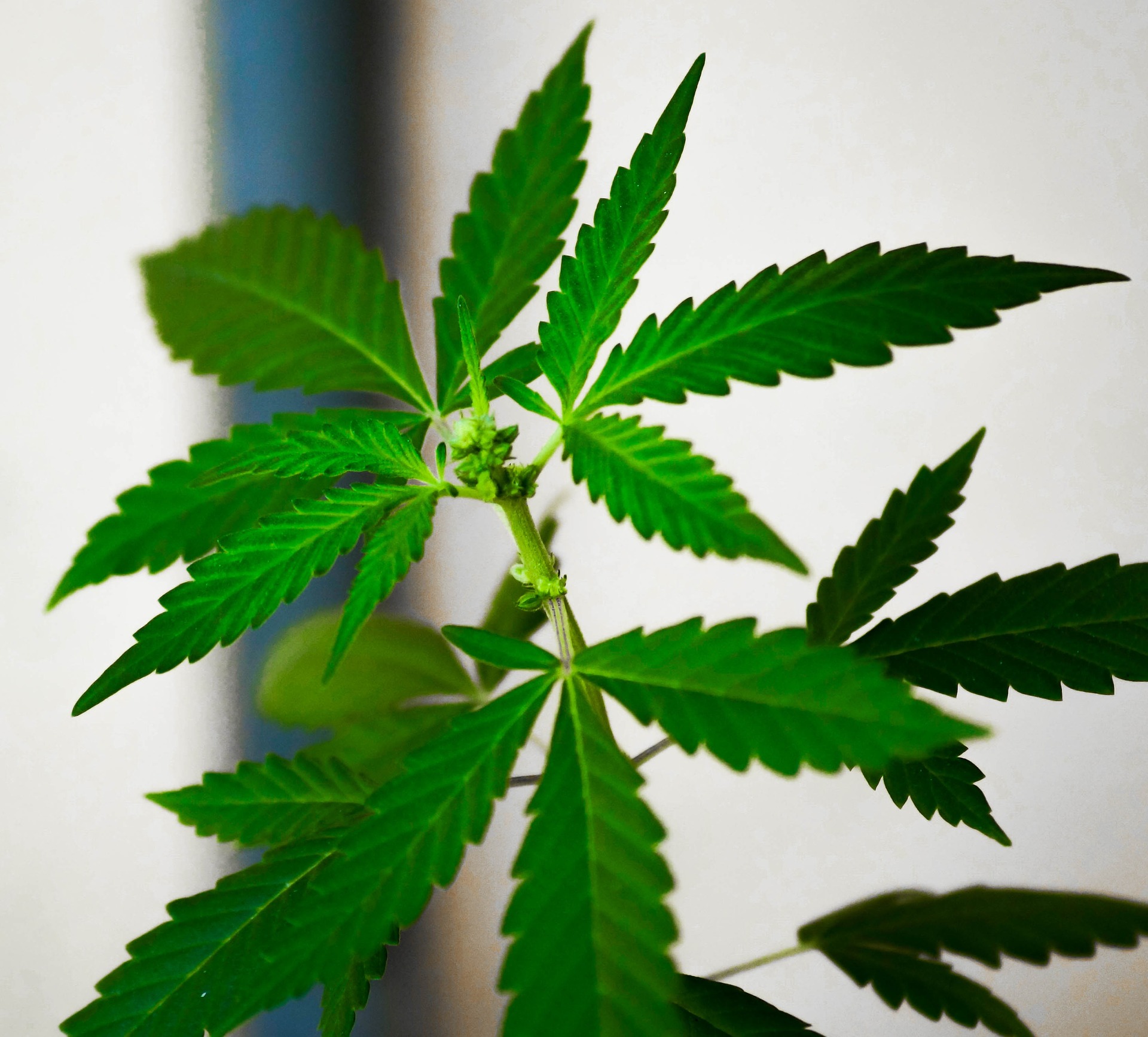
Marijuana
Marijuana is the most common “illicit” drug used in pregnancy. Some health care providers in Colorado, where marijuana is now legal, are seeing more pregnant women who believe that using it is not harmful and might even be beneficial. For example, pregnant women in one survey reported using marijuana to help manage depression or anxiety, help with pain, or ease nausea and vomiting, among other reasons. Without crucial data about exactly how marijuana might be harmful to a pregnancy, some health care providers are hesitant to talk to women about it, even if they know they are using it in pregnancy.

There is little doubt that marijuana can be harmful in pregnancy: THC crosses the placenta and, even in very early pregnancy, can affect the cells that form the baby’s brain. But studies on its effects on overall brain development and pregnancy outcomes have had mixed results so far, and they face challenges such as co-exposures (women using other substances along with marijuana) and, in some cases, relying on self-reporting to know how much of the drug a pregnancy is exposed to (this can skew the data if users do not accurately reveal how much and how often they use.) As researchers forge ahead to provide better answers, the best advice is still to avoid marijuana altogether in pregnancy.

Alcohol
Since those early years, we have discovered that the facial features and developmental delay often seen with FAS are not the only possible effects of prenatal exposure to alcohol. In some children, subtle changes to the brain might not be noticed until the child is older and begins to struggle with learning and behavior problems that can follow them into adulthood. This range of possible effects has been more recently named Fetal Alcohol Spectrum Disorder (FASD). According to Dr. Jones, FASD affects about 2% of babies born in the U.S. each year–more common than autism–despite the fact that it is 100% preventable.

Looking ahead.
The decades ahead require not only continued research, but also increased awareness of what we already know. To that end, each September we observe FASD Awareness Month. MotherToBaby is happy to answer your questions about alcohol and other exposures in pregnancy—in fact, check out our brief YouTube video here. Together, we can continue the work towards the best possible outcomes for future generations.

Lorrie Harris-Sagaribay, MPH is the Coordinator of MotherToBaby North Carolina and a bilingual Teratogen Information Specialist. After working with midwives as a community health educator with the Peace Corps in Honduras, she earned her Master of Public Health at the University of North Carolina at Chapel Hill. She has worked in the field of maternal and child health for over 25 years.

About MotherToBaby

MotherToBaby is a service of the Organization of Teratology Information Specialists (OTIS), suggested resources by many agencies including the Centers for Disease Control and Prevention (CDC). If you have questions about exposures during pregnancy and breastfeeding, please call MotherToBaby toll-FREE at 866-626-6847 or try out MotherToBaby’s new text information service by texting questions to (855) 999-3525. You can also visit MotherToBaby.org to browse a library of fact sheets about dozens of viruses, medications, vaccines, alcohol, diseases, or other exposures during pregnancy and breastfeeding or connect with all of our resources by downloading the new MotherToBaby free app, available on Android and iOS markets.

References:

Bateman BT et al. Patterns of Opioid Utilization in Pregnancy in a Large Cohort of Commercial Insurance Beneficiaries in the United States. Anesthes 2014;120(5):1216-1224.

McQueen K and Murphy-Oikonen J. Neonatal Abstinence Syndrome. N Engl J Med 2016; 375:2468-2479.

Presented at the (joint) Annual Meetings of OTIS (Organization of Teratogen Information Specialists), DNTS (Developmental Neurotoxicology Society), RSA (Research Society on Alcoholism) and the Teratology Society in Denver, Colorado on June 25-27, 2017:

  • From the FAS to OTIS – A Long Strange Trip. Buzz Chernoff, California Environmental Protection Agency (Retired).
  • The Opioid Epidemic and Impact of Prenatal Exposure on Child Development. Lynn Singer, Case Western Reserve University.
  • Project Newborn: What We Have Learned from 20 Years of Research on Prenatal Cocaine Exposure. Sonia Minnes, Case Western Reserve University.
  • Epigenetic Changes Induced by Prenatal Nicotine and Cocaine Exposure. Pradeep Bhide, Florida State University.
  • Effects of Prenatal Nicotine Exposure on Adolescent Dopamine Systems. Frances Leslie, University of California at Irvine School of Medicine.
  • Electronic Cigarette Use in Pregnancy: Patient and Provider Perspectives. Katrina Mark, University of Maryland School of Medicine.
  • Pathways from Prenatal Tobacco Exposure to Electronic Cigarette Use. Natacha M. DeGenna, University of Pittsburgh School of Medicine.
  • Perceptions and Use of Electronic Cigarettes during Pregnancy: Implications for Infant Outcomes. Laura Stroud, Brown Medical School.
  • Pathways from Prenatal Exposures to Tobacco and Cannabis to Adult Electronic Cigarette Use. Natacha De Genna, University of Pittsburgh Medical School.
  • Counseling Women about Prenatal Marijuana Use: Weeding through the Data. Torri D. Metz, University of Colorado-Denver.
  • Introduction: Marijuana and Child Development Symposium. Diana Dow-Edwards, SUNY/Downstate Medical Center.

Ep. 85: Radiation & Breastfeeding: Understanding the Risks and Realities

By Beth Conover, APRN, Beth Kiernan, MPH, and Al Romeo, RN, PhD – MotherToBaby Teratogen Information Specialists

From images of buildings destroyed by high wind to families stranded on roof tops by flooding (and the rising death toll), to say that hurricanes can be devastating would be an understatement. At MotherToBaby, we receive questions from moms and moms-to-be in storm-affected areas regarding the potential exposures they may be experiencing as powerful forces of nature wreak havoc on their homes and communities. We just wanted to let you know – MotherToBaby is here for you, your unborn child and your baby. We can answer your questions about the known facts surrounding these potential natural disaster-related exposures during your pregnancy or while breastfeeding. You can call us toll-free (866-626-6847), text us (855-999-3525), chat with us online or send us an email via MotherToBaby.org. Here are some common questions we’re getting and answers to help provide you with as much information as possible during this difficult time:

I’m pregnant and worried about possible things associated with a hurricane that might harm my baby.

Being pregnant can be a stressful time, without having the additional concerns of a natural disaster like a hurricane! However, remember that many pregnant women have been in similar situations and had normal pregnancy outcomes and healthy babies. There are some common sense things you can do to keep you and your baby safe:

  • Continue to eat nutritious food…even if it is from a can.
  • Drink safe fluids…bottled or boiled water, for example.
  • Rest whenever you can and get the proper amount of sleep.
  • Don’t overdo heavy lifting.

MotherToBaby has a fact sheet on pregnancy during natural disasters: https://mothertobaby.org/fact-sheets/natural-disasters/

I am worried that there might be industrial chemicals released into the air and water after a hurricane. Will this present a risk to my pregnancy?

Local industry may be affected by heavy rain, wind, tornadoes, and flooding from a hurricane. Various chemicals (carbon monoxide, ammonia, chlorine, hydrochloric acid, sulfuric acid) can be released into the air or flood waters from damage to those industrial sites. Local authorities will often notify the public about any chemical spills and explain what the public should do to avoid or reduce exposures (staying indoors, for example). If you think the smell is natural gas, go to a safe area away from the smell and call 911 or the local gas company.

You may want to start taking notes on paper or making some mental notes in case you have questions about how those chemicals might affect your pregnancy or your breastfed baby. Contact your health provider or MotherToBaby and be prepared to answer these questions:

  • The names of the chemicals
  • New or increased symptoms (vomiting, headache, dizziness, etc.)
  • How you came into contact with the chemicals (breathing, touching, in your mouth or eyes, etc.)
  • How long you were in contact with the chemicals

Fortunately, exposures like these are often small enough that they don’t present a risk to the pregnancy. For example, just smelling something may not result in a significant amount being passed to the baby. However, each chemical is different, so be sure to ask about any of your concerns.

I’m worried about whether my drinking water is safe…can I get an infection from it that could harm my pregnancy?

Infections are common after a natural disaster. These can include bacterial infections and parasites from dirty water. Many of these infections are important to treat, and you should contact your obstetrical health provider (Midwife or OB) if you think you have an infection. MotherToBaby has fact sheets on common infections and many medications used to treat them: https://mothertobaby.org/fact-sheets-parent/

All this water is resulting in a lot of mosquitoes! Not only are they unpleasant but can’t they spread infections that may harm my pregnancy? Is insect repellent safe to use in pregnancy?

You are correct that mosquitos can sometimes carry serious infections such as Zika and West Nile disease. MotherToBaby has fact sheets on these diseases and many others: https://mothertobaby.org/fact-sheets/zika-virus-pregnancy/ and https://mothertobaby.org/fact-sheets/west-nile-virus-infection-pregnancy/.

There are also some things you can do to lower your chances of being bitten by a mosquito:

  • Stay indoors with proper screens during peak times of mosquito activity (usually overnight from dusk through dawn)
  • Wear long sleeved shirts and pants when outdoors
  • Consider using insect repellent containing an effective ingredient such as DEET or picaridin. Apply the repellent sparingly to exposed skin and outer clothing, and wash it off when you are back inside and no longer need it. MotherToBaby has a fact sheet on insect repellents at https://mothertobaby.org/fact-sheets/insect-repellents/

I’m just so stressed out by the whole situation! Our home is destroyed and we are staying in a shelter. I’ve heard from my grandmother than stress can harm the baby. Is this true?

Pregnant women often worry that stress can affect the pregnancy and cause miscarriage, premature delivery or low birth weight. Fortunately, most experts agree that moderate levels of stress are unlikely to harm the pregnancy. It’s still best to keep as calm as possible, and try to quit worrying about worrying! It’s normal to feel irritable and out of control, and to be tearful and worried. Stress can make existing medical conditions worse, so it’s important that you take care of yourself even as you are taking care of family members:

  • Pay attention to your blood sugar levels and blood pressure.
  • Do things to relax. Get some exercise, even if it’s just a short walk.
  • Take deep breaths and think positive thoughts about your baby.

If you feel depressed, talk to someone such as your partner, a relative or friend, or a health care provider. If you have been taking medicine for mental health issues, keep taking it unless your doctor tells you to stop. It’s OK to ask for help. Treating depression and anxiety helps your baby. Check out this fact sheet for more information: https://mothertobaby.org/fact-sheets/stress-pregnancy/

The good news is that my home is still standing. The bad news is that the hurricane has caused a real mess in my home! What types of cleaning agents are safe to use while I am pregnant?

First of all, remember that you don’t need to take on everything…you are pregnant after all! Let others do the heavy lifting or handle possibly toxic cleaning chemicals. However, most household cleaning agents are pretty low risk. To help protect yourself and your baby, wear gloves when using cleaning agents and try to keep fresh air moving through your work area (consider a fan and open the windows).

What about mold? Hurricanes involve rain and can cause flooding…and all this water in my house has caused mold in my walls. Will this hurt me or my pregnancy?

After the rain has stopped and flood waters go down, mold may start to grow in damaged homes, cars and businesses. Whether you are young or older, pregnant or not pregnant, mold exposure can make you sick. However, there is no proof that exposure to mold increases risks for birth defects or pregnancy complications. Companies can help with the cleanup, but you can do some on your own if you take the right precautions. MotherToBaby has a fact sheet on mold: https://mothertobaby.org/fact-sheets/mold-pregnancy/

Here’s how to learn about cleaning mold in your home: https://www.epa.gov/mold/mold-cleanup-your-home

If you must live or work in a place where mold is being removed, try to open windows so that your exposure is less to airborne mold spores. If you can sleep somewhere else at night and just return to clean up for a short period each day, that may be best for you.

What if I am breastfeeding my baby? Do I need to worry about exposures or should I use formula?

Breastfeeding is good for you and your baby! It is even more important when there are concerns that the water used to make formula may be contaminated. Be sure to keep yourself well hydrated, and use common sense about your exposures. MotherToBaby has a fact sheet on breastfeeding in a natural disaster: https://mothertobaby.org/fact-sheets/breastfeeding-natural-disaster/

Here is another website to check out:

Centers for Disease Control and Prevention:

https://www.cdc.gov/reproductivehealth/emergency/safety-messages.htm

More about MotherToBaby

MotherToBaby is a service of the Organization of Teratology Information Specialists (OTIS), suggested resources by many agencies including the Centers for Disease Control and Prevention (CDC). If you have questions about exposures resulting from a natural disaster during pregnancy and breastfeeding, please call MotherToBaby toll-FREE at 866-626-6847 or try out MotherToBaby’s new text information service by texting questions to (855) 999-3525. You can also visit MotherToBaby.org to browse a library of fact sheets about dozens of viruses, medications, vaccines, alcohol, diseases, or other exposures during pregnancy and breastfeeding. MotherToBaby has been able to embark on new outreach efforts to reach underserved populations and launch new communication technologies through a cooperative agreement with the U.S. Health Resources and Services Administration, as well as through the generous donations made by the public.