Other Educational Tools

Download Important Resources Today

The educational tools below offer more information about important exposure topics during pregnancy and breastfeeding. Developed in collaboration with partners who are topic experts, these free resources are available for download and sharing. To view or download infographics in your preferred language, click the corresponding button. For additional details about specific exposures, explore our resource hubs, fact sheets, Baby Blog, and the MotherToBaby Podcast.


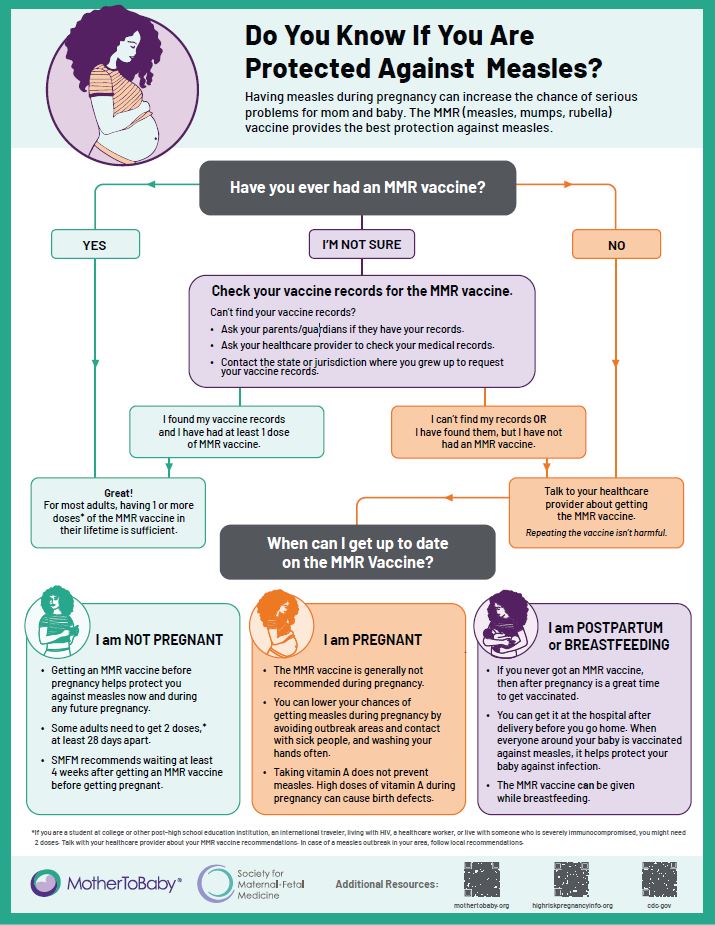
Measles Protection Decision Tree

Please see the Measles Protection decision tree that helps determine if you are protected against measles and suggests next steps for getting vaccinated if needed. This information is provided by MotherToBaby in collaboration with the Society for Maternal-Fetal Medicine.

Visit our additional resources on measles and the MMR vaccine. 


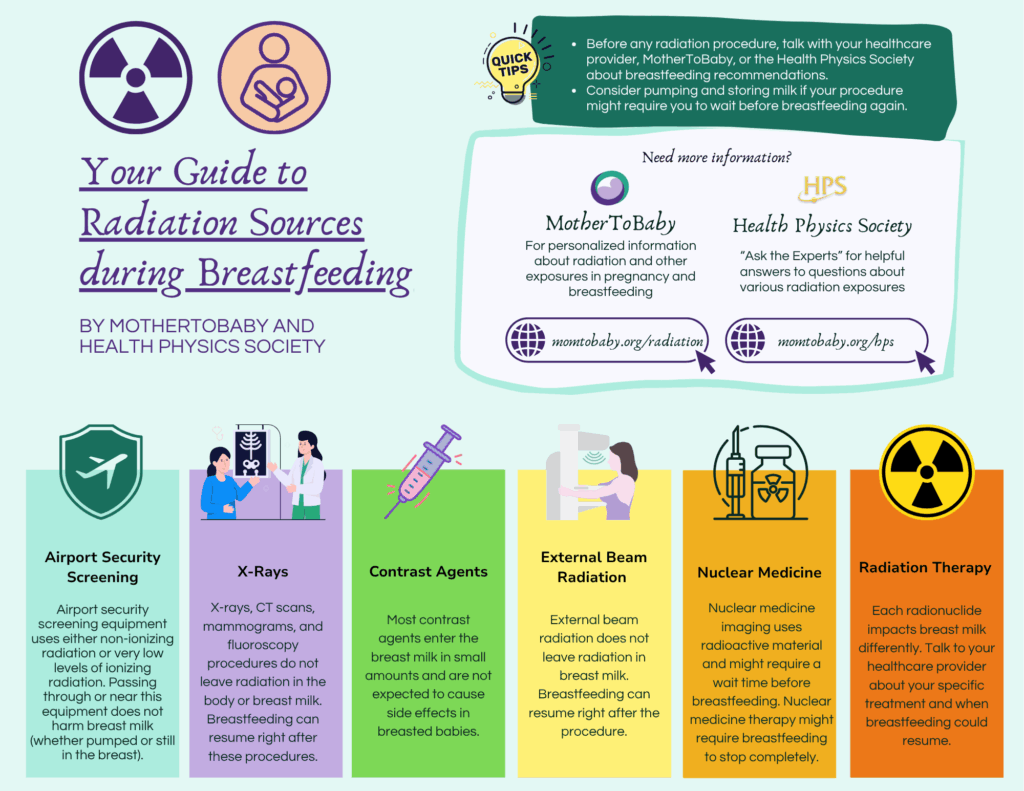
Radiation in Pregnancy and Breastfeeding Infographics

Please see the radiation infographics, developed in collaboration with the Health Physics Society, that describe common sources of radiation exposure. The infographics provide a simple, effective way to communicate a complex topic, and offer clarity about whether or not different sources of radiation might be a concern during pregnancy or while breastfeeding.

Visit our additional resources on radiation during pregnancy and breastfeeding.


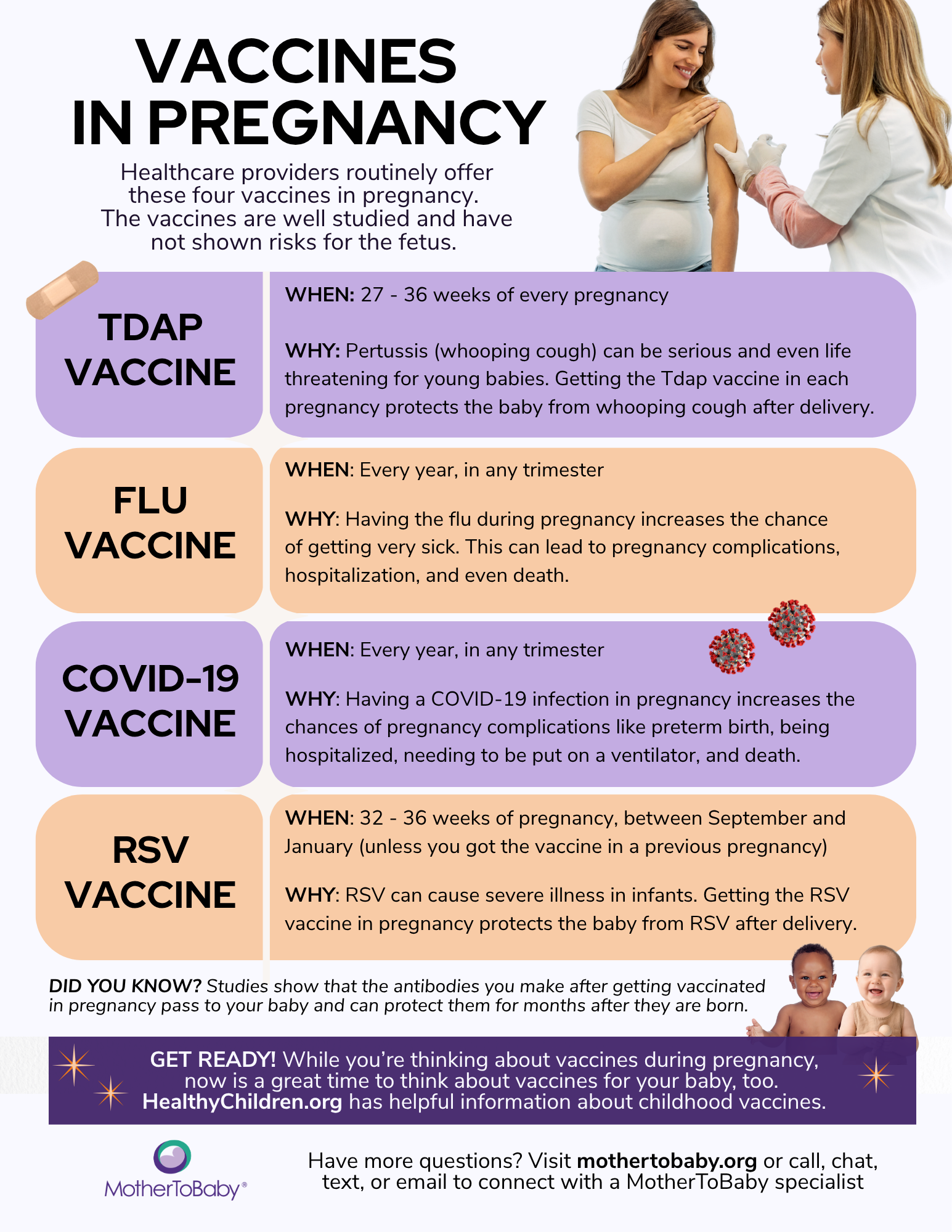
Vaccines In Pregnancy Infographic

Please see the Vaccines in Pregnancy infographic that describes vaccines that are recommended during pregnancy to protect you and your baby from serious illnesses. The infographic provides information in plain language about the risks of respiratory viruses like flu and COVID-19, the benefits of vaccination, and specific timing for when to get the flu shot, COVID-19 vaccine, RSV vaccine, and Tdap vaccine during pregnancy.

Visit our additional resources on vaccines during pregnancy and breastfeeding.


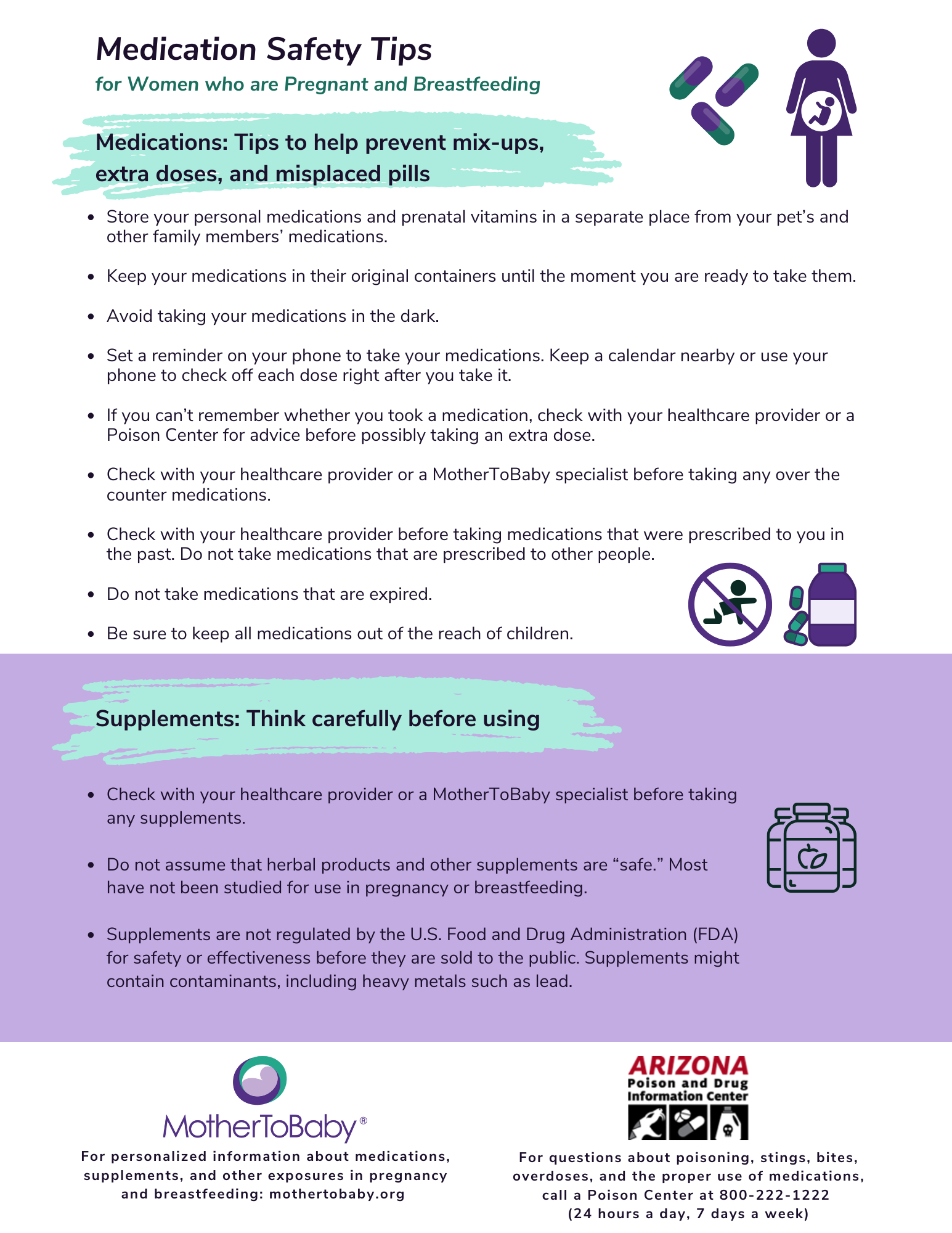
Medication Safety Tips Sheet

Please see the Medication Safety Tips sheet that provides suggestions to help prevent medication mistakes and what to consider before using supplements during pregnancy and while breastfeeding. This information is provided by MotherToBaby in collaboration with the Arizona Poison and Drug Information Center.


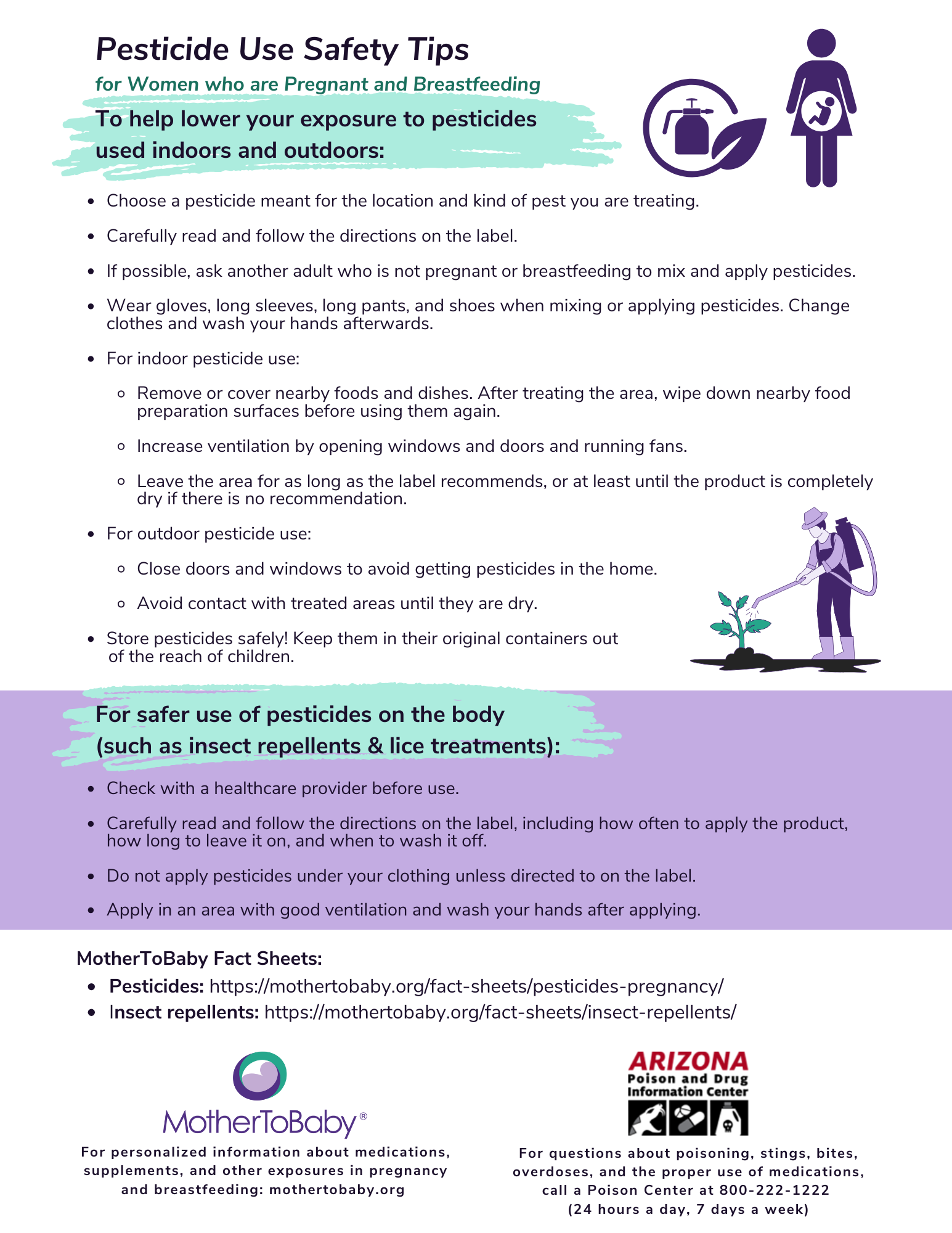
Pesticide Use Safety Tips Sheet

Please see the Pesticide Use Safety Tips sheet that provides suggestions for reducing your exposure to pesticides used indoors and outdoors and tips for safer use of pesticides on the body. This information is provided by MotherToBaby in collaboration with the Arizona Poison and Drug Information Center.


Other Educational Tools

Melissa, pregnant for the first time, live chatted with MotherToBaby through our website: “Hi, I’m 29 weeks pregnant and wondering about vaccines. I have seen so many different things online and I am worried about getting really sick while I’m pregnant. Can you help?”

Melissa is not alone. Many people contact MotherToBaby to find the most up-to-date information about vaccines during pregnancy. Protecting yourself from circulating viruses can also help protect your developing baby. Infections such as influenza, pertussis, rubella, chicken pox, and COVID-19 can cause serious problems in both a pregnant woman and her developing baby. Let’s navigate through the current recommendations.

Plan to Receive Some Vaccines Prior to Pregnancy

You may have heard there are some vaccines, like measles, mumps, and rubella (MMR) and chickenpox (varicella), you should not receive during pregnancy. These “live” vaccines are avoided as they are made from viruses or bacteria that have been weakened, but not killed. Due to the small chance that a live vaccine might cause the disease itself, live vaccines are not routinely given to pregnant women.

So how can you protect yourself and your developing baby from viruses like measles, mumps, rubella (MMR) and chicken pox if it is not recommended (also known as contraindicated) to receive the vaccines during pregnancy? The Centers for Disease Control and Prevention (CDC) consider people who have received one or more doses of MMR vaccine during their lifetime to be protected for life. Adults who never got the MMR vaccine should get at least 1 dose (or 2 doses for some people at higher risk of infection) before pregnancy. Those who have never had chickenpox or received a chickenpox vaccine should get 2 doses of varicella vaccine, at least 4 weeks apart, before pregnancy. If you aren’t sure if you ever got vaccinated for MMR or chickenpox or unsure if you had chickenpox in the past, you can safely receive the necessary live vaccines before that positive pregnancy test! Out of an abundance of caution (small possibility of that infection) it is advised to wait at least one month before becoming pregnant after these vaccines. This is just one reason why it is beneficial to have a pre-pregnancy health checkup and to discuss any future conception plans with your provider!

So, which vaccines should you receive during pregnancy?

CDC recommends all women who are pregnant receive the flu shot and updated COVID-19 vaccine each year, a Tdap (tetanus diphtheria pertussis) vaccine in each pregnancy, and an RSV (respiratory syncytial virus) vaccine (if you have not received one in a previous pregnancy).These vaccines are not live vaccines and have not been associated with an increased chance for birth defects or pregnancy complications. (A nasal spray vaccine is also available against influenza, but it is a live vaccine and not recommended in pregnancy).

Influenza vaccine (flu shot)

The flu shot usually becomes available in September and is offered throughout flu season. CDC recommends getting a flu shot by the end of October despite flu seasons varying in their timing each year. This timing helps protect a pregnant woman before flu activity begins to increase. Protection begins about two weeks after you get the flu shot and lasts at least six to eight months. It is necessary to receive the seasonal flu shot each year to be protected in the current flu season. Getting vaccinated during your pregnancy may also help protect your baby from getting sick during the first 6 months of life! This is especially important because infants less than 6 months of age cannot receive the flu vaccine.

COVID-19 vaccine

It is well known that pregnant women are more likely to get very sick from COVID-19 compared to those who are not pregnant. This is why is so important to receive an updated COVID-19 vaccine every year, any time before or during pregnancy, for the best protection against severe illness. CDC recommends staying up-to-date with COVID-19 vaccines every year: https://www.cdc.gov/covid/vaccines/stay-up-to-date.html.

Tdap vaccine

“I just had a Tdap vaccine a couple years ago – so I don’t need another one, right?” Melissa asked a very common question we receive regarding the Tdap vaccine during pregnancy. Although this vaccine is recommended for adults every 10 years, for women who are pregnant, receiving the shot in the 3rd trimester (specifically 27-36 weeks gestation) can help the baby get as many of the mother’s antibodies as possible. After delivery, these antibodies provide some protection against pertussis, also known as whooping cough (a very contagious respiratory infection), until the baby can receive his/her own dTAP vaccine (starting at 2 months of age). Additionally, if everyone who lives with you and any caregivers get the vaccine, it can lower the chance for the baby to be exposed to pertussis.

RSV vaccine

The RSV vaccine protects both pregnant women and their babies from RSV, a virus that can cause serious breathing problems in babies. CDC recommends a single dose of the Abrysvo® RSV vaccine between 32 and 36 weeks of pregnancy, during the RSV season (September-January). As with the flu and Tdap vaccines, this maternal vaccine helps the pregnant woman create antibodies that can pass to the baby, giving the baby some protection from an RSV infection after birth. By getting this vaccine, pregnant women can help keep their newborns safe from serious health complications. Melissa, being 29 weeks, can now plan an upcoming RSV vaccine appointment!

Pregnant women who receive vaccines can also share their experiences with maternal health researchers, like MotherToBaby. Our studies are published in medical journals and product labels, and can help others like you when navigating vaccine decisions in pregnancy.

There are no Vaccines to Prevent Some Infections

Many people are packing their bags for a getaway during the summer months. If you are considering an upcoming vacation or babymoon, it’s important to protect yourself from viruses and infections with the appropriate vaccines for that area. Where are you headed? Check with your healthcare provider regarding any specific travel vaccines you might need. CDC recommends discussing any travel plans with your provider at least 4-6 weeks before your trip. Contact MotherToBaby to check the information on any vaccines your healthcare provider recommends

Viruses like Zika, malaria, and Oropouche can be spread by mosquitos and biting flies (midges). These infections can increase serious risks in pregnancy. Since there are no vaccines to prevent these infections, the safest approach during pregnancy would be to not travel to areas with any possible level of risk. Should you choose to travel, it’s important to protect yourself using the recommended insect repellents among other ways to help prevent bites while traveling.

Although Melissa didn’t have any trips planned for the rest of her pregnancy, she was happy to know about these other infections she wasn’t even thinking about!

Other Precautions

Although masks are no longer required in most public areas, this is still a great way to reduce the risk for infections while around others!  Good hand washing is also the most simple and effective way to prevent the spreading of germs to keep you healthy.

After chatting with Melissa, she decided to make her appointment for her COVID-19 and Tdap vaccines (you can get them at the same time!) and will go in ASAP when the flu vaccine for this season is available. She felt reassured knowing she had decided to give herself and her developing baby the best protection from these illnesses as possible.  “Thank you for all this info! I just want to make the best choice for me and my baby – I feel so much better.”

Do you have questions about vaccines during pregnancy? Call, chat, text, or email MotherToBaby!

References:

https://mothertobaby.org/fact-sheets/vaccines-pregnancy/

https://mothertobaby.org/pregnancy-studies/

https://www.cdc.gov/vaccines/by-age

https://www.cdc.gov/vaccine-safety/about/pregnancy.html


Other Educational Tools

PBS – As many parents struggle with decisions about whether or not they should vaccinate their children, diseases that were once nearly eradicated in many parts of the world are making a comeback. Why is whooping cough now an epidemic? Measles and mumps are back with a fury as well. NOVA’s “Vaccines- Calling the Shots” gives a historical background about vaccines and the threats the once nearly-extinct diseases are posing in today’s society.

Watch the documentary here:

Many pregnant mothers contact MotherToBaby because they are concerned about the risks of flu vaccination to their unborn child. Studies have shown that prenatal exposure to some vaccines, such as the flu shot, is not associated with negative outcome. In fact, diseases like the flu can carry a much greater risk to the mother and her developing fetus than the vaccine that prevents the infection. It is important for mothers and other adults who come in contact with children to be vaccinated against the flu.

If you have questions about specific vaccines during pregnancy or breastfeeding call MotherToBaby toll-FREE at 866-626-6847. You can also browse our Fact Sheets, which cover several common vaccines and their risks during pregnancy/breastfeeding here.

MotherToBaby is recommended by many agencies including the Centers for Disease Control and Prevention (CDC).


Other Educational Tools

By Beth Conover, APRN, CGC MotherToBaby Nebraska, UNMC

“I am 20 weeks pregnant…when is it safe to get my flu shot?” The texted question came in to the MotherToBaby texting helpline, and the answer that I texted back was simple – “As soon as possible…it’s safe at any time in pregnancy and really important for you and your baby!”

Once we are into influenza (flu) season (November to March), pregnant women are strongly recommended to get immunized (vaccinated), regardless of how far along they are in their pregnancy. Yet many women delay, and in the end only about 50 percent of pregnant women get their flu shot.

The flu can cause severe illness and even death in pregnant and postpartum women. The flu shot contains an inactivated virus that won’t make you or your baby sick. It is the most effective way to prevent the flu or help you have less severe symptoms if you do get the flu. Currently the nasal-spray flu vaccination is NOT recommended for pregnant women because it contains live attenuated (weakened) virus.

As if the benefits to you from the flu shot aren’t enough, here’s another one: getting vaccinated while you are pregnant can protect your baby from getting the flu after birth! This is because the antibodies that you develop when you get the flu shot get passed to your developing baby during pregnancy and help protect your newborn for the first few months of life.

Here’s another common question that I get about vaccines during pregnancy.

“I received my diphtheria/pertussis/tetanus (Tdap) shot last year. Since I am already immune, why do I have to get it again in my third trimester of pregnancy?”

The third trimester Tdap booster is to help your baby, not you. Diseases like pertussis (whooping cough) can cause serious life-threatening illness in newborns. When a pregnant woman gets a Tdap booster in her third trimester, she mounts a strong antibody response which is passed on to her baby and helps protect the newborn until the baby starts a vaccination series at 2 months of age.

Some pregnant women are worried about whether immunizations will harm their baby. The scares about vaccines being associated with problems like autism have been debunked. Most vaccines are safe for pregnant and breastfeeding women. A few, such as the measles, mumps and rubella (MMR) and chicken pox vaccinations, contain live attenuated virus and are best given when you are not pregnant. The benefits of protection against disease strongly outweigh any potential risk. That’s why Birth Defects Prevention Month’s Tip ❸ is a really important one: Become up-to-date with all vaccines, including the flu shot. Better yet…if you are thinking about getting pregnant, it’s an excellent time to speak with your health care provider to make sure you are current on all of your recommended vaccinations. Remember, a healthy mother is more likely to have a healthy baby!

Are you interested in learning more about vaccinations in pregnancy or while breastfeeding?

Visit the Mother to Baby website and read all of our vaccine-related fact sheets. There is a general fact sheet on all vaccines, and then specific fact sheets on the influenza vaccine and Tdap vaccine (of course!) but also many others like the Measles, Mumps, and Rubella (MMR), HPV, hepatitis A, and chicken pox vaccinations.

Beth Conover, APRN, CGC, is a genetic counselor and pediatric nurse practitioner. She established the Nebraska Teratogen Information Service in 1986, also known as MotherToBaby Nebraska. She was also a founding board member of the Organization of Teratology Information Specialists (OTIS). In her clinical practice, Beth sees patients in General Genetics Clinic, Prenatal Clinic, and the Fetal Alcohol Syndrome Clinic at the University of Nebraska Medical Center. Beth has provided consultation to the FDA and CDC.

About MotherToBaby

MotherToBabyis a service of the Organization of Teratology Information Specialists (OTIS), suggested resources by many agencies including the Centers for Disease Control and Prevention (CDC). If you have questions about exposures during pregnancy and breastfeeding, please call MotherToBaby toll-FREE at 866-626-6847 or try out MotherToBaby’s new text information service by texting questions to (855) 999-3525. You can also visit MotherToBaby.org to browse a library of fact sheets about dozens of viruses, medications, vaccines, alcohol, diseases, or other exposures during pregnancy and breastfeeding or connect with all of our resources by downloading the new MotherToBaby free app, available on Android and iOS markets.


Other Educational Tools

By Debra Goniwicha, MSW, MotherToBaby Georgia

I have spent a significant portion of my career working in hospitals. Shortly after learning I was pregnant with my first child, I received a notice that I may have been exposed to an airborne illness while I was at work in the hospital Emergency Room. The notice advised me to report to occupational health for further testing. I flipped out! I was scared to death that my exposure would cause harm to my baby. I was mad at the world for exposing my baby to potential harm and I was mad at myself for not being more aware of the contagious illnesses that I was surrounded by on a daily basis. But mostly, I was terrified.

An airborne infection is an illness spread by little drops of liquid (germs) that float through the air. Airborne illness occurs when someone who is infected coughs or sneezes sending the germs into the air, exposing individuals nearby to potential illness from breathing in the infection or touching surfaces where the drops land. Tuberculosis, chicken pox, and measles are all types of airborne infections. Since February happens to be International Prenatal Infection Prevention Month, I thought it would be a great time to discuss how to best avoid airborne infections in pregnancy.

So back to my own airborne illness exposure… there I was on my way down to occupational health. I was, of course, creating several devastating scenarios in my head. The logical part of my brain was recalling this was absolutely NOT the first time that I had received notice that I had been exposed to something contagious and that while every exposure notice made me worry a bit, I’d get tested, the results were fine, and I’d go on with my life. But this time I was pregnant, and it wasn’t just my life that I was worried about. It was the life and health of my much wanted, growing baby. I was fully aware how dangerous infections could be in pregnancy. I had witnessed infants in the neonatal intensive care that were born to mothers with untreated infections.

Arriving at occupational health, I was directed to a room by a nurse and immediately started sobbing. I hadn’t yet told my boss or coworkers that I was pregnant. I was superstitious, it was my first pregnancy, and I believed that you were not supposed to tell people the news until you were 12 weeks pregnant. As I stammered out why I was there, an amazing nurse (who I remember to this day) handed me tissues and gave me the best reassurance and education possible about airborne infections during pregnancy.

The nurse reminded me that I was regularly doing many things to prevent airborne infection. These include:

Handwashing – Because of working in healthcare I am very knowledgeable about the fine art of handwashing. Hands need to be wet, then apply soap and rub your hands together for 20 seconds (quick tip: singing Happy Birthday while rubbing your hands together will equal 20 seconds!). Rinse your hands and dry with paper towel.

Immunizations – Remaining current on vaccinations can go a long way to preventing an infection from an airborne illness. Examples include vaccinations to protect from the seasonal flu, the measles, pertussis (whooping cough), and bacterial meningitis. Thankfully, I was current on all my vaccinations. After this incident, I also reminded my family members to make sure they were current on their immunizations as well. Since I was pregnant, I really did not want anybody near me bringing home infections to share!

Droplet Precautions – This refers to avoiding droplets that might come from an infected person’s coughing or sneezing. Working in a hospital has taught me many things. One of them is to stand back and to the side when someone is coughing. This helps to minimize direct contact of flying particles. Also, be very aware of what you touch. Touching surfaces and then touching your eyes, nose or mouth increases contact with droplets that may contain infection. Wearing a mask over your mouth and nose also can reduce exposure to airborne droplets that contain germs.

Getting Tested and, if needed, Treatment – Most important, after learning I had been exposed, I was getting tested for infection. If the tests were positive, I could be treated before the baby was born, decreasing the risk of passing the infection to my developing baby.

I was immensely relieved when my test results were clear and showed no signs of infection. By using good common sense and following some standard precautions, I have been able to avoid any serious viral or bacterial infections. Being pregnant changed my view of the world, and it also sharpened my awareness of working safely in a hospital. I have now survived three pregnancies while working in a hospital and have three happy, healthy, and rambunctious boys.

Debra-Goniwicha2

Debra Goniwicha, MSW is the Program Coordinator for MotherToBaby’s Georgia affiliate. She has a Master’s Degree in Social Work from Wayne State University in Detroit and has worked as a medical social worker for 18 years. Debra has specialized in maternal/fetal medical social work since 2003. She has also worked as a licensed clinical social worker, counseling women with mental health issues. Debra enjoys working directly with women during pregnancy and postpartum, helping interpret medical information and providing support so they can make informed choices.

MotherToBaby is a service of the international Organization of Teratology Information Specialists (OTIS), a suggested resource by many agencies including the Centers for Disease Control and Prevention (CDC). If you have questions about viruses, alcohol, medications, vaccines, diseases, or other exposures, call MotherToBaby toll-FREE at 866-626-6847 or try out MotherToBaby’s new text counseling service by texting questions to (855) 999-3525. You can also visit MotherToBaby.org to browse a library of fact sheets, email an expert or chat live.