MotherToBaby California

About MotherToBaby California

Confidential information about medications and other exposures in pregnancy and breastfeeding is just one click away – contact our experts by phone, email or chat!

MotherToBaby California is a trusted source of evidence-based information on the safety of medications and other exposures during pregnancy and while breastfeeding. We specialize in answering questions about the safety/risk of exposures, such as medications, vaccines, chemicals, herbal products, substances of abuse, maternal health conditions and much more, during pregnancy or breastfeeding. Our bilingual information service (English and Spanish) is available by chat, phone, and email at no cost to moms, health professional, and the public.

MotherToBaby California specialists answer questions for California residents. Generous funds provided by the Health Resources and Services Administration (HRSA) also allow us to assist residents of Alaska, Hawaii, Idaho, Montana, Nevada, Oregon, Washington, and the US Territories of American Samoa, Guam, the Northern Mariana Islands, Puerto Rico, and the US Virgin Islands. 

MotherToBaby California is housed at the University of California San Diego’s Center for Better Beginnings, located in the Department of Pediatrics. Our goal is to improve the health of all moms and babies!


Contact Us

Ask an Expert

Phone | 866.626.6847 toll free
Chat | Click the Live Chat window in the bottom corner of your screen
Email | Send an email using our online form

Join Our Newsletter | Sign up for our newsletter to stay current on the latest information on exposures during pregnancy and breastfeeding.


Administrative Inquiries
Kelly Kao
858.246.1740
kkao@health.ucsd.edu

Media Requests
858.246.1740
betterbeginnings@health.ucsd.edu

Connect on Social Media


Meet Our Team

Christina D. Chambers, PhD, MPH, Program Director

Christina D. Chambers, PhD, MPH is the Program Director of MotherToBaby California. She is a world-renowned perinatal epidemiologist at the Center for Better Beginnings and a Professor of Pediatrics and Family and Preventive Medicine at the University of California San Diego. Her interests are in the areas of birth defects and other pregnancy outcomes, with a special focus on exposures that can cause birth defects (known as “teratogens”). Dr. Chambers has a very active research program on (1) the prevention of alcohol-related birth defects and (2) the safety in pregnancy of several medications and vaccines.
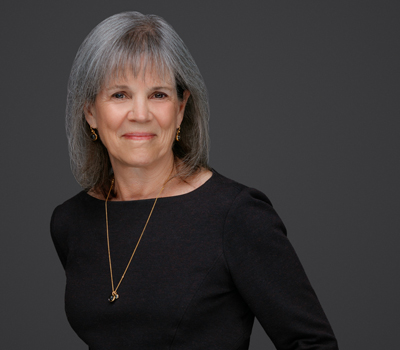
Kenneth Lyons Jones, MD, Medical Director

Kenneth Lyons Jones, MD, is the Medical Director of MotherToBaby California. He is a pediatrician specializing in the area of genetics and dysmorphology (the study of birth defects). Dr. Jones is Chief of the Division of Dysmorphology and Teratology and Distinguished Professor of Pediatrics at the University of California San Diego. He is well-known in the field of birth defects, and is considered the father of Fetal Alcohol Syndrome (FAS) as he was one of two doctors at the University of Washington who first identified FAS in the United States in 1973. He has authored over 400 publications in scientific journals and is the author of Smith’s Recognizable Patterns of Human Malformation, the esteemed medical reference book on both environmental and genetically caused birth defects.

Kelly Kao, Program Manager

Kelly Kao is the Program Manager at MotherToBaby California. She has been with MotherToBaby California since 1993. She obtained her Bachelor’s degree in Sociology at the University of California, San Diego with minors in Biology and Spanish Literature. She became interested in prenatal environmental exposures that cause birth defects and long-term developmental effects when she took a Sociology of Law course that examined the death penalty case of a man who was diagnosed with Fetal Alcohol Syndrome (FAS). She actively demonstrates her dedication to educating the community about prenatal environmental exposures through her outreach activities, lectures, and research projects.
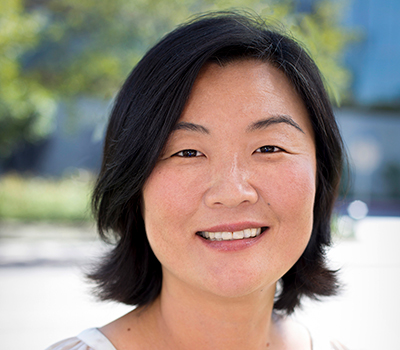
Sonia Alvarado, Teratogen Information Specialist, Bilingual – Spanish/English

Sonia Alvarado is a bilingual (Spanish/English) information specialist with MotherToBaby California. Along with answering women’s and health professionals’ questions regarding exposures during pregnancy and breastfeeding via phone, email, and live chat, she provides educational talks in the community regarding pregnancy health and supports the activities to promote MotherToBaby’s services. In addition, Sonia has authored several MotherToBaby Blogs and has translated content into Spanish. She has also served in leadership and member roles for several OTIS Committees, including the Education Committee, Abstract Committee and Marketing and Website Committees.
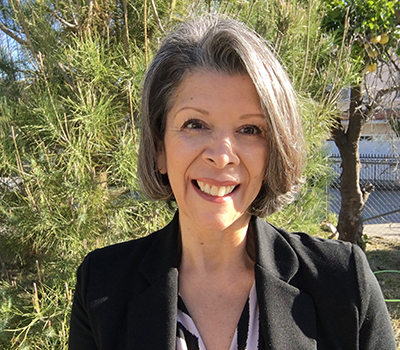
Robert Felix, Senior Teratogen Information Specialist

Robert Felix is a senior information specialist based at MotherToBaby California. He also serves as Stakeholder Liaison for the OTIS National Office, where he cultivates new partnerships with healthcare providers/administrators and a number of national programs for under-served populations. He attends and participates at national conferences such as the Association of Maternal & Child Health Programs (AMCHP), National Healthy Start, National WIC, Postpartum Support International, Primary Care Association and March of Dimes to strengthen OTIS’ community engagement. Robert has also served as President, Secretary, and Member-At-Large of OTIS’s Board of Directors.
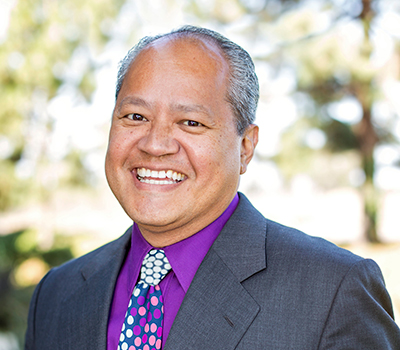
Angela Messer, Teratogen Information Specialist

Angela Messer, MA, is an information specialist with MotherToBaby California. She earned her undergraduate degree in psychology from Chapman University and her graduate degree from Kansas State University in academic advising/counseling. Angela has been with MotherToBaby since 2009, with experience in both research and counseling. She appreciates the opportunity to speak with pregnant and breastfeeding women and healthcare professionals regarding exposures and medications, and holds a special interest in stress and anxiety in pregnancy and breastfeeding.
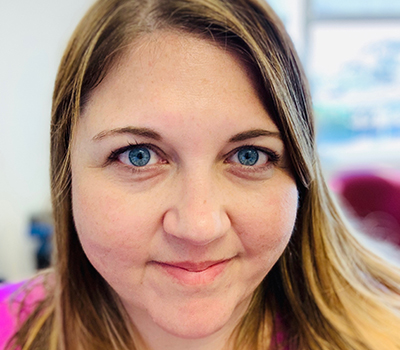
Kirstie Perrotta, Teratogen Information Specialist

Kirstie Perrotta, MPH, is an information specialist at MotherToBaby California, where she provides counseling by phone and chat. She received her Masters in Public Health (MPH) from the University of San Francisco, and has worked in the field of reproductive health for over 8 years. Kirstie currently serves as a member of the MotherToBaby Zika Task Force and also provides leadership around our COVID-19 response. Her interests include vaccines, infectious disease, and mental health during pregnancy.

Get Patient Education Materials & Provider Resources

We offer free patient education materials and provider resources about our information service and pregnancy studies. Request our printed tools for more informed decisions about exposures during pregnancy and breastfeeding.


Education & Training Opportunities

MotherToBaby California specialists are available to give educational talks to the general public and to employees of health service organizations, WIC clinics, or other programs on the topic of exposures during pregnancy and breastfeeding or on MotherToBaby’s services and research studies.

We also provides opportunities for volunteers and internships for undergraduate and graduate students. These include anyone interested in working in pregnancy or a related health sciences field including those studying pharmacology, public health, social work, genetic counseling, and more.

To learn more about training or education opportunities, please contact Kelly Kao at kkao@health.ucsd.edu.


Connect with Our Local Partners

211 San Diego

211 San Diego’s mission is to serve as a nexus to bring the community (organizations) together to help people efficiently access appropriate services, and provide vital data and trend information for proactive community planning.
Visit Website

American Academy of Pediatrics California Chapter 3

The American Academy of Pediatrics is an international organization with headquarters in Elk Grove Village, Illinois. In the United States there are 10 geographical areas designated as districts, which represent one or more states. California’s Chapter 3 includes Imperial and San Diego counties.
Visit Website

California Black Infant Health Program

The Black Infant Health Program uses a group-based approach with complementary client-centered one-on-one case management to help women develop life skills, learn strategies for reducing stress, and build social support. BIH clients participate in weekly group sessions (10 prenatal and 10 postpartum) designed to help them access their own strengths and set health-promoting goals for themselves and their babies. The BIH Program is located in 15 local health jurisdictions where more than three quarters of African-American live births occur in California.
Visit Website

California WIC Association

California WIC Association provides nutrition, free supplemental foods, and nutrition information to low-income women, infants, and children up to the age of 5.
Visit Website

Comprehensive Perinatal Services Program

The Comprehensive Perinatal Services Program (CPSP) provides a wide range of culturally competent services to Medi-Cal pregnant women, from conception through 60 days postpartum. In addition to standard obstetric services, women receive enhanced services in the areas of nutrition, psychosocial and health education.
Visit Website

Live Well San Diego

Live Well San Diego involves partner organizations in all sectors – from government, to business, to schools, to faith-based and community organizations – through a shared purpose.  Working together allows for planning and implementation of innovative and creative projects to bring the Live Well San Diego’s vision of a region that is Building Better Health, Living Safely and Thriving to life.
Visit Website

March of Dimes

The mission of the March of Dimes is to improve the health of babies by preventing birth defects, premature birth and infant mortality. The March of Dimes provides information and resources on pregnancy and infant health to pregnant women and perinatal health professionals. The March of Dimes supports research aimed at preventing birth defects, premature birth and infant mortality.
Visit Website

March of Dimes California Chamber Program Services Committee

The State Program Services Committee (SPSC) leads the development and implementation of the March of Dimes California Chapter’s strategic program plan for our mission activities. The SPSC also identifies perinatal needs and evidence-based interventions to improve the health outcomes for moms and babies in California. The SPSC maximizes the impact and visibility of the chapter in our communities, participates in the review and approval of March of Dimes community grants, and assists in monitoring and allocating the program budget.

Visit Website

Mother’s Nutritional Center

Mother’s Nutritional Center (MNC) specializes in eWIC shopping geared towards a fast & easy grocery shopping experience. If you’re new to eWIC, it can be confusing & frustrating. They do most of the shopping for you and help you get what you need behind the counter, which limits mistakes in locating & picking the approved products. MNC is located throughout Southern California and is committed to bringing families healthy & nutritious food. 
Visit Website

Planned Parenthood

Planned Parenthood provides clinical services, sexual health education, advocacy, information, and resources to millions of women, men, and young people worldwide.

Visit Website

TrueCare

TrueCare is a non-profit community health center that offers adult medicine, pediatrics, behavioral health, chiropractic, dental, WIC, and application assistance services. Our mission is to improve the health status of our diverse communities by providing quality healthcare that is comprehensive, affordable, and culturally sensitive. TrueCare also host bi-monthly drive-thru food distributions in Oceanside and San Marcos. No registration is required for the food distributions and it is free to the community. For more information on all services offered, including food resources, please call (760) 736 – 6767 or visit truecare.org.

Visit Website

Ask Our Experts

Call, text, chat, or email for a free personalized risk assessment on exposures in pregnancy and breastfeeding.



MotherToBaby California

By Elizabeth Salas, MPH, Teratology Information Specialist, MotherToBaby California

“Do women really eat their placenta after delivery?” I was asked many years ago when a coworker mentioned a famous celebrity had talked about it during an interview. I had never heard of the practice before. As I await the birth of my first child, I got to thinking about this question again. I mean, the placenta-eating crowd has really created some demand over the last couple of years! Today, you can easily find services that will encapsulate your placenta, countless articles on the web, and even websites that offer placenta recipes. What’s next? Seeing it on a menu? Imagine hearing at your favorite dine, “I’d like a burger, fries and a placenta pop, please!” Bottom line, women are talking about it, asking about it, and yes, eating their placenta.1

The human placenta is an amazing organ, but what exactly does it do?

The placenta is a temporary organ that develops during pregnancy to connect mom and her developing baby. The placenta provides oxygen and nutrients, removes substances or waste that could be harmful, and protects the baby from mom’s immune system.2 The placenta also produces hormones that play an important role in pregnancy and the baby’s development.3 When there are problems with the placenta, this can cause serious complications for mom and baby. Furthermore, as our knowledge of the placenta continues to grow, research suggests that problems with the placenta may give us clues or even cause future disease in mom or baby.4

What do we know about placentophagy?

The term placentophagy refers to the consumption of the placenta. Among mammal species, animals commonly eat raw placenta immediately after the delivery of their offspring. It has been theorized that animals instinctively consume the placenta for its nutritional benefit to the mother animal, or to prevent predators from being attracted to the location of their newly born offspring.5 Human placentophagy however, does not consist of eating the raw placenta immediately after delivery. Typically the placenta is processed and consumed in small quantities in the weeks or months after delivery. Some cultures practice consumption of the placenta, but according to studies of cultures around the world this is a rare practice.6

Are there benefits to consuming the placenta after delivery?

Supporters of placenta consumption point to several possible benefits for mom. Iron is an essential element needed by our bodies for blood production.7 When a woman delivers, it is normal to expect some blood loss. Since the placenta is rich in iron, consuming placenta may replace some of the iron lost during birth. The placenta also produces a substance called placental opioid-enhancing factor (POEF) which may aid in pain relief after delivery. Placenta consumption has also been suggested to improve milk production and decrease the chance of postpartum depression. The placenta contains a hormone called placental lactogen which can stimulate milk production. It also contains the hormones progesterone and corticotropin-releasing hormone (CRH). Women with low levels of these hormones may be more likely to develop postpartum depression. Therefore, it is thought that consuming placenta containing these hormones could possibly decrease the risk of depression.8

While the practice of consuming placenta has gained popularity and the possible benefits may be worth investigating, the practice is mainly supported by individual cases or personal stories. Well controlled studies have not been conducted to investigate the safety of placentophagy or its efficacy in aiding with pain management, milk production, or reducing postpartum depression.9 Most of the studies published on placentophagy have focused on surveying both men and women regarding the practice and their attitudes towards it.

Have any concerns been raised regarding placenta consumption?

There is currently no regulation of the processing or consumption of human placenta. If the placenta is prepared by an outside party, how can a new mom be assured of sanitary practices and handling? How does she know she has received her own placenta back? Since the placenta is a blood product and tissue, there are concerns that consumption can transmit infectious diseases. There is also a possibility of contamination that may occur in the hospital or during the process of storage, preservation, or preparation.8

Some commentators suggest that due to the processing of the placenta which may include preservation, cooking, drying, or freezing of the tissue, there would be little or no nutritional health benefits. Individuals or companies that process the placenta may add herbal products which consumers should be aware of in case there is a sensitivity or allergy to these products. Some have also suggested that because the placenta acts as a filter of some environmental toxins, eating the placenta could expose mom to higher levels of harmful substances. Finally healthcare providers have also expressed concerns that women experiencing postpartum depression may not seek help or may refuse treatment with medications proven to be effective because they are self-treating at home with placenta.9

What can I do if I’m concerned about postpartum depression or milk production?

If you are concerned about developing postpartum depression or think you may be experiencing symptoms, contact your doctor right away. Postpartum depression has serious consequences for both mom and baby, but help is available and symptoms should never be ignored. To learn more about Depression During and After Pregnancy, check out the following fact sheet: http://www.womenshealth.gov/publications/our-publications/fact-sheet/depression-pregnancy.pdf

You can also learn more by visiting the following links:

http://www.postpartum.net/learn-more/pregnancy-postpartum-mental-health/

https://www.womenshealth.gov/mental-health/illnesses/postpartum-depression.html#pubs

If you have recently delivered or are getting close to delivery, and have concerns about producing enough milk, talk to your pediatrician, a lactation consultant, or attend a breastfeeding support group. Making small modifications during breastfeeding can make a big difference. To learn more about solutions to common challenges that come up when breastfeeding visit the following womenshealth.gov page: http://www.womenshealth.gov/breastfeeding/common-breastfeeding-challenges.html

For more information on breastfeeding support, information, and resources visit the following links: http://www.womenshealth.gov/breastfeeding/finding-breastfeeding-support.html

http://www.womenshealth.gov/breastfeeding/breastfeeding-resources.html

Is it safe to breast feed while consuming placenta?

No studies have been published to accurately evaluate safety of consuming placenta during breastfeeding. Among the things a mom consumes in her diet or the medications she takes, some substances pass more easily into breast milk and can reach the breastfed infant. Because every woman’s placenta is slightly different, some placentas may contain substances that others do not or they may contain very different levels of a particular substance compared to another placenta. Without testing individual placentas, it would be difficult to evaluate how they differ and how safe mom’s consumption might be for babies who are breastfed.

Where can I get more information about the safety of exposures during breastfeeding?

MotherToBaby experts are ready to answer all of your questions on exposures during breastfeeding. We also answer questions about exposures in pregnancy for women who are currently pregnant or planning a pregnancy, as well as their healthcare providers. You can speak with a MotherToBaby counselor through our free and confidential service. Call us toll free at (866) 626-6847.

Elizabeth Salas, MPH is the Lead Teratology Information Specialist for MotherToBaby California, a non-profit that provides information to healthcare providers and the general public about medications and more during pregnancy and breastfeeding. She is based at the University of California, San Diego, and is passionate about the work MotherToBaby is doing to promote healthy moms, healthy pregnancies and healthy babies.

MotherToBaby is a service of the international Organization of Teratology Information Specialists (OTIS), a suggested resource by many agencies including the Centers for Disease Control and Prevention (CDC). If you have questions about medications, vaccines, diseases, or other exposures, call MotherToBaby toll-FREE at 866-626-6847 or call the Pregnancy Studies team directly at 877-311-8972. You can also visit MotherToBaby.org to browse a library of fact sheets, as well as pregnancy studies.

References:

  1. Storrs, C. (2015, June 5). Eating Placenta: Trendy, but benefits are fuzzy. CNN.com. Retrieved from http://www.cnn.com/2015/06/04/health/eating-placenta/
  2. Donnelly L, Campling G. Functions of the placenta. Anesthesia and Intensive Care Medicine. 2011 March; 12 (3):111-5.
  3. Hsiao EY, Patterson PH. Placental regulation of maternal-fetal interactions and brain development. Developmental Neurobiology. 2012 Oct; 72(10):1317-26.
  4. Barker DJ, Thornburg KL. Placental programming of chronic diseases, cancer and lifespan: a review. Placenta. 2013 Oct; 34(10):841-5.
  5. Odent, M. Placentophagy. Midwifery Today With International Midwife. 2014 Spring; (109):17-8.
  6. Cremers GE, Low KG. Attitudes toward placentophagy: a brief report. Health Care Women Int. 2014 Feb; 35(2):113-9.
  7. Regents of the University of California. (2002-2015). Hemoglobin and Functions of Iron. UCSF Medical Center, Conditions and Treatments, Patient Education. Retrieved from http://www.ucsfhealth.org/education/hemoglobin_and_functions_of_iron/
  8. Schwartz S. Maternal placentophagy as an alternative medicinal practice in the postpartum period. Midwifery Today With International Midwife. 2014 Summer; (110):28-9.
  9. Coyle CW, Hulse KE, Wisner KL, Driscoll KE, Clark CT. Placentopagy: therapeutic miracle or myth? Archives of Women’s Mental Health. 2015 Jun 4. [Epub ahead of print] PubMed PMID: 26043976.

MotherToBaby California

If you are researching prenatal vitamins, we are guessing that you might be considering a pregnancy, or you just found out that you are pregnant. How exciting! We’re also guessing that you have some questions. Pregnancy does that to a woman: it makes us start questioning the safety of everything that we used to take for granted. At MotherToBaby, we answer many types of questions about exposures during pregnancy and breastfeeding. But hands down, the most common question I’m asked about involves prenatal vitamins.
Many women ask me what brand of prenatal vitamins they should take or if the brand they are currently using is the right choice. With so many different prenatal vitamins available over-the-counter and by prescription, this is a very good question. We applaud you for doing your research. You are going to be a great Mom.

Prenatal Vitamin Tips

Before delving too much further, some basic tips. The 1st tip: We recommend that you discuss your prenatal vitamin options with your healthcare provider, since she or he will know you and your health care needs the best. As mentioned, this will review prenatal vitamins for healthy women. Some women may have medical concerns that require a different nutrient intake.

The 2nd tip that I always mention is that it may be easier and cheaper (depending on your healthcare insurance plan) to simply ask for a prescription for prenatal vitamins from your healthcare provider.

3rd tip: Do not buy a prenatal vitamin that contains herbal ingredients. Herbal products have not been well studied for use during pregnancy and breastfeeding. They are not regulated by the U.S. Food and Drug Administration (FDA) and there are no standard recommended amounts to take. In addition, purity of herbals found in over-the-counter products can be of concern. For more information on why herbals should be avoided, please see our MotherToBaby fact sheet on Herbal Products.
Prenatal vitamins are made up of vitamins and minerals. A healthy diet is the best way to get the vitamins and minerals that your body needs. But even if we eat a healthy diet, we might fall short on some nutrients during pregnancy. Prenatal vitamins help fill in the gaps and increased needs for vitamins and minerals during a pregnancy.

There are Dietary Reference Intakes (DRI) to help people know how much of each vitamin or mineral they should aim to get each day.

Some vitamins and minerals also have a recommended Tolerable Upper Intake Level (UL). The UL is designed to help us know the maximum recommended daily intake for a typical healthy person.

DRIs and ULs are there to help guide us in getting enough of a good thing but also to keep us from getting too much of a good thing.

As mentioned, vitamins should not be the only source of our nutrients. Therefore, your vitamin does not need to contain 100% of the DRI. Remember to take into account all sources of the vitamin or mineral when adding up your daily intake. This means including food sources as well as any other supplements you might take. DRI values can change by age, gender, and pregnancy and breastfeeding status. If you have a medical condition, talk to your healthcare providers/dieticians for your specific dietary needs.

Research on taking vitamins and mineral supplements at levels that are higher than the DRI and UL during pregnancy are limited. Because of the lack of information about taking high levels of vitamins and minerals in a pregnancy, it is generally recommended that pregnant women do not exceed the DRI unless your healthcare provider has prescribed it for the medical management of a specific deficiency or medical condition.

Now, we come to the main question: What are the basic vitamins / minerals generally suggested for prenatal vitamins for healthy women, and how much of each vitamin and mineral do women need for pregnancy?

Vitamins and Minerals

For pregnant women 19 years old and older, the first 5 vitamins/minerals listed below are the basic supplements from which healthy pregnant women might benefit. The DRI and UL for pregnancy are listed. Not all items have an UL.

  • Iron: DRI: 27 mg. UL: 45 mg.
  • Calcium: DRI: 1,000mg. UL: 2,500mg.Supplements should have at least 250 mg, but all women should be getting at least 1,000 mg per day of elemental calcium.
  • Folic Acid (Folate): DRI: 600 mcg (0.6 mg) to 800 mcg (0.8 mg).At least 400 mcg (0.4 mg) should be in your prenatal vitamin.
  • All women who could become pregnant should be getting enough folic acid / folate, even if they are not currently planning on a pregnancy.
  • Iodine: DRI: 220 mcg to 290 mcg. UL: 1,100 mcg.At least 150 mcg should be in your prenatal vitamin.
  • Vitamin D (calciferol): DRI: at least 15 mcg (600 IU). UL 100 mcg (4,000 IU).

In addition to the above suggested supplements for prenatal vitamins, pregnant women should make sure they are getting enough of the vitamins / minerals listed below. If they cannot manage this with diet, then a supplement might help.

  • Vitamin A: DRI 770 mcg. UL 3,000 mcg.
    • Vitamin A is found in two primary forms: plant-based carotenes (beta-carotene) and animal-based retinoids (retinol, retinal, retinoic acid, retinyl palmitate, and retinyl acetate).
    • Look for vitamin A that is from beta-carotene. Beta-carotene is less likely to build up toxic levels in the body than with retinoids. In addition, high levels of retinoids (retinol, retinal, retinoic acid, retinyl palmitate, and retinyl acetate) have been linked to an increased chance for birth defects.
  • B Vitamins
    • There are eight B vitamins:
  1. Vitamin B1 / thiamine: DRI: 1.4 mg
  2. Vitamin B2 / riboflavin: DRI: 1.4 mg
  3. Vitamin B3 / niacin: DRI: 18 mg
  4. Vitamin B5 / pantothenic acid: 6 mg
  5. Vitamin B6 / pyridoxine: DRI 1.9 mg
  6. Vitamin B7 / biotin: DRI: 30 mcg
  7. Vitamin B9 / folic acid (already mentioned above)
  8. Vitamin B12 / cobalamin: DRI: 2.6 mcg
  • These are a group of water-soluble vitamins, which means that your body will not store them. Therefore, it would be unlikely to reach a toxic level in the body. If you and your healthcare provider feel that you are unable to meet your DRI of the B vitamins through diet, then you should look for a prenatal vitamin that includes them. All prenatal vitamins should include at least folic acid (Vitamin B9), which I mentioned earlier as an essential vitamin for pregnancy.
  • DHA/ Omega-3 Fatty Acids: There is no clearly defined DRI, but in 2000 it was suggested that pregnant women should aim for 300 mg/day. The best way to get these is to include fish in your diet. MotherToBaby has a blog on eating fish in pregnancy. The FDA also has a guide on which fish are the best options to eat in pregnancy by breaking the fish into categories of Best Choices, Good Choices, and Choices to Avoid. The guide can be found here. However, if you do not get enough in your diet, your healthcare provider might suggest including a supplement for DHA during your pregnancy.
  • Vitamin E: DRI: 15 mg. UL: 1,000 mg.
  • Vitamin C: DRI: 85 mg. UL: 2,000 mg
  • Zinc: DRI. 11 mg. UL: 40 mg.

It is recommended to start taking prenatal vitamins before you try to become pregnant; at a minimum, take folic acid daily. If you are already pregnant, start as soon as you learn about your pregnancy.

Again, if you have a medical condition (including but not limited to diabetes, celiac disease, eating disorders, substance misuse, malabsorption, irritable bowel, inflammable bowel, or history of bariatric surgery), talk with your healthcare providers about your specific nutritional needs.

Now that you are an expert in reading your prenatal vitamin label, you can tackle (with the advice of your health provider) selecting the one that is best for you. MotherToBaby is always available to answer questions about all exposures during pregnancy and breastfeeding. Pregnancy will bring wonder-filled moments for you and your family. MotherToBaby is here to help you and your healthcare providers to make it as stress-free as possible with up-to-date information on medications and more.
Selected References:

  • ACOG Nutrition During Pregnancy FAQ001. 2018.
  • ACOG Committee on Obstetric Practice. ACOG Committee Opinion No. 495: Vitamin D: Screening and supplementation during pregnancy. Obstet Gynecol 2011; 118:197. Reaffirmed 2019.
  • Becker DV, et al. 2006. Iodine supplementation for pregnancy and lactation—United States and Canada: recommendations of the American Thyroid Association. Thyroid; 16:949–951.
  • 2018. National Report on Biochemical Indicators of Diet and Nutrition in the U.S. Population. Center for Disease Control and Prevention.
  • Council on Environmental Health. 2014. Iodine deficiency, pollutant chemicals, and the thyroid: new information on an old problem. Pediatrics 133: 1163-1166.
  • 2005. Dietary Supplement Labeling Guide: Appendix C.Food and Drug Administration.
  • Glinoer D. 2007. The importance of iodine nutrition during pregnancy. Publ Health Nutr; 10:1542–1546.
  • Institute of Medicine (US) Food and Nutrition Board. 1998. Dietary Reference Intakes: A Risk Assessment Model for Establishing Upper Intake Levels for Nutrients. Washington (DC): National Academies Press (US).
  • Natural Medicines Database. Available at naturalmedicines.com
  • NIH: Nutrient Recommendations: Dietary Reference Intakes (DRI).
  • Obican SG, et al. 2012. Teratology public affairs committee position paper: Iodine deficiency in pregnancy. Birth Defects Res A Clin Mol Teratol; 94(9):677-82.
  • Segal K, et al. 2018. Recommending Prenatal Vitamins: A Pharmacist’s Guide.
  • The National Academies of Sciences, Engineering, and Medicine. Dietary Reference Intakes Tables and Application.
  • Trumbo P, et al. 2001. Dietary reference intakes: vitamin A, vitamin K, arsenic, boron, chromium, copper, iodine, iron, manganese, molybdenum, nickel, silicon, vanadium, and zinc. J Am Diet Assoc 101:294-301.

MotherToBaby California

MotherToBaby Pregnant Women

Better Info about Pregnancy
Health Starts with You

MotherToBaby Pregnancy Women Intro Block

What is MotherToBaby Pregnancy Studies?

MotherToBaby Pregnancy Studies is a research program seeking to understand how certain medications, vaccines, or health conditions may affect pregnancy. Our research will help women who are pregnant and/or breastfeeding and health providers understand what may be safe and what should be avoided in pregnancy. All of our studies are observational: we will never ask someone to take or change any aspect of their current health routine.

How Our Studies Work

MotherToBaby Computer Icon

Parent-To-Be Enrolls in Study 

MotherToBaby File Icon

We Gather Info about the Pregnancy 

MotherToBaby Insights Icon

Discoveries & Insights Gained 

What’s Involved?

Participants complete 1-3 phone interviews during pregnancy and at least 1 interview after delivery. Women are also asked to release the medical records for their pregnancy and for their baby. We use these records to capture information about a person’s health as the pregnancy progresses and the health of their baby after delivery. After baby is born, we follow the health of the baby for a period of time to collect information about their growth and development. Finally, some studies offer an in-home or telemedicine pediatric exam and/or neurodevelopmental assessments that can also provide insight into the child’s development.


Join a Study

If you are pregnant, you could potentially have a very important role to play in MotherToBaby Pregnancy Studies regardless of whether you’ve taken a medication or vaccine we’re studying or whether you have a health condition. Opportunities to join a study are available to residents of the United States, the U.S. territories, and Canada. Your participation can make a difference for future parents and babies!

Join a Study Pregnant Woman


Why Us?

MotherToBaby Pregnancy Studies has over 20 years of experience observing women who are pregnant and birth outcomes. Our studies are strongly designed so we can gather the information needed to determine if a particular medication or vaccine has any effect on pregnancy or a baby’s development.

What are the Benefits of Participating?

Women who participate in our studies have access to our specialists to answer any questions they might have about exposures during pregnancy and breastfeeding. Certain studies offer a free in-home infant exam by one of our pediatric specialists, and others may offer assessments of your child’s development. The exams and developmental assessments may offer you reassurance about your child’s growth and could offer important information to discuss with your pediatrician. The results of our studies are published in medical journals and included in medication labels, and can be used by health providers, you, and others like you when navigating treatment decisions in pregnancy. Finally, our participants also have the satisfaction and pride that comes from helping improve the health of future parents and babies.
Why Is It Important to Participate?

Many women may have to take a medication or get a vaccine to manage their health while they are pregnant. Everyone deserves to have information about the safety of the product when used during pregnancy, and we can only gather that information if we have a diverse group of women who are pregnant who participate in our studies. All of our studies are observational: we will never ask a participant to take or change any aspect of their current healthcare routine. We simply observe their pregnancy and their baby for a period of time after birth.

Some women may ask: “But I’m not taking the medication or getting the vaccine you’re studying – so why should I participate?” Individuals who have not taken the drug of interest are critically important to our studies because they can serve in our comparison groups. In most of our studies, we enroll women into two different comparison groups: a group that has the underlying health condition and a second group of women without an underlying health condition. We can then compare the pregnancies of people in the comparison groups to the pregnancies of people exposed to the medication/vaccine of interest; this helps us determine if the medication/vaccine increases risks compared to unexposed pregnancies. If we didn’t have women participating in these comparison groups, we could never be sure if our findings were actually due to the medication/vaccine exposure itself.

Overview Video: What is MotherToBaby Pregnancy Studies?

Watch this quick two-minute video to learn about our MotherToBaby Pregnancy Studies research program that is seeking to understand how certain medications, vaccines, or health conditions may affect pregnancy.


MotherToBaby Questions Block

Questions?

We have answers! We’re open Monday – Thursday from 7am-7pm Pacific and Friday 7am-6pm Pacific, excluding public holidays. To connect with our research team, please contact us at

Phone | 877.311.8972
Email | mothertobaby@health.ucsd.edu

You can also visit our Frequently Asked Questions to learn more about participating in our studies.


Connect with Us on Your Pregnancy Journey

Follow us on social media.

You can also stay in touch by subscribing to our e-news.

MotherToBaby Contact Block


MotherToBaby Share Block

Share with a Friend or Provider

Tell a friend or your health provider all about us, and invite them to learn more about MotherToBaby’s services, resources, and research.


Pregnancy Due Date Calculator

Find out your estimated due date by entering the first day of your last menstrual period and your average cycle length. Did You Know? Only 1 in 20 babies are born on their actual due date. A normal pregnancy often lasts between 38 to 42 weeks, which keeps most parents guessing right up until labor starts!

Join a Study

Women who are pregnant and/or breastfeeding deserve better information about medication safety – and you can help by participating in a study.


MotherToBaby California

The Professional Scientific Society Behind MotherToBaby

Our History

The Organization of Teratology Information Specialists (OTIS) is the professional scientific society made up of the experts that provide the MotherToBaby service and the researchers that conduct MotherToBaby Pregnancy Studies. OTIS was established in 1987 as a way of connecting world-renowned experts in the field of birth defects research to the general public. OTIS was incorporated in April 1999 as a non-profit organization. In 2002, OTIS established a national call routing system so that anyone in the United States and Canada calling the toll-free number would be routed to an affiliated service to speak with an expert. In 2013, OTIS announced MotherToBaby, a name for its public-facing service and research studies. For over 30 years, our experts have provided the most cutting-edge and up-to-date information about the risks of environmental exposures during pregnancy and while breastfeeding.

Our Vision

OTIS and its information service, MotherToBaby, will be the world’s leading source of evidence-based information on exposures during pregnancy and breastfeeding.
OTIS Mission Statement

  • The Organization of Teratology Information Specialists (OTIS) is a professional organization comprised of experts engaged in assessing and evaluating risks to pregnancy and breastfeeding outcomes from medications and other exposures.
  • OTIS members support and contribute to worldwide initiatives for teratology education, research, and promotion of parental, infant and child health and development.
  • MotherToBaby, the public information service of OTIS, is dedicated to providing effectively communicating evidence-based information to parents, health professionals, and the general public about medications and other exposures during pregnancy and breastfeeding.
OTIS | Organization of Teratology Information Specialists

Our Core Values

The Organization of Teratology Information Specialists is committed to:

  • Enabling informed decision making by effectively communicating accurate, up-to-date information about the effects of exposures during pregnancy or while breastfeeding.
  • Reducing preventable birth defects and other adverse outcomes through education.
  • Facilitating ongoing professional development through sustained communication and collaboration among OTIS membership, MotherToBaby services and our partners.
  • Contributing to research about human teratology.

Learn more about OTIS Membership and the benefits of joining our organization.


Our Leadership

OTIS is governed by a board of directors, an elected body consisting of a president, president elect, immediate past president, secretary, treasurer, and three members-at-large. OTIS has an executive director who manages the OTIS National Office located in Brentwood, Tennessee. OTIS also has several working committees including education, research, website, abstract, public affairs, meeting planning, elections, and membership.


2025 Board of Directors | The Organization of Teratology Information Specialists

President | Lorrie Harris Sagaribay, MPH

Lorrie Harris-Sagaribay is the Program Coordinator and Lead Information Specialist at MotherToBaby North Carolina. She provides exposure counseling in English and Spanish by phone, email, and online chat, as well as conducting outreach and providing professional education and guest lectures on teratology. She currently serves on the OTIS Board of Directors and co-chairs the MotherToBaby Emerging Issues Task Force. After serving with the Peace Corps in Honduras, Lorrie earned her Masters of Public Health from the University of North Carolina at Chapel Hill with a concentration in maternal and child health. She enjoys helping people make informed decisions about medications and other exposures during pregnancy and breastfeeding.
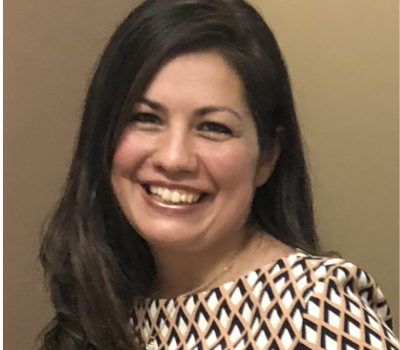
President-Elect | Nevena Krstić, MS, CGC

Nevena is a board certified genetic counselor and an assistant professor at the University of South Florida (USF), division of Maternal Fetal Medicine and serves as the Program and Research Coordinator at MotherToBaby Florida. In addition to providing counseling as an information specialist at MTB Florida and USF Exposures Clinic, she provides prenatal and preconception genetic counseling in various clinics across the Tampa Bay area. She provides both clinical supervision and coursework instruction for students form the USF Genetic Counseling Program. Nevena earned her MS in Genetic Counseling from the University of Texas Health Science Center in Houston in 2012.

Past President | Alfred Romeo, BA, BSN, RN, PhD

Dr. Romeo works at the Utah Department of Health with MotherToBaby Utah’s Pregnancy Risk Line as an information specialist. His experiences include working as a nurse in newborn intensive care; teaching college health education classes; training medical homes in improving services for children with special health care needs; training young adults with disabilities in leadership and advocacy; and helping families learn about child development. He has served as OTIS Secretary and as Chair of various OTIS committees.

Alfred Romeo

Treasurer | Lauren Kozlowski, MPH

Lauren is the treasurer and Co-Chair for MotherToBaby’s Education Committee and Fundraising Committee. She graduated from Boston University with both a Masters of Social Work and a Masters of Public Health. Lauren is also in the certification process to become a birth and postpartum doula. She has experience working with families in both an educational setting as well as in housing and health, allowing her to recognize the multiple factors contributing to the ability of families to thrive. She enjoys living in Atlanta and exploring what the city has to offer. 

Secretary | Myla Ashfaq, MS, CGC

Myla is a certified genetic counselor and clinical instructor in the Department of Pediatrics, Division of Genetics at the University of Texas Medical School. In addition to being an information specialist for MotherToBaby TexasTIPS, she provides genetic counseling to families of pediatric patients at the Shriners Hospitals for Children in Houston. She is involved in facilitating courses and supervising students from the University of Texas Genetic Counseling Training Program. Myla graduated from Ohio Wesleyan University with a BA in Genetics and received her MS in Human Genetics and Genetic Counseling from Stanford University.

Member-at-Large | Sura Alwan, PhD

Sura Alwan is a PhD geneticist and clinical teratologist in the Department of Medical Genetics at the University of British Columbia. She is the Founder and Executive Director of the PEAR-Net Society, a non-profit dedicated to advancing research, education, and advocacy on pregnancy exposures and fetal development. She also co-directs TERIS – The Teratogen Information System, an online database that helps healthcare providers assess the risks of medications and environmental exposures during pregnancy. Sura’s work is grounded in the belief that scientific evidence should inform—not alarm—pregnant individuals and the professionals who support them, and she advocates for clear, balanced guidance on prenatal exposures rooted in both scientific integrity and compassion.

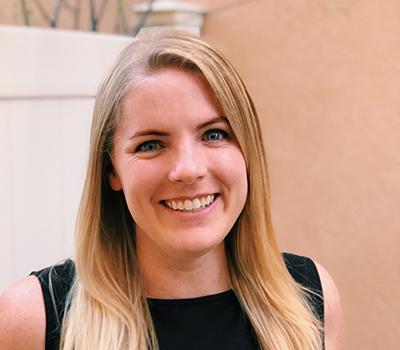
Member-at-Large | Kirstie Perrotta, MPH

Kirstie Perrotta is an information specialist at MotherToBaby California, where she provides counseling by phone and chat. She received her Masters in Public Health (MPH) from the University of San Francisco, and has worked in the field of reproductive health for over 9 years. Kirstie currently serves as a member of the MotherToBaby Emerging Issues Task Force (EITF), which provides leadership around our COVID-19 response. Her interests include vaccines, infectious disease, and mental health during pregnancy.

Kirstie Perrotta, MPH

Member-at-Large | Ginger Nichols, MS, CGC


OTIS Committees | 2025

We are thankful for our many volunteers who make OTIS the amazing organization it is! Without these individuals, we would not be able to accomplish all we do. For those who are volunteers, we hope you find fulfillment in giving of your time and expertise for the good of OTIS. If you’d like to volunteer, please read below to explore the list of current committees and if there is one that you would like to join or learn more, please reach out to contactus@mothertobaby.org. Whatever reason prompts you to volunteer, we thank you!

Abstract Committee

Chair:
Mara Gaudette

Duties:
The Abstract Committee evaluates all abstracts submitted for poster and platform presentation at the OTIS annual meeting and selects abstracts to be presented. The abstract selection process is held each year in the Spring before the annual meeting in June.

Education Committee

Co-Chairs:
Sura Alwan
Gretchen Bandoli

Duties:
The Education Committee is responsible for selecting topics and speakers for webinars throughout the year and the Lunchbox Session at the Annual Meeting. They also coordinate and send out a quarterly Research Newsletter.

Fundraising Committee

Co-Chairs:
Lauren Kozlowski
Beth Kiernan

Duties:
The Fundraising Committee works to identify and pursue avenues which will help to financially support the work of OTIS/MotherToBaby.

Meeting Planning Committee

Co-Chairs:
Sura Alwan
Claire Coles

Duties:
The Meeting Planning Committee will be named in the Spring of each year, for the following year’s meeting. The Executive Director serves as Chair of the Meeting Planning Committee, and will be responsible for coordinating the planning activities, providing continuity and procedural support, and working with the other members of the committee on the meeting program. Additional members of the committee will include but not be limited to OTIS representatives who may be located near the meeting site. The Meeting Planning Committee will also have responsibility for soliciting meeting sponsorships and may designate meeting planning committee members to pursue these sponsorships.

Marketing/Website Committee

Co-Chairs:
Lori Wolfe
Ashleigh Blomfield Villarba

Marketing Duties:
The Marketing Committee works to actively market and promote OTIS to target audiences and potential partners.

Website Duties:
The Website Committee is responsible for reviewing all new updates or additions to the OTIS website and approving these before submission to the webmaster for uploading. The Website Committee also reviews the content, appearance, functionality, and appeal of the website and recommending upgrades or revisions to the Board of Directors. The Website Committee will also monitor web activity through the webmaster and provide statistics on number of hits with the semi-annual committee report.  The Website Committee will also monitor and approve listserv requests and monitor and respond to emails sent to webmaster@mothertobaby.org.

Membership Committee

Co-Chairs:
Myla Ashfaq
Reka Muller

Duties:
The Membership Committee maintains criteria for OTIS individual membership and participation in the OTIS National Routing System for TIS. The Membership Committee facilitates communication between individual TIS and OTIS as an organization.

Nominations Committee

Chair:
Al Romeo

Duties:
The Nominations Committee is responsible each Fall for soliciting nominations for positions that will become vacant on the Board of Directors for the upcoming year. Nominations of suitable candidates are submitted for a vote to the membership in the Spring of the year of the election. The Elections Committee calls for the vote, receives and qualifies ballots, and announces results to the Board of Directors and the membership.

Public Affairs Committee

Co-Chairs:
Joan Garey 

Duties:
The Public Affairs Committee is responsible for selecting public health or current event topics that are of relevance to the mission of OTIS, and outlining the committee’s stance or recommendations on these topics either through published position papers, or other media. The Public Affairs Committee may also encourage or support research projects or other activities that address these public health concerns.

Research Committee

Co-Chairs:
Robert Felix
Debra Kennedy

Duties:
The Research Committee is responsible for searching for and proposing funded research opportunities and providing input for research opportunities as subject matter experts. They will also collaborate to write position papers when deemed appropriate.

The Research Committee organizes and conducts two annual meetings for the Research Committee and Research Coordinators, one during the annual scientific meeting in June, and one freestanding meeting in January.

Lactation Research Committee:
The Lactation Research committee is another subcommittee of the Research Committee that was formed from volunteers at the Mid-Year Research Team meeting on January 27, 2008. The subcommittee is charged with the responsibility to develop a framework for conducting and/or collaborating in lactation studies.


Our Funding

OTIS receives funding from a number of different sources including:

  • Membership Dues
  • Donations from both private individuals and from companies and businesses. If you are interested in making a donation, visit our Donate page.
  • Grants: OTIS applies for and has received grants from government sources. We are currently supported by the Health Resources and Services Administration (HRSA) of the U.S. Department of Health and Human Services (HHS) under grant number UG4MC27861, “Reproductive and Environmental Health Network” (total award amount $6,000,000 over five years; 28% financed with nongovernmental sources). The information or content and conclusions contained on this website are those of MotherToBaby and should not be construed as the official position or policy of, nor should any endorsements be inferred by HRSA, HHS or the U.S. Government.
  • MotherToBaby Pregnancy Studies. OTIS conducts pregnancy registries for pharmaceutical companies and other research organizations.

MotherToBaby affiliates are generally individually funded at the state or provincial level.

OTIS Membership

Become a leader in birth defects prevention by joining our professional scientific society.

Annual Meeting

Stay up-to-date on the latest scientific advancements in teratology and risk counseling.

Member Log-In

Log-in to our Members portal to manage your membership and get important information.