
BOOSTRIX Vaccine in Pregnancy Study Flyer
Working with Pharma on Pregnancy Exposure Registries to Advance Drug Safety Information
MotherToBaby is the nation’s leading authority and most trusted source of evidence-based information on the benefit and risk of medications and other exposures during pregnancy and lactation. Our research division, MotherToBaby Pregnancy Studies, has been working with pharmaceutical companies to fulfill FDA-mandated post-marketing requirements for pregnancy exposure registries for over 20 years. MotherToBaby Pregnancy Studies are Phase 4 clinical trials that are conducted by the non-profit Organization of Teratology Information Specialists (OTIS) and coordinated at UC San Diego’s School of Medicine at the Center for Better Beginnings.
Our experience and excellence at conducting these pregnancy exposure registries is evidenced by the number of our studies listed on the U.S. Food and Drug Administration’s (FDA) pregnancy exposure registry website. We are currently conducting 16 sponsored pregnancy exposure registries that meet post-marketing commitments or requirements for the FDA and/or the European Medicines Agency.
Our Leadership
Christina Chambers, PhD, MPH, a world-renowned perinatal epidemiologist at UC San Diego and expert on the study of medication and vaccine exposures in pregnancy, leads our MotherToBaby Pregnancy Studies. She is a recipient of numerous funded awards from agencies such as the National Institutes of Health (NIH), Centers for Disease Control and Prevention, the FDA, and the National Vaccine Program Office. Her research over the last 20 years has focused on environmental causes of birth defects, including prenatal exposures to medications, and other adverse pregnancy outcomes and childhood disabilities. She has led a number of NIH- and industry-funded complex longitudinal cohort studies involving people who are pregnant and children.
This research has been instrumental in identifying previously unrecognized human teratogens, as well as ruling out substantial risk for other medications and vaccines. This work has not only contributed to product labelling but has also led to changes in clinical practice. You can view Dr. Chambers’ extensive publication history here.
For MotherToBaby Pregnancy Studies, Dr. Chambers has assembled and works closely with an established team of collaborating investigators who have expertise in fields such as dysmorphology, neurodevelopmental toxicology, and biostatistics; each lends their expertise to study design, analysis, and interpretation.

Our Infrastructure
Our extensive experience in the study of birth defects and other adverse pregnancy outcomes is an invaluable resource for pharmaceutical companies who need to fulfill an FDA post-marketing commitment for a pregnancy exposure registry. We offer an existing study infrastructure on which to build your post-marketing surveillance study, with expertise in protocol development, participant recruitment, pre- and postnatal data collection methodologies, adverse event reporting, and statistical analysis. Our pregnancy exposure registry study team consists of a call center staffed with trained screeners and interviewers, a data management team including medical record abstractors and validators, experienced psychometrists, a team of database programmers and statisticians, and administrative support staff. All of our studies are reviewed and approved by the Institutional Review Board operated by the UC San Diego Human Research Protections Program, which oversees ethical, regulatory, and policy concerns in human subjects research.
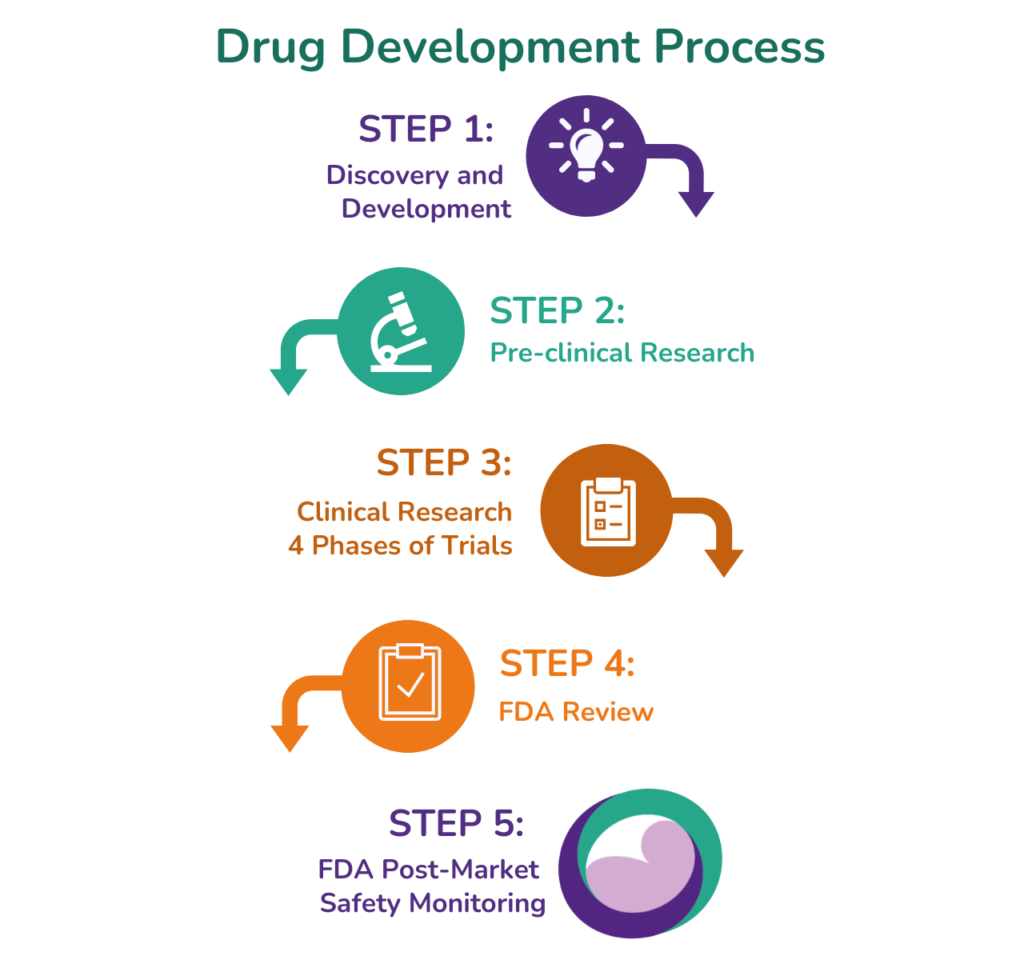
Our Design
We can offer you the power of a rigorously designed Phase 4 clinical cohort study that includes exposed, disease control (where applicable), and non-exposed pregnancies. We have an established protocol for marketing and recruitment of eligible pregnancies across the United States and Canada, including a partnership with MotherToBaby’s teratogen information services to receive referrals. We have standardized methods for data collection, review of obstetric and pediatric medical records, and SAE reporting. We also have a team of expert pediatricians who conduct blinded physical examinations of live-born children to evaluate them for major and minor malformations. We also offer you the opportunity to evaluate short- and long-term pediatric outcomes via parent-completed questionnaires and face-to-face standardized developmental testing.
Our study managers provide interim reports to comply with your FDA reporting requirements, and we also establish and coordinate an independent Advisory Board comprised of relevant experts who review and advise on study progress. At study conclusion, we provide you with a final study report for submission to the FDA. Our team also publishes study findings periodically during the course of a study to bring awareness and disseminate findings among the scientific and healthcare community.
Our Clients
We have completed or are in the process of conducting pregnancy exposure registries for the following pharmaceutical companies to fulfill their phase 4 clinical trial post-marketing commitments:
AbbVie
AbbVie is a pharmaceutical company that manufactures adalimumab (Humira®), a tumor necrosis factor (TNF) blocker indicated for treatment of moderately to severely active rheumatoid arthritis and moderately to severely active Crohn’s disease (among other conditions). MotherToBaby Pregnancy Studies completed the Humira® & Pregnancy Study as an independent research entity to monitor the outcomes of females who take this medication during pregnancy. Read our findings.
Amgen
Amgen is the biotechnology company that produces evolocumab (Repatha®), a PCSK9 (proprotein convertase subtilisin kexin type 9) inhibitor antibody indicated for the treatment of atherosclerotic cardiovascular disease (ASVCD) and familial hypercholesterolemia (FH). Amgen also manufactures etanercept (Enbrel®), a tumor necrosis factor (TNF) blocker indicated for the treatment of: rheumatoid arthritis polyarticular juvenile idiopathic arthritis, psoriatic arthritis, ankylosing spondylitis, and plaque psoriasis. Amgen also acquired from Celgene apremilast (Otezla®), an inhibitor of phosphodiesterase 4 (PDE4) that is indicated for the treatment of moderate-to-severe plaque psoriasis and active psoriatic arthritis. MotherToBaby Pregnancy Studies coordinates the Repatha® & Pregnancy Study, the Enbrel® & Pregnancy Study, and the Otezla® & Pregnancy Study as an independent research entity to monitor the outcomes of females who take these medications during pregnancy.
AstraZeneca
AstraZeneca is a biopharmaceutical business that produces benralizumab (Fasenra™), an interleukin-5 receptor alpha-directed cytolytic monoclonal antibody (IgG1, kappa) indicated for the add-on maintenance treatment of patients with severe asthma aged 12 years and older, and with an eosinophilic phenotype. MotherToBaby Pregnancy Studies conducts the Fasenra™ & Pregnancy Study as an independent research entity to monitor the outcomes of females who take this medication during pregnancy.
GSK
GSK is the pharmaceutical manufacturer of mepolizumab (Nucala®), an interleukin-5 (IL-5) antagonist monoclonal antibody (IgG1 kappa) indicated as an add-on maintenance treatment for patients with severe asthma aged 6 years and older, and with an eosinophilic phenotype. MotherToBaby Pregnancy Studies leads the Nucala® & Pregnancy Study as an independent research entity to monitor the outcomes of females who take this medication during pregnancy.
Leflunomide Consortium
Leflunomide is a pyrimidine synthesis inhibitor belonging to the disease-modifying antirheumatic drug (DMARD) class. It is indicated for the treatment of adult moderate-to-severe rheumatoid arthritis, and was originally marketed under the brand name Arava®. Pharmaceutical companies manufacturing generics of leflunomide participate in a consortium to monitor the effects of this these products when used in pregnancy. MotherToBaby Pregnancy Studies runs the Leflunomide & Pregnancy Study as an independent research entity to monitor the outcomes of females who take this medication during pregnancy.
Janssen
Janssen is a Johnson & Johnson pharmaceutical company that produces guselkumab (Tremfya®), an interleukin-23 blocker indicated for the treatment of adult patients with moderate-to-severe plaque psoriasis. Janssen also manufactures ustekinumab (Stelara®), a human interleukin-12 and -23 antagonist indicated for the treatment of moderate-to-severe plaque psoriasis, active psoriatic arthritis, moderate-to-severely active Crohn’s Disease, and moderate-to-severely active ulcerative colitis. MotherToBaby Pregnancy Studies is carrying out the Tremfya® & Pregnancy Study as well as the Stelara® & Pregnancy Study as an independent research entity to monitor the outcomes of females who take these medications during pregnancy.
Pfizer
Pfizer is a biopharmaceutical company that produces the prescription medication tofacitinib (Xeljanz®), a Janus kinase (JAK) inhibitor indicated for the treatment of moderately to severely active rheumatoid arthritis, active psoriatic arthritis, or moderately to severely active ulcerative colitis. With BioNTech, Pfizer also developed and produces an mRNA vaccine to prevent COVID-19 infection. MotherToBaby Pregnancy Studies coordinates both the Xeljanz® & Pregnancy Study and the Pfizer-BioNTech COVID-19 Vaccine & Pregnancy Study as an independent research entity to monitor the outcomes of individuals who take Xeljanz® or receive the Pfizer-BioNTech vaccine during pregnancy.
Regeneron
Regeneron is the biotechnology company that makes the prescription medicine dupilumab (Dupixent®), an interleukin-4 receptor alpha antagonist indicated for the treatment of moderate-to-severe atopic dermatitis or as an add-on maintenance treatment in patients with moderate-to-severe asthma aged 12 years and older with an eosinophilic phenotype. MotherToBaby Pregnancy Studies administers the Dupixent® & Pregnancy Study as an independent research entity to monitor the outcomes of females who take this medication during pregnancy.
Roche
Roche is the pharmaceutical company that produces the prescription medicine tocilizumab (Actemra®), an interleukin-6 (IL-6) receptor antagonist indicated for treatment of moderately to severely active rheumatoid arthritis, active polyarticular or systemic juvenile idiopathic arthritis, and giant cell arteritis. MotherToBaby Pregnancy Studies directs the Actemra® & Pregnancy Study as an independent research entity to monitor the outcomes of females who take this medication during pregnancy.
Sanofi
Sanofi is a biopharmaceutical company that produces the prescription medication sarilumab (Kevzara®), a interleukin-6 (IL-6) receptor antagonist indicated for treatment of moderately to severely active rheumatoid arthritis. Sanofi also manufactures teriflunomide (Aubagio®), a pyrimidine synthesis inhibitor indicated for the treatment of relapsing forms of multiple sclerosis. MotherToBaby Pregnancy Studies conducts the Kevzara® & Pregnancy Study as well as the Aubagio® & Pregnancy Study as an independent research entity to monitor the outcomes of females who take these medications during pregnancy. Sanofi also manufactures leflunomide (Arava®), a pyrimidine synthesis inhibitor indicated for the treatment of adult moderate-to-severe rheumatoid arthritis. MotherToBaby Pregnancy Studies completed the pregnancy registry for this product; read findings from our Arava® & Pregnancy Study.
Sun Pharma
Sun Pharma is the pharmaceutical company that makes tildrakizumab-asmn (Ilumya™), an interleukin-23 antagonist indicated for the treatment of moderate-to-severe plaque psoriasis. MotherToBaby Pregnancy Studies facilitates the Ilumya™ & Pregnancy Study as an independent research entity to monitor the outcomes of females who take this medication during pregnancy.
Takeda
Takeda is the pharmaceutical company that has developed the prescription medication vedolizumab (Entyvio®), an integrin receptor antagonist indicated in adults for the treatment of moderate-to-severely active Crohn’s Disease and moderate-to-severely active ulcerative colitis. MotherToBaby Pregnancy Studies coordinates both the Entyvio® & Pregnancy Study and the Motegrity® & Pregnancy Study as an independent research entity to monitor outcomes of individuals who take these medications during pregnancy.
UCB
UCB is a biopharmaceutical company that manufactures certolizumab pegol (Cimzia®), a tumor necrosis factor (TNF) blocker indicated to reduce the signs and symptoms of Crohn’s disease as well as for the treatment of moderately-to-severely active rheumatoid arthritis, active psoriatic arthritis, active ankylosing spondylitis, and moderate-to-severe plaque psoriasis. MotherToBaby Pregnancy Studies directs the Cimzia® & Pregnancy Study as an independent research entity to monitor the outcomes of females who take this medication during pregnancy.
Contact Us to Learn More
Fill out the form below to learn how we can help your company fulfill an FDA post-marketing commitment.
View Past Studies
Discover how our research makes us an extraordinary leader in the field of teratology and birth defects prevention.
About Us
For more than 40 years, our team has been providing information on exposures in pregnancy and breastfeeding.
Browse Studies
Explore our ongoing pregnancy studies by health condition or medication to find the right one for you.
BOOSTRIX Vaccine in Pregnancy Study Flyer
Leadership
MotherToBaby is a service of the non-profit scientific society, the Organization of Teratology Information Specialists (OTIS), and is governed by OTIS’ Board of Directors. Read more about the leadership of OTIS.
Meet The Team
The MotherToBaby team of information specialists can answer your questions about exposures during pregnancy and breastfeeding, while our Pregnancy Studies team conducts the observational research studies to evaluate medication and vaccine safety. Meet the MotherToBaby Team below.
MotherToBaby Information Specialists
Alfred Romeo, BA, BSN, RN, PhD
Dr. Romeo works at the Utah Department of Health with MotherToBaby Utah’s Pregnancy Risk Line as an information specialist. His experiences include working as a nurse in newborn intensive care; teaching college health education classes; training medical homes in improving services for children with special health care needs; training young adults with disabilities in leadership and advocacy; and helping families learn about child development. He has served as OTIS Secretary and as Chair of various OTIS committees.

Angela Messer, MS
Angela is an information specialist with MotherToBaby California. She earned her undergraduate degree in psychology from Chapman University and her graduate degree from Kansas State University in academic advising/counseling. Angela has been with MotherToBaby since 2009, with experience in both research and counseling. She appreciates the opportunity to speak with people who are pregnant and/or breastfeeding and healthcare professionals regarding exposures and medications, and holds a special interest in stress and anxiety in pregnancy and breastfeeding.
Beth Conover, APRN, CGC
Beth is a genetic counselor and pediatric nurse practitioner. She established the Nebraska Teratogen Information Service in 1986, also known as MotherToBaby Nebraska. She was also a founding board member of OTIS.
In her clinical practice, Beth sees patients in General Genetics Clinic, Prenatal Clinic, and the Fetal Alcohol Syndrome Clinic at the University of Nebraska Medical Center. Beth has provided consultation to the FDA and CDC. Two of her recent publications are, “The Art and Science of Teratogen Risk Communication” and “Safety Concerns Regarding Binge Drinking in Pregnancy: A Review”.
Bridget Maloney, MS, CGC
Bridget is a board-certified genetic counselor and teratology information specialist at MotherToBaby Arizona. In addition to providing exposure counseling by phone, email, and online chat, she is a member of the MotherToBaby Fact Sheet Team, where she creates MotherToBaby exposure fact sheets. She is also a clinical instructor in the College of Pharmacy at the University of Arizona, where she educates health professionals and graduate-level students on clinical genetics and teratology. Bridget received her Master of Science in Genetic Counseling from the University of Arizona in 2024.

Brigitte Martin, B.Pharm., M.Sc.
Brigitte has worked as a perinatal pharmacist for over 20 years at CHU Sainte-Justine, a tertiary mother-and-child hospital in Montreal, Quebec. She divides her time between NICU and centre IMAGe, where she shares her expertise as a counselor and coordinator since 2003.
Over the years, she published numerous articles in professional journals and presented several conferences on drugs in pregnancy and breastfeeding. She is one of the co-editors of the book Grossesse et Allaitement: Guide thérapeutique (Pregnancy and Breastfeeding: Therapeutic Guide); the 3rd edition is will be published in 2021-2022.
Caroline Morin, B.Pharm., M.Sc.
Caroline has worked as aninformation specialist with Centre IMAGe (Montréal, Québec) since 2002. She also works as a clinical pharmacist in Obstetric and Gynecology at CHU Sainte-Justine, a mother and child university hospital center. She co-edited the 2nd edition of Grossesse et allaitement – guide thérapeutique (Pregnancy and Breastfeeding: Therapeutic Guide), a book on pharmacotherapy published to support health care providers working with people who are pregnant and/or breastfeeding.
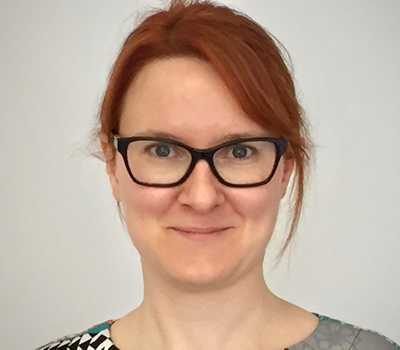
Chris Stallman, MS, CGC
Chris is a board-certified genetic counselor based in Tucson, Arizona. Her counseling experience includes pharmacogenetics as well as reproductive and cardiac genetics. She is the Program Coordinator and an information specialist at MotherToBaby Arizona, located at the University of Arizona. Chris is also Clinical Coordinator and Clinical Instructor for the University of Arizona Genetic Counseling Graduate Program, Clinical Instructor in Pharmacy Practice-Science, and the host of the MotherToBaby Podcast.
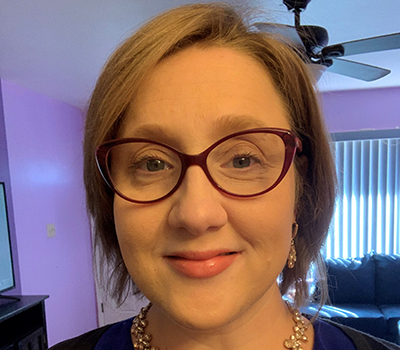
Christianne Senechal, MS
Christianne Senechal is an information specialist with MotherToBaby Connecticut, where she has worked since 2022. She holds a Master of Science in Health Care Genetics and will graduate with a Master of Science in Genetics Counseling from the University of Connecticut in 2026. Christianne is passionate about providing accessible, evidence-based counseling on exposures during pregnancy and breastfeeding to both the public and healthcare professionals, supporting patients in making informed decisions that are best for their health and their baby.

Claire Coles, PhD
Dr. Coles is Director of MotherToBaby Georgia and Professor of Psychiatry and Behavioral Sciences and Pediatrics at Emory University, where she is also Director of the Maternal Substance Abuse and Child Development Laboratory. Her expertise is in the developmental and behavioral effects of prenatal exposure to drugs and alcohol and the interaction of these effects with the postnatal environment. She was among the first to describe the behavioral effects of prenatal alcohol exposure and to investigate the effects of cocaine exposure on child development.
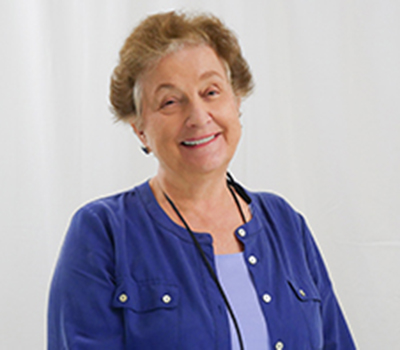
Ema Ferreira, B.Pharm, M.Sc., Pharm.D., FCSHP, FOPQ
Ema completed a bachelor’s and a master’s degree in pharmacy from Université de Montréal, a doctorate of pharmacy at the University of British Columbia, and a residency in perinatology at BC Women and Children’s Hospital and Long Beach Memorial Hospital. She has a joint position between CHU Ste-Justine and Faculty of Pharmacy where she is a full clinical professor teaching OB/GYN therapeutics. She is actively involved in patient care and research projects, andco-directed the publication of two editions of “Grossesse et allaitement: Guide thérapeutique” (Pregnancy and Breastfeeding: Therapeutic Guide). A third edition will be published in 2021-2022.

Jessie Poskochil, MGC, CGC
Jessie Poskochil is a board certified genetic counselor and assistant professor at the University of Nebraska Medical Center (UNMC) in Omaha, NE. Jessie earned her Master of Genetic Counseling (MGC) degree from UNMC in 2021. In her clinical practice, Jessie sees patients for a variety of hereditary cancer indications. She is a course instructor, clinical supervisor, and capstone committee member for students in the UNMC Genetic Counseling Education Program and enjoys co-instructing the Embryology and Teratology classes. As a teratogen information specialist for MotherToBaby Nebraska, Jessie provides counseling to clients and providers via chat, text, and phone.

Josianne Malo, B.Pharm., M.Sc.
Josianne is a pharmacist who graduated from the University of Montreal with a master’s degree in advanced pharmacotherapy for hospital practice. She works at Centre IMAGe, a MotherToBaby information service located at CHU Sainte-Justine, a tertiary mother-child university hospital in Montreal. She practices pharmaceutical care in the neonatal intensive care unit. As an associate clinician, she supervises pharmacy students and residents during their hospital training. She is the author of several articles and book chapters on pharmacotherapy during pregnancy and lactation and contributes to the activities of the Centre IMAGe. She has been a member of OTIS since 2008.

Kate Mowrey, MS, CGC
Kate Mowrey is a genetic counselor and clinical instructor in the Department of Pediatrics, Division of Medical Genetics at McGovern Medical School at The University of Texas Health Science Center at Houston. In addition to being an information specialist for MotherToBaby TexasTIPS, Kate assists in the LoneStar Leadership Education in Autism and Neurodevelopmental Disabilities (LEND) Program as well as the UT Tuberous Sclerosis Center of Excellence. Furthermore, her responsibilities include clinical coordination and providing genetic counseling to pediatric patient families in general genetics as well as neurology clinics. She is involved in teaching and supervising students for the University of Texas Genetic Counseling Training Program. Kate graduated from The University of Texas at Austin in 2014 with a BS in Human Biology, concentration in Genetics and Biotechnology and received her MS in Genetic Counseling from Genetic Counseling from the University of Texas Health Science Center at Houston in May 2018.
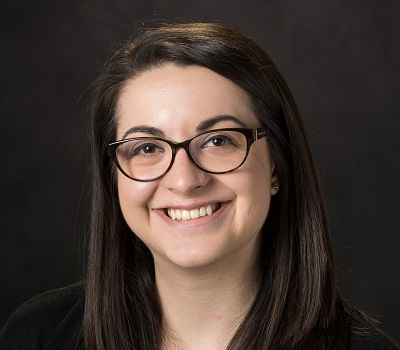
Kirstie Perrotta, MPH
Kirstie Perrotta is an information specialist at MotherToBaby California, where she provides counseling by phone and chat. She received her Masters in Public Health (MPH) from the University of San Francisco, and has worked in the field of reproductive health for over 9 years. Kirstie currently serves as a member of the MotherToBaby Emerging Issues Task Force (EITF), which provides leadership around our COVID-19 response. Her interests include vaccines, infectious disease, and mental health during pregnancy.
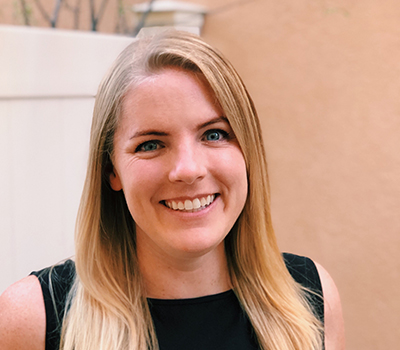
Leah Sternberg, MPH, BSN, RN, CHES
Leah is the Program Coordinator for MotherToBaby Georgia. She received her Bachelor of Science in Nursing from Illinois Wesleyan University and is a registered nurse. Her nursing experience includes fertility medicine and primary care. She recently completed her Master of Public Health at Emory University with a specialization in behavioral, social, and health education sciences. Leah is a Certified Health Education Specialist. She has experience in providing sex and reproductive health education to children and adults. When she isn’t the Program Coordinator for MotherToBaby Georgia, Leah still volunteers as a public health nurse. Leah is passionate about having hard conversations about health, as well as health literacy, health integrity, and health empowerment.

Lori Wolfe, MS, CGC
Lori is a board certified genetic counselor and the Director of MotherToBaby North Texas, which is part of the Texas Teratogen Information Service (TIS). Lori began the Texas TIS in July of 1991. In addition to running the Texas TIS, Lori provides community workshops and education to both the public and to health care providers, and teaches at the University of North Texas. Lori is happily married to Doug, and is the mother of three wonderful children, two of whom are adopted.
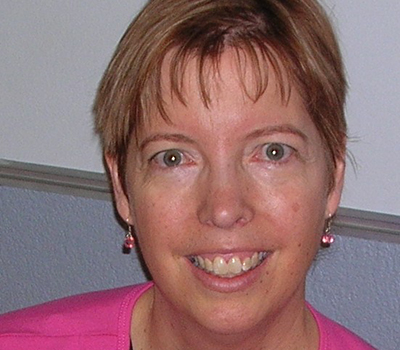
Lorrie Harris Sagaribay, MPH, LGC
Lorrie Harris-Sagaribay is the Program Coordinator and Lead Information Specialist at MotherToBaby North Carolina. She provides exposure counseling in English and Spanish by phone, email, and online chat, as well as conducting outreach and providing professional education and guest lectures on teratology. She currently serves on the OTIS Board of Directors and co-chairs the MotherToBaby Emerging Issues Task Force. After serving with the Peace Corps in Honduras, Lorrie earned her Masters of Public Health from the University of North Carolina at Chapel Hill with a concentration in maternal and child health. She enjoys helping people make informed decisions about medications and other exposures during pregnancy and breastfeeding.
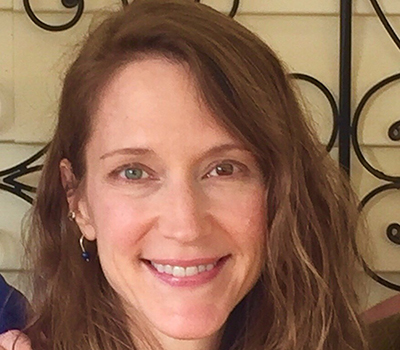
Mara Gaudette, MS, CGC
Mara is a certified genetic counselor who for the past 16 years has been providing pregnancy and breastfeeding exposure information by phone and email. As an information specialist for MotherToBaby California, she now also provides information through the MotherToBaby online chat. Her prior professional experience includes working at a neuromuscular genetics lab, at a muscular dystrophy and ALS clinic, and at two prenatal genetic practices. Academically, she earned her undergraduate degree from Cornell University and her master’s degree from Northwestern University.
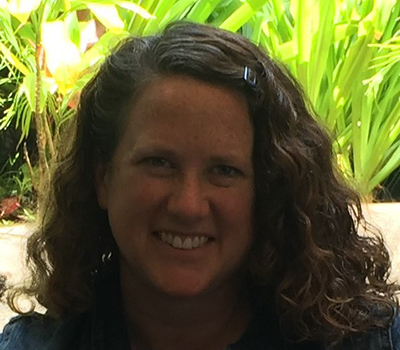
Myla Ashfaq, MS, CGC
Myla is a certified genetic counselor and clinical instructor in the Department of Pediatrics, Division of Genetics at the University of Texas Medical School. In addition to being an information specialist for MotherToBaby TexasTIPS, she provides genetic counseling to families of pediatric patients at the Shriners Hospitals for Children in Houston. She is involved in facilitating courses and supervising students from the University of Texas Genetic Counseling Training Program. Myla graduated from Ohio Wesleyan University with a BA in Genetics and received her MS in Human Genetics and Genetic Counseling from Stanford University.

Nevena Krstić, MS, CGC
Nevena is a board certified genetic counselor and an assistant professor at the University of South Florida (USF), division of Maternal Fetal Medicine and serves as the Program and Research Coordinator at MotherToBaby Florida. In addition to providing counseling as an information specialist at MTB Florida and USF Exposures Clinic, she provides prenatal and preconception genetic counseling in various clinics across the Tampa Bay area. She provides both clinical supervision and coursework instruction for students form the USF Genetic Counseling Program. Nevena earned her MS in Genetic Counseling from the University of Texas Health Science Center in Houston in 2012.
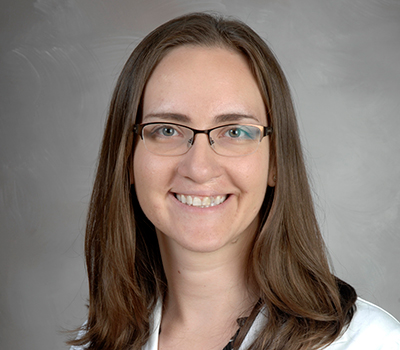
Réka Müller, MSPH, CG
Réka is a board certified genetic counselor and clinical instructor at the University of South Florida (USF), division of Maternal Fetal Medicine. In addition to providing counseling as an information specialist at MotherToBaby Florida and USF Exposures Clinic, she provides prenatal and preconception genetic counseling in various clinics in the Tampa Bay area. She also provides clinical supervision and coursework instruction for students form the USF Genetic Counseling Program. Réka, originally from Budapest, Hungary, earned her MSPH in Genetic Counseling from the University of South Florida in 2019.
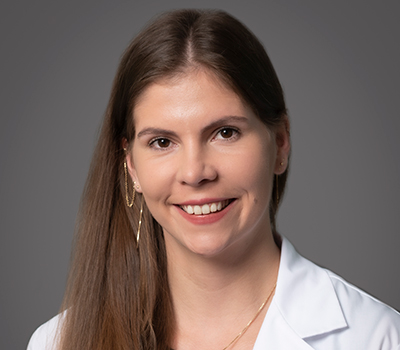
Sarah Običan, MD
Dr. Običan is the Medical Director of MotherToBaby Florida. She is a board-certified obstetrician/gynecologist specializing in maternal-fetal medicine, with particular research and clinical interest in teratology, fetal echocardiography and fetal therapy. She completed her Doctor of Medicine at the University of Miami School of Medicine, a residency in Obstetrics and Gynecology at George Washington University, and maternal-fetal medicine fellowship training at the Columbia University Medical Center. She is also fellowship trained in reproductive teratology and toxicology. Dr. Običan is an Assistant Professor at the University of South Florida in the Department of Obstetrics and Gynecology, division of Maternal Fetal Medicine.
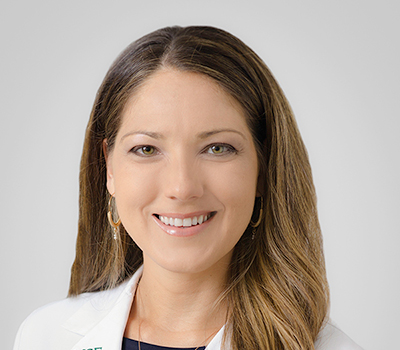
Sharon Voyer Lavigne, MS, LGC
Sharon has worked for MotherToBaby Connecticut for more than 28 years, the last eighteen of which she has served as the Coordinator. She is also currently the Research Coordinator representing her service. Sharon is a clinical Instructor in the Division of Human Genetics, Department of Genetics and Genome Sciences at UConn Health in Farmington, CT. She graduated from Northeastern University and went on to receive a Master’s of Science in Human Genetics/Genetic Counseling from Sarah Lawrence College. Sharon’s research interest lies in psychiatric diseases in pregnancy and their treatment, and prevention of prenatal isotretinoin exposures.

Sonia Alvarado
Sonia is a bilingual (Spanish/English) information specialist with MotherToBaby California. Along with answering people’s and health professionals’ questions regarding exposures during pregnancy and breastfeeding via phone, email, and live chat, she provides educational talks in the community regarding pregnancy health and supports the activities to promote MotherToBaby’s services. In addition, Sonia has authored several MotherToBaby Blogs and has translated content into Spanish. She has also served in leadership and member roles for several OTIS Committees, including the Education Committee, Abstract Committee and Marketing and Website Committees.

Study Team
Christina Chambers, PhD, MPH, Principal Investigator
Dr. Chambers is Professor of Pediatrics and Family Medicine and Public Health at the University of California San Diego (UC San Diego), Clinical Professor in the Skaggs School of Pharmacy and Pharmaceutical Sciences at UC San Diego, and the Director of Clinical Research at Rady Children’s Hospital San Diego. She is a perinatal epidemiologist who leads a number of national and international complex longitudinal cohort studies and clinical trials of prenatal exposures and child health and development. Her research has been instrumental in identifying previously unrecognized human teratogens, as well as ruling out substantial risk for other medications and vaccines. In addition to being the lead investigator of MotherToBaby Pregnancy Studies, Dr. Chambers is the Program Director of the MotherToBaby California affiliate. She is also a founding principal investigator for the Vaccines and Medications in Pregnancy Surveillance System (VAMPSS), which is the first national system to evaluate medication and vaccine safety in human pregnancy.

Kenneth Lyons, Jones, MD, Co-Investigator & Study Dysmorphologist
Dr. Jones is Distinguished Professor and Chief of the Division of Dysmorphology and Teratology in the Department of Pediatrics at the University of California San Diego. He is also Medical Director of the MotherToBaby California affiliate, which he founded in 1979. Dr. Jones received his M.D. from Hahnemann Medical School, and completed a pediatric internship at Philadelphia General Hospital and a pediatric residency at the University of Washington in Seattle. His research has focused on the clinical detection of birth defects and the mechanisms of normal and abnormal growth of tissues and organs during development. He is board certified in Pediatrics, and performs infant physical examinations for MotherToBaby Pregnancy Studies.

Chad Haldeman-Englert, MD, Study Dysmorphologist
Dr. Haldeman-Englert is a clinical geneticist, and serves as the medical director for the Cone Health Precision Health program. His clinical responsibilities include pediatric and adult care at Cone Health, and is the principal investigator of the Cone Health population genomic screening program. He received his M.D. from Penn State University College of Medicine, completed an internship and residency in pediatrics and internal medicine at Valleywise Health and Phoenix Children’s Hospital, and a fellowship in clinical genetics at Children’s Hospital of Philadelphia and University of Pennsylvania. He is board certified in clinical genetics, and performs infant physical examinations for MotherToBaby Pregnancy Studies.
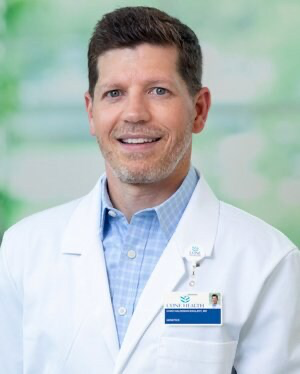
Margaret Adam, MD, Study Dysmorphologist
Dr. Adam is Professor in the Division of Genetic Medicine, Department of Pediatrics at the University of Washington. Her clinical responsibilities include pediatric care at Seattle Children’s Hospital, as well as counseling people who are pregnant through the Prenatal Diagnosis Center at the University of Washington. She received her M.D. from Stanford University School of Medicine, and completed an internship and residency in Pediatrics at the Lucile Salter Packard Children’s Hospital at Stanford and a fellowship in Medical Genetics at Stanford University Hospital. She is board certified in Medical Genetics and Pediatrics, and performs infant physical examinations for MotherToBaby Pregnancy Studies.
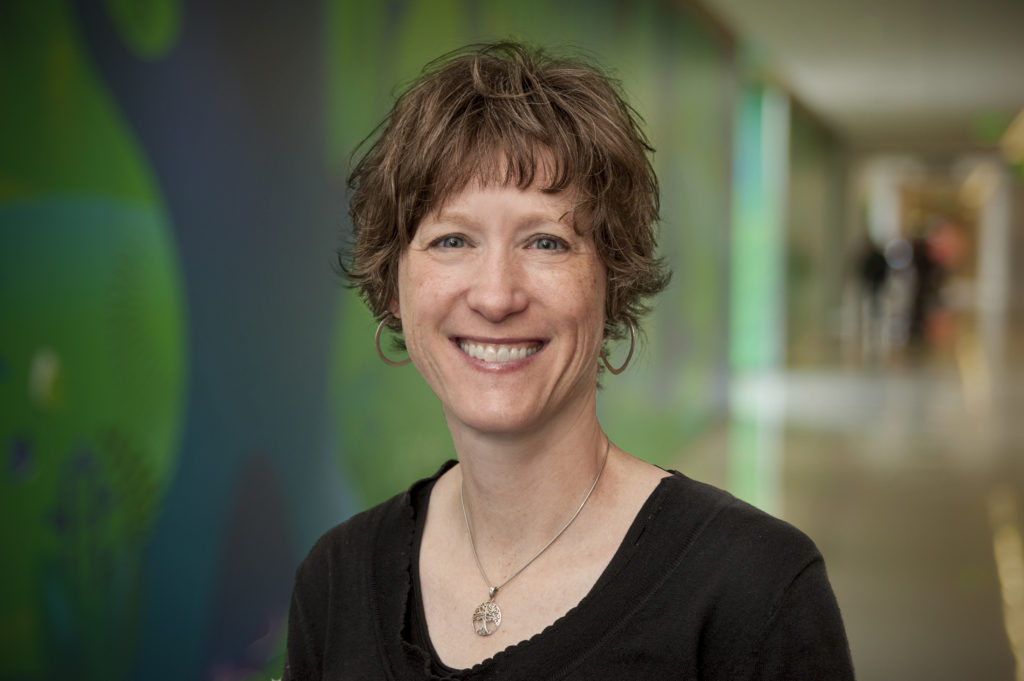
Miguel del Campo Casanelles, MD, PhD, Study Dysmorphologist
Dr. del Campo Casanelles is a medical geneticist and Clinical Professor in the Department of Pediatrics at the University of California San Diego. He cares for patients with dysmorphologic, genetic, and teratologic conditions at Rady Children’s Hospital-San Diego and conducts clinical research projects in the Division of Dysmorphology and Teratology at UCSD. He is board certified in both Clinical Genetics and performs infant physical examinations for MotherToBaby Pregnancy Studies.

Stephen R. Braddock, MD, Study Dysmorphologist
Dr. Braddock is Professor of Pediatrics and Director of Medical Genetics at Saint Louis University in St. Louis, Missouri. He received his M.D. from the University of Missouri-Columbia School of Medicine in 1988, completed an internship and residency in Pediatrics at the University of Utah and fellowships in Medical Genetics at Cedars-Sinai Medical Center/UCLA in Los Angeles and in Dysmorphology and Teratology at the University of California San Diego. He is board-certified in both Pediatrics and Medical Genetics, and performs infant physical examinations for MotherToBaby Pregnancy Studies.

Jane Adams, PhD, Neurodevelopmental Follow-up Director
Dr. Adams is the Director of Neurodevelopmental Follow-up for MotherToBaby Pregnancy Studies at UC San Diego Department of Pediatrics and Professor of Psychology at the University of Massachusetts Boston (1988 – 2020). Throughout her career, Dr. Adams has conducted research of regulatory and clinical relevance within the field of neurobehavioral teratology with a primary focus on the effects of prenatal exposure to certain prescription medications upon the neurobehavioral development of the child. She has held several elected positions and been an active member in both the Society for Birth Defects Research and Prevention and the Developmental Neurotoxicology Society.
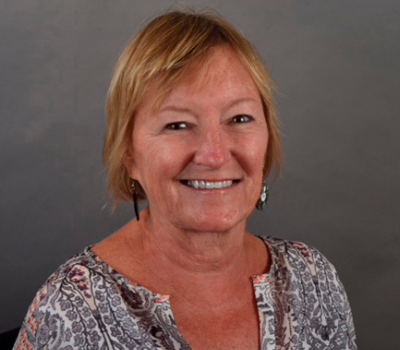
Patricia Janulewicz Lloyd, DSc, Neurodevelopmental Follow-up Associate Director
Dr. Janulewicz Lloyd is an Assistant Professor in the Environmental Health Department at Boston University, School of Public Health. She received her Bachelor of Science degree from the University of Massachusetts, under the tutelage of Dr. Jane Adams. She continued her education at Boston University, receiving a Masters in Public Health and Doctor of Science degree in Environmental Health. Dr. Janulewicz Lloyd has worked with MotherToBaby California for the past 11 years and recently became the Associate Director of the Neurodevelopmental Follow-Up Program, under the direction of Dr. Adams. In her free time, Dr. Janulewicz Lloyd likes to spend her time with her husband, Nathanael, their three children (Eric, Eleanor and Caroline), and their dog Marley.
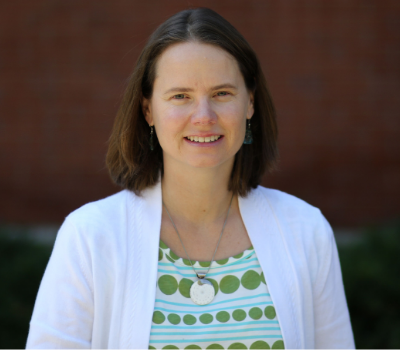
Kelly Kao, BA, Neurodevelopmental Follow-Up Program Manager
Kelly Kao is the Program Manager of the Neurodevelopmental Follow-Up Program at the UC San Diego Center for Better Beginnings, where she oversees the team of psychometrists that conducts developmental assessments for the Center’s research programs, including MotherToBaby Pregnancy Studies. She has been with Division of Environmental Science & Health since 1993. Kelly obtained her Bachelor’s degree in Sociology at the UC San Diego with minors in Biology and Spanish Literature. She became interested in prenatal environmental exposures that cause birth defects and long-term developmental effects when she took a Sociology of Law course that examined the death penalty case of a man who was diagnosed with Fetal Alcohol Syndrome (FAS). She actively demonstrates her dedication to educating the community about prenatal environmental exposures through her outreach activities, lectures, and research projects.

Robert Felix, BA
Robert is a senior information specialist based at MotherToBaby California. He also serves as Stakeholder Liaison for the OTIS National Office, where he cultivates new partnerships with healthcare providers/administrators and a number of national programs for under-served populations. He attends and participates at national conferences such as the Association of Maternal & Child Health Programs (AMCHP), National Healthy Start, National WIC, Postpartum Support International, Primary Care Association and March of Dimes to strengthen OTIS’ community engagement. Robert has also served as President, Secretary, and Member-At-Large of OTIS’s Board of Directors.

Violet Webb, MS.Ed., Study Psychometrist
Violet Webb is a Psychometrist and Research Associate in the Developmental Follow-Up Program at MotherToBaby. She attended San Francisco State University where she received her Bachelor’s Degree in Psychology. In 2017, she went on to receive her Masters of Science and Advanced Certificate in Educational Psychology from CUNY Brooklyn. Violet is passionate about working with children and contributing to the research that will provide insight about child development. Her goal is to provide assessments that are both fun and comfortable for parent and child.

Pregnancy Studies
Our ongoing studies investigate medicine safety to provide pregnancy research fueled by parents, for parents!
Exposures
From medications to infections, we’ve got information on the effects of pregnancy and breastfeeding exposures.
Find an Affiliate
Our 15 affiliates at acclaimed universities and hospitals across the US and Canada are here to serve you.
BOOSTRIX Vaccine in Pregnancy Study Flyer
When you think medication or vaccine safety, you think clinical drug trials. Right?! Clinical drug trials are research studies designed to gather information to determine whether a new medication or vaccine is safe and effective in people.
However, what most people don’t know is that pregnant women are excluded from these studies when a new drug is being developed. Essentially, this means that once a medication is approved by the US Food & Drug Administration (FDA), it’s prescribed to patients (including those who are or could become pregnant) with little to no information on the safety of the drug if used during pregnancy. Currently, less than 10% of medications approved by the FDA have enough information to determine their risk when used in pregnancy! To address this gap, the FDA may require observational studies, called pregnancy exposure registries, to be conducted on newly approved medications or vaccines to determine safety in pregnancy.
What are pregnancy exposure registries?
Pregnancy exposure registries are observational studies that collect health information on exposure to medical products such as drugs and vaccines during pregnancy. “Observational” means that study participants are never asked to take a new medication or to change any existing medications. After enrolling in the study they are simply followed by researchers through the remainder of their pregnancy, often by completing interviews or surveys or by allowing the researchers to access their medical records.
Why are pregnancy exposure registries important?
Pregnant women represent an important segment of the population, with over 6 million pregnancies occurring per year the U.S. alone. Additionally, studies have shown that 9 out of 10 women take medication during pregnancy – these women deserve to know if the medications they are taking will have any effect on their pregnancy, and pregnancy exposure registries are how we gather this information.
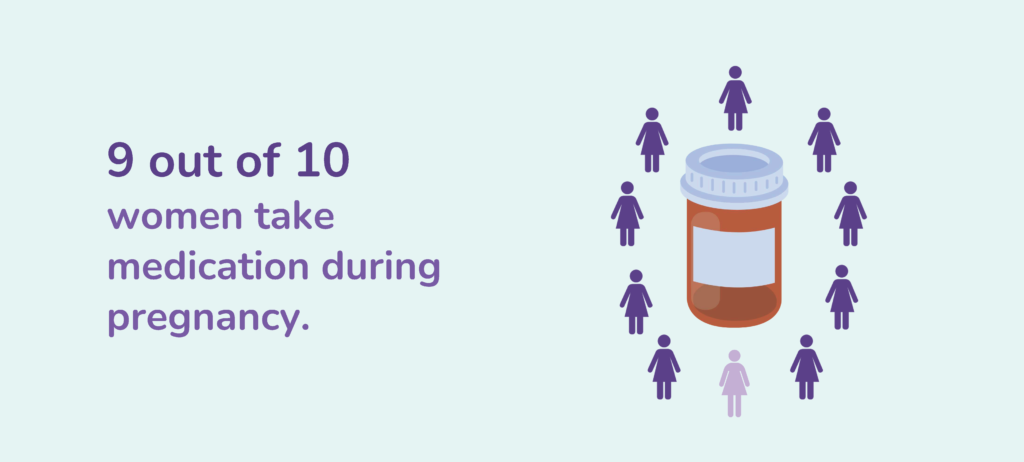
This information is used by pharmaceutical companies when listing safety information on drug labels. It is also helpful for healthcare providers to determine treatment plans for their pregnant patients. In many cases, pregnancy exposure registries have provided reassurance – and in some cases have raised red flags – on whether a medication is safe to take during pregnancy.
Why not just stop taking medications before you become pregnant?
It’s a common misconception that quitting a medication during pregnancy will be safer for the mom and her baby. In fact, for many chronic health conditions (such as asthma or seizure disorders), it’s safer for both mom and baby if the condition is well-managed. Some pregnant women may also experience acute conditions (like an infection) or develop complications during pregnancy that require medication. Physicians and pregnant women have the difficult task of balancing the risks and effects of an unmanaged condition during pregnancy versus the potential risks and benefits of starting or continuing to take a medication during pregnancy. Having enough information about the safety of the medication when used in pregnancy would make this task a whole lot easier.
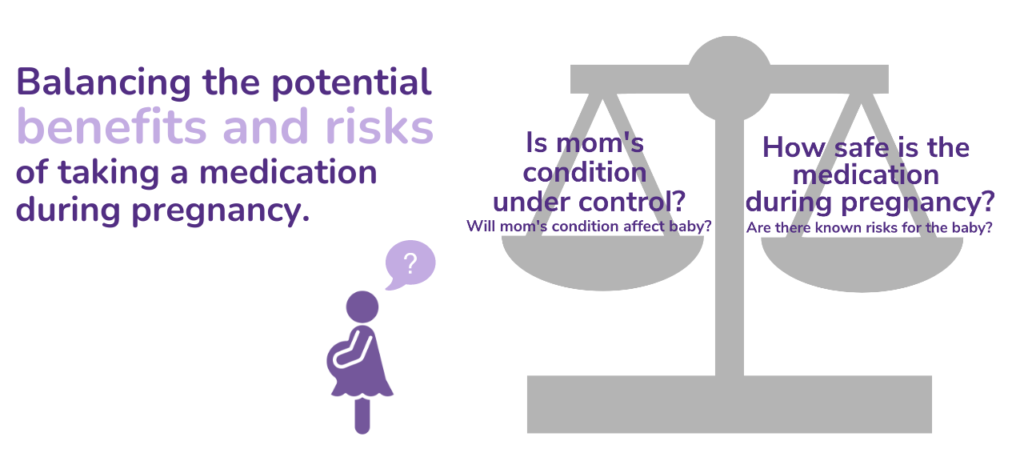
And let’s not forget: nearly half of all pregnancies in the U.S. may be unintended, which means that women may be exposing their pregnancy to a medication without realizing it because they weren’t planning the pregnancy and won’t know they are pregnant until they miss their first menstrual period.
How are registries organized/structured?
It’s worth repeating: Pregnancy registries are strictly observational. Researchers will follow participants throughout their pregnancy and sometimes after the child has been born regardless of the woman’s healthcare routine.
Researchers collect data about the pregnancy from the woman and/or (with the woman’s permission) from her medical records. The type of data collected, communications and length of participation vary from one registry to another, so it’s important you find out all the details about the study before you join.
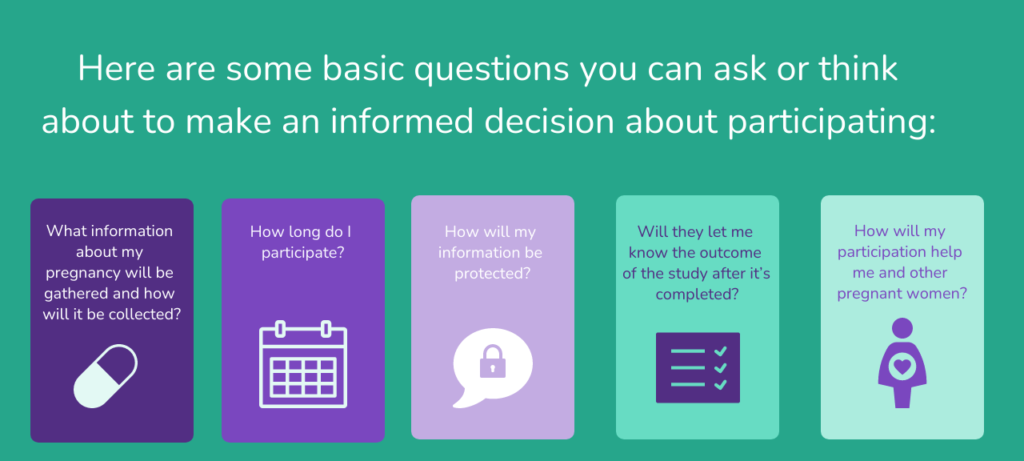
Here are some basic questions you can ask or think about to make an informed decision about participating:
- What information about my pregnancy will be gathered and how will it be collected?
- How long do I participate?
- How will my information be protected?
- Will they let me know the outcome of the study after it’s completed?
- How will my participation help me and other pregnant women?
Who participates?
Pregnancy registries are generally designed to compare pregnant women who have been exposed to the medication/vaccine of interest to those who have not been exposed. Depending on the registry, participants can include women who:
- Have taken a specific medication or vaccine during a current or recent pregnancy.
- Are pregnant and have not taken the medication being studied, but have the same health condition being treated by the medication being studied.
- Are pregnant, have not taken the medication being studied, and do not have the same health condition being studied.
Where can I find a registry to join?
There are a variety of organizations that run pregnancy registries. A great place to start is by asking your healthcare provider. You can also look on the US FDA Pregnancy Registry site.
What makes MotherToBaby pregnancy registries different?
Here at MotherToBaby, we run several pregnancy exposure registries, called MotherToBaby Pregnancy Studies. Our studies are unique in a few different ways:
- Participants have access to our trained experts to answer questions on any exposures during pregnancy and breastfeeding – all at no cost to you.
- Some of our studies offer a free in-home examination of your infant and a consultation with an expert pediatric specialist who can answer any questions you might have about your child’s growth and development.
- When you enroll in a study that includes free developmental follow-up for your child, you’ll receive reports after each screening, which will provide you with information about how your child is developing relative to other children his/her age.
Interested in learning more about what it’s like to participate in our studies? Meet Mariah, a study participant and maternal health advocate mom of 4. She shares her experience here.
If you or someone you know is interested in joining one of our pregnancy studies, we’d be happy to talk you through the process and answer any questions you may have.
- Call 877.311.8972 or email MotherToBaby@health.ucsd.edu
You can also browse through our ongoing studies here.
BOOSTRIX Vaccine in Pregnancy Study Flyer
By Lorrie Harris-Sagaribay, MPH, President of OTIS/MotherToBaby, in partnership with Joanne Samuel Goldblum, CEO and founder of National Diaper Bank Network.
MotherToBaby is proud to partner with the National Diaper Bank Network (NDBN) as the organization marks its 15th anniversary in 2026 – celebrating a decade and a half of supporting families across the country by ensuring access to diapers and other essential material needs. Through our partnership, we’ve learned that many parents and caregivers, especially those who are pregnant or caring for newborns, often ask the same kinds of questions about everyday exposures during pregnancy and lactation.
These concerns come straight from the field, as NDBN staff and volunteers working directly with families hear questions like these every day. To help answer them, MotherToBaby experts weigh in on some of the families’ most common questions about pregnancy and breastfeeding exposures.
First, it’s important to remember that birth defects can happen in any pregnancy for different reasons. Out of all babies born each year, about 3 out of 100 (3%) will have a birth defect. Pregnancy problems (like miscarriage) can also happen in any pregnancy. MotherToBaby looks at research studies to understand if a certain exposure could increase the chance of birth defects or other problems in a pregnancy.
Here are five of the exposures that NBDN families ask about most frequently:
1. Caffeine
During pregnancy, it’s recommended to keep your caffeine intake to less than 200 milligrams (mg) per day from all sources, including coffee, tea, energy drinks, and chocolate. (For reference, an 8-ounce cup of brewed coffee can contain 70 to 140 mg of caffeine, depending on the type of coffee and how it is brewed.) During breastfeeding, it’s been suggested to stay under 300 mg per day, although that amount might be too high when the baby is very young (it takes young babies much longer than adults to process, or metabolize, caffeine). Even some older babies can be more sensitive to caffeine than others are. If you notice that your baby seems jittery, irritable, or wide awake in the middle of the night after you drink caffeine, you could consider cutting back.
Let’s talk more about energy drinks. Most energy drinks contain not only caffeine, sugar, and B vitamins, but also herbal ingredients that most likely haven’t been studied in pregnancy or breastfeeding. This means there is no information about how much of these ingredients might reach the developing baby during pregnancy or get into the breast milk. For this reason, it might be preferred to hold off on energy drinks until you aren’t pregnant or breastfeeding any longer.
2. Over-the-Counter Pain Medications
Two of the most common over-the-counter pain medications are acetaminophen (such as Tylenol®) and ibuprofen (such as Advil®). These pain relievers are also found in multi-symptom products, such as cold medications. During pregnancy, using acetaminophen for a short time when directed by a healthcare provider to treat pain or fever has not been shown to increase pregnancy risks. Acetaminophen should be used as directed and only for as long as you need it to treat your condition. Ibuprofen, on the other hand, is typically not recommended in pregnancy, especially in the second half of pregnancy, unless your healthcare provider has specifically advised using it.
During breastfeeding though, acetaminophen and ibuprofen can both be used as directed without expected side effects for the baby. The amount of acetaminophen or ibuprofen that gets into the breast milk is much less than the dose that could be given directly to an infant.
3. Fish and Mercury
You might have heard a rumor that eating fish is not a good idea during pregnancy. But this is not the case. While it’s true that most fish could contain some amount of mercury (or more specifically, a form of mercury called methylmercury), these amounts are often too small to increase pregnancy risks as long as you make thoughtful choices about eating fish.
The amount of methylmercury in fish gets higher as fish move up the food chain. Big predatory fish that eat smaller fish usually have higher levels of methylmercury. These big fish include swordfish, marlin, bigeye tuna, and king mackerel, among others. These fish should be avoided during pregnancy and while breastfeeding.
Other kinds of fish can be enjoyed in moderation (1 to 3 servings per week, depending on the kind of fish and where it is caught). The U.S. Food & Drug Administration (FDA) and United States Environmental Protection Agency (EPA) developed a helpful guide that lists many kinds of fish and gives advice on how often they can be eaten by women who are pregnant or breastfeeding and by children ages 1-11 years: https://www.fda.gov/food/consumers/advice-about-eating-fish.
4. Cleaning Products
Is it better to use natural cleaning products like vinegar during pregnancy or while breastfeeding? What about when you have a young child in the home?
The way you use a cleaning product is usually more important than what the product is. Although using vinegar as a cleaner isn’t expected to increase risks during pregnancy or while breastfeeding, there could be some surfaces or situations that require more effective products for sanitizing and disinfecting. In order for a chemical to be able to reach a developing baby during pregnancy or to get into the breast milk, the chemical first has to be circulating in your bloodstream. As long as a product is used in a well-ventilated area (open doors or windows, turn on fans) and your skin is protected from direct contact with the cleaner, then using the cleaner as directed is unlikely to result in an exposure that would get into your bloodstream. If you start to feel any symptoms, such as nausea, dizziness, or headache, increase ventilation in the area and get some fresh air. If you do use vinegar to clean, be sure not to mix it with ammonia or other chemicals, as that can create harmful fumes. With any cleaning product, follow the directions on the label for how to use and store it.
As far as what kinds of cleaners are preferred when you have young children in the home, that is a great question to talk about with your child’s healthcare provider.
5. Animal Dander/Feces
Common household pets like dogs, cats, and rodents tend to be furry. Although pet dander itself is not known to be harmful during pregnancy or while breastfeeding, dander could increase the chance of breathing problems if you have significant allergies or asthma. If you are experiencing worsening symptoms of allergies or asthma during your pregnancy, be sure to talk about it with your healthcare provider. It’s also a good idea to wash your hands after handling any kind of rodent, even sweet, furry, household pets.
What about animal feces? It’s best to avoid direct contact with any animal feces during pregnancy. This means you get a free pass on cleaning the gerbil cage or scooping the litterbox, if possible. Cat feces, in particular, can contain a parasite responsible for an infection called toxoplasmosis, especially if the cat is allowed outside or is fed raw meat. A toxoplasmosis infection during pregnancy increases the chance of pregnancy complications, and could even pass to the fetus. There’s no need to rehome your cat or avoid petting it, but you should avoid direct contact with the cat’s feces while you are pregnant.
Closing Thoughts
Through our partnership with NDBN, MotherToBaby is committed to answering the real questions families are asking—accurately, clearly, and compassionately. We know that parents want the best for their babies, and they deserve trusted, evidence-based information to make informed choices.
If you or someone you know has questions about exposures while pregnant or breastfeeding, you can contact a MotherToBaby specialist for free and confidential information via phone, text, or chat at MotherToBaby.org.
Together with NDBN, we’ll continue listening, learning, and supporting families when it matters most.
More About the National Diaper Bank Network
The National Diaper Bank Network (NDBN) leads a nationwide movement dedicated to helping individuals, children and families access the basic necessities they require to thrive and reach their full potential…including clean, dry diapers, period supplies and other basic needs. Launched in 2011 with the support of founding sponsor Huggies®, NDBN is dedicated to creating awareness of diaper need/diaper insecurity and advocating for public policy to end it. The Network is made up of more than 300 basic needs banks serving local communities throughout the U.S. More information on NDBN and diaper need is available at nationaldiaperbanknetwork.org, and on Twitter (@DiaperNetwork), Instagram (@DiaperNetwork) and Facebook (facebook.com/NationalDiaperBankNetwork).
| BOOSTRIX Vaccine in Pregnancy Study Flyer January 15, 2025 |
page {PAGENO} of {PAGETOTAL} |